Year: 2014
Runtime: 147 mins
Language: Kannada
Director: Nanda Kishore
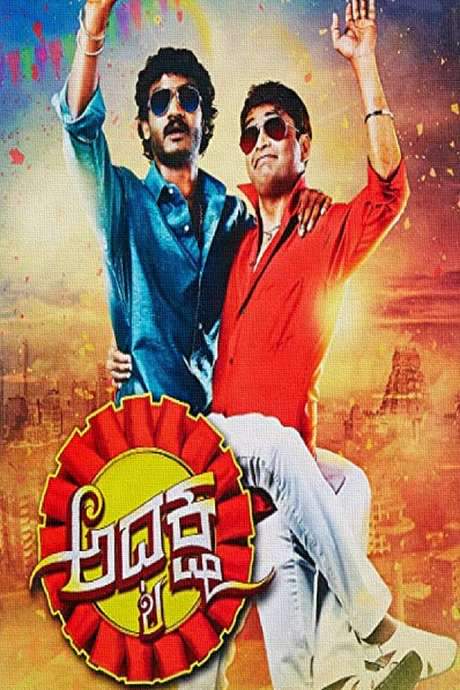
This 2014 Kannada comedy film, directed by Nanda Kishore, is a remake of the Tamil film Varuthapadatha Valibar Sangam. It features Sharan and Heeba Patel in the lead roles, supported by P. Ravi Shankar, Malavika Avinash, Chikkanna and Ramesh Bhat. The film's music and soundtracks were composed by Arjun Janya, providing a lively and entertaining backdrop to the humorous storyline.
Warning: spoilers below!
Haven’t seen Adhyaksha yet? This summary contains major spoilers. Bookmark the page, watch the movie, and come back for the full breakdown. If you're ready, scroll on and relive the story!
Read the complete plot breakdown of Adhyaksha (2014), including all key story events, major twists, and the ending explained in detail. Discover what really happened, and what it all means.
Shivarudre Gowda opens the film with a tense scene: police arrive at his home to question him about the murder claimed by the villagers, centered on his daughter, Aishwarya, who ran away with the man she loved. The story shifts to the village’s social circle, where two friends and local leaders of a group called Chi Thu Sangha, Chandru and Narayana, weave through friendship, rivalry, and ambition. [Chandru] falls in love with Kalyani, a schoolteacher with dreams of a brighter future. He writes a heartfelt love letter to her, hoping a friend or confidant will carry it, but fate nudges Aishwarya into that role. She takes the letter to her teacher, who refuses to pass it along, and Aishwarya keeps the secret close.
Gowda arranges a marriage for Aishwarya, despite her yearning to continue studying. She resists the arrangement, yet the match moves forward, and Chandru and Narayana feel compelled to intervene. They threaten to appeal to higher authority, even the commissioner, and their bold stance leads the local police inspector to press Gowda to call off the marriage. This intervention stirs something in Aishwarya, deepening her feelings for Chandru. Meanwhile, she begins an elaborate game, using the name of Kalyani to amass gifts, deceiving Chandru with the promise that Kalyani’s marriage is being arranged for him to consider. When Aishwarya finally tells Chandru that Kalyani is set to marry someone else, he contemplates a new path for himself.
In the village festival, Chandru and Gowda square off in a lively, symbolic contest of modernity versus tradition. Chandru fights for a chance to organize a dance showcase, and his successful effort to host a record dance becomes a turning point. The festival night finds Aishwarya draped in a sari, and Chandru’s feelings for her intensify as the moment unfolds. In a twist, the police reveal that it was Chandru who had stepped in to derail Aishwarya’s arranged marriage. He confesses his feelings the next day, but Aishwarya remains wary and distant, rebuffing his advances as he mourns the complexities of their romance.
A violent turn follows: Chandru is ambushed by Gowda’s men, leaving him battered. The two young men respond by stealing Gowda’s gun—an object Gowda values like a soul—but the plan quickly spirals into trouble. Chandru, under Aishwarya’s insistence, returns the gun, trying to appease the dangerous situation. Aishwarya’s mother warns her against continuing the affair, urging restraint. A crisis with Gowda’s cow—falling into a well—brings Chandru and Aishwarya close as he helps rescue the animal, reinforcing their bond. One night, the couple hides in Aishwarya’s home and watches Gowda sleepwalk, then wake, a revelation that shocks Chandru to the core and drives him to flee when he realizes the truth about Gowda’s awareness.
Gowda presses Aishwarya to promise a marriage with a man of his choosing, and a formal engagement is set. Yet, on the night before the wedding, the couple decides to run away together. They flee into the night, only to be confronted by Gowda, who urges them to escape and even hands them money so they won’t return. He cannot publicly block the union, but his feigned impotence and fierce pride push him to a breaking point. The moment of reckoning comes when Gowda watches them marry, returning home with blood on his shirt—the blood belongs to a goat he killed, a grim act to preserve his reputation in the village. Chandru and Aishwarya return, shattering Gowda’s plans, and Chandru explains that his own return was motivated by a promise of money from his father, Chandru’s father. In the end, the two lovers’ union triumphs over the obstacles, and Gowda and Chandru share a laugh, their camaraderie enduring even amid village ruin and personal risk.
Note: The story keeps a grounded, steady pace, letting character choices and village dynamics drive the emotional core. The film blends romance, pride, and tradition with a touch of defiance, culminating in a bittersweet but hopeful finale that lingers in the memory of a community that reshapes itself around love, loyalty, and the courage to choose one’s own path.
Last updated: October 03, 2025 at 10:35
Explore frequently asked questions about Adhyaksha (2014) with spoiler-rich answers covering the full plot summary, major story beats, character motivations, hidden details, and ending meaning. This movie summary FAQ helps explain confusing scenes, plot twists, and narrative decisions in clear, searchable detail.
Aishwarya adopted the name Kalyani to deceive Chandru because she had developed feelings for him after he intervened to stop her arranged marriage. By pretending to be Kalyani, she was able to receive gifts and attention from Chandru, keeping him engaged while she sorted out her own emotions. The deception was also a way to test his intentions before revealing her true identity.
Earlier, Aishwarya had kept Chandru's love letter secret, hinting at her growing interest in him.
Chandru and Narayana intervened because they believed Aishwarya should have the choice to continue her studies rather than be forced into marriage. Their threat to appeal to higher authorities, including the commissioner, put pressure on the local police inspector, who then pressured Gowda to call off the match. This act of standing up for Aishwarya is what initially sparked her feelings for Chandru.
The Chi Thu Sangha friendship and rivalry dynamics set the stage for their bold intervention in village affairs.
Chandru and Aishwarya were hiding in her home when they observed Gowda sleepwalking and then suddenly waking up, revealing that he was actually aware of their secret relationship all along. Gowda had been pretending not to know, which shocked Chandru and made him realize the danger they were in since Gowda's public inaction masked his private awareness and likely displeasure.
Gowda's earlier refusal to directly confront them had concealed his true knowledge.
Gowda gave them money and urged them to escape because he could not publicly block their union without losing face in the village. His pride and reputation mattered more to him than openly accepting the relationship, so he chose to help them flee rather than confront the situation directly. This act revealed the contradiction between his public opposition and private acceptance.
Gowda's earlier pressure for Aishwarya to marry someone of his choosing showed his struggle between control and reality.
Chandru returned because his father had promised him money, which motivated him to come back despite having just escaped with Aishwarya. This revelation on their wedding day exposed that Chandru's actions were partly driven by financial incentives rather than pure romantic devotion, adding complexity to his character.
Earlier references to village dynamics and practical motivations had hinted at material concerns driving some characters.
The blood on Gowda's shirt came from a goat he killed after watching the wedding, using the animal to preserve his reputation in the village. By performing this traditional ritual, Gowda maintained the appearance of honor despite privately accepting the marriage he could not stop.
Gowda's deep concern for family honor and village reputation had been established throughout the film.
Their relationship began when Aishwarya agreed to deliver Chandru's love letter to Kalyani but kept it secret instead. After Chandru intervened to stop her forced marriage, Aishwarya fell in love with him. The cow rescue scene and the festival night further deepened their bond, leading them to eventually run away together and marry.
Aishwarya keeping the love letter secret revealed her initial interest in Chandru.
Gowda's gun symbolized his authority and control over the village. After being ambushed by Gowda's men, Chandru and Narayana stole the gun as retaliation. However, when the situation became dangerous, Aishwarya urged Chandru to return the gun to defuse the crisis, which he did under pressure, showing his willingness to prioritize safety over vengeance.
The earlier ambush and violence had escalated tensions between Chandru and Gowda.
The opening scene shows police questioning Gowda about a murder claimed by villagers, related to his daughter Aishwarya running away with the man she loved. This was likely a community threat or accusation rather than an actual murder, used to pressure Gowda about his daughter's elopement and preserve the family's honor in the eyes of the village.
The entire film revolves around Aishwarya's defiance of her father's authority through her relationship.
Kalyani was a schoolteacher Chandru initially fell in love with and wrote a letter to. However, Aishwarya never delivered the letter, and Kalyani's marriage was eventually arranged to someone else. Chandru's feelings shifted to Aishwarya after she kept his letter secret and he learned of her character through the deception plot.
The undelivered love letter set the stage for the complex love triangle.
The festival dance showcase represented Chandru's challenge to Gowda's traditional authority in the village. By successfully organizing a record-breaking dance, Chandru proved that modern ideas could coexist with village traditions. This victory marked a turning point where Chandru gained confidence and respect, changing the power dynamic between him and Gowda.
The Chi Thu Sangha dynamics had established Chandru as someone who balanced friendship with ambition.
Discover curated groups of movies connected by mood, themes, and story style. Browse collections built around emotion, atmosphere, and narrative focus to easily find films that match what you feel like watching right now.
Humorous tales of young love challenging tradition in a vibrant village setting.Find more movies like Adhyaksha with this collection of humorous village rom-coms. If you enjoyed the lighthearted story of young love triumphing over social obstacles in a vibrant community setting, you'll find similar feel-good comedies here.
The narrative typically follows a young protagonist whose pursuit of love is complicated by village social structures, often involving a love triangle or arranged marriage pressures. The conflict is driven by a defiant spirit challenging tradition, but the tone remains uplifting, leading to a happy resolution that reaffirms community bonds.
Movies in this thread share a specific blend of a rural setting, a central comedic romance, and a light, defiant tone. They balance humorous situations with the genuine emotional stakes of young love, creating an entertaining and ultimately hopeful viewing experience.
Spirited romantic comedies where perseverance and humor overcome social barriers.Explore more romantic comedies like Adhyaksha where love conquers all. This list features stories of spirited couples who use humor and determination to overcome parental control and social obstacles, resulting in a hopeful and uplifting conclusion.
The plot revolves around a persistent protagonist who refuses to give up on their love interest despite significant opposition, often from family figures enforcing tradition. The obstacles are navigated with a mix of cleverness and comedic error, building towards a climax where love proves victorious, often winning over the initial antagonists.
These movies are grouped by their core narrative of romantic defiance and their consistent light, comedic tone. They focus on the joyful struggle against odds rather than deep drama, making them ideal for viewers seeking an optimistic and entertaining love story.
Don't stop at just watching - explore Adhyaksha in full detail. From the complete plot summary and scene-by-scene timeline to character breakdowns, thematic analysis, and a deep dive into the ending - every page helps you truly understand what Adhyaksha is all about. Plus, discover what's next after the movie.
Track the full timeline of Adhyaksha with every major event arranged chronologically. Perfect for decoding non-linear storytelling, flashbacks, or parallel narratives with a clear scene-by-scene breakdown.
Discover the characters, locations, and core themes that shape Adhyaksha. Get insights into symbolic elements, setting significance, and deeper narrative meaning - ideal for thematic analysis and movie breakdowns.