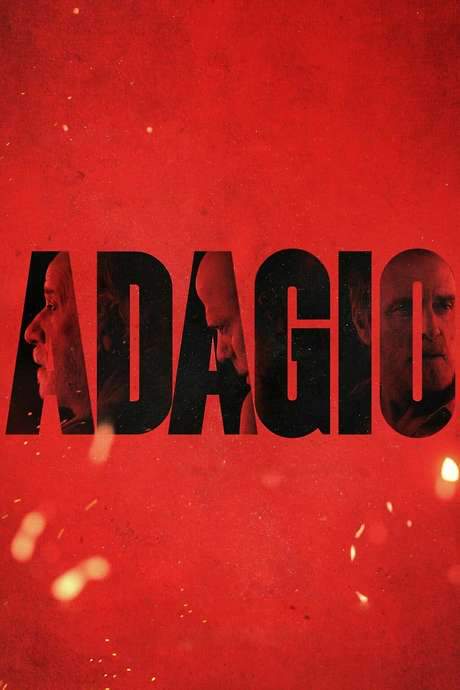
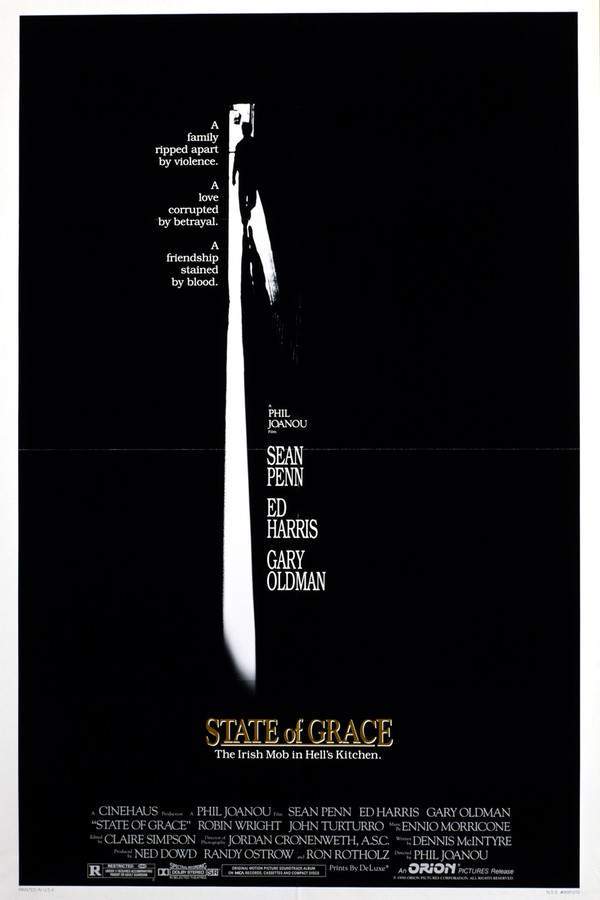
In the end, Thug's life is a cycle of pain, guilt, and attempts at redemption. Throughout the film, he's fighting to protect his estranged daughter, Daisy, and to make amends for his past. His actions are driven by a desire to leave something better behind, especially for Dre, his grandson. Thug's death comes after he saves a group of girls from a sex-trafficking ring run by Gamberro, and despite being severely injured, he manages to confront his enemies. As he succumbs to his wounds, he seeks one last moment with Dre, emphasizing the hope that he has tried to set a better example for him. His final act of kindness is leaving Daisy a substantial check for her future, implying that he hopes she will forgive him and use his last gift to build a better life. The ending is poetic in its ambiguity—Thug appears to die, possibly symbolizing the end of his troubled journey, but whether he finds true absolution depends on Daisy’s forgiveness. Ultimately, Thug's death may be seen as a form of redemption, attempting to atone for a life filled with mistakes and violence, in hopes that his efforts will somehow be enough for peace in his soul.
Thug’s story concludes with a quiet, poignant sense of redemption. After risking everything to rescue girls from a sex-trafficking operation, he is fatally wounded but manages to find a moment to say goodbye to Dre, showcasing his sincere desire to protect him from the violence and anger that once defined his life. His final gesture is leaving Daisy a large sum of money, symbolizing his hope for her future and his wish for her to forgive him. As his life fades, the film suggests that Thug’s suffering and efforts at change might finally bring him peace—though whether he truly finds absolution depends on Daisy’s forgiveness. The ending leaves us with a sense of ambiguity: Thug may be dead, but his attempt at redemption is evident, making his death a quiet act of atonement for a life haunted by violence, regret, and the hope for a better tomorrow.
Thug’s story is ultimately one of seeking redemption through sacrifice. After a life marked by violence, regret, and mistakes, he dedicates his final days to protecting others, especially Dre and Daisy. His last act is saving a group of girls from a sex-trafficking ring, even at the cost of his own life. Before he dies, he makes sure that Dre knows he’s done his best to set a better example and leaves Daisy a substantial gift, symbolizing his hope that she will forgive him and build a better life. The film’s ending is deliberately ambiguous—while Thug appears to die from his wounds, his efforts suggest an attempt at finding peace and forgiveness, both for himself and in the eyes of those he loves. Whether he achieves true absolution remains uncertain, but his final actions speak to a desire to leave behind his past and find some form of salvation. Ultimately, Thug’s death can be seen as his most profound act of redemption, a culmination of his journey toward atonement in a life long shadowed by violence and regret.
Thug’s story reaches a quiet, reflective conclusion, emphasizing his desire for redemption through his actions. Throughout the film, he seeks to protect those he cares about, especially his grandson Dre and his daughter Daisy. His final act of bravery involves rescuing girls trapped in a sex-trafficking ring, even though it costs him his life. Before succumbing to his injuries, Thug makes a touching gesture by speaking to Dre and leaving a large sum of money for Daisy, symbolizing his hope for her future and forgiveness. The ending is left open to interpretation: Thug appears to die, but his sacrifices and efforts at change suggest he might find some form of peace or salvation. His death can be viewed as his ultimate attempt at redemption—an act to atone for his past, to offer a better legacy, and to finally seek forgiveness for a life marred by violence and regret. Whether he truly achieves this peace remains uncertain, but his final deeds speak volumes about his longing for grace.