
Aagadu
Year: 2014
Runtime: 165 mins
Language: Telugu
Director: Sreenu Vaitla
Shankar, an orphan, is raised by the dedicated police officer Raja Rao. When Raja Rao’s son, Bharath, accidentally kills a young boy, Shankar takes the blame to protect the family and is imprisoned. Raja Rao implores Shankar to avoid contact with him, setting the stage for a complex and dramatic conflict as Shankar navigates his unjust situation and the repercussions of the lie.
Where to Watch Aagadu?
Find where to stream, rent, or buy Aagadu (2014) in the US with current JustWatch availability, up-to-date pricing, and platform listings for subscription, rental, and digital purchase options.


Streaming availability powered by 
Warning: spoilers below!
Haven’t seen Aagadu yet? This summary contains major spoilers. Bookmark the page, watch the movie, and come back for the full breakdown. If you're ready, scroll on and relive the story!
Aagadu (2014) – Full Plot Summary & Ending Explained
Read the complete plot breakdown of Aagadu (2014), including all key story events, major twists, and the ending explained in detail. Discover what really happened, and what it all means.
Shankar, an orphan raised by a sincere police officer Raja Ram, grows up with a fierce sense of justice and a willingness to shoulder others’ burdens. When Raja’s son Bharath accidentally kills a child, Shankar steps in and takes the blame, landing in prison while Raja sternly warns him not to seek out his family again. After paying his debt to society, he rises through the ranks and earns the nickname Encounter Shankar, a reputation built on hard choices and hard rules.
Transferring to Bukkapatnam in Tadipatri, Anantapur district, he faces a new battlefield: Damodar, a powerful crime boss with his sights set on a dreams-that-still-smell-of-burnt-coal power project. Shankar’s strategy is clean and surgical. He targets the core arteries of Damodar’s empire by forming uneasy bonds with the people in charge of three key operations: the rough-and-ready Lion Seenu, the ruthless Ferocious Firangee, and the sharp-tongued Super Sampangi. These three become unexpected allies, drawn in by Shankar’s blend of bravado and calculated mercy.
To halt the project, Shankar isn’t content with street-level victories; he builds a legal case by calling witnesses to testify, briefly stalling the dream of the plant. In this fight, he enlists the help of a shrewd lawyer, Database Danayya, who helps him navigate the murky waters of power, money, and influence. The tension rises as Damodar’s influence begins to crack, but his ire only grows stronger as Shankar’s crusade infringes on Damodar’s control.
Amid the vendetta, Shankar finds love in Saroja, a sweet shop owner who gradually returns his affection. The relationship adds a lighter heartbeat to a tale steeped in danger and deception, and their engagement marks a rare moment of personal triumph amid the political and criminal storm.
The plot thickens when a man named Shekhar approaches Shankar with a crucial claim: he is a witness to the murder of environmentalist Prakash by Damodar. Damodar’s reach extends to bending witnesses, and he manipulates the people who could implicate him. In parallel, Shankar uncovers a heavier truth: Raja’s son Bharath, who once attempted to stop the power project, took his own life after facing defamation and personal attacks that shattered his moral ground. The revelation reframes Shankar’s sense of justice and deepens his resolve.
Damodar’s grip on the project is extensive: he holds half the shares, while the rest sit with Mallikarjuna Rao and a central minister named Nagaraju. Bharath’s revelations bring Raja back into the picture, and the old wounds begin to heal as father and son reconnect in the face of danger. Inspired by the truth, Shankar sets a course for revenge, enlisting the strategic mind of the lawyer and gathering information on the power broker known as Delhi Suri, Mallikarjuna, and a conservative girlfriend named Sukanya who previously acted in risqué films.
With a mix of cunning and coercion, Shankar begins to trap his targets. Delhi Suri’s assets become a focal point, and a carefully staged plan disrupts the fragile alliance between Damodar and Nagaraju, culminating in Nagaraju’s murder. Sukanya is used to expose Mallikarjuna, who is accused of attempting sexual assault. Mallikarjuna’s secret is darker than expected: he is gay, a truth that isolates him from his surroundings and seals his fate with a poisoning-induced death.
The revenge arc turns personal as Damodar’s brother Durga is killed by Damodar himself, a move Shankar fuels by insinuating Durga’s role in an attack on Damodar’s life. Amid the escalating violence, Shankar and Saroja draw closer and eventually become engaged, a bright counterpoint to the surrounding darkness.
Delhi Suri learns of Donayya’s interference and destroys his office, prompting Donayya to retaliate by revealing Delhi Suri’s role in the murders to Damodar. When Damodar confronts Delhi Suri, Shankar steps in and ends the feud in a duel, killing Damodar and delivering a definitive end to the immediate threat.
In the aftermath, Bharath is posthumously recognized for his honesty, and Delhi Suri chooses to become an informer under Shankar’s shadow—another twist in a tale where power, loyalty, and justice collide. This is a story that tracks the twists and turns of a city where one man’s idea of justice collides with the ambitions of a criminal network, and where love and loyalty weave through it all, leaving a complex legacy for those who survive the storm.
Last updated: October 03, 2025 at 10:35
Aagadu (2014) Plot Questions Answered – Summary FAQ
Explore frequently asked questions about Aagadu (2014) with spoiler-rich answers covering the full plot summary, major story beats, character motivations, hidden details, and ending meaning. This movie summary FAQ helps explain confusing scenes, plot twists, and narrative decisions in clear, searchable detail.
Why does Shankar take the blame for Bharath killing a child?
Shankar takes the blame because he was raised by Police Officer Raja Ram and considers him his father. When Raja Ram's son Bharath accidentally kills a child in a hit-and-run, Shankar steps forward to protect his foster family from the scandal and legal consequences, choosing to go to prison instead of letting Bharath face punishment.
Why does Raja ask Shankar to stay away from his family?
After Shankar serves his prison sentence for taking the blame, Raja Ram sternly warns him not to seek out his family again. This is meant to protect Shankar from further danger and to prevent any connection that might remind people of the crime Bharath committed, though it creates a painful distance between Shankar and the family he sacrificed everything for.
The warning plants the seed for Shankar's later sense of isolation and his solitary fight against Damodar.
How does Shankar earn the nickname Encounter Shankar?
After being released from prison, Shankar joins the police force and climbs through the ranks by making hard, decisive choices. He builds a reputation for taking down criminals through tough encounters, earning the moniker 'Encounter Shankar' for his ruthless and effective approach to law enforcement.
Why is Shankar transferred to Bukkapatnam in Tadipatri?
Shankar is transferred to Bukkapatnam specifically to take on Damodar, a powerful crime boss who controls the district and is pushing a dangerous power project. The transfer marks Shankar's transition from city police to a direct confrontation with entrenched local corruption.
What is Damodar's power project in Aagadu?
Damodar is trying to establish a coal-fired power plant in Bukkapatnam. This project is environmentally dangerous and highly profitable for him, as he owns half the shares while Mallikarjuna Rao and Minister Nagaraju control the rest. Shankar fights to stop this project, which forms the core of the movie's conflict.
Why does Shankar ally with Seenu, Firangee, and Sampangi?
Shankar forms alliances with these three key operators, Lion Seenu, Ferocious Firangee, and Super Sampangi, because they control different critical operations in Damodar's criminal empire. By turning them against Damodar, Shankar weakens the crime boss's infrastructure from within, gaining both tactical advantages and inside information.
Who is Shekhar and what does he witness in Aagadu?
Shekhar approaches Shankar with crucial information: he witnessed Damodar murdering an environmentalist named Prakash who opposed the power project. This testimony becomes important evidence against Damodar, though Damodar's reach allows him to manipulate or silence witnesses.
Why does Bharath commit suicide in the movie?
Bharath takes his own life after attempting to stop the power project and facing relentless defamation and personal attacks that destroy his reputation and moral resolve. His death is a tragic consequence of Damodar's influence and the corruption that silences those who fight against the project.
Bharath's earlier attempts to stop the power project foreshadow Shankar's own crusade against Damodar.
How does Shankar expose Mallikarjuna Rao in Aagadu?
Shankar uses Sukanya, a woman with a controversial past, to expose Mallikarjuna Rao. Shankar orchestrates a situation where Mallikarjuna is accused of attempting sexual assault, but the deeper truth revealed is that Mallikarjuna is gay, a secret that isolates him in his conservative environment and leads to his poisoning-induced death.
Why does Damodar kill his own brother Durga?
Damodar kills his brother Durga because Shankar manipulates the situation by implying that Durga was involved in an attack on Damodar's life. This calculated move by Shankar turns Damodar against his own family member, further destabilizing the crime boss's inner circle.
How does Shankar defeat Damodar in the final confrontation?
When Damodar confronts Delhi Suri after learning about his involvement in the murders, Shankar intervenes and challenges Damodar to a direct duel. Shankar kills Damodar in this confrontation, ending the immediate threat and delivering justice for the crimes committed throughout the movie.
What happens to Bharath at the end of Aagadu?
At the end of the movie, Bharath is posthumously recognized for his honesty and his fight against the corrupt power project. Despite his tragic suicide, his truth ultimately helps Shankar bring down Damodar, and he receives official honor for his integrity.

Explore Movie Threads
Discover curated groups of movies connected by mood, themes, and story style. Browse collections built around emotion, atmosphere, and narrative focus to easily find films that match what you feel like watching right now.
Action dramas of calculated revenge like Aagadu
Stories of methodical heroes dismantling powerful, corrupt empires through strategic brilliance.If you enjoyed the methodical takedown of a criminal empire in 'Aagadu', you'll find similar thrills in these movies. They feature protagonists using their wits and skills against powerful, corrupt systems, delivering intense, action-packed stories of personal justice.

The Bad Guys: Reign of Chaos
2019

Vengeance of an Assassin
2014

Play Dirty
2025

The Roundup: Punishment
2024

Samurai Cop 2: Deadly Vengeance
2015

Hard to Kill
1990

Rowdy Fellow
2014
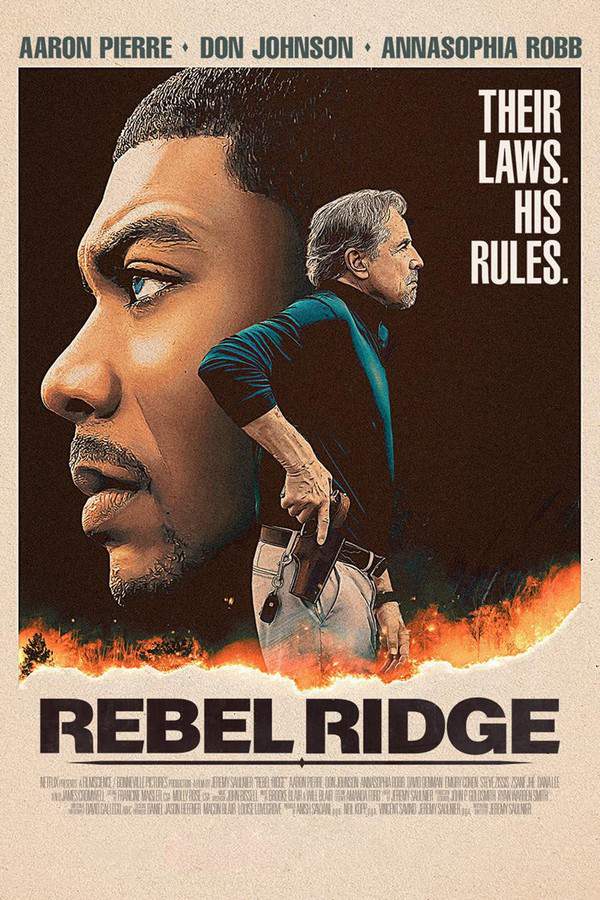
Rebel Ridge
2024

Baadshah
2013

Raw Deal
1986

Just Cause
1995

Too Cool to Kill
2022

Challenge 2
2012

Island of Greed
1997

Khiladi
2022
Narrative Summary
The narrative typically follows a protagonist who suffers a grave injustice at the hands of a powerful entity—be it a criminal syndicate, corrupt corporation, or government body. Rather than impulsive retaliation, they employ a calculated, step-by-step plan to expose and dismantle their opponent's operation from within, creating a tense cat-and-mouse dynamic.
Why These Movies?
Movies in this thread are grouped by their central theme of strategic revenge against overwhelming power. They share a tense, high-energy mood, a focus on tactical brilliance over brute force, and a narrative that balances emotional weight with relentless pacing.
Movies with bittersweet justice like Aagadu
Narratives where achieving justice comes with profound personal loss and moral cost.For viewers who appreciated the heavy emotional toll and bittersweet victory in 'Aagadu', this collection features films where the path to justice is paved with sacrifice. These are dramatic stories where the ending delivers closure, but also a profound sense of loss.

No Tears for the Dead
2014

Some Kind of Hero
1982

A Man Called Hero
1999

Undisputed II: Last Man Standing
2006

Only The Brave
2006

Undefeatable
1993
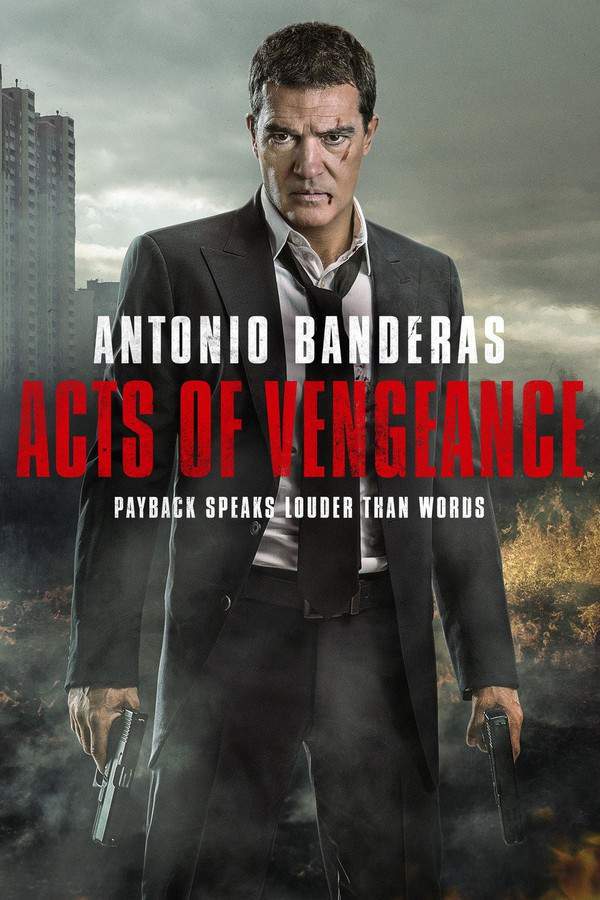
Acts Of Vengeance
2017

The Victim
1980

Highlander: Endgame
2000

Love and Honor
2006

Battle Cry
1955

Rurouni Kenshin: The Final
2021

Señorita Justice
2004

A Prayer for the Dying
1987

Absolute Justice
2014
Narrative Summary
Stories in this thread follow a protagonist through a difficult, emotionally taxing journey where they must make great personal sacrifices—be it their freedom, relationships, or innocence—to achieve a greater good. The climax resolves the central conflict, but the aftermath is tinged with melancholy, acknowledging the price paid for that resolution.
Why These Movies?
These films are connected by their emotionally complex endings that balance triumph with tragedy. They share a heavy emotional weight, explore themes of sacrifice, and deliver a viewing experience that is satisfying yet sobering, rather than purely celebratory.
Unlock the Full Story of Aagadu
Don't stop at just watching - explore Aagadu in full detail. From the complete plot summary and scene-by-scene timeline to character breakdowns, thematic analysis, and a deep dive into the ending - every page helps you truly understand what Aagadu is all about. Plus, discover what's next after the movie.
Aagadu Timeline
Track the full timeline of Aagadu with every major event arranged chronologically. Perfect for decoding non-linear storytelling, flashbacks, or parallel narratives with a clear scene-by-scene breakdown.

Characters, Settings & Themes in Aagadu
Discover the characters, locations, and core themes that shape Aagadu. Get insights into symbolic elements, setting significance, and deeper narrative meaning - ideal for thematic analysis and movie breakdowns.


