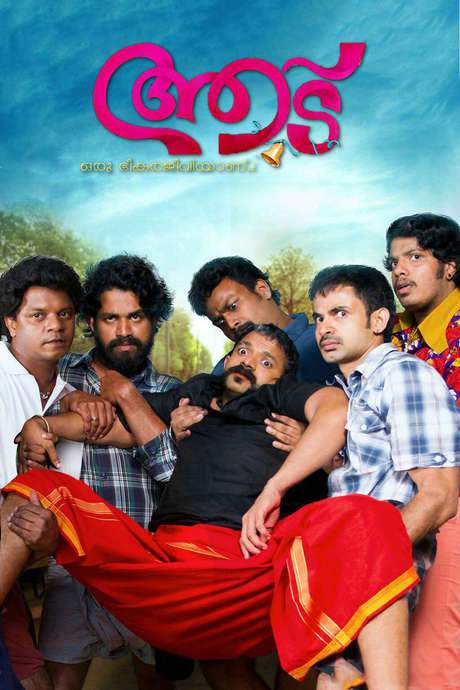
Aadu
Year: 2015
Runtime: 141 mins
Language: Malayalam
Director: Midhun Manuel Thomas
Shaji Pappan and his gang celebrate a victory in a local tug-of-war tournament with a playful goat named Pinky. However, their attempts to get rid of the mischievous animal inadvertently interfere with a group of smugglers searching for the valuable 'Neelakodiveli'. Chaos and unexpected adventures ensue as the goat's antics complicate the smugglers' plans and lead to a series of comical situations.
Warning: spoilers below!
Haven’t seen Aadu yet? This summary contains major spoilers. Bookmark the page, watch the movie, and come back for the full breakdown. If you're ready, scroll on and relive the story!
Aadu (2015) – Full Plot Summary & Ending Explained
Read the complete plot breakdown of Aadu (2015), including all key story events, major twists, and the ending explained in detail. Discover what really happened, and what it all means.
In Bangkok, a gangster named Dude is tasked by his boss to hunt down and deliver a legendary plant, the Neelakoduveli, a herb whispered to bring eternal fortune to its bearer. The mission kicks off with a sense of danger and a hint of superstition, as the pursuit threads its way through shadowy deals and coded loyalties. The film sets a brisk rhythm, flipping between the neon-lit streets of Bangkok and the rugged expanse of Kerala, where the stakes feel both larger than life and dangerously personal. The search for the herb becomes a catalyst that draws in a wide web of characters, each with their own motives, alliances, and hidden agendas. At the center of the Bangkok segment is High Range Hakkim, a figure who moves quietly through the murky world of power and profit, his presence signaling that this quest is about more than just a plant—it’s about control, survival, and the lines people are willing to cross.
Back in the High Range area of Idukki, Shaji Pappan and his friends rally around a local tug-of-war tournament, where the prize is an unusual “trophy”—a female goat they affectionately call Pinky. The group, led by Shaji, pushes through their own personal trials, including Shaji’s long-standing back problems and a complicated history with women stemming from his wife’s elopement with a driver. The goats’ fate hangs over their heads like a running joke that never quite lands as a joke, because the impending feast and the prospect of money weigh heavily on every decision. When Pinky is brought into the van, the group negotiates a temporary truce with Abu, one of Shaji’s teammates who agrees to slaughter the goat later for a feast, believing the act will settle old wounds and ease tensions. Yet, Abu struggles with the idea of killing Pinky, foreshadowing deeper conflict and raising questions about loyalty, compassion, and the price of convenience.
As tension thickens, Inspector Sarbath Shameer arrives on the scene. A quirky and fearless cop known for his unorthodox methods, Shameer is determined to get to the bottom of the alleged animal abuse case brought by Menaka Kanthan, an impassioned animal welfare activist who arrives with a sharp eye for injustice and a voice that cannot be ignored. Her intervention adds legal pressure and moral scrutiny to the group’s escapades, turning a rural road trip into a high-stakes confrontation where public opinion and law enforcement intersect. Around this time, the aging political veteran P.P Sasi makes a rash public misstep, disclosing murders tied to his faction, forcing him to disappear into the shadows to dodge accountability. The tension between old power and new demands for accountability ripples through the landscape, complicating every plan and widening the cast of interested parties.
Dude and his crew reach Kerala with a fresh plan: retrieve the Neelakkoduveli from the high-profile drug lord Sathan Xavior, who controls a dangerous network in the High Range. To do so, they strike a deal with a smaller-time dealer named Kanjavu Soman to locate and obtain the herb from Xavier. The scheme spirals when the trunk that should carry Neelakkoduveli is hijacked by masked assailants driving a van similar to Shaji’s own vehicle. The misdirection sows confusion and mistrust, as Dude’s men seize Abu and Pinky, treating them as bargaining chips. In the chaos, the true thief reveals himself: [High Range Hakkim], [P.P Sasi]’s right-hand man, who saw an opportunity to seize the herb for his own profit. The plan’s unraveling underscores the film’s core theme: trust is fragile in a world where power and money motive people to betray friends and family.
With the truth out in the open, Shaji is forced to improvise. He reaches out to his estranged elder brother, Thomas Paappan, whose archaic rifles and old-school bravado offer a glimmer of hope in a desperate moment. The group arms up, not with precision weapons but with vintage, almost ceremonial firearms that fail to live up to expectations. Still, the makeshift arsenal and the sheer will of the team allow them to push back against Dude’s heavily armed crew and mount a daring rescue to recover Abu and Pinky. The confrontation culminates in Shameer and his team arriving on the scene, apprehending Dude, the stolen trunk, and also exposing Sasi’s hidden whereabouts. When the trunk is opened, it reveals cow dung instead of the promised herb, a shocking and almost farcical twist that underscores how convoluted and ethically tangled the caper has become.
The truth finally comes out: Soman had swapped the trunk with a decoy filled with dung from the outset. As he attempts to flee, he falls into a pit, the decoy’s contents scattering in the dust. In a surprising turn, the actual Neelakoduveli is consumed by [Pinky], whose luck and energy appear to surge through her once the herb takes effect. The moment is both absurd and oddly hopeful, suggesting that the herb’s magic might be less about fortune and more about the belief and vitality it injects into those who dare to seek it. With the immediate danger dissipated, Shaji negotiates a final, morally ambiguous win: he sells Pinky to a butcher. Yet, watching the emotional tremor pass over his face as he contemplates the fate of his unlikely prize, he feels a pang of sympathy. In a small, quiet act of defiance or perhaps sentimentality, he calls Pinky back. The closing beat hints at a fragile future for him, as the butcher’s daughter, also named Pinky, responds to Shaji’s call, and a new, unspoken romance begins to bloom between Shaji Pappan and the girl who shares the same name as the prize. The film closes on a note that blends humor, heartbreak, and a sense that life in the High Range and beyond remains full of unpredictable twists, where loyalty, luck, and the allure of a mysterious herb continue to pull people toward the next uncertain quest.
Last updated: October 09, 2025 at 15:54
Aadu (2015) Plot Questions Answered – Summary FAQ
Explore frequently asked questions about Aadu (2015) with spoiler-rich answers covering the full plot summary, major story beats, character motivations, hidden details, and ending meaning. This movie summary FAQ helps explain confusing scenes, plot twists, and narrative decisions in clear, searchable detail.
Why is Dude hired to find Neelakoduveli?
Dude is tasked by his boss in Bangkok to locate and deliver the Neelakoduveli, a legendary herb whispered to bring eternal fortune to its bearer. The mission sets the entire plot in motion, driving Dude's cross-country journey from Bangkok to Kerala's High Range where the herb has ended up with drug lord Sathan Xavior.
Why does Abu hesitate to kill Pinky?
Abu cannot bring himself to slaughter Pinky despite agreeing to do so for a feast. This hesitation reveals his moral compass and compassion, foreshadowing the larger conflict where he himself becomes a hostage. His reluctance highlights the tension between the group's practical needs and their ethical boundaries.
The foreshadowing is explicit in the summary: Abu struggles with the idea of killing Pinky, foreshadowing deeper conflict.
Why does Inspector Shameer confront Shaji and his group?
Inspector Sarbath Shameer stops Shaji's van because animal welfare activist Menaka Kanthan has filed a complaint accusing them of animal cruelty against Pinky. This encounter introduces legal pressure into their journey and forces the group to deal with law enforcement while already transporting a goat they intend to slaughter.
Who actually steals the trunk containing Neelakoduveli?
The trunk is stolen by High Range Hakkim, who is P.P. Sasi's right-hand man. He seizes the opportunity to steal the herb for his own profit while making it look like Shaji's group was responsible. This betrayal by someone within the criminal network adds to the film's theme that trust is fragile when money and power are at stake.
Why is the trunk filled with cow dung instead of the herb?
The trunk contains cow dung because Kanjavu Soman had swapped the original trunk containing Neelakoduveli with a decoy filled with dung from the very beginning. When Soman attempts to flee after the truth is revealed, he falls into a pit and the decoy contents scatter, completing the absurd twist.
Where does the real Neelakoduveli end up?
The actual Neelakoduveli is consumed by Pinky the goat, who eats it unknowingly during the chaos after the trunk is opened. Once the herb takes effect, Pinky's luck and energy surge dramatically, turning the goat into an unlikely vessel of the legendary fortune.
Why does Shaji sell Pinky to the butcher but then call her back?
Shaji sells Pinky to a butcher as a practical way to end the trouble the goat has caused, but feels a sudden pang of sympathy watching the emotional tremor pass over his face. When he calls Pinky back, the butcher's daughter also named Pinky responds, hinting at a budding romance between Shaji and the girl, leaving the ending bittersweet.
Why don't Thomas's rifles work properly?
Shaji's estranged elder brother Thomas provides the group with archaic, vintage rifles that are essentially dud pistols, old ceremonial firearms that fail to live up to expectations in combat. Despite being ineffective weapons, they provide symbolic hope and a psychological boost as the team attempts to rescue Abu and Pinky.
How do the Bangkok and Kerala plotlines connect?
Both storylines revolve around the quest for Neelakoduveli. Dude travels from Bangkok to Kerala specifically to retrieve the herb from drug lord Sathan Xavior, who controls it in the High Range region. The Kerala storyline with Shaji's gang becomes entangled with this criminal pursuit when their van is mistaken for the thieves' vehicle, ultimately bringing both plots together.
Why is P.P. Sasi forced to escape?
P.P. Sasi, an aging political veteran, makes a rash public misstep by disclosing murders tied to his political faction. Facing accountability, he is forced to disappear into the shadows while his right-hand man High Range Hakkim continues operations. His escape adds political intrigue and widens the cast of interested parties competing for the herb.
Why does Shaji Pappan have trust issues with women?
Shaji harbors a complicated history with women stemming from his wife's elopement with a driver. This past betrayal makes him wary and creates vulnerability beneath his leadership role in the tug-of-war team. His emotional guard adds depth to his character and makes his eventual connection with the butcher's daughter more meaningful.
Why does Pinky the goat become so important to the story?
Pinky starts as a prize trophy from a tug-of-war tournament but becomes central to every major conflict. She causes the initial dispute about slaughter, triggers the animal cruelty case, becomes a hostage in the ransom scheme, inadvertently consumes the legendary herb, and ultimately brings Shaji emotional resolution through the butcher's daughter who shares her name.

Explore Movie Threads
Discover curated groups of movies connected by mood, themes, and story style. Browse collections built around emotion, atmosphere, and narrative focus to easily find films that match what you feel like watching right now.
Whimsical Caper Chaos Movies like Aadu
Lighthearted adventures where chaotic events spiral from a simple mistake.If you enjoyed the absurd chaos of Aadu, you'll like these movies featuring whimsical capers and comedic spirals. Find similar films with fast-paced humor, mischievous antics, and stories where a small event triggers a chain reaction of hilarious, unpredictable adventures.
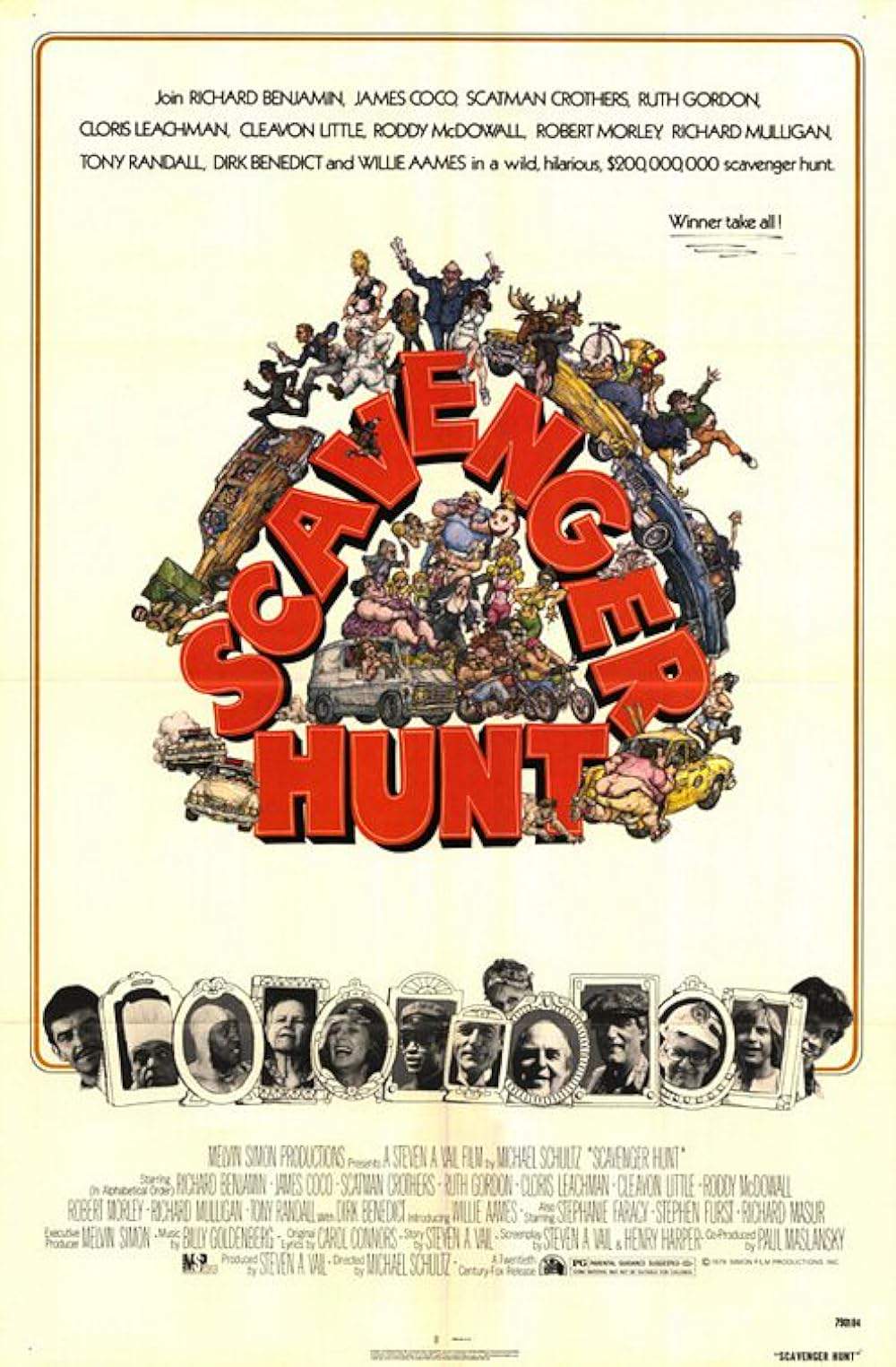
Scavenger Hunt
1979

Bedlam in Paradise
1955

Animal Crackers
1930

Fierce Creatures
1997
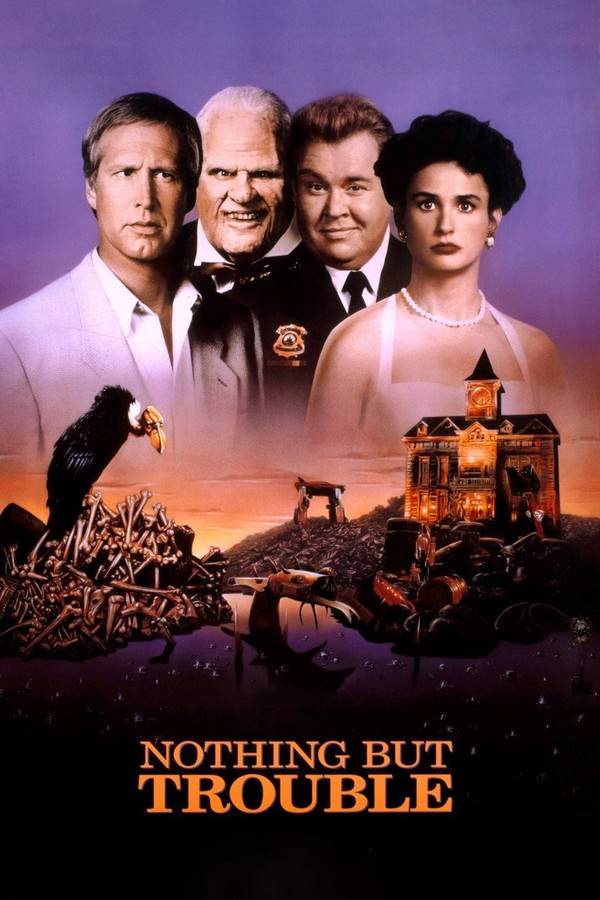
Nothing But Trouble
1991

Pure Luck
1991

The Sin of Harold Diddlebock
1947

The Adventure of Sherlock Holmes’ Smarter Brother
1975
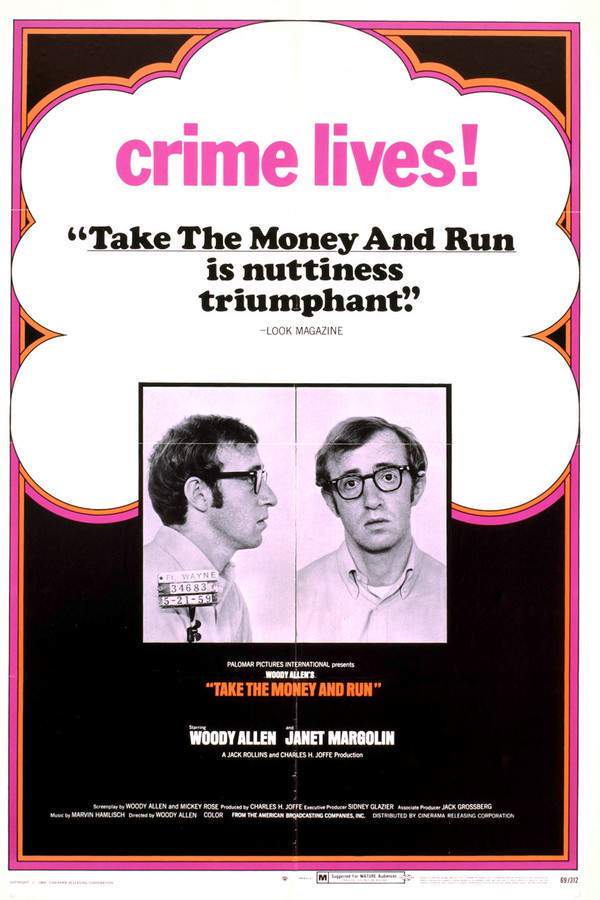
Take the Money and Run
1970

Penelope
1966
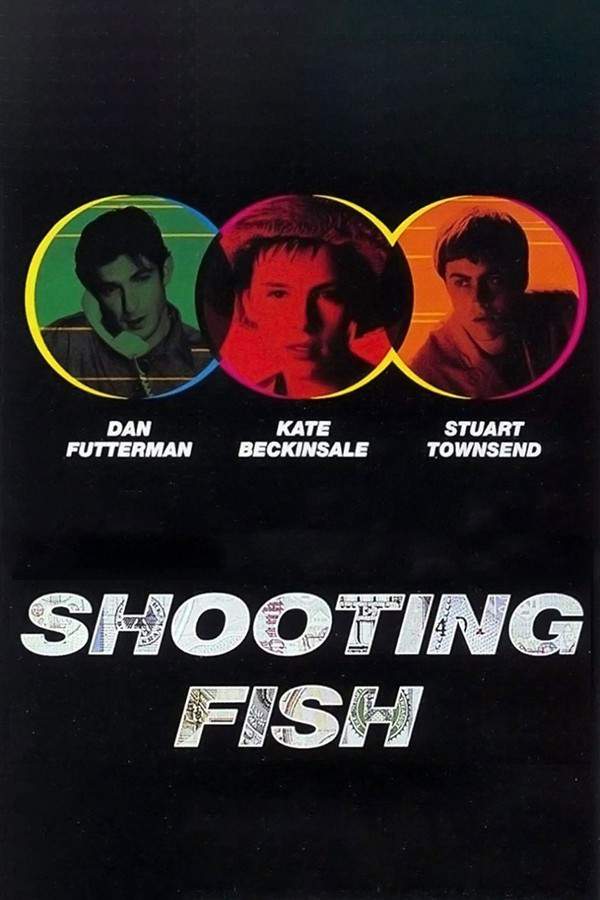
Shooting Fish
1998

The Perils of Pauline
1967
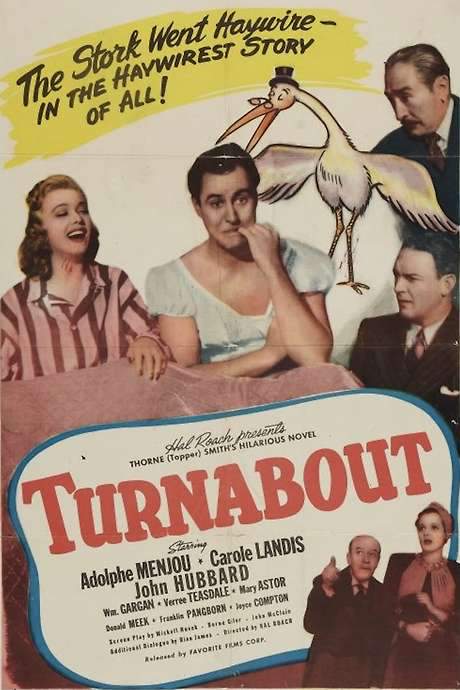
Turnabout
1940
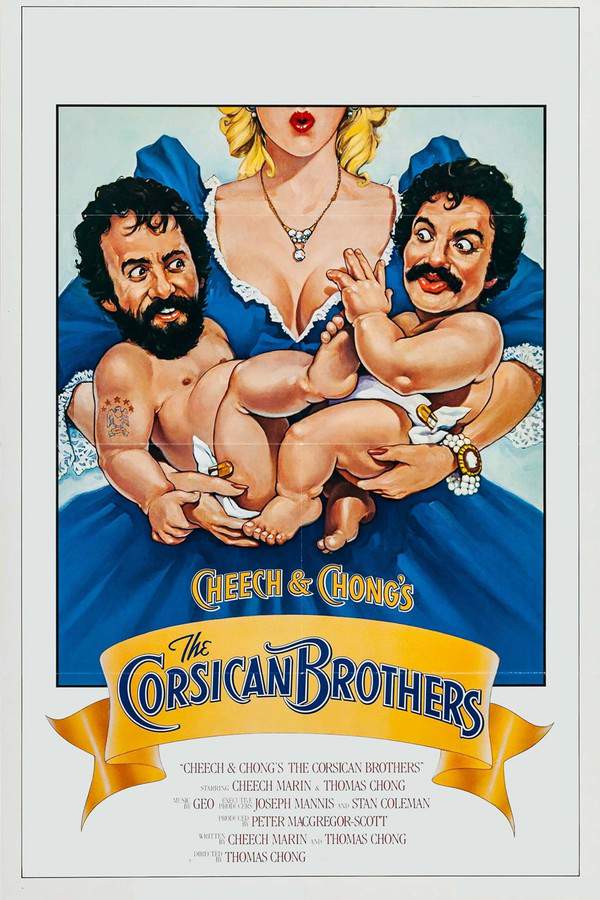
Cheech & Chong's The Corsican Brothers
1984

Wasabi Tuna
2005
Narrative Summary
These stories often begin with a small, seemingly insignificant event or object that inadvertently triggers a large-scale conflict, typically involving bumbling criminals or rival factions. The plot unfolds through a rapid series of comedic misunderstandings and escalating mishaps, propelled by a quirky or accidental protagonist.
Why These Movies?
They are grouped by their shared core of lighthearted, whimsical tone, fast-paced comedic pacing, and a narrative structure built on escalating chaos. The emotional experience is consistently fun and unserious, prioritizing clever absurdity over genuine tension or drama.
Small-Town Misadventure Movies similar to Aadu
Quirky characters in close-knit communities stumble into unexpected adventures.Fans of Aadu's rural setting and local gang dynamics will enjoy these small-town misadventure films. Discover movies like Aadu that blend quirky communities, local rivalries, and comedies where quirky characters get tangled in larger-than-life situations within a familiar, close-knit world.

Pottersville
2017

Small Time Crooks
2000

Corner Gas: The Movie
2014

It Happens Every Thursday
1953
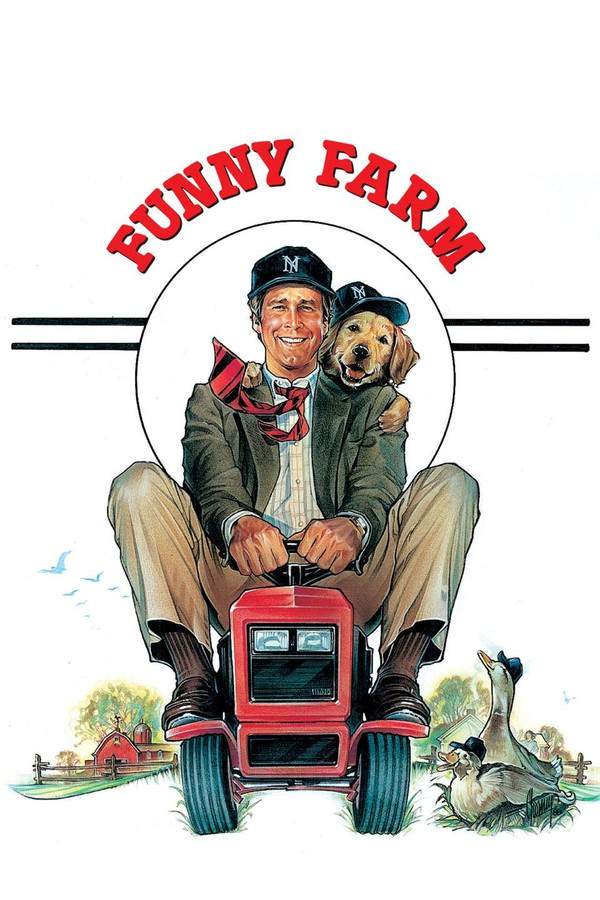
Funny Farm
1988
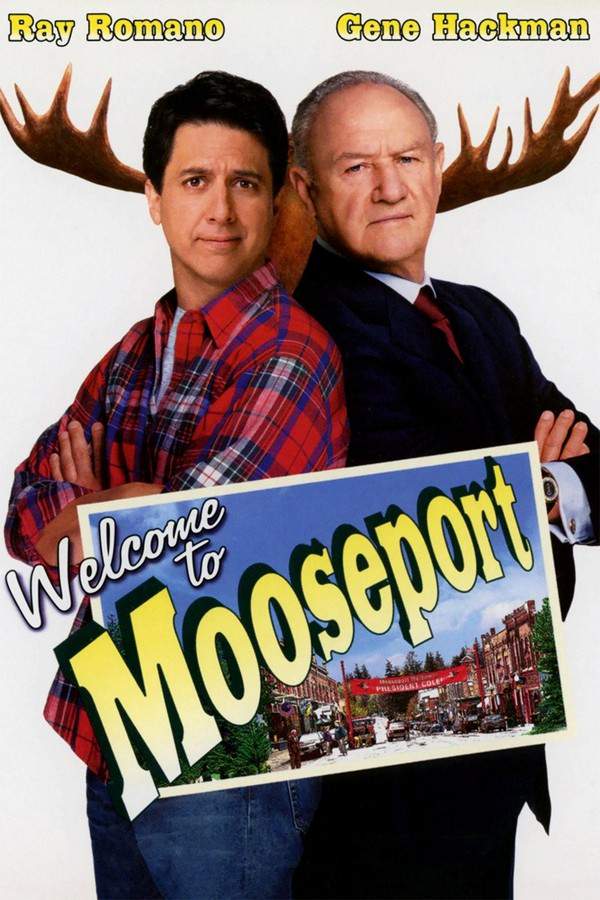
Welcome to Mooseport
2004

From the Village to the City
1974
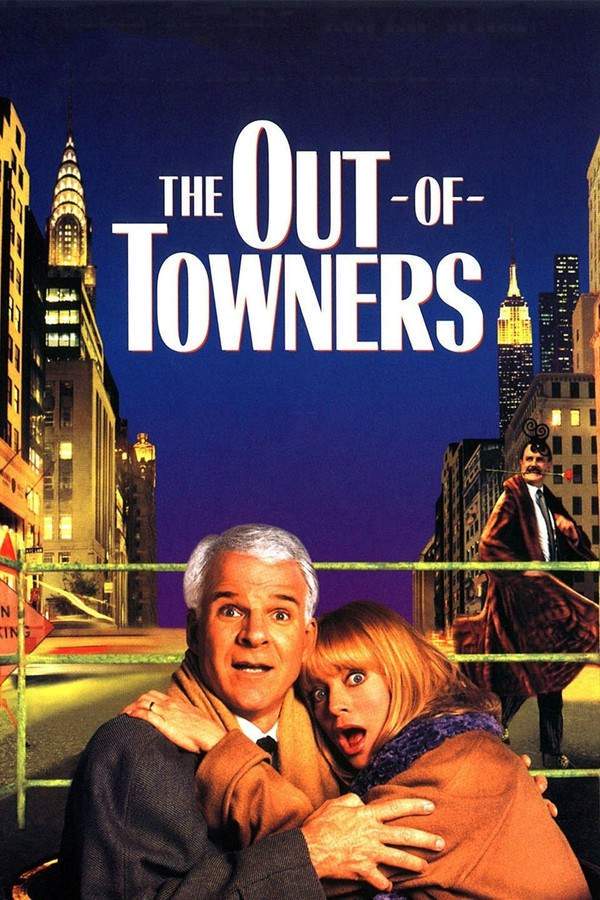
The Out of Towners
1970

Ma and Pa Kettle Go to Town
1950

Welcome to Collinwood
2002

The Amateurs
2007

Return to Mayberry
1986
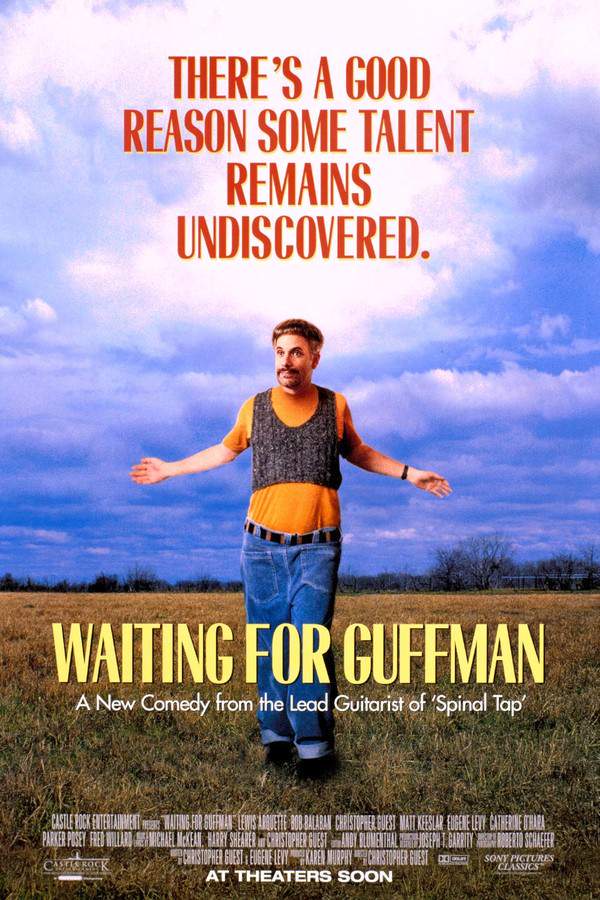
Waiting for Guffman
1997

The Smallest Show on Earth
1957
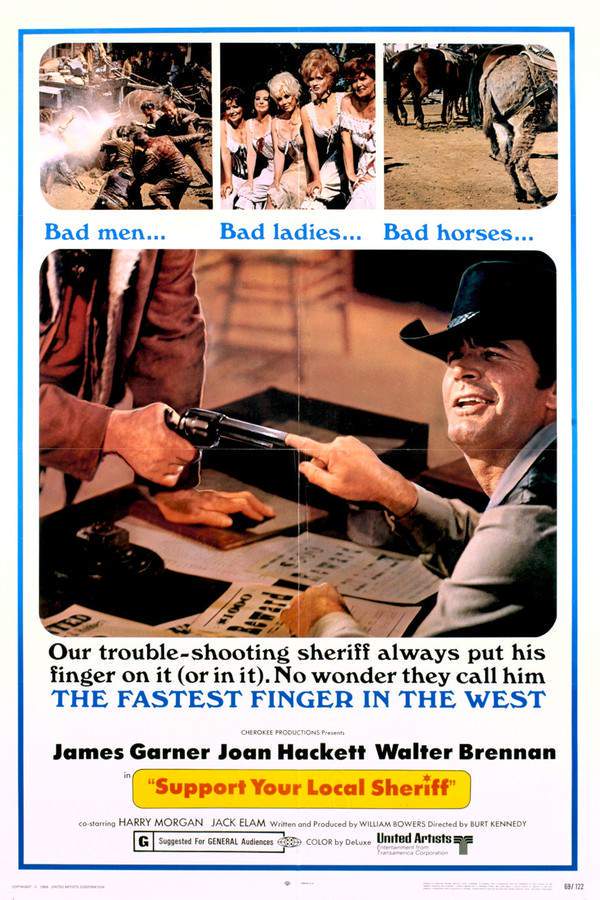
Support Your Local Sheriff!
1969
Narrative Summary
The narrative centers on a specific community as a character itself. Protagonists are often well-known local figures whose personal endeavors—whether a celebration, a feud, or a get-rich-quick scheme—accidentally intersect with a larger, more dangerous plot, forcing the whole town to react in comical or heartfelt ways.
Why These Movies?
These films share a focus on community dynamics, a rural or provincial setting that shapes the story's mood, and a blend of local color with absurd external conflicts. The tone balances affection for its characters with satire of small-town life, creating a uniquely charming vibe.
Unlock the Full Story of Aadu
Don't stop at just watching - explore Aadu in full detail. From the complete plot summary and scene-by-scene timeline to character breakdowns, thematic analysis, and a deep dive into the ending - every page helps you truly understand what Aadu is all about. Plus, discover what's next after the movie.
Aadu Timeline
Track the full timeline of Aadu with every major event arranged chronologically. Perfect for decoding non-linear storytelling, flashbacks, or parallel narratives with a clear scene-by-scene breakdown.

Characters, Settings & Themes in Aadu
Discover the characters, locations, and core themes that shape Aadu. Get insights into symbolic elements, setting significance, and deeper narrative meaning - ideal for thematic analysis and movie breakdowns.


