Year: 1940
Runtime: 77 mins
Language: English
Director: Herbert Mason
After seeing what appears to be a murder, a man discovers the crime is an elaborate illusion performed by a charismatic magician and his wife. The magician’s obsessive jealousy drives him to kill his spouse, plunging the discontented husband into a tangled web of deception and danger far beyond what he imagined.
Warning: spoilers below!
Haven’t seen A Window in London yet? This summary contains major spoilers. Bookmark the page, watch the movie, and come back for the full breakdown. If you're ready, scroll on and relive the story!
Read the complete plot breakdown of A Window in London (1940), including all key story events, major twists, and the ending explained in detail. Discover what really happened—and what it all means.
Pat Thompson, Patricia Roc works as a hotel switchboard operator at an exclusive London block (the exterior shot is at Dolphin Square). She finishes a late night shift exhausted, forgetting to place an alarm call for a client. She heads home to her new husband, Peter Thompson, Michael Redgrave, a crane operator who spends his days on the construction of Waterloo Bridge. The couple are clearly in love, sharing a quiet happiness, yet their days rarely overlap. Peter’s crew teases him about his “night starvation” as he writes off his wife’s nocturnal routine, and the couple’s time together remains precious but limited.
One morning on the Tube, a moment that feels out of place shatters the calm: Peter witnesses what looks like a murder in a balcony scene—a man stabbing a woman. His curiosity pulls him toward the apartment where the incident occurred, accompanied by a policeman. Inside, the man, Louie Zoltini, Paul Lukas, a sharp-tongued magician, and his wife, Vivienne Zoltini, Sally Gray, claim they were merely rehearsing an stage illusion. Peter, earnestly trying to help, offers Zoltini some money to ease any “problems,” and even takes the dummy knife as a souvenir. The officer notes Peter’s name and address so the inspector can thank him later. But once Peter steps away, a quarrel erupts between him and Zoltini over the truth of what happened, souring the moment and foreshadowing trouble.
That afternoon Peter’s presence becomes the subject of gossip when a reporter tries to flog a sensational story. A photograph of Peter surfaces in the evening paper, framing him as a hero who intervened in what appeared to be a real crime. Yet his workmates see the dummy knife and mock him, blurring the line between courage and foolish publicity. After a day of mixed signals, Peter goes to see Zoltini, only to find Vivienne in his dressing room. She invites him to see their show that night. When Zoltini arrives later, he is furious at Peter’s perceived meddling and accuses him of overstepping boundaries.
The night wears on, and Pat’s alarm call still hasn’t been placed. Meanwhile, Max Preston, an impresario who is smitten with Vivienne, offers to take her away and secure her bigger opportunities. Peter arrives backstage to collect a free ticket, and the tension between Zoltini and Peter resurfaces. Zoltini’s jealousy converges with Vivienne’s ambition as another quarrel erupts, culminating in Zoltini striking Vivienne just before a performance. In the finale, Vivienne is supposed to vanish and reappear in a trunk as part of Zoltini’s signature trick. She disappears, but does not reappear in the trunk, leaving the audience and management aghast and leading to a chastening dismissal of Zoltini.
Vivienne doesn’t stay put. She slips away with Peter, and the two sneak off to the crane on Waterloo Bridge for a private moment, sharing a kiss while Pat, stuck at home, wakes to the sounds of the night. The night watchman nearby hears the disturbance and the lovers hurry off before dawn. Pat’s misfortune deepens as Pat is fired for her supposed shortcomings the night before.
Hurt and angry, Zoltini vows revenge and heads to a cafe where a taxi driver is supposedly waiting with information. In the meantime, Max Preston puts on a show at his nightclub where he keeps Vivienne close and uses a hostess to tease Peter, who has become intoxicated on champagne. Vivienne realizes she has left her handbag somewhere in the crane and asks Peter to retrieve it. The night watchman finds the bag and returns it to Peter, who now feels a strange mix of relief and dread. Zoltini appears, recognizes the handbag as Vivienne’s, and attacks Peter. The struggle ends with Zoltini plunging into the river and appearing unconscious, leaving Peter to believe he has killed the man.
Back at the nightclub, Vivienne signs a contract with Max for a big break, while Peter confesses to the crowd that he has ended up killing someone. The guest who had missed his flight—leaving on a later, doomed plane—finds a cruel satisfaction in the crash that followed, which leads the hotel manager to rehire Pat for a day job as compensation for the earlier mishap. Peter wanders the streets in a daze, while Pat returns home with a renewed sense of purpose and hope for employment.
The night’s emotional pendulum swings again when the river police eventually pull Zoltini from the water, alive but shaken. Zoltini and Vivienne briefly reconcile, and Pat and Peter begin to settle into a fragile normalcy, buoyed by their own small triumphs. Yet the tale’s tension remains unresolved. As Pat and Peter ride the Tube past their window, a new truth looms: Zoltini discovers Vivienne’s contract and a ticket to New York tucked in her purse—placed there by Max—and he shoots her, leaving her body in a position where it cannot be seen as the train passes. The shock of that moment sticks with Peter: it marks the point where everything began, and it casts a long shadow over the couple’s attempt at happiness.
In the end, the film lingers on a stark reminder of how one night’s choices ripple through a tight-knit circle of lives. The intertwined fates of Pat, Peter, Vivienne, and Zoltini reveal how ambition, passion, luck, and a string of misread moments can push ordinary people toward extraordinary consequences. Through a blend of suspense, private longing, and urban noir atmosphere, the story unfolds as a cautionary tale about trust, fame, and the unpredictable cost of staying together when the world around you refuses to stand still.
Last Updated: October 09, 2025 at 09:31
Discover curated groups of movies connected by mood, themes, and story style. Browse collections built around emotion, atmosphere, and narrative focus to easily find films that match what you feel like watching right now.
Stories where ordinary lives are ensnared by cynical twists of fate.If you liked the tense, fate-driven plot of A Window in London, explore more movies like it. These similar thrillers feature ordinary people caught in webs of crime and deception, often set against gritty urban backdrops, where the feeling of inevitable doom creates a gripping, anxious experience.
The narrative pattern typically begins with an innocent bystander witnessing or stumbling into a criminal act. This event pulls them into a downward spiral, pitting them against cunning, often charismatic antagonists. The journey is defined by paranoia, pursuit, and a bleak realization that escaping unscathed is unlikely.
Movies in this thread are grouped by their shared atmosphere of existential dread and their plot structure, which hinges on coincidence and the inescapable nature of consequences. They deliver a consistent experience of high tension, moral gray areas, and a pervasive sense that fate is against the protagonist.
Tales where romantic partnerships are built on dangerous lies and manipulation.For viewers who enjoyed the themes of jealousy and marital deception in A Window in London, this list features similar movies about dangerous relationships built on lies. Discover stories of charismatic but manipulative partners, obsessive love, and the shocking violence that can erupt when illusions are shattered.
These narratives often focus on a central, charismatic but unstable figure—like a performer or con artist—whose need for control and penchant for illusion poisons their closest relationship. The story unfolds as a partner or observer peels back layers of deception, leading to a climactic confrontation where the carefully constructed facade collapses, sometimes with deadly results.
This thread connects films through their deep exploration of themes like jealousy, the performative nature of identity, and the psychological damage of living a lie within a relationship. They share a heavy emotional weight, a tense tone, and a focus on the destructive potential of hidden truths.
Don't stop at just watching — explore A Window in London in full detail. From the complete plot summary and scene-by-scene timeline to character breakdowns, thematic analysis, and a deep dive into the ending — every page helps you truly understand what A Window in London is all about. Plus, discover what's next after the movie.
Track the full timeline of A Window in London with every major event arranged chronologically. Perfect for decoding non-linear storytelling, flashbacks, or parallel narratives with a clear scene-by-scene breakdown.
Discover the characters, locations, and core themes that shape A Window in London. Get insights into symbolic elements, setting significance, and deeper narrative meaning — ideal for thematic analysis and movie breakdowns.
Get a quick, spoiler-free overview of A Window in London that covers the main plot points and key details without revealing any major twists or spoilers. Perfect for those who want to know what to expect before diving in.
Visit What's After the Movie to explore more about A Window in London: box office results, cast and crew info, production details, post-credit scenes, and external links — all in one place for movie fans and researchers.
Discover movies like A Window in London that share similar genres, themes, and storytelling elements. Whether you’re drawn to the atmosphere, character arcs, or plot structure, these curated recommendations will help you explore more films you’ll love.
A Window in London (1940) Scene-by-Scene Movie Timeline
A Window in London (1940) Movie Characters, Themes & Settings
A Window in London (1940) Spoiler-Free Summary & Key Flow
Movies Like A Window in London – Similar Titles You’ll Enjoy
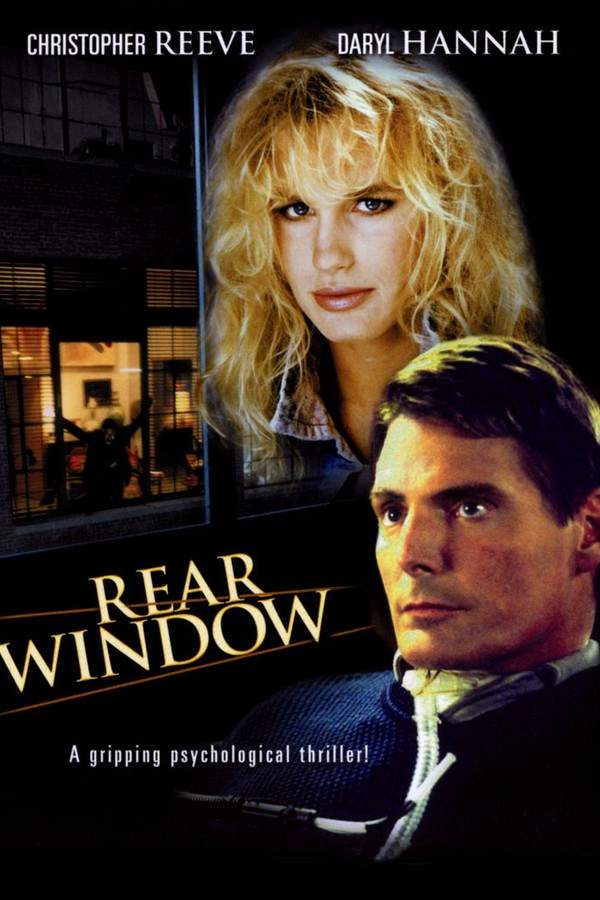
Rear Window (1954) Ending Explained & Film Insights
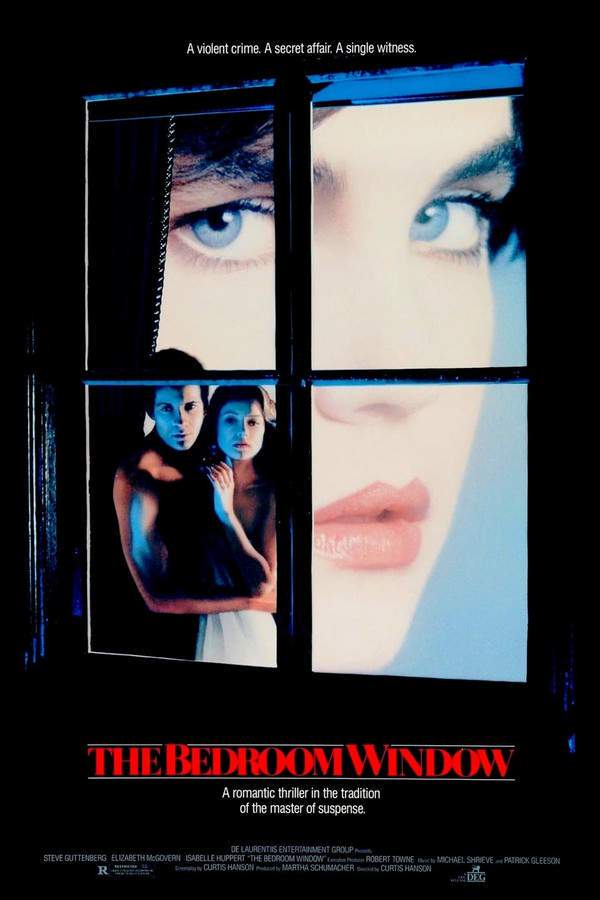
The Bedroom Window (1987) Story Summary & Characters
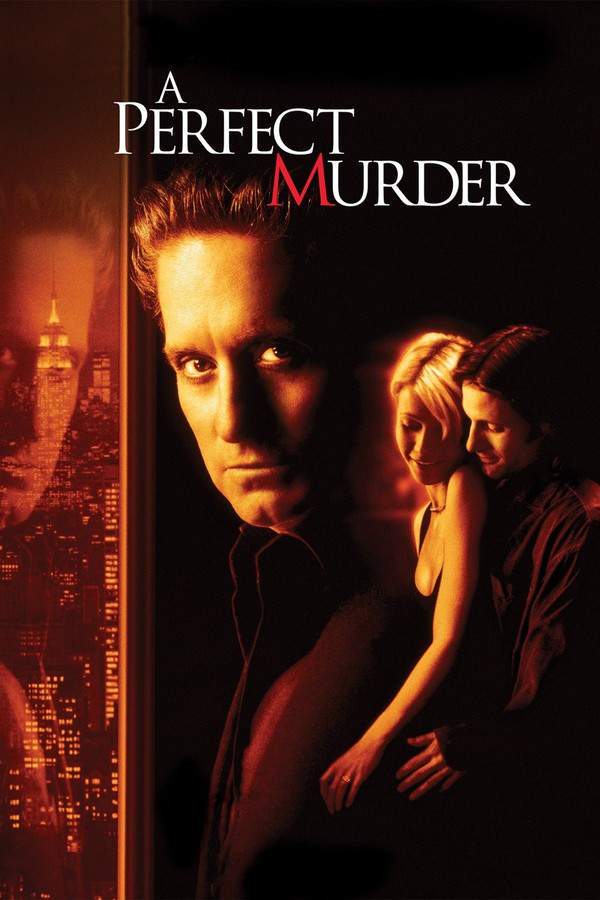
A Perfect Murder (1998) Spoiler-Packed Plot Recap
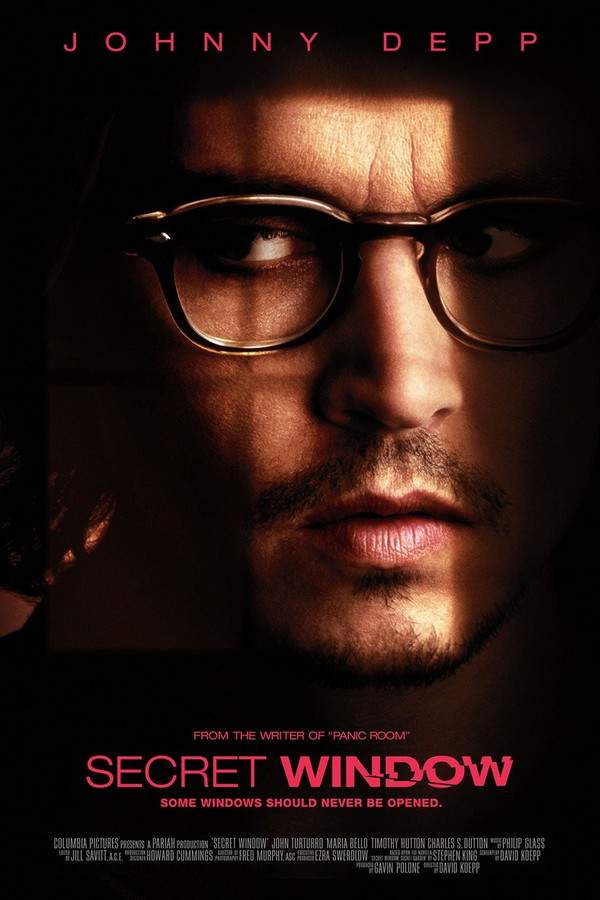
Secret Window (2004) Plot Summary & Ending Explained
Mr In-Between (2001) Movie Recap & Themes
Deadly Illusion (1987) Plot Summary & Ending Explained
The Monster of London City (1964) Full Summary & Key Details
Fingers at the Window (1942) Detailed Story Recap
The Upturned Glass (1947) Detailed Story Recap
The Woman in the Window (1944) Plot Summary & Ending Explained
The London Man (1943) Story Summary & Characters
The Man with the Glass Eye (1969) Movie Recap & Themes
The Window (1949) Story Summary & Characters
Man in the Attic (1953) Complete Plot Breakdown
The Window Gossip (1956) Story Summary & Characters