
A House Built on Water
Year: 2002
Runtime: 111 mins
Language: Persian
Director: Bahman Farmanara
After a long exile, Bahman Farmanara offers a drama about Dr. Reza Sepidbakht, a Tehran gynecologist who thinks he strikes an angel on a night drive with call girl. The next day he meets a comatose boy who memorized the Qur’an, prompting Reza to rethink strained ties with aging father, wayward son and women he has wronged, seeking guidance when the boy awakens.
Warning: spoilers below!
Haven’t seen A House Built on Water yet? This summary contains major spoilers. Bookmark the page, watch the movie, and come back for the full breakdown. If you're ready, scroll on and relive the story!
Timeline & Setting – A House Built on Water (2002)
Explore the full timeline and setting of A House Built on Water (2002). Follow every major event in chronological order and see how the environment shapes the story, characters, and dramatic tension.
Last updated: October 03, 2025 at 10:24
Main Characters – A House Built on Water (2002)
Meet the key characters of A House Built on Water (2002), with detailed profiles, motivations, and roles in the plot. Understand their emotional journeys and what they reveal about the film’s deeper themes.
Last updated: October 03, 2025 at 10:24
Major Themes – A House Built on Water (2002)
Explore the central themes of A House Built on Water (2002), from psychological, social, and emotional dimensions to philosophical messages. Understand what the film is really saying beneath the surface.
Last updated: October 03, 2025 at 10:24
A House Built on Water (2002) Character & Theme Questions Answered – Info FAQ
Browse frequently asked questions about A House Built on Water (2002) focused on characters, relationships, themes, symbols, setting, and story context. This movie info FAQ gives spoiler-aware explanations for character arcs, world details, and thematic interpretation so readers can better understand what the film is really about.
Where is the movie set?
The film is set in Tehran, the capital of Iran. The story unfolds primarily in hospital corridors and urban neighborhoods, grounding the narrative in the tangible reality of a modern Iranian city navigating contemporary social challenges.
What time period does the film depict?
The narrative takes place in early 2000s Iran, during a period when modern medicine intersected with social taboos. The film was actually made and received recognition at the 2002 Fajr Film Festival, anchoring it firmly in this era.
What does the film say about medicine and morality?
The film explores how a physician's kindness is tested by past mistakes. Dr. Sepidbakht grapples with guilt after harming his secretary-lover's fertility, which complicates his duties as a healer. The story uses medical scenes to probe accountability, trust, and the limits of healing.
How does faith and fate play into the story?
A boy who has memorized the Quran falls into a coma, prompting questions about destiny and belief. The film ties spirituality to medicine, showing how faith can both comfort and complicate treatment, suggesting that fate may guide more than cures in how characters navigate illness and mortality.
What social issues does the film address?
The film casts a critical eye on narcotics among youths, prostitution, and AIDS, illustrating a society under strain. Through the doctor's interactions with patients and loved ones, it reveals how these social ills infiltrate intimate lives, using gritty realism to question institutions and collective responsibility.
Who is Dr. Reza Sepidbakht?
Dr. Reza Sepidbakht is a middle-aged gynecologist whose warmth is shadowed by past mistakes. He navigates loneliness and a fall from grace after causing infertility for his secretary-lover, a decision that haunts both his professional and personal life. Throughout the story, he shows tenderness to patients and loved ones while confronting the limits of medicine in a strained society.
Who is Mojgan Ahadi and what is her connection to Dr. Sepidbakht?
Mojgan Ahadi is the secretary-lover who bears the consequences of the doctor's past deed. Scarred by infertility caused by Dr. Sepidbakht, she embodies themes of forgiveness, resilience, and the cost of mistakes within intimate relationships.
Who is Jale Tirandaz and what role does she play?
Jale Tirandaz is the doctor's ex-beloved who is now a head-nurse undergoing chemotherapy. She embodies both tenderness and the fragility of life, bridging personal history with present hardship and care.
What is Dr. Sepidbakht's relationship with his father like?
Dr. Sepidbakht's father is a weighty paternal figure whose presence lends gravity and lineage to the drama. His relationship with his son anchors the film's exploration of responsibility and tradition within a changing Iranian society.
What is the emotional tone of the film?
The film carries a melancholic tone, focusing on a man's remorse, loneliness, and the quiet sadness permeating his attempts at connection. While it deals with heavy subject matter, its slow, contemplative pacing provides breathing room rather than constant tension.
How would you describe the film's complexity?
The film has moderate complexity, weaving the doctor's personal journey with broader social commentary and a layer of spiritual mystery through the comatose Quran-memorizing boy. Over 90% of the story unfolds in tangible reality, grounding the narrative in a recognizable world of human frailty.

Explore Movie Threads
Discover curated groups of movies connected by mood, themes, and story style. Browse collections built around emotion, atmosphere, and narrative focus to easily find films that match what you feel like watching right now.
Redemptive spiritual journeys like in A House Built on Water
Flawed characters find profound change after a mysterious spiritual event.Explore movies like A House Built on Water where characters on a path of self-destruction are confronted by a spiritual mystery, forcing them to seek redemption. These films share a heavy emotional weight, a melancholic tone, and a focus on personal transformation grounded in a recognizable world.
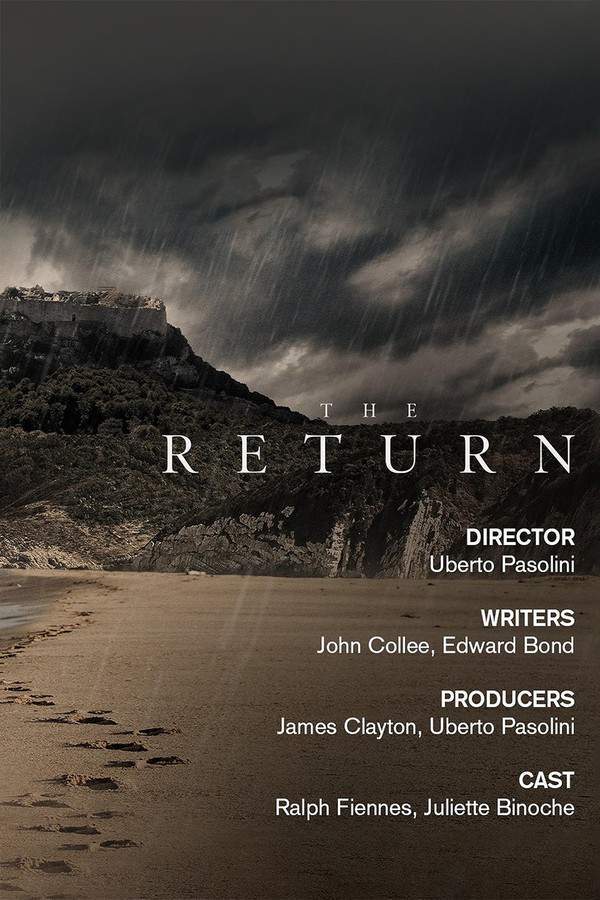
The Return
2004

Silent Light
2009
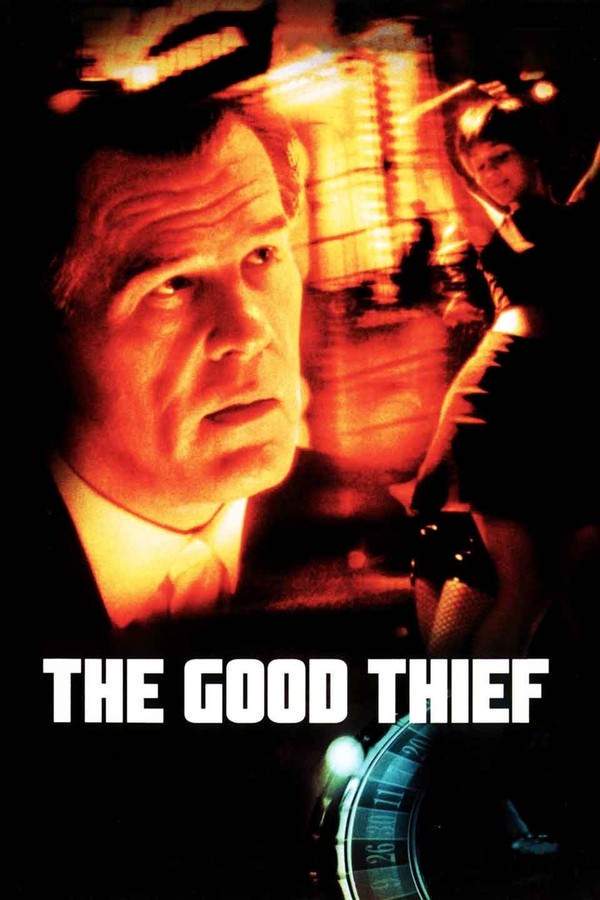
The Good Thief
2003

All Is Forgiven (2007)
2021

Last Days in the Desert
2016

Rabbit Hole
2010
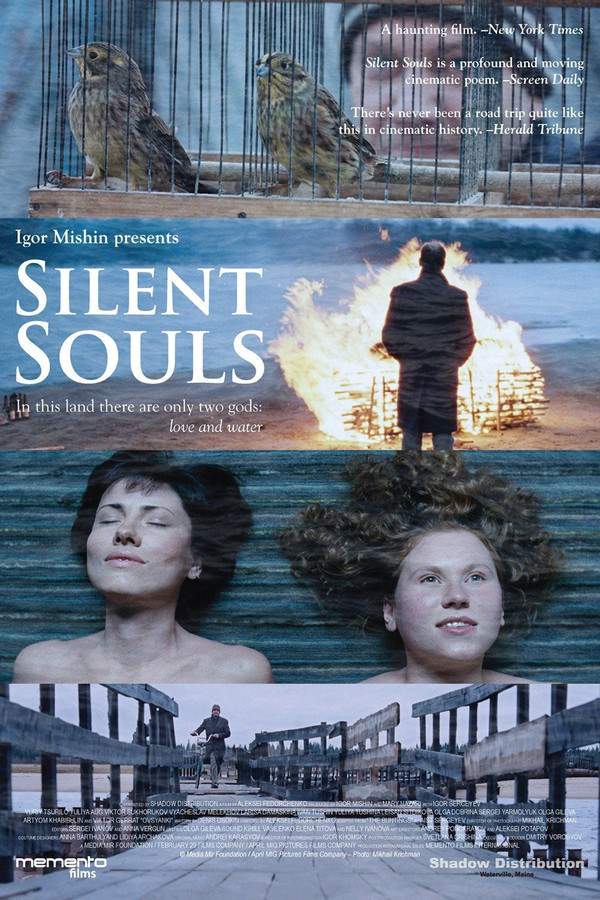
Silent Souls
2011
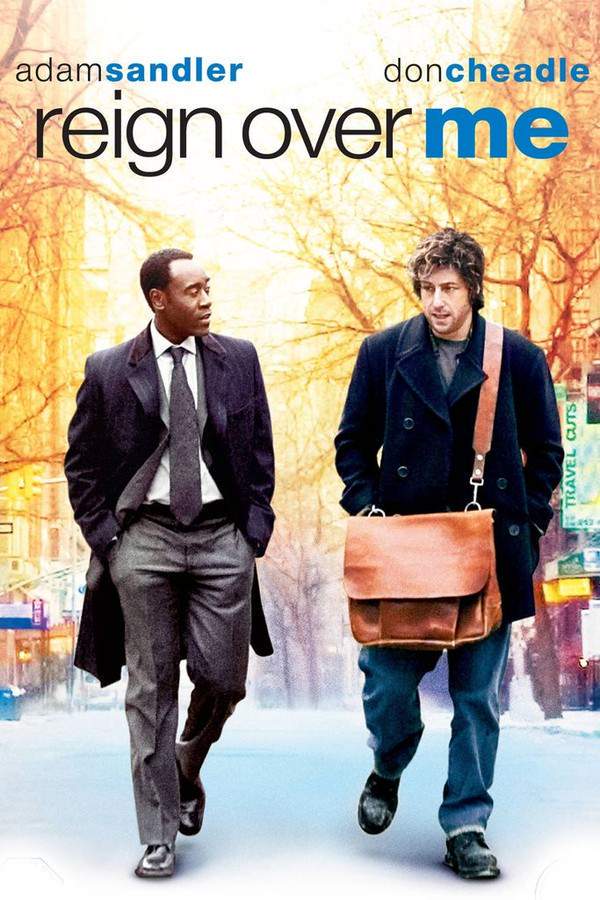
Reign Over Me
2007

Knight of Cups
2016

Strange Weather
2017

The Falls: Testament of Love
2013

On the Path
2010

Red Dirt
2000

Secret Sunshine
2007

Diary of a Country Priest
1951
Narrative Summary
These narratives typically follow a protagonist who is emotionally closed-off, morally compromised, or deeply lonely. A catalyst event—often a surreal encounter, a mysterious person, or an inexplicable phenomenon—disrupts their reality, sparking a slow-burn journey of self-confrontation. The plot focuses less on solving the mystery and more on the internal upheaval and gradual attempts to mend broken relationships.
Why These Movies?
Movies in this thread are grouped by their shared core of a secular character's collision with the spiritual, leading to a heavy, character-driven study of remorse and the possibility of change. They share a melancholic, reflective mood and prioritize emotional depth over plot speed.
Movies about urban loneliness like A House Built on Water
Slow, contemplative studies of isolation and regret within a city's landscape.Discover movies like A House Built on Water that capture the feeling of urban loneliness and a character's contemplative reckoning with their past. These slow-paced, serious dramas often focus on professionals navigating moral crises and strained relationships within a modern city setting.

Distant
2004

Tokyo Sonata
2009
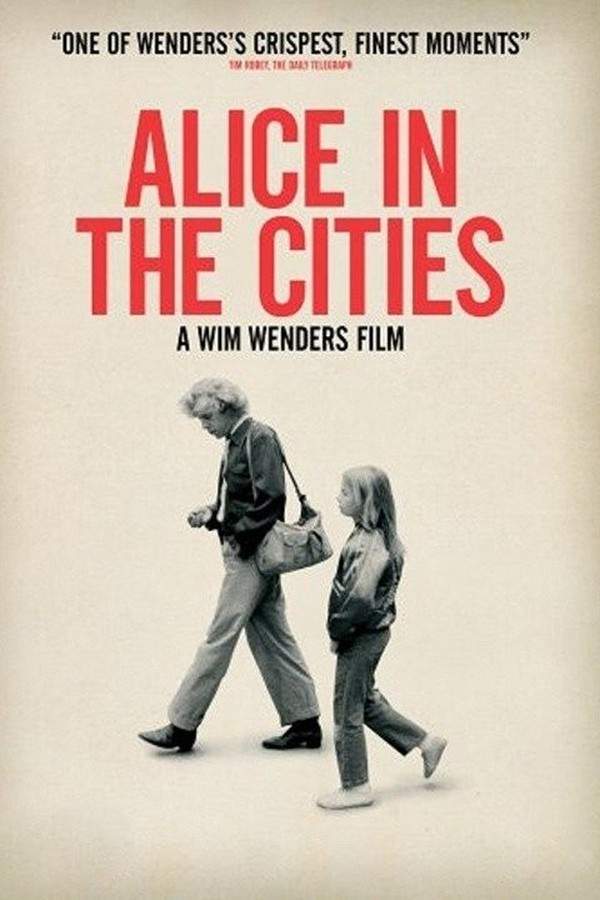
Alice in the Cities
1974

Unknown Pleasures
2003

Aloners
2023

Lost
2005

Medicine for Melancholy
2008
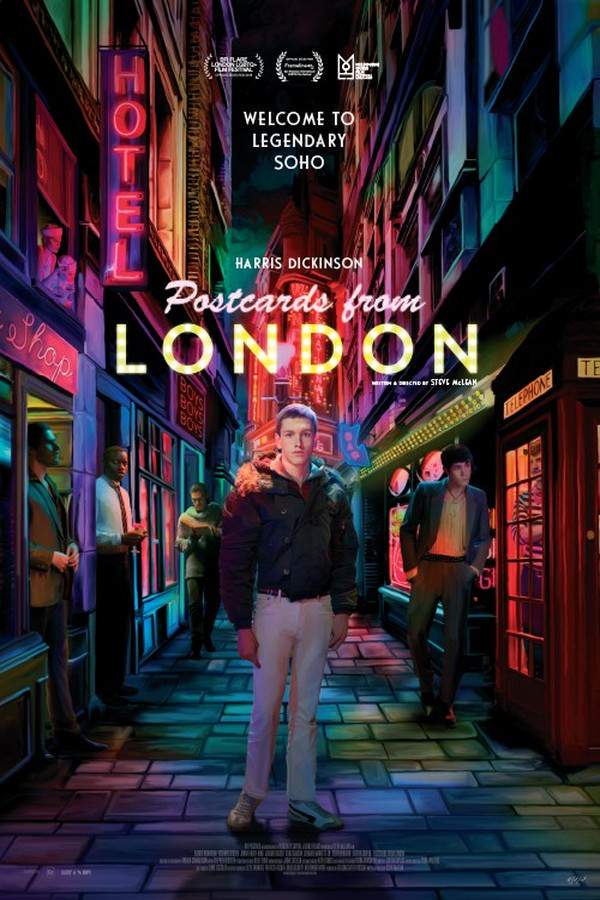
Postcards from London
2018

Things You Can Tell Just by Looking at Her
2000

South Solitary
2010
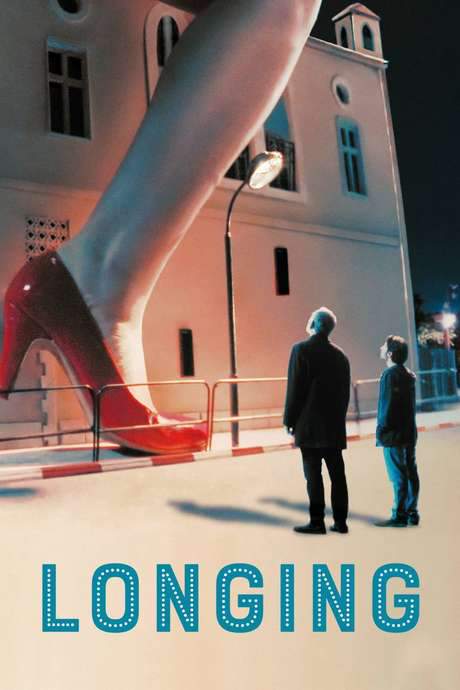
Longing
2017

Dark Illness
1990

Taipei Story
1985

Lisbon Story
1994

Old Boyfriends
1979
Narrative Summary
The narrative pattern is less about a traditional plot and more about an emotional and psychological landscape. A central character, often successful yet emotionally empty, moves through their city environment, which amplifies their sense of alienation. The story is built through vignettes and introspective sequences, examining the weight of their actions on themselves and those around them.
Why These Movies?
These films are connected by their pervasive mood of melancholy and their focus on loneliness as a central theme. They share a slow, observational pacing that allows the audience to feel the protagonist's isolation and a heavy emotional weight derived from themes of addiction, estrangement, and social decay.
Unlock the Full Story of A House Built on Water
Don't stop at just watching - explore A House Built on Water in full detail. From the complete plot summary and scene-by-scene timeline to character breakdowns, thematic analysis, and a deep dive into the ending - every page helps you truly understand what A House Built on Water is all about. Plus, discover what's next after the movie.
A House Built on Water Summary
Read a complete plot summary of A House Built on Water, including all key story points, character arcs, and turning points. This in-depth recap is ideal for understanding the narrative structure or reviewing what happened in the movie.

A House Built on Water Timeline
Track the full timeline of A House Built on Water with every major event arranged chronologically. Perfect for decoding non-linear storytelling, flashbacks, or parallel narratives with a clear scene-by-scene breakdown.


