
A House Built on Water
Year: 2002
Runtime: 111 mins
Language: Persian
Director: Bahman Farmanara
After a long exile, Bahman Farmanara offers a drama about Dr. Reza Sepidbakht, a Tehran gynecologist who thinks he strikes an angel on a night drive with call girl. The next day he meets a comatose boy who memorized the Qur’an, prompting Reza to rethink strained ties with aging father, wayward son and women he has wronged, seeking guidance when the boy awakens.
Warning: spoilers below!
Haven’t seen A House Built on Water yet? This summary contains major spoilers. Bookmark the page, watch the movie, and come back for the full breakdown. If you're ready, scroll on and relive the story!
Timeline – A House Built on Water (2002)
Trace every key event in A House Built on Water (2002) with our detailed, chronological timeline. Perfect for unpacking nonlinear stories, spotting hidden connections, and understanding how each scene builds toward the film’s climax. Whether you're revisiting or decoding for the first time, this timeline gives you the full picture.
Last updated: October 09, 2025 at 16:53
A House Built on Water (2002) Timeline Questions Answered – Chronology FAQ
Find frequently asked questions about the A House Built on Water (2002) timeline, including chronological order, nonlinear jumps, cause-and-effect links, and scene sequence clarifications. This timeline FAQ helps explain when key events happen, how moments connect, and why the story unfolds in that specific order.
Why does Dr. Sepidbakht feel so much guilt throughout the film?
Dr. Sepidbakht's guilt stems from a past mistake in which he inadvertently caused infertility in his secretary-lover, a hurtful act she cannot forgive. This wound haunts him and drives much of his desire to make amends with the people in his life. His guilt also extends to his strained relationships with his aging father and his wayward, drug-addicted son.
What is the significance of the angel Dr. Sepidbakht hits on the road?
The road incident, occurring early in the film, signals the narrative's blend of the surreal and the real. While over 90% of the story unfolds in tangible reality, this moment introduces a spiritual or mystical element. It sets the tone for the film by suggesting fate's reach into ordinary life and raises questions about responsibility for the inexplicable.
Why is the comatose boy who memorized the Quran so important to the story?
The eight-year-old boy who has memorized the entire Quran anchors the narrative in questions about fate, faith, and the limits of medical science. His sudden coma triggers the doctor's existential reckoning, forcing him to confront questions of life, death, and spiritual meaning. The boy's presence also connects to the film's original title 'Coma' and its meditation on collective consciousness.
What happened between the doctor and his secretary that he cannot undo?
The doctor caused his secretary-lover to become infertile, a devastating consequence of their relationship that she cannot forgive. This act represents his deepest personal failure and fuels his ongoing sense of remorse. The wound remains open throughout the film as he tries to atone for past harm while seeking connection with others.
Why does Dr. Sepidbakht show special compassion for patients with AIDS?
The doctor treats a young girl living with AIDS with humanity and care, despite the stigma surrounding the disease. This compassion reflects his broader commitment to caring for marginalized patients and his attempt to redeem himself through acts of kindness. The AIDS subplot also connects to the film's examination of social problems in Iranian society.
How does Dr. Sepidbakht handle his son's drug addiction?
The doctor cares for his son who struggles with narcotic addiction, a relationship that adds emotional weight to the narrative. Rather than rejecting his son, he maintains his paternal care despite the pain of watching him struggle. This dynamic grounds the film in family vulnerability and reflects the doctor's personal attempt to do right by those closest to him.
Who is the ex-beloved undergoing chemotherapy that the doctor remembers?
The doctor recalls an ex-beloved who is now a head-nurse battling a serious illness and undergoing chemotherapy. This memory demonstrates his capacity for tenderness and deepens the film's exploration of loss and care. The relationship highlights how professional duty and personal warmth intertwine in his life.
What does the doctor mean when he says he is someone's last hope?
When a caller tells him he is someone's last hope, the doctor responds with stark honesty, acknowledging they are in 'a shit world.' This exchange crystallizes his burden and marks a turning point in how he perceives his role. It captures the bleakness he navigates while still choosing to help others despite the overwhelming challenges.
What does the title 'A House Built on Water' mean in the context of the film?
The film's title, which was originally 'Coma,' carries thematic weight about instability and vulnerability. Director Farman-Ara described the project's evolution as 'the history of society in collective coma,' suggesting a metaphor for collective consciousness and social fragility. The image of a house on water implies something unstable, temporary, or perpetually at risk of being swept away.
What role does Dr. Sepidbakht's father play in the story?
The elderly father figure appears as a weighty presence throughout the film, lending gravity and lineage to the narrative. His relationship with the doctor frames questions of legacy, authority, and guidance. The father's presence deepens the film's meditation on responsibility across generations and the weight of family expectations.
How does meeting the comatose boy lead the doctor to reconnect with his family?
The encounter with the Quran-memorizing boy prompts Dr. Sepidbakht to rethink his strained ties with his aging father and wayward son. The boy's near-death state and mysterious circumstances push the doctor to seek guidance and make amends. This spiritual awakening motivates his attempts to repair fractured family bonds and find redemption.
The road incident with the angel precedes and foreshadows this spiritual awakening.

Explore Movie Threads
Discover curated groups of movies connected by mood, themes, and story style. Browse collections built around emotion, atmosphere, and narrative focus to easily find films that match what you feel like watching right now.
Redemptive spiritual journeys like in A House Built on Water
Flawed characters find profound change after a mysterious spiritual event.Explore movies like A House Built on Water where characters on a path of self-destruction are confronted by a spiritual mystery, forcing them to seek redemption. These films share a heavy emotional weight, a melancholic tone, and a focus on personal transformation grounded in a recognizable world.
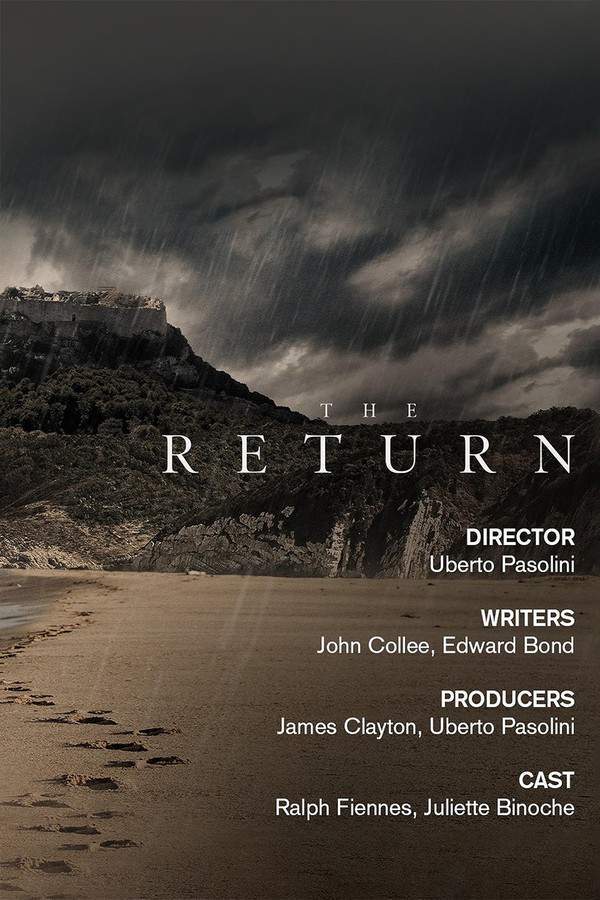
The Return
2004

Silent Light
2009

The Good Thief
2003

All Is Forgiven (2007)
2021

Last Days in the Desert
2016

Rabbit Hole
2010
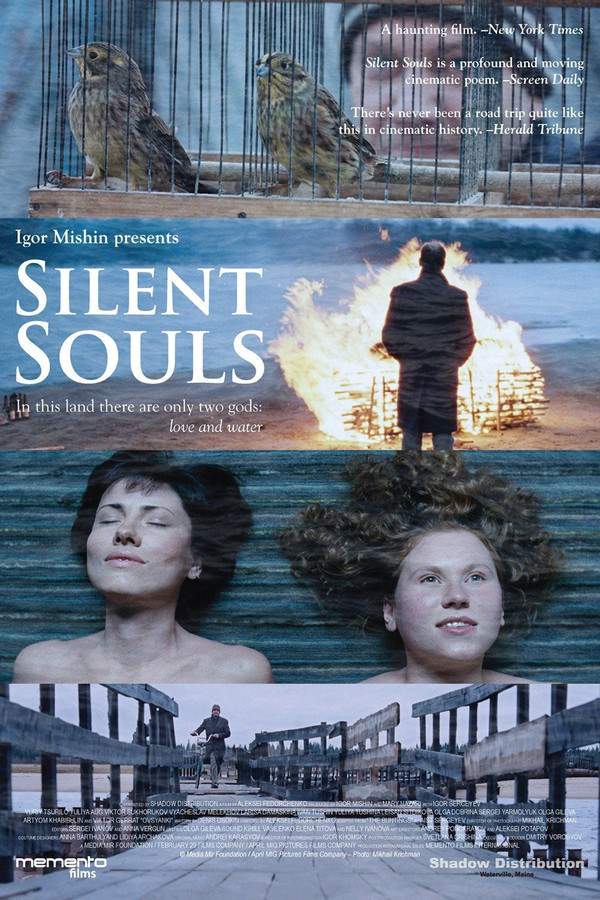
Silent Souls
2011

Reign Over Me
2007

Knight of Cups
2016

Strange Weather
2017

The Falls: Testament of Love
2013

On the Path
2010

Red Dirt
2000

Secret Sunshine
2007

Diary of a Country Priest
1951
Narrative Summary
These narratives typically follow a protagonist who is emotionally closed-off, morally compromised, or deeply lonely. A catalyst event—often a surreal encounter, a mysterious person, or an inexplicable phenomenon—disrupts their reality, sparking a slow-burn journey of self-confrontation. The plot focuses less on solving the mystery and more on the internal upheaval and gradual attempts to mend broken relationships.
Why These Movies?
Movies in this thread are grouped by their shared core of a secular character's collision with the spiritual, leading to a heavy, character-driven study of remorse and the possibility of change. They share a melancholic, reflective mood and prioritize emotional depth over plot speed.
Movies about urban loneliness like A House Built on Water
Slow, contemplative studies of isolation and regret within a city's landscape.Discover movies like A House Built on Water that capture the feeling of urban loneliness and a character's contemplative reckoning with their past. These slow-paced, serious dramas often focus on professionals navigating moral crises and strained relationships within a modern city setting.

Distant
2004

Tokyo Sonata
2009
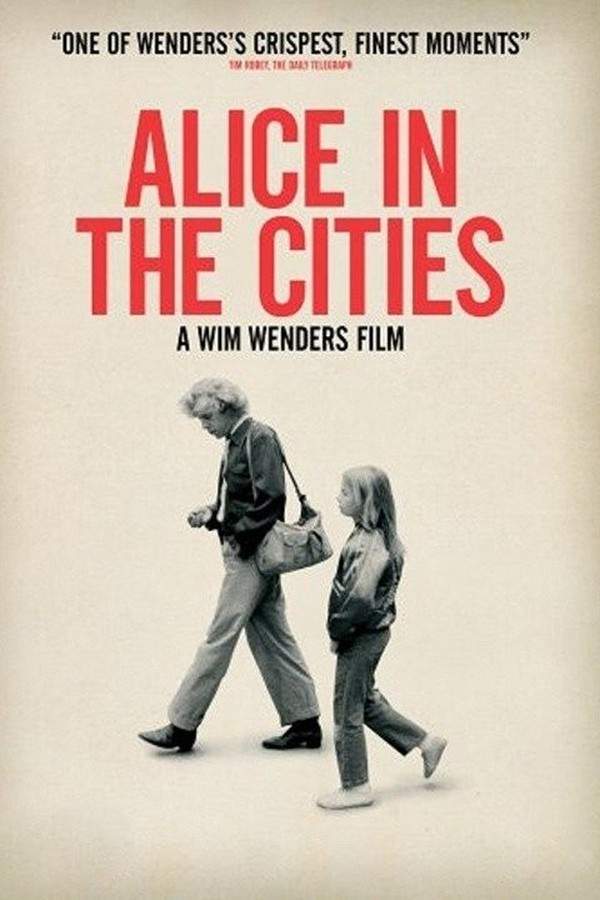
Alice in the Cities
1974

Unknown Pleasures
2003

Aloners
2023

Lost
2005

Medicine for Melancholy
2008

Postcards from London
2018

Things You Can Tell Just by Looking at Her
2000

South Solitary
2010
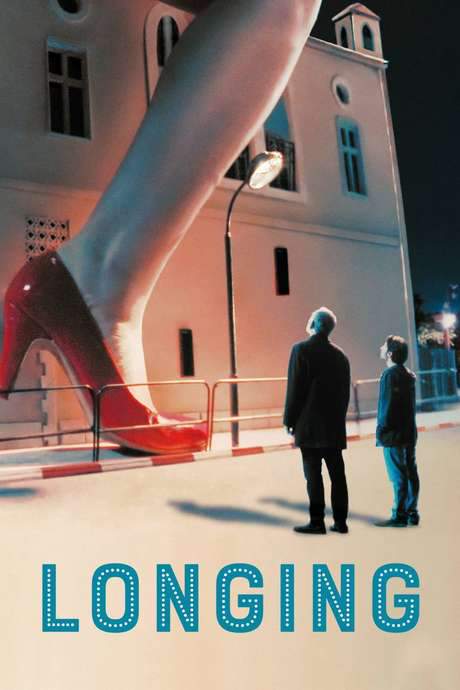
Longing
2017

Dark Illness
1990

Taipei Story
1985

Lisbon Story
1994

Old Boyfriends
1979
Narrative Summary
The narrative pattern is less about a traditional plot and more about an emotional and psychological landscape. A central character, often successful yet emotionally empty, moves through their city environment, which amplifies their sense of alienation. The story is built through vignettes and introspective sequences, examining the weight of their actions on themselves and those around them.
Why These Movies?
These films are connected by their pervasive mood of melancholy and their focus on loneliness as a central theme. They share a slow, observational pacing that allows the audience to feel the protagonist's isolation and a heavy emotional weight derived from themes of addiction, estrangement, and social decay.
Unlock the Full Story of A House Built on Water
Don't stop at just watching - explore A House Built on Water in full detail. From the complete plot summary and scene-by-scene timeline to character breakdowns, thematic analysis, and a deep dive into the ending - every page helps you truly understand what A House Built on Water is all about. Plus, discover what's next after the movie.
A House Built on Water Summary
Read a complete plot summary of A House Built on Water, including all key story points, character arcs, and turning points. This in-depth recap is ideal for understanding the narrative structure or reviewing what happened in the movie.

Characters, Settings & Themes in A House Built on Water
Discover the characters, locations, and core themes that shape A House Built on Water. Get insights into symbolic elements, setting significance, and deeper narrative meaning - ideal for thematic analysis and movie breakdowns.


Why does the film focus on narcotics, prostitution, and AIDS in Iranian society?
The film uses these social issues to create a broader portrait of a troubled society, showing how illness and social ailments collide. narcotics among youths, prostitution, and the spread of AIDS represent the fragility of health and dignity in this world. These elements challenge characters and question what true care means in a flawed society.