Plot Explained Spoilers guaranteed!
Plot Explained

Browse by genre

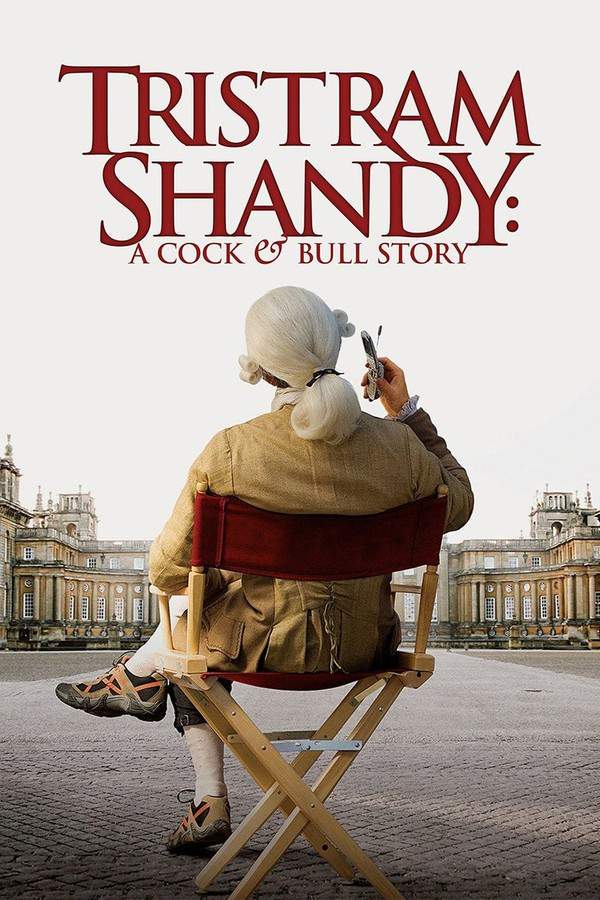
A Cock and Bull Story (2005) movie poster

Timeline

A Cock and Bull Story (2005) Timeline Explained – Every Event in Order

Release, runtime and language
2005 · 94 mins · English
Directed by
Michael Winterbottom
Starring
Benedict Wong, David Walliams, Kelly Macdonald, Gillian Anderson, Steve Coogan, Ian Hart

Steve Coogan, an arrogant actor with low self‑esteem and a complicated love life, lands the lead in a lavish period adaptation of “The Life and Opinions of Tristram Shandy, Gentleman,” filmed in a grand stately home. He constantly butts heads with fellow cast member Rob Brydon, who plays Uncle Toby and insists his role is equally important.

On this page (6)
  1. 1 Where to watch
  2. 2 Events in order (12)
  3. 3 Timeline questions answered
  4. 4 Movie threads
  5. 5 Movies like A Cock and Bull Story
  6. 6 Every angle

Where to watch

Where to Watch A Cock and Bull Story (2005)

Where can you watch A Cock and Bull Story? Stream, rent or buy it in the US, including on Amazon Video, Apple TV Store and Google Play Movies: current JustWatch availability with up-to-date prices.

Streaming availability powered by JustWatch

12 events in order · contains spoilers

A Cock and Bull Story Timeline: Events in Chronological Order

Every key event of A Cock and Bull Story (2005) in order, scene by scene, with when and where it takes place. Use it to untangle flashbacks, time jumps and parallel storylines, to refresh your memory before the sequel or to find the exact scene you are thinking of.

  1. On-set introduction of Coogan's self-parody and film role

    Steve Coogan plays himself as an arrogant actor with low self-esteem who is starring in an adaptation of Tristram Shandy at a stately home. The production foregrounds his fragile ego and complicated love life as filming progresses. The behind-the-scenes dynamic reveals a blend of humor and insecurity that colors the project.

    When
    Filming period
    Where
    Stately home filming location
  2. Coogan and Brydon's co-lead rivalry

    On set, Coogan and Brydon spar, each claiming equal importance as co-leads. They engage in playful, increasingly competitive banter about who is funnier or more talented. The dueling egos fuel the movie's humor and the audience's perception of their partnership.

    When
    During production
    Where
    On set
  3. In-film sequences drawn from Tristram Shandy (conception, birth, christening)

    The movie includes sequences drawn from the novel Tristram Shandy. The on-screen segments cover Tristram's conception, birth, and christening, though not all of these appear in the film-within-the-film's main thread. These moments help ground the adaptation in the book's early life events.

    Where
    On screen within the adaptation
  4. Uncle Toby's Battle of Namur in the film-within-the-film

    Within the film's structure, Uncle Toby's experiences at the Battle of Namur are shown. These battle episodes are part of the film-within-the-film and reflect a physical, action-oriented energy that contrasts with Coogan's self-conscious humor.

    Where
    On screen within the film
  5. Tristram's circumcision at age three

    Tristram's circumcision at age three is depicted as part of the film-within-the-film's life events. The scene is presented alongside other early life moments drawn from the novel, reinforcing the book's irreverent tone and narrative fragmentation.

    Where
    On screen within the film
  6. Dream sequence: Uncle Toby wooing Widow Wadman

    In a dream sequence imagined by Steve Coogan, Uncle Toby woos Widow Wadman (Gillian Anderson). The scene blurs waking performance and fantasy, highlighting the film's meta-layered humor. It shows how the cast's imagination informs the on-screen action.

    Where
    In a dream sequence
  7. Viewing the completed ending; Walter Shandy faints

    After the cast and crew view the completed ending, Walter Shindy faints at the sight of his wife giving birth. The moment underscores the film's operatic and over-the-top tone. It serves as a meta-commentary on audience reaction to the climax.

    When
    After viewing ending
    Where
    Screening room
  8. The book's end as a meta-conclusion; Yorick's line

    Following the question 'How does the book end?', the film reaches the concluding scene of the novel. In this moment, Yorick delivers the final line about the book's ending, symbolizing the meta-narrative wrap-up. Yorick is not part of the film-within-the-film; the conclusion is shown in a separate scene.

    When
    End
    Where
    On screen in finale
  9. Yorick portrayed by Stephen Fry in the final scene

    In the final Yorick scene, the role is played by Stephen Fry, since Yorick is not included in the film-within-the-film. Fry's presence as Yorick ties to his broader appearance elsewhere in the movie as Patrick. The cross-casting adds another layer of meta-humor.

    When
    Finale
    Where
    On screen (final scene)
  10. Stephen Fry as Patrick, the Shandy Hall curator caricature

    Stephen Fry appears elsewhere in the film as Patrick, a caricatured version of Shandy Hall's actual curator. This role contributes to the film's satirical look at those connected to the manuscript. Fry's dual presence reinforces the meta-nature of the project.

    When
    Throughout
    Where
    On screen
  11. DVD extras include Fry's dialogue with the curator

    The DVD extras feature a scene of Stephen Fry talking with the curator he portrays. This added material expands the film's meta-narrative and provides a peek behind the production's references. Fans gain additional insight into the inside jokes and parallels to Shandy Hall.

    Where
    DVD extras
  12. Overall meta-commentary on adaptation and performance

    The film unfolds as a meditation on adaptation, performance, and the relationship between a real actor and a fictionalized version of himself. It blends production realities with on-screen events to create a mosaic of narrative layers. The timeline traces both filming processes and the film's within-film episodes, highlighting the movie's self-referential humor.

    Where
    On set / within film

Last updated: February 20, 2026 at 18:43

Was this helpful?

Timeline questions answered

A Cock and Bull Story Timeline Explained: Your Questions Answered

When does it happen, and why in that order? The questions people ask about the chronology of A Cock and Bull Story (2005): time jumps, flashbacks, cause and effect between scenes and the correct order of events, each answered with spoilers.

Q1

Why does Steve Coogan play himself in the movie?

Steve Coogan plays a fictionalized version of himself as an arrogant actor with low self-esteem who lands the lead in a Tristram Shandy adaptation. This self-parody allows the film to comment on celebrity, ego, and the creative process while blurring the lines between actor and character. The real Coogan is known for his egocentric Alan Partridge character, and this film extends that self-aware humor into a meta-examination of his own personality.

  • steve coogan
  • self parody
  • meta comedy
  • actor character
Q2

Why do Coogan and Rob Brydon constantly compete on set?

The rivalry stems from both actors believing they are the true lead of the film-within-the-film. Coogan plays Tristram while Brydon plays Uncle Toby, and throughout production they engage in playful banter about who is funnier or more talented. This ego-driven conflict drives much of the comedy and reflects the film's satirical look at actors' insecurities and need for validation.

  • steve coogan
  • rob brydon
  • rivalry
  • ego
  • casting
Q3

Which scenes from the Tristram Shandy novel appear in the film?

The film-within-the-film adapts portions of the novel including Tristram's conception, birth, and christening. It also depicts Uncle Toby's experiences at the Battle of Namur and a dream sequence of Uncle Toby wooing Widow Wadman. However, not all of these moments appear in the main thread of the adaptation, reflecting the novel's fragmented narrative style.

  • tristram shandy
  • novel adaptation
  • battle of namur
  • widow wadman
Q4

Why does Stephen Fry play both Yorick and Patrick?

Stephen Fry plays two separate characters: Yorick in the final scene (who delivers the novel's concluding line), and Patrick, a caricature of Shandy Hall's actual curator who appears throughout the film. This cross-casting adds another layer of meta-humor, as Fry's presence connects different parts of the production and underscores the film's playful approach to adaptation and real-world references.

  • stephen fry
  • yorick
  • patrick
  • dual role
  • shandy hall
Q5

Why does Walter Shandy faint after viewing the ending?

Walter Shandy faints at the sight of his wife giving birth during the screening of the completed ending. This moment is deliberately operatic and over-the-top, serving as meta-commentary on how audiences might react to a film's climax. It underscores the film's tongue-in-cheek tone and self-referential humor about the dramatic nature of adaptations.

  • walter shandy
  • fainting
  • ending
  • birth scene
  • reaction
Q6

What is the purpose of the dream sequence with Widow Wadman?

The dream sequence shows Steve Coogan's imagination of Uncle Toby wooing Widow Wadman (played by Gillian Anderson). This scene blurs the line between waking performance and fantasy, demonstrating how the cast's imagination informs the on-screen action. It highlights the film's meta-layered humor and the way personal fantasy interjects into the production narrative.

  • dream sequence
  • widow wadman
  • uncle toby
  • fantasy
  • Gillian Anderson
Q7

What does the final Yorick scene mean in the story?

The final Yorick scene appears after the question "How does the book end?" and delivers the concluding line from the novel. Yorick is not actually part of the film-within-the-film, so this moment appears separately as a meta-conclusion. Stephen Fry delivers the final line, symbolizing the wrap-up of both the novel adaptation and the film's own meta-narrative about adaptation itself.

  • yorick
  • ending
  • final scene
  • conclusion
  • novel ending
Q8

What is the film actually about beyond the Tristram Shandy story?

Beyond the period adaptation, the film is a meditation on adaptation itself, performance, and the relationship between a real actor and his fictionalized version. It blends production realities with on-screen events, creating multiple narrative layers. The constant fourth-wall breaking and self-referential humor examine how stories get told, adapted, and perceived by audiences and critics alike.

Foreshadowing: The film opens by establishing Coogan's fragile ego and complicated love life, setting up the meta-narrative that runs throughout.

  • meta commentary
  • adaptation
  • filmmaking
  • self reference
  • fourth wall
Q9

Why is Tristram's circumcision at age three shown in the film?

Tristram's circumcision at age three is depicted as part of the film-within-the-film's early life events drawn from the novel. This scene reinforces the book's irreverent tone and narrative fragmentation, presenting unusual personal history as matter-of-fact drama. It contributes to the adaptation's comedic approach to Tristram Shandy's unconventional storytelling.

  • tristram
  • circumcision
  • childhood scene
  • novel adaptation
Q10

What is the difference between the film and the movie-within-the-movie?

The film follows Steve Coogan as himself during the making of a Tristram Shandy adaptation, while the movie-within-the-film is the actual period piece being produced on set. The main film shows the behind-the-scenes production, cast dynamics, and meta-commentary, while the within-film presents the fictional Tristram Shandy story. The two layers constantly intercut and comment on each other.

  • film within film
  • adaptation
  • production
  • parallel narratives
Q11

What do the DVD extras add to the story?

The DVD extras feature Stephen Fry (as Patrick) having a conversation with the real Shandy Hall curator he portrays. This added material expands the film's meta-narrative and provides insight into the production's references and inside jokes. It deepens the satirical look at those connected to the original manuscript and the adaptation process.

  • dvd extras
  • stephen fry
  • curator
  • behind the scenes
  • shandy hall

Movie threads

More Movies Like A Cock and Bull Story, by Mood & Story

Curated lists built around what makes A Cock and Bull Story tick: the same mood, the same kind of story or the same emotional payoff. Each list explains why these movies belong together.

Meta-narrative filmmaking satires like A Cock and Bull Story

Movies that humorously break the fourth wall and dissect their own creative process. Discover movies like A Cock and Bull Story. If you enjoyed its self-referential humor and behind-the-scenes chaos, you'll love these films that cleverly satirize the creative process and the world of filmmaking.

  • meta
  • self-referential
  • satirical
  • intellectual
  • quirky
  • playful
  • Tone: whimsical, intellectual, satirical
  • Pacing: variable, chaotic
Why these movies?

The story pattern: The narrative in these films is often layered and self-aware, following characters who are themselves creating a story. The plot zigzags between the 'main' narrative and the meta-commentary about its creation, creating a complex structure built on humor and intellectual play rather than a straightforward plot.

Why they belong together: Movies in this thread are grouped by their shared focus on deconstructing storytelling. They are united by a whimsical, intellectual tone that prioritizes clever, self-referential jokes over traditional narrative stakes.

Intellectual ego-clash comedies like A Cock and Bull Story

Smart comedies where clashing egos and witty banter drive the humor. Looking for movies with a similar vibe to A Cock and Bull Story? This list features comedies where clever characters butt heads, offering a humor of wit and competitive banter in creative or professional settings.

  • witty
  • ego
  • rivalry
  • dialogue-driven
  • satirical
  • character-focused
  • Tone: witty, playful, satirical
  • Pacing: steady, dialogue-driven
Why these movies?

The story pattern: The narrative often revolves around a central project or goal that becomes a battlefield for competing egos. Character journeys involve navigating their own insecurities and ambitions while engaging in a constant, witty power struggle with their rivals. The plot is driven by dialogue and character interaction more than external events.

Why they belong together: These films are connected by their focus on character-driven conflict among articulate, often vain, individuals. The shared experience is one of light, intellectual amusement derived from the clash of wits and the fragility of artistic egos.

If you liked this

Movies Like A Cock and Bull Story

Similar movies to A Cock and Bull Story: the same genre, themes or kind of story. Each one comes with its own plot summary, timeline and ending explained.

Browse all movie summaries

Every angle

A Cock and Bull Story (2005) Explained: Plot, Timeline & Characters

Everything about A Cock and Bull Story in one place: what happens in the plot summary, the timeline in chronological order, the characters and meaning and a spoiler-free summary. What's After the Movie adds the cast, box office and post-credit scenes.

Coming soon on iOS and Android

The Plot Explained Movie Summary App

Plot summaries, endings explained and timelines on your phone. Catch up on any movie in minutes, save your favorites and never miss a twist again.

Be the first to know when we launch. Your email stays private, always.

Learn more about the app