






Plot Explained Spoilers guaranteed!
Plot Explained

Browse by genre

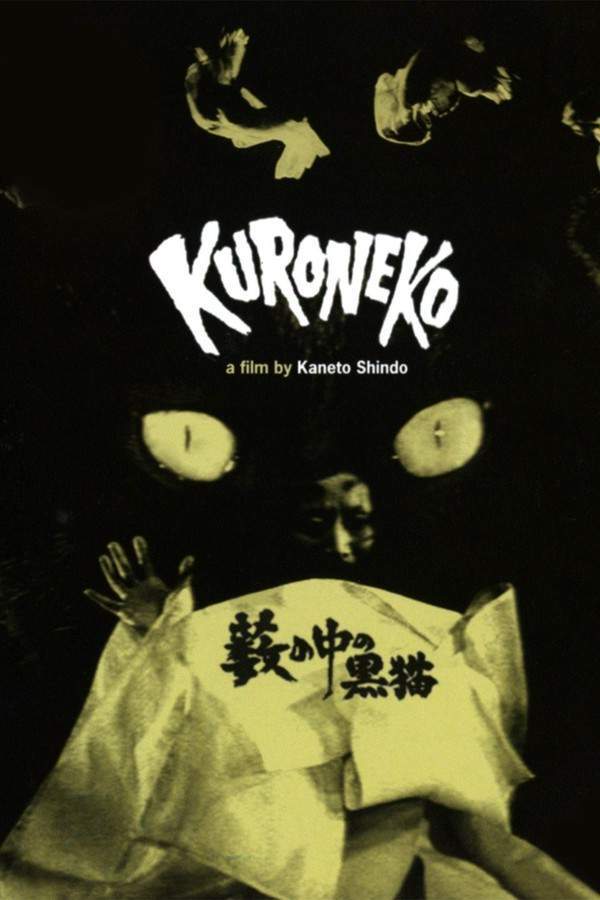
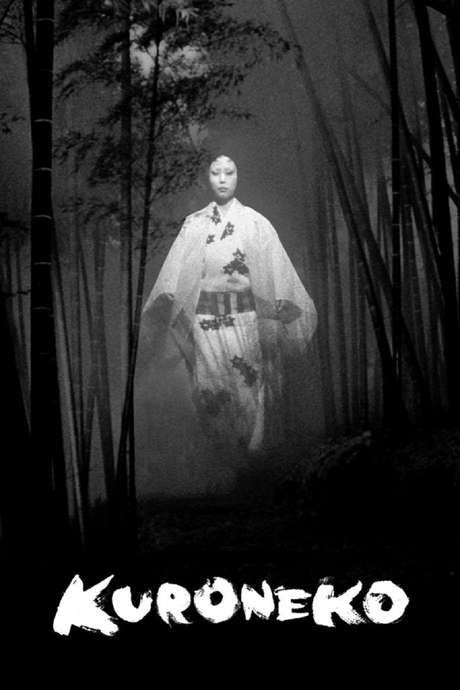
Kuroneko (1968) movie poster

Characters & Themes

Kuroneko (1968) Characters, Setting & Themes Explained

Release, runtime and language
1968 · 100 mins · Japanese
JustWatch #7,082 166
Directed by
Kaneto Shindô
Starring
Kei Satô, Taiji Tonoyama, Kichiemon Nakamura II, Kentarô Kaji, Eimei Esumi, Nobuko Otowa

In the chaotic Sengoku era, a woman and her daughter are brutally slain by marauding soldiers. Soon, samurai traveling through a bamboo forest are found dead, their throats torn. The governor summons a fierce young warrior to confront the vengeful onryō. He encounters two ethereal women haunting the woods, performs a ritual purification, and then faces the demonic black‑cat spirits in a terrifying battle.

On this page (8)
  1. 1 Where to watch
  2. 2 Characters explained (4)
  3. 3 Where & when it takes place
  4. 4 Themes & meaning (3)
  5. 5 Character & meaning questions
  6. 6 Movie threads
  7. 7 Movies like Kuroneko
  8. 8 Every angle

Where to watch

Where to Watch Kuroneko (1968)

Where can you watch Kuroneko? Stream, rent or buy it in the US, including on Amazon Video, Apple TV Store and Fandango At Home: current JustWatch availability with up-to-date prices.

Streaming availability powered by JustWatch

4 main characters · contains spoilers

Kuroneko Characters Explained: Who Is Who

The main characters of Kuroneko (1968), heroes and villains: what drives them, how they change over the course of the story and what each of them reveals about the film's bigger ideas.

  • Gintoki (Kichiemon Nakamura II)

    A young warrior who earns his place as a samurai after a decisive northern battle. He confronts the ghosts of his mother and wife, struggling with loyalty to his new role and a desire for personal closure. His resolve is tested as the pact with the underworld pressures his humanity.

    • ⚔️ Duty-bound
    • 🧭 Family loyalty
    • 🗡️ Inner conflict
  • Yone (Nobuko Otowa)

    A mother who returns as a ghost to avenge the murder of her family. Her noble guise masks a fierce, vengeful spirit fueled by grief. She tests her son’s loyalty and the boundaries between life and death.

    • 👻 Grief
    • 🗡️ Revenge
    • 🪄 Supernatural influence
  • Shige (Kiwako Taichi)

    Wife of Gintoki bound by a pact with the underworld, seeking a final night of love before her doom. Her actions complicate loyalty, fate, and the living world’s sense of duty. She embodies desire and doom as the pact unravels.

    • ❤️ Love
    • ⚔️ Duty vs desire
    • 👁️ Illusion
  • Minamoto no Raikō

    Governor who tasks Gintoki with destroying the ghostly intruders. He embodies the duty of a ruler to protect the living from supernatural threats, while directing a young samurai into danger.

    • 🏛️ Authority
    • 🛡️ Duty
    • 🗡️ Warfare

Last updated: October 04, 2025 at 15:00

Was this helpful?

Setting

Where and When Does Kuroneko Take Place?

The setting of Kuroneko (1968): the year and time period, the places and locations, and how they shape the characters, the mood and the tension of the story.

Time period

12th century, late Heian period

The events unfold in a feudal Japan dominated by samurai codes and regional warfare. Kyoto and its Rajōmon gate anchor the era, reflecting a time of imperial authority and rising warlords. A northern front against the Emishi contrasts with the intimate, haunted drama in the bamboo grove.

Location

Rajōmon, bamboo grove house, Kyoto (Heian period), northern Japan battlegrounds

The story centers on a house set within a bamboo grove where Yone and Shige live, which becomes haunted after their deaths. Rajōmon, a famed gate near Kyoto, serves as a recurrent theatrical space for the ghosts' seductions and the samurai confrontations. The narrative also moves to northern Japan, where battles against the Emishi set the backdrop for vengeance and the living confronting the supernatural.

  • 🌳 Bamboo grove
  • 🏯 Rajōmon gate
  • 🗺️ Heian Japan

Last updated: October 04, 2025 at 15:00

Was this helpful?

3 major themes

Kuroneko Meaning: Themes & Message Explained

What is Kuroneko (1968) really about? The emotional, social and philosophical themes the film keeps returning to, its symbolism and the message beneath the surface.

  • Revenge

    The film centers on vengeance as Yone and Shige return from death to punish the samurai who wronged them. Gintoki is drawn between his new samurai duties and the personal cost of vengeance, witnessing how rage can drive men to dangerous acts. The ghosts exploit memory and guilt to exact payback, making revenge a corrupting force.

  • Supernatural

    Spectral figures and a pact with the underworld drive the plot, blurring lines between life and death. The illusory mansion, the seer’s tricks, and the cat-like severed limb reveal a world where spirits manipulate the living. The supernatural imposes a moral test on the living as they confront mortality.

  • Loss & Memory

    A burnt home and vanished family become haunting memories that shape Gintoki's choices. The snow at the end seals the tragedy, leaving a lingering sense of grief and the cost of violence. The story explores how memory preserves pain and guides fate.

Last updated: October 04, 2025 at 15:00

Was this helpful?

Character & theme questions

Kuroneko Characters & Meaning: Your Questions Answered

The questions people ask about Kuroneko (1968): who the characters really are, their relationships, what the symbols mean, where it takes place and what the movie is really about. Each answer contains spoilers.

Q1

What is the significance of the bamboo grove in the story?

The bamboo grove houses the ruined home where Yone and Shige were brutally murdered, and it becomes the primary haunted location where their ghosts dwell. This setting represents both the site of traumatic violence and the liminal space between the living world and the underworld, where the vengeful spirits trap passing samurai.

Foreshadowing: The initial attack on the bamboo grove establishes the setting as a place of death and unresolved trauma that returns to drive the entire narrative.

  • bamboo grove
  • haunted house
  • setting
  • supernatural location
Q2

What is the Rajōmon gate and why is it important?

Rajōmon is a famed gate near Kyoto that serves as a recurring theatrical space where the ghosts seduce samurai and where confrontations with the supernatural occur. It anchors the story in Heian-era Kyoto, reflecting the era of imperial authority and the historical setting of the film's supernatural events.

  • rajōmon
  • kyoto
  • gate
  • heian period
  • setting
Q3

When does the story take place?

The film is set in 12th century Japan during the late Heian period, a time marked by feudal warfare, samurai codes, and regional conflicts. This historical context shapes the samurai culture, the battles against the Emishi in the north, and the era's spiritual beliefs about vengeance and the supernatural.

  • heian period
  • 12th century
  • feudal japan
  • historical setting
Q4

What does the film say about revenge?

The film presents revenge as a corrupting, destructive force that consumes both those who seek it and those who become its instruments. Yone and Shige return from death specifically to punish samurai, and their vengeance drives the narrative while demonstrating how rage and grief can transform people into dangerous, inhuman entities.

  • revenge
  • vengeance
  • corruption
  • theme
Q5

How does the film handle the supernatural?

The supernatural in Kuroneko blurs the boundaries between life and death, presenting ghosts who can manipulate the living, an illusory mansion, and a pact with the underworld that binds Shige. The supernatural serves as a moral test for the living characters, particularly Gintoki, as they confront mortality and the consequences of violence.

  • supernatural
  • ghosts
  • spirit
  • underworld
  • pact
Q6

What role does memory play in the film?

Memory acts as both a destructive and defining force in Kuroneko. The burnt home and murdered family become haunting memories that shape Gintoki's choices throughout the story. The snow at the film's end symbolizes how memory preserves pain and seals tragedy, leaving characters trapped in grief and the lingering cost of violence.

  • memory
  • loss
  • grief
  • trauma
  • snow
Q7

Who is Gintoki and what is his conflict?

Gintoki is a young warrior who earns his place as a samurai after a decisive battle in the north. He is the son of Yone and the husband of Shige, making him the central figure connecting the living and spirit worlds. His core conflict lies between his new samurai duties and his personal desire for closure with his murdered family, as the underworld pact tests his humanity.

  • gintoki
  • samurai
  • warrior
  • protagonist
  • family
Q8

Who are Yone and Shige in the story?

Yone is Gintoki's mother and Shige is his wife, both brutally slain by marauding soldiers in the bamboo grove. They return as vengeful onryō ghosts, Yone driven by maternal grief and rage, Shige bound by a pact with the underworld seeking one final night of love before her doom. Their dual nature as both loving family and dangerous spirits defines the film's central tragedy.

  • yone
  • shige
  • ghosts
  • mother
  • wife
  • onryō
Q9

Who is Minamoto no Raikō?

Minamoto no Raikō is the governor who summons Gintoki to confront the ghostly threat killing samurai in the bamboo grove. He embodies the duty of rulers to protect the living from supernatural dangers, though he also directs a young samurai into dangerous spiritual combat without fully understanding the personal cost to Gintoki.

  • minamoto no raikō
  • governor
  • authority
  • ruler
Q10

What is the significance of the northern battles against the Emishi?

The northern campaigns against the Emishi provide the backstory for Gintoki's rise as a samurai and establish the era's brutal warfare. These battles set the backdrop for vengeance and connect the world of living warriors to the supernatural threat, showing how violence in the human world creates consequences that extend beyond death.

  • emishi
  • northern japan
  • battles
  • warfare
  • samurai
Q11

What is the overall tone and message of the film?

Kuroneko maintains a consistently dark, horrific tone centered on traumatic violence and its supernatural consequences. The ending is unambiguously bleak, Gintoki collapses in snow-covered ruins of his home, signifying total loss and the lingering curse. The film delivers a tragic message about how violence creates cycles of vengeance that consume all involved, leaving no one untouched.

  • tone
  • ending
  • bleak
  • tragedy
  • violence
  • message

Movie threads

More Movies Like Kuroneko, by Mood & Story

Curated lists built around what makes Kuroneko tick: the same mood, the same kind of story or the same emotional payoff. Each list explains why these movies belong together.

Folk horror tales of tragic vengeance like in Kuroneko

Stories where ancient curses and vengeful spirits arise from human tragedy. This collection features movies like Kuroneko, where supernatural horror emerges from profound human suffering. If you enjoyed the folkloric atmosphere and tragic cycle of revenge in Kuroneko, you'll find similar stories of vengeful spirits, ancient curses, and bleak consequences in these selections.

  • folk horror
  • vengeful
  • tragic
  • atmospheric
  • somber
  • grim
  • Tone: dark, tragic, vengeful
  • Pacing: steady, ritualistic
Why these movies?

The story pattern: These narratives typically begin with a horrific act of violence that ruptures the natural order, leading to a supernatural pact or curse. The story then follows the ensuing confrontation between the living and the vengeful dead, often exploring themes of guilt, justice, and the devastating cost of vengeance, culminating in a bleak resolution.

Why they belong together: Movies in this thread share a core focus on folklore-based supernatural vengeance born from tragedy. They are united by a dark, atmospheric tone, a steady, ritualistic pacing that builds dread, and an emotionally heavy weight derived from their tragic foundations.

Atmospheric slow burn supernatural dread like in Kuroneko

Films that build a pervasive sense of supernatural unease with methodical pacing. Explore movies similar to Kuroneko that master a slow build of supernatural dread. If you liked the haunting, atmospheric tension and steady pacing of Kuroneko, this list features other films where the horror unfolds methodically, creating a deeply unsettling and somber mood.

  • slow burn
  • atmospheric
  • haunting
  • dread
  • uncanny
  • somber
  • Tone: dark, haunting, uncanny
  • Pacing: steady, slow burn
Why these movies?

The story pattern: Stories in this thread unfold deliberately, establishing a haunting atmosphere from the outset. The supernatural element is often introduced early but revealed slowly, allowing dread to accumulate. The plot focuses on the investigation or confrontation with this pervasive presence, leading to a climactic encounter that is emotionally charged rather than just action-packed.

Why they belong together: These films are grouped by their shared emphasis on a steady, deliberate pace that cultivates an atmospheric and haunting mood. They feature a high-intensity emotional dread rather than visceral horror, united by a dark tone and a focus on the psychological impact of the supernatural.

If you liked this

Movies Like Kuroneko

Similar movies to Kuroneko: the same genre, themes or kind of story. Each one comes with its own plot summary, timeline and ending explained.

Browse all movie summaries

Every angle

Kuroneko (1968) Explained: Plot, Timeline & Characters

Everything about Kuroneko in one place: what happens in the plot summary, the timeline in chronological order, the characters and meaning and a spoiler-free summary. What's After the Movie adds the cast, box office and post-credit scenes.

Coming soon on iOS and Android

The Plot Explained Movie Summary App

Plot summaries, endings explained and timelines on your phone. Catch up on any movie in minutes, save your favorites and never miss a twist again.

Be the first to know when we launch. Your email stays private, always.

Learn more about the app