





Plot Explained Spoilers guaranteed!
Plot Explained

Browse by genre

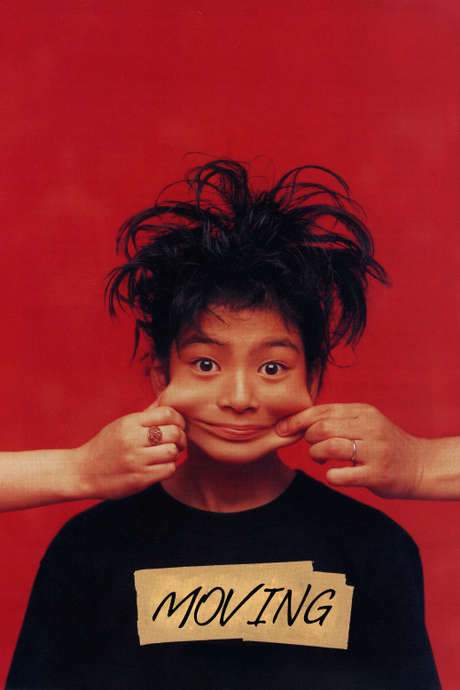
Moving (1993) movie poster

Timeline

Moving (1993) Timeline Explained – Every Event in Order

Release, runtime and language
1993 · 124 mins · Japanese
Directed by
Shinji Sômai
Starring
Kiichi Nakai, Tomoko Tabata, Junko Sakurada, Ippei Shigeyama, Tsurube Shofukutei, Nagiko Tono

Physically separated from her father and at odds with her distraught mother, a girl must negotiate her own passage to maturity.

On this page (6)
  1. 1 Where to watch
  2. 2 Events in order (15)
  3. 3 Timeline questions answered
  4. 4 Movie threads
  5. 5 Movies like Moving
  6. 6 Every angle

Where to watch

Where to Watch Moving (1993)

Where can you watch Moving? Stream, rent or buy it in the US, including on Kanopy, Apple TV Store and Google Play Movies: current JustWatch availability with up-to-date prices.

Streaming availability powered by JustWatch

15 events in order · contains spoilers

Moving Timeline: Events in Chronological Order

Every key event of Moving (1993) in order, scene by scene, with when and where it takes place. Use it to untangle flashbacks, time jumps and parallel storylines, to refresh your memory before the sequel or to find the exact scene you are thinking of.

  1. Move to a new apartment completed; Nazuna and Ren go out to eat

    Ken'ichi finishes moving to the new apartment, signaling a fresh start for the family. Nazuna takes Ren out to eat that same day and lets herself go, revealing a looseness she’s craving. The moment foreshadows growing neglect and tension at home.

    When
    Evening
    Where
    New apartment
  2. Nazuna drafts pacts on chores to appear normal

    Nazuna drafts several pacts outlining how daily chores should be divided in a bid to appear normal. The rules reflect her push for freedom while showing she may not follow through. Ren watches, the routine feeling increasingly stifling.

    When
    Daytime
    Where
    Home
  3. Ren discovers divorce paper not yet submitted

    Ren discovers a divorce paper her mother has not yet turned in, which unsettles her. The discovery triggers a chain of emotional unrest and questions about family life. The moment foreshadows the looming parental split.

    When
    Evening
    Where
    Home
  4. Ren tries to run away; extended family intervenes; parental fight

    Ren attempts to run away but is cornered by her extended family. The confrontation escalates into a heated argument, sparking a fight between Nazuna and Ken'ichi. The tense scene leaves Ren anxious and more isolated.

    When
    Night
    Where
    Neighborhood/Home
  5. Ren gets in trouble at school after a fight

    Back at school, Ren gets into trouble after an argument with a girl whose parents are also separated. She ends up punching a classmate, drawing disciplinary attention. The incident deepens her sense of being misunderstood at home.

    When
    Daytime
    Where
    School
  6. Ren's misbehavior escalates; lab fire at school

    Ren's troubling behavior continues at school, with more accidents, including a fire in the school lab. The ongoing chaos highlights the strain of her family situation on Ren's actions. Teachers and peers grow wary of her unpredictable moods.

    When
    Daytime
    Where
    School
  7. August fireworks by Lake Biwa become a family nudge

    Ren goads her parents to attend the August fireworks by Lake Biwa, hoping for a semblance of normalcy. The plan underscoring the fragile hold of the family together. The outing hints at underlying tension beneath the festive surface.

    When
    Evening
    Where
    Lake Biwa
  8. Ren runs away again; elderly couple take her to the festival

    Ren runs away and ends up spending the rest of the day with an elderly couple who take her to the festival. They offer her shelter and a momentary sense of belonging. The day moves her toward a crowded, unpredictable event with few clear answers.

    When
    Afternoon to Evening
    Where
    Lake Biwa festival area
  9. Ken'ichi and Nazuna track Ren through the festival crowd

    Ken'ichi watches the fireworks from a hill, tempted to drink from his flask. Nazuna finally locates Ren in the crowd after she crosses a packed bridge. The parents’ separate vices and the child’s searchlight pull them together for a tense reunion.

    When
    Evening
    Where
    Hill overlooking Lake Biwa / festival crowd
  10. Ren heads toward the mainland; festival goers burn effigies

    Ren, frustrated by the morning’s dissonance, heads toward the mainland rather than reconciling with her family. Festival goers lift and light hay bales, burning effigies as the crowd erupts in chaotic spectacle. The imagery deepens Ren’s sense of displacement.

    When
    Evening
    Where
    Mainland by Lake Biwa
  11. Morning travels through woods; Ren by the river

    Morning arrives as the festival ends and Ren wanders through the woods by a river, howling at the moon and sliding through fallen leaves. She grows tired and stumbles back toward the festival grounds. A bed of flowers by a weak fire offers a brief, quiet moment of rest.

    When
    Morning
    Where
    Woods by river; festival grounds
  12. Dream sequence: doppelgängers and a boat on fire

    In a dream-like sequence, Ren wades through the lake and encounters doppelgängers of her and her family towing a ceremonial boat with festival youths. A fire breaks out on the boat, distressing Ren's double and causing her parents to go silent. The men disappear and Ren's parents dive underwater as the boats multiply and start catching fire.

    When
    Night (dream sequence)
    Where
    Lake Biwa
  13. Nazuna reunites with Ren; train ride home; divorce paper returned

    Back on the riverbank to warm up, Nazuna arrives in an unusually cheerful mood and they take the train home. Ren finally hands back the crumpled divorce certificate to her mother, signaling a fragile moment of reconciliation. The journey marks a tentative shift toward shared understanding, if not resolution.

    When
    Evening
    Where
    Riverbank; Train home
  14. Lake Biwa holiday becomes Ren's school essay

    The Lake Biwa holiday becomes the topic of Ren's school essay, which she reads aloud in front of the class. She ends the piece by saying her parents have a new contract, implying an evolving, if uncertain, arrangement. The public sharing of her private turmoil underscores her growing voice and agency.

    When
    Afternoon
    Where
    School classroom
  15. Ren leaves class; the future awaits on the street

    Ren leaves her class to rejoice with the cast on the street in front of the school. She greets Wakako's family and newborn, gives her mother a flower, and places her father's glass of wine aside. When asked where she’s going, Ren answers: 'the future', signaling a forward gaze beyond the present chaos.

    When
    Evening
    Where
    Street outside school

Last updated: February 24, 2026 at 13:59

Was this helpful?

Timeline questions answered

Moving Timeline Explained: Your Questions Answered

When does it happen, and why in that order? The questions people ask about the chronology of Moving (1993): time jumps, flashbacks, cause and effect between scenes and the correct order of events, each answered with spoilers.

Q1

Why does Ren keep running away from home?

Ren runs away because she feels trapped between her parents' failing marriage and their neglect. Her first escape attempt happens after discovering the unfilled divorce papers, which terrifies her. The running away represents her desperate attempt to gain some control over a chaotic family situation that she cannot fix or understand.

Foreshadowing: Ren's early observation of her mother's loosened behavior at the restaurant hints at the emotional instability that later drives her to flee.

  • Ren running away
  • child divorce
  • family chaos
  • emotional stress
Q2

Why does Nazuna draft multiple pacts about chores?

Nazuna creates the pacts to create an illusion of normalcy and control over the household while she secretly wants freedom from family life. The documents reflect her contradictory state, she attempts to appear responsible while already planning her exit. Her carelessness in not following through mirrors her emotional detachment from the family responsibilities.

Foreshadowing: The same evening she lets herself go at the restaurant foreshadows her priority of personal解放 over household duties.

  • Nazuna pacts
  • divorce preparation
  • parental neglect
  • family breakdown
Q3

What does the dream sequence at Lake Biwa mean?

The dream sequence represents Ren's subconscious processing of her family's fragmentation and her desire for reconciliation. The doppelgängers embody different aspects of herself and her family, while the burning boats symbolize the destruction of the old family unit. The appearance of young men helping tow the boat suggests hope for new beginnings, though their disappearance leaves uncertainty.

Foreshadowing: The earlier chaos at the festival, crowds, effigies burning, parents searching, plants the sensory chaos that manifests in her dream.

  • dream sequence
  • doppelgangers
  • symbolism
  • Lake Biwa festival
  • boat on fire
Q4

Why does Ren give back the divorce certificate to her mother?

By returning the crumpled divorce papers, Ren signals her acceptance of her parents' uncertain future rather than fighting against it. She has processed that she cannot prevent the divorce, and returning the document represents her letting go of the hope that things might return to how they were. This act, combined with her essay about a new contract, shows her moving toward a mature understanding of family.

Foreshadowing: The discovery of the unfilled papers early in the film sets up this moment of deliberate return.

  • divorce papers
  • Ren acceptance
  • new contract
  • reconciliation
Q5

What does Ren mean when she says she's going to 'the future'?

Ren's answer of 'the future' marks her decisive turn away from dwelling on her parents' broken marriage toward living her own life. It represents her emotional maturity, she acknowledges the family problems exist but refuses to let them define her trajectory. The open-ended response suggests hope rather than certainty, implying she is walking toward something positive despite not knowing exactly what it holds.

  • the future
  • Ren ending
  • moving forward
  • hope
Q6

Why does Ren get into a fight at school and punch a classmate?

Ren punches the classmate during an argument about separated parents, projecting her own emotional pain onto the situation. The girl mentions her own family breakdown, which triggers Ren's bottled-up anger and confusion about her own parents. This violent outburst reflects her inability to process complex emotions healthily, stemming from the instability at home.

Foreshadowing: The discovery of the divorce papers directly precedes this behavioral escalation.

  • Ren school fight
  • classroom incident
  • parental divorce impact
Q7

What is the significance of the burning boats in Ren's dream?

The burning boats symbolize the collapse of the family structure Ren knows. As the boats multiply and catch fire, it reflects her fear that everything is spiraling out of control. When her parents dive underwater, it suggests they are retreating from the chaos rather than facing it. The doppelgängers taking Ren's place and shouting 'Congratulations' may represent her acceptance that this transformation, even if painful, is something to be acknowledged.

  • burning boats
  • family collapse
  • dream symbolism
  • transformation
Q8

Why does Ken'ichi constantly drink from his flask throughout the film?

Ken'ichi uses alcohol as a coping mechanism for his failing marriage and feelings of inadequacy as a father. His drinking is shown alongside Nazuna's own form of escape, her desire for freedom, both parents avoiding addressing their problems directly. The flask is his recurring crutch during stressful moments, like watching the fireworks, showing his inability to face reality sober.

Foreshadowing: The parents' frequent alcohol use is established early when both neglect Ren while distracted by their own struggles.

  • Kenichi flask
  • alcohol
  • parental failure
  • coping mechanism
Q9

Why is the Lake Biwa festival important to the story?

The Lake Biwa festival becomes the turning point where Ren's parents are finally forced to work together to find her. The chaotic crowd and separate search paths mirror the family's fragmentation, but their eventual reunion, Nazuna crossing the packed bridge, Ken'ichi watching from the hill, allows a fragile moment of connection. The festival's combination of tradition, fire, and renewal provides the backdrop for Ren's emotional journey toward acceptance.

  • Lake Biwa festival
  • family reunion
  • turning point
  • fireworks
Q10

Why does Nazuna appear unusually cheerful after finding Ren at the festival?

Nazuna's uncharacteristic cheerfulness upon finding Ren suggests a release of intense emotional tension. The crisis of potentially losing her daughter awakens her from her detached state, giving her a momentary burst of positive energy. This shifts quickly to the train ride home, where the family dynamic remains fragile but touched by this shared experience of reunion.

Foreshadowing: Her earlier determination to cross the crowded bridge to find Ren shows the depth of maternal instinct beneath her distant exterior.

  • Nazuna cheerfulness
  • finding Ren
  • maternal instinct
  • emotional release
Q11

Why does Ren give a flower to her mother at the end?

Ren giving her mother a flower represents a gesture of forgiveness and tentative reconciliation. It is a concrete act of love despite all the family dysfunction, showing she can still express affection toward parents who have disappointed her. This small act, combined with setting aside her father's wine glass, signals her choice to focus on positive connections rather than resentment.

  • flower
  • reconciliation
  • final scene
  • parental relationship
Q12

What does Ren mean when she writes about her parents having a 'new contract'?

When Ren describes her parents' 'new contract' in her school essay, she is reframing their marriage not as a failed relationship but as an ongoing arrangement with new terms. Rather than the original promise of marriage that produced the divorce papers, she imagines an evolved relationship that accommodates change. This reflects her childlike but insightful way of processing uncertainty, finding a narrative that allows hope rather than complete loss.

  • new contract
  • essay
  • Ren perspective
  • family arrangement

Movie threads

More Movies Like Moving, by Mood & Story

Curated lists built around what makes Moving tick: the same mood, the same kind of story or the same emotional payoff. Each list explains why these movies belong together.

Dreamlike Coming-of-Age Films Like Moving

Stories of youth navigating emotional turmoil with a poetic, introspective lens. Discover movies like Moving that capture the bittersweet and introspective journey of growing up within a fractured family. If you enjoyed the melancholic, atmospheric tone of Moving, you'll find similar emotionally resonant coming-of-age stories here.

  • melancholic
  • dreamlike
  • introspective
  • yearning
  • atmospheric
  • somber
  • Tone: bittersweet, melancholic, introspective
  • Pacing: steady, deliberate
Why these movies?

The story pattern: The narrative follows a young character, often isolated or neglected, as they witness the disintegration of their family unit. The story unfolds at a steady pace, building emotional weight through small, significant moments rather than dramatic events. The journey is internal, marked by a yearning for stability and a bittersweet acceptance of a new reality.

Why they belong together: These films are grouped by their shared focus on a child's perspective of adult problems, a melancholic and atmospheric tone, and a narrative that values emotional truth over fast-paced action. They create a similar feeling of quiet intensity and bittersweet reflection.

Quiet Family Drama Movies Similar to Moving

Observational dramas where family tensions simmer beneath a calm surface. Explore films similar to Moving that portray the steady unraveling of a family with a sense of quiet intensity. These movies share a focus on emotional turmoil, family dysfunction, and a somber, atmospheric mood.

  • somber
  • atmospheric
  • emotional turmoil
  • family dysfunction
  • neglect
  • introspective
  • Tone: somber, bittersweet, atmospheric
  • Pacing: steady, observational
Why these movies?

The story pattern: The plot centers on a family in crisis, such as dealing with divorce, addiction, or neglect. The narrative avoids high drama, instead building tension through realistic, painful interactions and a growing sense of emotional distance. The pacing is steady, allowing the audience to feel the weight of each disappointment and moment of neglect.

Why they belong together: These movies are united by their restrained portrayal of heavy themes, a somber and atmospheric mood, and a narrative style that finds drama in the quiet moments of everyday life. They offer a similar experience of steady-burn emotional engagement.

If you liked this

Movies Like Moving

Similar movies to Moving: the same genre, themes or kind of story. Each one comes with its own plot summary, timeline and ending explained.

Browse all movie summaries

Every angle

Moving (1993) Explained: Plot, Timeline & Characters

Everything about Moving in one place: what happens in the plot summary, the timeline in chronological order, the characters and meaning and a spoiler-free summary. What's After the Movie adds the cast, box office and post-credit scenes.

Coming soon on iOS and Android

The Plot Explained Movie Summary App

Plot summaries, endings explained and timelines on your phone. Catch up on any movie in minutes, save your favorites and never miss a twist again.

Be the first to know when we launch. Your email stays private, always.

Learn more about the app