

Plot Explained Spoilers guaranteed!
Plot Explained

Browse by genre

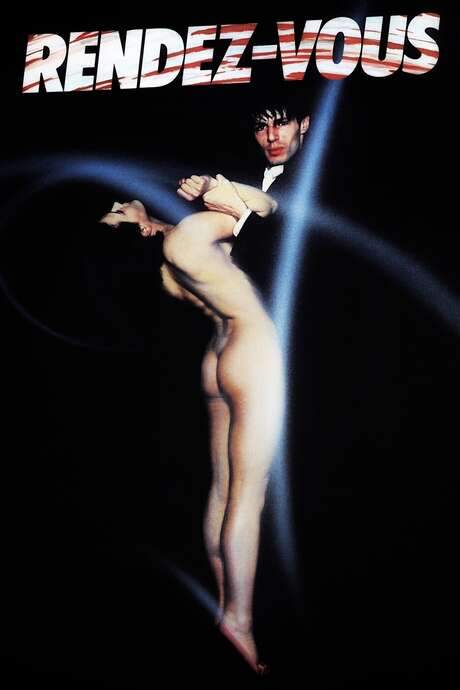
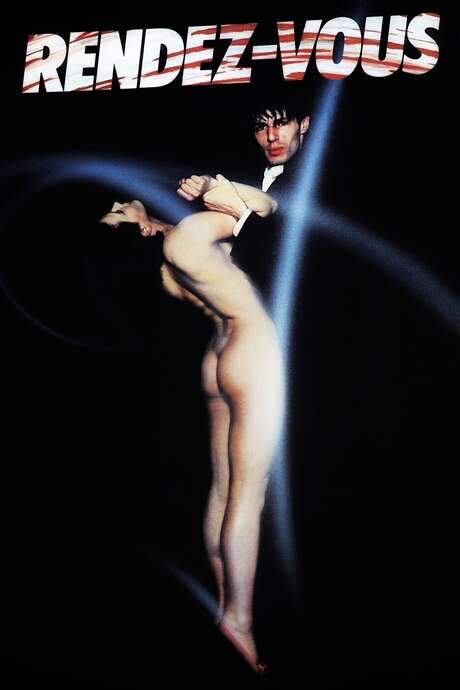
Rendez-vous (1985) movie poster

Characters & Themes

Rendez-vous (1985) Characters, Setting & Themes Explained

Release, runtime and language
1985 · 82 mins · French
JustWatch #32,143 2
Directed by
André Téchiné
Starring
Lambert Wilson, Juliette Binoche, Anne Wiazemsky, Jacques Nolot, Dominique Lavanant, Michèle Moretti

Nina, a young actress, arrives in Paris seeking her big break. She becomes embroiled in the city's on‑ and off‑stage drama, caught with three men: a real‑estate agent offering stability, a reckless actor living on the edge, and a theatre director who casts her as Juliet in “Romeo and Juliet.” As opening night nears, the highs and lows of her love life intensify her performance.

On this page (8)
  1. 1 Where to watch
  2. 2 Characters explained (4)
  3. 3 Where & when it takes place
  4. 4 Themes & meaning (3)
  5. 5 Character & meaning questions
  6. 6 Movie threads
  7. 7 Movies like Rendez-vous
  8. 8 Every angle

Where to watch

Where to Watch Rendez-vous (1985)

Where can you watch Rendez-vous? Stream, rent or buy it in the US: current JustWatch availability with up-to-date prices.

Streaming availability powered by JustWatch

4 main characters · contains spoilers

Rendez-vous Characters Explained: Who Is Who

The main characters of Rendez-vous (1985), heroes and villains: what drives them, how they change over the course of the story and what each of them reveals about the film's bigger ideas.

  • Nina (Juliette Binoche)

    A headstrong, ambitious actress who travels from Toulouse to Paris in search of stardom. She swings between desire and fear, using romance to cope with loneliness, but ultimately seeks authentic connection and self-definition. Her self-doubt in auditions and onstage moments contrasts with her fierce drive to succeed.

    • 🎭 Actress
    • 💔 Complex relationships
    • 🧭 Self-discovery
  • Quentin (Lambert Wilson)

    An intense, unpredictable lover whose presence destabilizes Nina. He represents passion and danger, a man who follows Nina and exerts a magnetic but coercive pull. His volatile temperament culminates in a fatal accident, and his haunting presence lingers over Nina's performance and choices.

    • 🎭 Complex personality
    • 💥 Violent temperament
    • 💘 Obsessive love
  • Paulot (Wadeck Stanczak)

    A gentle, hopeful real estate clerk who falls for Nina and offers care and stability, even as he recognizes the risks of her world. He moves from calm kindness to wary jealousy as Nina's truth and desire surface. His eventual decision to part ways underscores the film's theme of choosing independence over dependence.

    • 💖 Affectionate
    • 🐦 Gentle
    • 🌆 Urban life
  • Scrutzler (Jean-Louis Trintignant)

    An elderly theater director with a paternal interest in Nina. He casts Quentin in London long ago and appears as a stabilizing but morally ambiguous figure who tries to steer Nina toward a safe path. His departure to London leaves Nina to confront her own nerves and ambitions alone.

    • 🎬 Director
    • 🛡️ Protective
    • 🎭 Artistic

Last updated: December 03, 2025 at 23:54

Was this helpful?

Setting

Where and When Does Rendez-vous Take Place?

The setting of Rendez-vous (1985): the year and time period, the places and locations, and how they shape the characters, the mood and the tension of the story.

Time period

Set in a contemporary urban Paris, the film follows a young actress navigating the pressures of show business, intimate encounters, and competitive casting. The era's social mores of independence and flirtation frame Nina's choices and the danger and appeal of her relationships. The city at night becomes a stage for longing, jealousy, and self-doubt.

Location

Paris, France, Toulouse, France

The action centers in Paris, a city known for its theatre culture and boulevard life. We follow Nina through rehearsal rooms, a tense apartment-hunting odyssey, and late-night hotel rooms that capture the urban mood and vulnerability of aspiring actors. Paris functions as a living backdrop that shapes Nina's ambition, appetites, and the fraught dynamics of romance.

  • 🎭 Parisian city
  • 🎬 Theatre culture
  • 🗺️ Urban life

Last updated: December 03, 2025 at 23:54

Was this helpful?

3 major themes

Rendez-vous Meaning: Themes & Message Explained

What is Rendez-vous (1985) really about? The emotional, social and philosophical themes the film keeps returning to, its symbolism and the message beneath the surface.

  • Romantic Risk

    Nina's relationships with Paulot and Quentin are marked by risk, attraction, and power plays. The ardent but unstable affair with Quentin contrasts with the gentleness of Paulot, highlighting how desire can blur judgment and threaten personal autonomy. The interplay of love, manipulation, and danger drives much of the film's tension.

  • Theatre and Identity

    The world of audition rooms, live performances, and the Romeo and Juliet production frames Nina's search for identity. Acting becomes both a path to success and a mirror for her vulnerabilities, fears, and self-doubt. Ghost-like memories of Quentin haunt her performance, affecting her concentration and choices on stage.

  • Power and Control

    Men in Nina's life exert control in different ways—from Quentin's aggressive pursuit to Scrutzler's paternal interest. The power dynamics backstage mirrors the struggle for agency in a male-dominated show business world. Nina must discern genuine care from manipulation as she navigates love and ambition.

Last updated: December 03, 2025 at 23:54

Was this helpful?

Character & theme questions

Rendez-vous Characters & Meaning: Your Questions Answered

The questions people ask about Rendez-vous (1985): who the characters really are, their relationships, what the symbols mean, where it takes place and what the movie is really about. Each answer contains spoilers.

Q1

Where does the story take place?

The film is set primarily in Paris, where the city's theatre culture and urban atmosphere serve as a dynamic backdrop. Key locations include rehearsal rooms, late-night hotel rooms, and the streets Nina traverses during her apartment hunt. Paris functions as both a literal setting and a metaphor for ambition, vulnerability, and the search for identity.

  • paris
  • setting
  • theatre culture
  • urban life
  • french cinema
Q2

When is the movie set?

The film takes place in contemporary Paris, reflecting the social mores of the 1980s urban landscape. The era's attitudes toward independence, flirtation, and professional ambition frame Nina's choices, while the city at night becomes a stage for longing, jealousy, and self-doubt.

  • contemporary
  • 1980s
  • paris
  • era
  • time period
Q3

Who is Nina and what defines her character?

Nina is a headstrong, ambitious actress who travels from Toulouse to Paris seeking stardom. She oscillates between desire and fear, using romance to cope with loneliness while ultimately searching for authentic connection and self-definition. Her fierce drive to succeed contrasts with moments of self-doubt in auditions and on stage.

  • nina
  • protagonist
  • actress
  • toulouse
  • ambition
Q4

Who is Quentin and what role does he play?

Quentin is an intense, unpredictable actor who becomes Nina's lover. He represents passion and danger, exerting a magnetic but coercive pull over her. His volatile temperament and aggressive pursuit embody the film's exploration of romantic risk, and his tragic fate haunts Nina's performance throughout the story.

  • quentin
  • lambert wilson
  • lover
  • danger
  • passion
Q5

Who is Paulot and what does he offer Nina?

Paulot is a gentle real estate clerk who falls for Nina and provides care and stability. Unlike Quentin's turbulence, Paulot offers warmth and reliability, though he eventually recognizes the risks of Nina's world and chooses to part ways, underscoring the film's theme of choosing independence over dependence.

  • paulot
  • stable relationship
  • real estate
  • kindness
  • alternative
Q6

Who is Scrutzler and what is his significance?

Scrutzler is an elderly theatre director who casts Nina as Juliet in "Romeo and Juliet" and takes a paternal interest in her career. He represents a stabilizing but morally ambiguous force, attempting to guide Nina toward a safer path while harbouring his own tragic backstory involving his daughter.

  • scrutzler
  • director
  • theatre
  • juliet
  • mentor
  • paternal
Q7

What does the film say about romantic risk?

The film explores how Nina's relationships with Quentin and Paulot are marked by risk, attraction, and power dynamics. The ardent but unstable affair with Quentin contrasts sharply with the gentleness of Paulot, demonstrating how desire can blur judgment and threaten personal autonomy. Love, manipulation, and danger drive much of the film's tension.

  • romantic risk
  • desire
  • relationships
  • love
  • danger
  • manipulation
Q8

How does theatre shape Nina's identity?

The world of audition rooms, live performances, and the Romeo and Juliet production frames Nina's search for identity. Acting becomes both a path to success and a mirror for her vulnerabilities and fears. Ghost-like memories of Quentin haunt her performance, affecting her concentration and choices on stage, blurring the line between persona and self.

  • theatre
  • acting
  • identity
  • juliet
  • performance
  • self discovery
Q9

How are power dynamics portrayed in the film?

Men in Nina's life exert control in different ways: Quentin's aggressive pursuit, Scrutzler's paternal guidance, and Paulot's growing wariness. These power dynamics backstage mirror the struggle for agency in a male-dominated show business world, where Nina must discern genuine care from manipulation as she navigates love and ambition.

  • power
  • control
  • manipulation
  • patriarchy
  • agency
  • show business
Q10

What is the significance of the Romeo and Juliet production?

Scrutzler casts Nina as Juliet in a production of "Romeo and Juliet," which becomes central to the film's themes of identity and performance. The parallels between Juliet's story and Nina's own romantic turmoil blur reality and theatre, while the pressure of opening night intensifies her emotional struggles and stage fright.

  • romeo and juliet
  • shakespeare
  • theatre production
  • juliet
  • opening night

Movie threads

More Movies Like Rendez-vous, by Mood & Story

Curated lists built around what makes Rendez-vous tick: the same mood, the same kind of story or the same emotional payoff. Each list explains why these movies belong together.

Movies with tragic artistic triangles like Rendez-vous

Stories where romantic entanglements fuel and destroy creative passion. If you liked the volatile mix of love and artistic obsession in Rendez-vous, you'll find similar stories here. These films explore tragic love triangles set within creative worlds, where personal drama fuels and often destroys artistic ambition, featuring heavy emotional weight and dark, ambiguous endings.

  • obsessive
  • tragic
  • sensual
  • volatile
  • melancholic
  • unsettling
  • Tone: dark, tragic, sensual
  • Pacing: steady, character-driven
Why these movies?

The story pattern: These films typically follow a protagonist, often an artist or performer, caught between multiple lovers who represent different facets of their life and ambition. The narrative escalates as these relationships become increasingly obsessive and destructive, with the creative process mirroring the personal chaos, often leading to a tragic or ambiguous conclusion.

Why they belong together: They are grouped by their core focus on how romantic obsession intertwines with the creative drive, creating a specific, intense mood of emotional volatility, sensual tension, and tragic inevitability that feels both raw and psychologically complex.

Gritty urban descent stories like Rendez-vous

Character studies of emotional collapse within intense city environments. For viewers who appreciated the raw portrayal of Parisian life and existential crisis in Rendez-vous. These movies feature protagonists navigating volatile relationships and self-destruction in intense city settings, sharing a steady pace, high emotional intensity, and a dark, complex narrative feel.

  • gritty
  • anxious
  • melancholic
  • unsettling
  • volatile
  • raw
  • Tone: dark, melancholic, anxious
  • Pacing: steady, methodical
Why these movies?

The story pattern: The narrative follows a character, often new to a city or unmoored within it, as they navigate a series of intense, destabilizing encounters. The city's energy fuels their downward spiral or existential quest, with the pacing methodically building a sense of inescapable loneliness and emotional fragmentation.

Why they belong together: They share a specific atmospheric blend: a gritty, sensual urban setting that mirrors the protagonist's internal turmoil, a steady pace that builds dread, and a dominant tone of melancholic anxiety focused on themes of alienation and self-destruction.

If you liked this

Movies Like Rendez-vous

Similar movies to Rendez-vous: the same genre, themes or kind of story. Each one comes with its own plot summary, timeline and ending explained.

Browse all movie summaries

Every angle

Rendez-vous (1985) Explained: Plot, Timeline & Characters

Everything about Rendez-vous in one place: what happens in the plot summary, the timeline in chronological order, the characters and meaning and a spoiler-free summary. What's After the Movie adds the cast, box office and post-credit scenes.

Coming soon on iOS and Android

The Plot Explained Movie Summary App

Plot summaries, endings explained and timelines on your phone. Catch up on any movie in minutes, save your favorites and never miss a twist again.

Be the first to know when we launch. Your email stays private, always.

Learn more about the app