Plot Explained Spoilers guaranteed!
Plot Explained

Browse by genre

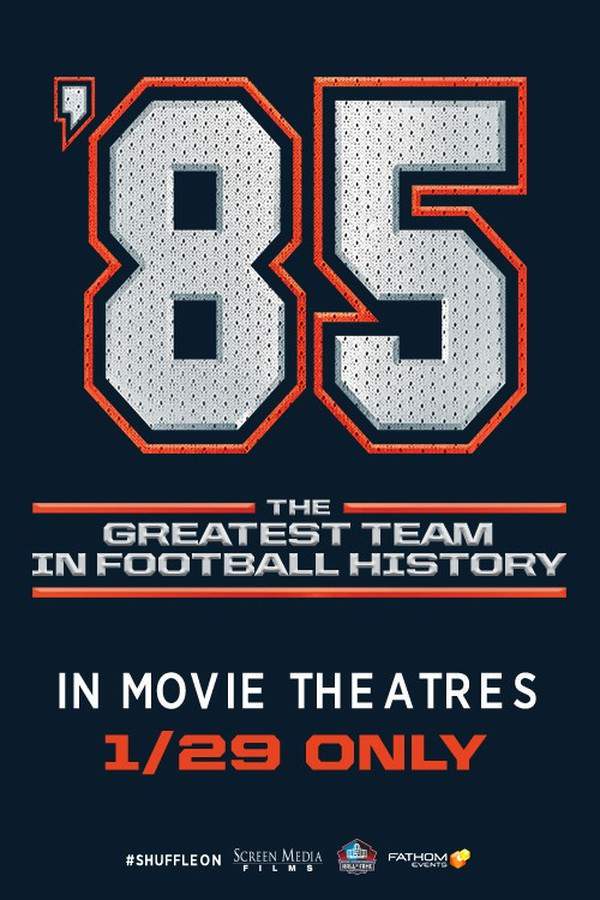
'85: The Greatest Team in Pro Football History (2017) movie poster

Plot Summary

'85: The Greatest Team in Pro Football History (2017) Plot Summary Explained

Release, runtime and language
2017 · 130 min · English
Directed by
Scott Prestin
Starring
Bill Murray, Jeremy Piven, Barack Obama, Jesse Jackson, Dan Hampton, Jim McMahon

This is the story of the legendary 1985 Chicago Bears, a team that became a cultural phenomenon. Follow their journey as they dominate the NFL, led by iconic players like Walter Payton, Jim McMahon, and William "The Refrigerator" Perry, under the leadership of Coach Mike Ditka. Witness their electrifying performances and unforgettable personalities that captivated fans and cemented their place in football history as one of the greatest teams ever assembled.

On this page (6)
  1. 1 Where to watch
  2. 2 What happens: full plot
  3. 3 Plot questions answered
  4. 4 Movie threads
  5. 5 Movies like '85: The Greatest Team in Pro Football History
  6. 6 Every angle

Where to watch

Where to Watch '85: The Greatest Team in Pro Football History (2017)

Where can you watch '85: The Greatest Team in Pro Football History? Stream, rent or buy it in the US, including on fuboTV, Fawesome and The CW: current JustWatch availability with up-to-date prices.

Streaming availability powered by JustWatch

Full plot summary · contains spoilers

What Happens in '85: The Greatest Team in Pro Football History: Full Plot Summary

The whole story of '85: The Greatest Team in Pro Football History (2017) explained, from the opening scene to the final frame: every key event, every twist and what it all adds up to. Read it as a quick recap before the sequel, to check a scene you missed, or to finally understand what really happened.

To be a sports fan in Chicago often meant grappling with frustration and disappointment. The Cubs, White Sox, and Black Hawks were rarely significant contenders by the end of their seasons. Before 1985, the Chicago Bears hadn't clinched a championship title since 1963, with most of their seasons proving to be largely irrelevant. This prevailing discontent led some frustrated Bear fans to engage in outrageous expressions of their displeasure, including hurling beer at players as they exited the stadium, and even burning a hole in the tarp put up to shield them from such indignities.

In the 1980s, however, things began to shift for the Bears. They started drafting promising players like Jim McMahon](/actor/jim-mcmahon), Mike Singletary, Steve McMichael, Willie Gault, Dennis McKinnon, and Jim Covert, alongside enduring talents like Otis Wilson and Walter Payton. This new wave of athletes, unaccustomed to losing, was determined to shake off the franchise's history of failure. In 1982, Mike Ditka was appointed as the Bears' head coach, a position he accepted with genuine enthusiasm after feeling he had left the team as a player under unsatisfactory circumstances. During his first practice, Ditka delivered a blunt message, presenting both good and bad news: he forecast the Bears would reach the Super Bowl in just three years, but warned that half the current roster wouldn't be part of that journey. This tough love became a hallmark of Ditka's coaching style, which mirrored the grit and determination that the Bears displayed on the field.

As the team dynamic evolved under Ditka's leadership, tensions flared both on and off the field, particularly between Ditka and defensive coordinator Buddy Ryan. Ryan had been retained at the behest of George Halas, resulting in a uniquely split team: the defense operated with a drill-sergeant mentality, while Ditka ran a free-spirited offense. Training sessions were physically demanding, leading to skirmishes between offensive and defensive players. The Bears adopted a formidable and aggressive 46 defense, becoming a fearsome presence in the league.

In search of a top quarterback, Ditka brought in Jim McMahon from Brigham Young University in 1983. McMahon embodied a rebellious spirit, often operating outside the typical confines of player conduct. His initial reluctance to sign a contract after being made to wait showed his defiance toward authority; he often changed plays on the field and added personal endorsements to his headgear. This unconventional approach frustrated Ditka at times, but McMahon’s intelligence and leadership transformed him into a respected figure among players, instilling a newfound belief in the team's Super Bowl potential.

The turning point came in 1984 when the young squad began to realize its full capabilities. The Bears, to the delight of veteran player Jim Osborne, clinched their first division title, leading to a celebratory moment marked by the very first Gatorade shower over a coach. However, the thrill of that accomplishment was subdued after a harsh lesson against the San Francisco 49ers in the NFC championship game, which left the Bears scoreless at 23-0. The entire team left vowing to return the following year with the drive to secure a Super Bowl berth.

Walter Payton, revered as one of the greatest running backs in history, had long been the face of the franchise. His quiet demeanor belied a tremendous talent, and as more skilled players joined the roster, fans hoped to see him realize his Super Bowl dream. Notably, William "Refrigerator" Perry emerged as a multifaceted player, known for his agility despite weighing over 300 pounds, providing crucial support both defensively and as a unique offensive weapon under Ditka's guidance.

The Bears’ popularity surged, and their antics were even immortalized through the "Superfan" characters on NBC's Saturday Night Live, which captured the essence of the die-hard fan culture surrounding the team. As the season progressed, the Bears concluded with an impressive record of 12-0. However, their undefeated streak was shattered by the Miami Dolphins, led by Dan Marino, in a humbling defeat that prompted a team-wide reflection to recalibrate egos and refocus the remaining season.

The infamous "Super Bowl Shuffle" video was recorded shortly after the Bears' only loss of the season. Initially apprehensive about the timing, Jim McMahon and Walter Payton eventually participated separately, adding their segments later with great fanfare. As the playoffs approached, the Bears’ defense delivered staggering performances, even shutting out both the Giants and the vaunted Los Angeles running game during the conference championship.

Excitement reached a fever pitch as the Bears prepared for the Super Bowl. The atmosphere in New Orleans was electric, with fans from both teams populating Bourbon Street. Yet, amidst the revelry, controversy swirled around McMahon after supposedly disrespecting the city, leaving him tense in the lead-up to the big game. The night before the Super Bowl intensified emotions for the Bears' defense as they acknowledged the impending departure of Buddy Ryan, who had profoundly influenced their strategy.

On January 26, 1986, the Chicago Bears dominated the New England Patriots, winning decisively with a score of 46-10. The victory was a testament to the Bears' capabilities, marking them as the best team that day—an achievement celebrated widely. Fans flooded the streets of Chicago in cold weather to commemorate the championship victory, reinforcing the Bears' cultural significance in Chicago.

In the aftermath of the Super Bowl, however, a lingering regret persisted for many—especially Ditka and Payton—due to Payton's absence in the end zone during this pivotal game. The team celebrated their success, but tragedy struck shortly thereafter with the Challenger space shuttle disaster, casting a shadow over the city’s triumph. In time, the reality of sports continued to provide a unifying force for various communities, though the Bears struggled to replicate their glory.

The decline began with a lack of focus among players and injuries that plagued McMahon, and ultimately the Bears couldn't sustain their championship legacy. Many claimed that the 1985 Bears were the greatest single-season team, with a legendary defense that became the standard in the NFL.

Despite their tumultuous journey, the legacy of the 1985 Bears was solidified when, years later, President Barack Obama, an avid Bears fan, invited the team to the White House for a celebration of their achievements. This visit allowed the players to reflect on their bond, their impact on Chicago, and the profound legacy they had created, further revealing the emotional gravity of their time together. In hindsight, many players believed that had they stayed united longer than the 1985 season, they might have secured additional championships, a sentiment echoed by Mike Singletary even decades later.

Last updated: May 12, 2025 at 07:04

Was this helpful?

Plot questions answered

'85: The Greatest Team in Pro Football History Plot Explained: Your Questions Answered

The questions people ask most about '85: The Greatest Team in Pro Football History (2017): what happens in the confusing scenes, why the characters do what they do, the twists, hidden details and what the ending means. Each answer contains spoilers.

Q1

Why are the 1985 Chicago Bears considered the greatest team in NFL history?

The 1985 Bears are widely regarded as one of the greatest teams because they posted a 15-1 regular season record, had the most dominant defense in NFL history (the famous 46 defense), and won Super Bowl XX with a decisive 46-10 victory. Their defense recorded multiple shutouts during the playoffs and held opponents to historically low scoring totals. The combination of their dominant performance, iconic personalities, and the 'Super Bowl Shuffle' cultural moment cemented their legacy.

Foreshadowing: The defense's dominance was built through years of preparation under defensive coordinator Buddy Ryan's tough coaching style.

  • 1985 chicago bears
  • greatest nfl team
  • super bowl xx
  • 46 defense
  • dominant defense
Q2

Why was there tension between Mike Ditka and Buddy Ryan?

Tension between head coach Mike Ditka and defensive coordinator Buddy Ryan stemmed from their fundamentally different coaching philosophies. Ditka ran a free-spirited, player-friendly offensive approach, while Ryan drilled the defense with a strict, drill-sergeant mentality. This created a divided locker room where offensive and defensive players clashed during training. Despite the friction, both coaches were retained, Ditka by management and Ryan at the insistence of owner George Halas, creating a uniquely split team dynamic that somehow worked.

Foreshadowing: This tension was visible from the earliest training sessions under Ditka.

  • mike ditka
  • buddy ryan
  • coach conflict
  • bears coaching staff
Q3

Why was Jim McMahon considered a rebellious quarterback?

Jim McMahon earned a rebellious reputation because he frequently challenged authority and operated outside typical NFL player conduct. He refused to sign his contract promptly after being made to wait, showing defiance toward the organization. On the field, he often changed plays at the line of scrimmage rather than strictly following Ditka's calls. He also added personal endorsements to his headgear, something other players didn't do. Despite these infractions, his intelligence and leadership skills earned respect from teammates and helped transform the team's belief in reaching the Super Bowl.

Foreshadowing: McMahon's rebellious nature was evident from his initial contract negotiations.

  • jim mcmahon
  • rebellious quarterback
  • bears qb
  • ditka and mcmahon
Q4

Why did the Bears lose to the 49ers in the 1984 NFC Championship?

The Bears suffered a humiliating 23-0 defeat against the San Francisco 49ers in the 1984 NFC Championship game because they were simply outplayed at both ends of the field. The 49ers' offense and defense dominated completely, leaving the Bears scoreless. This loss served as a harsh awakening for the young Bears team, who had won their first division title that season. The entire team left San Francisco vowing to return the following year with the determination to secure a Super Bowl berth, using the defeat as motivation for the 1985 season.

Foreshadowing: The Bears' first division title in 1984 was celebrated, but the team knew more work was needed.

  • bears 49ers 1984
  • nfc championship loss
  • 23-0 defeat
  • san francisco 49ers
Q5

What was the 'Super Bowl Shuffle' and why was it created?

The 'Super Bowl Shuffle' was a music video recorded by the Chicago Bears on December 3, 1985, shortly after their only loss of the season to the Miami Dolphins. The video featured players rapping and dancing while showcasing their personalities. Key players like Jim McMahon and Walter Payton were initially hesitant about the timing, fearing it might appear arrogant if they lost the Super Bowl. Eventually, they participated separately, with their segments added later. The video became a cultural phenomenon and helped cement the team's iconic status beyond just football.
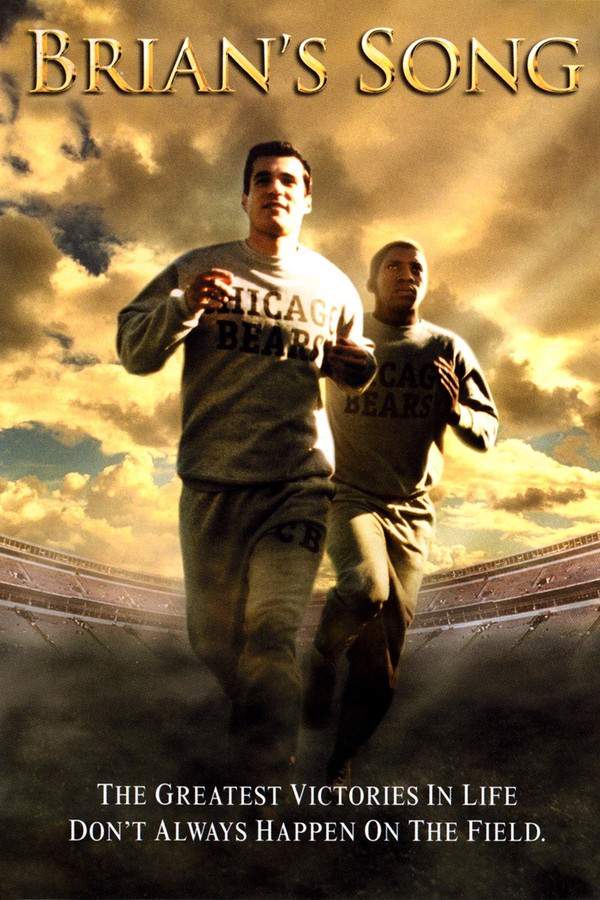
Foreshadowing: The video was recorded after the Dolphins loss, showing the team's confidence despite setbacks.

  • super bowl shuffle
  • bears music video
  • chicago bears shuffle
  • 1985 bears
Q6

Why didn't Walter Payton score a touchdown in Super Bowl XX?

Walter Payton did not score a touchdown in Super Bowl XX because the Patriots' game plan specifically focused on stopping him. New England keyed their defense on the Bears' legendary running back, forcing him into a limited role as a decoy and blocker. Despite being one of the greatest running backs in NFL history and the face of the franchise, Payton was effectively shut down by the Patriots' defensive strategy. This omission became a lasting regret for both Payton and coach Mike Ditka, leaving the victory somewhat bittersweet for the star player.

Foreshadowing: The Bears' victory parade celebrating the championship was tempered by this unresolved personal goal.

  • walter payton
  • super bowl xx
  • payton no touchdown
  • patriots defense payton
Q7

How did the Challenger disaster affect the Bears' celebration?

The Challenger space shuttle disaster occurred on January 28, 1986, just two days after the Bears' Super Bowl victory on January 26. This tragic event that killed seven astronauts cast a shadow over the Bears' championship celebration in Chicago. The city, which had been flooding the streets in frigid temperatures to celebrate, suddenly found its joy dampened by national mourning. The Bears' victory briefly united the city during a time of profound grief, highlighting how sports can provide a unifying force even amid tragedy.

Foreshadowing: The somber mood arrived immediately after the team's greatest triumph.

  • challenger disaster
  • space shuttle challenger
  • bears celebration 1986
  • january 1986
Q8

Why couldn't the Bears maintain their success after 1985?

The Bears couldn't sustain their success after 1985 due to several factors: lack of focus among players, injuries that plagued key personnel including Jim McMahon, and the natural roster turnover that occurs in the NFL. Additionally, the team struggled to replicate the unique chemistry and motivation that drove their historic 1985 season. Many players and fans believe that had the core group stayed together longer, they could have won additional championships. Despite being tagged as the greatest single-season team ever, the Bears never reached those heights again.

Foreshadowing: Mike Singletary and other players later reflected that staying together longer could have meant more titles.

  • bears decline after 1985
  • why bears couldn't repeat
  • bears dynasty
  • 1985 bears legacy

Movie threads

More Movies Like '85: The Greatest Team in Pro Football History, by Mood & Story

Curated lists built around what makes '85: The Greatest Team in Pro Football History tick: the same mood, the same kind of story or the same emotional payoff. Each list explains why these movies belong together.

Movies about bittersweet legacies like '85: The Greatest Team in Pro Football History

Celebrating monumental achievements tinged with the poignant knowledge of what comes after. If you liked the mix of triumph and reflection in '85: The Greatest Team in Pro Football History, discover more movies like it. This section features similar stories of historical achievements, cultural phenomena, and dominant teams where the celebration is intertwined with a poignant look at legacy and the passage of time.
  • triumphant
  • bittersweet
  • nostalgic
  • reflective
  • celebratory
  • regretful
  • Tone: triumphant, bittersweet, reflective
  • Pacing: fast build, reflective conclusion
Why these movies?

The story pattern: Stories in this thread typically follow a rise-to-glory structure, building towards a defining victory or achievement. The narrative then extends beyond the climax to examine the aftermath, exploring themes of legacy, regret, and the challenges of sustaining success, resulting in an emotionally layered experience.

Why they belong together: Movies are grouped here because they share a specific emotional mix: the high of a major victory is balanced by a reflective, often bittersweet, perspective on the event's long-term impact. They resonate with viewers who appreciate stories that are both celebratory and thoughtfully somber.

High-energy team dynamics like in '85: The Greatest Team in Pro Football History

High-energy stories about a group of unique individuals coming together to achieve the impossible. Find movies similar to '85: The Greatest Team in Pro Football History that capture the thrill of a dominant team's journey. If you enjoyed the fast-paced action, iconic personalities, and intense focus on teamwork and rivalry leading to a championship, you'll find more compelling stories here.

  • determined
  • triumphant
  • celebratory
  • intense
  • focused
  • teamwork
  • Tone: hopeful, determined, celebratory
  • Pacing: fast, propulsive
Why these movies?

The story pattern: The narrative pattern follows a group of distinct individuals uniting for a common goal. It highlights their unique contributions, the dynamics of teamwork and rivalry, and the sequential overcoming of obstacles leading to a decisive, crowning victory against formidable odds.

Why they belong together: These movies are grouped by their shared high-intensity, fast-paced energy and their central focus on the 'unstoppable team' archetype. They deliver a similar viewing experience of exhilaration and immersion in a group's triumphant, personality-driven campaign.

If you liked this

Movies Like '85: The Greatest Team in Pro Football History

Similar movies to '85: The Greatest Team in Pro Football History: the same genre, themes or kind of story. Each one comes with its own plot summary, timeline and ending explained.

Browse all movie summaries

Every angle

'85: The Greatest Team in Pro Football History (2017) Explained: Plot, Timeline & Characters

Everything about '85: The Greatest Team in Pro Football History in one place: what happens in the plot summary, the timeline in chronological order, the characters and meaning and a spoiler-free summary. What's After the Movie adds the cast, box office and post-credit scenes.

Coming soon on iOS and Android

The Plot Explained Movie Summary App

Plot summaries, endings explained and timelines on your phone. Catch up on any movie in minutes, save your favorites and never miss a twist again.

Be the first to know when we launch. Your email stays private, always.

Learn more about the app