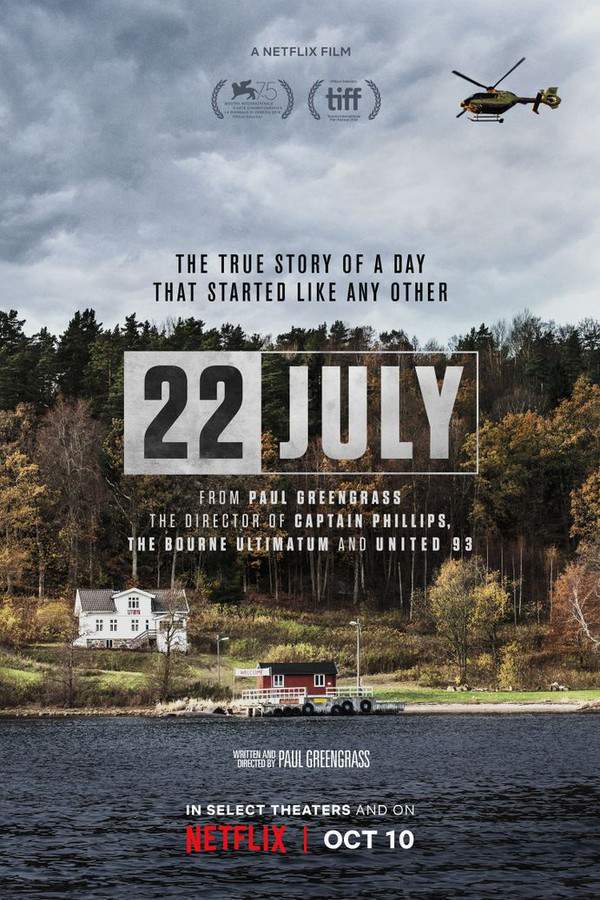



#5,14114 Year: 2018
Runtime: 143 min
Language: English
Director: Paul Greengrass
Echo Score: 65Budget: $20M
During a peaceful summer at a Norwegian youth camp, a horrific act of terror abruptly ends the innocence, resulting in the tragic loss of 77 lives. This gripping drama, based on actual events, explores the profound impact of extremism and the devastating consequences of Norway's deadliest attack, focusing on the human toll and the long road to recovery.
Find where to stream, rent, or buy 22 July (2018) in the US with current JustWatch availability, up-to-date pricing, and platform listings for subscription, rental, and digital purchase options.
Warning: spoilers below!
Haven’t seen 22 July yet? This summary contains major spoilers. Bookmark the page, watch the movie, and come back for the full breakdown. If you're ready, scroll on and relive the story!
Still thinking about how 22 July (2018) ended? Here’s a full breakdown of the ending, key final moments, major twists, and the deeper meaning behind the film’s conclusion.
In the final moments of 22 July, the film draws a powerful contrast between the fates of the perpetrator, Breivik, and the survivors. After the attack, Breivik is shown being taken to his solitary prison cell, which looks more like a small, everyday room than a traditional prison cell, reflecting Norway's rehabilitative approach. The film emphasizes that Breivik’s story—marked by hatred and violence—has come to a definitive end with his sentencing of 21 years, which is the maximum term under Norwegian law for his crimes, though he could stay imprisoned potentially for the rest of his life if deemed dangerous. Meanwhile, Viljar, one of the survivors, is shown back in his hometown, gazing out at the horizon from his window, symbolizing hope, resilience, and the continuation of life. His emotional speech during the trial—where he states that he chooses to live because he still has love, family, and dreams—resonates as a message of survival and perseverance in the face of tragedy. The film ends on this note of hope, implying that while Breivik's dark legacy attempts to cast a shadow, the human spirit can endure and move forward. The final imagery underscores that the victims and survivors are still here, striving for a future where love and hope prevail over hatred and destruction. This ending leaves viewers with a poignant reflection on resilience, rebuilding, and the importance of choosing life amidst tragedy.
Last updated: June 25, 2025 at 08:44
Read frequently asked questions about the ending of 22 July (2018), including final-scene interpretation, twist explanations, character outcomes, and the deeper meaning behind the conclusion. This ending explained FAQ is designed for viewers searching for clear spoiler-heavy answers and ending breakdown insights.
At the end of 22 July, Breivik is shown being taken to his prison cell after being sentenced to 21 years in prison, which is the maximum term under Norwegian law. His cell is depicted as more like a small everyday room than a traditional prison cell, reflecting Norway's rehabilitative approach to incarceration.
Viljar, one of the survivors of the Utøya attack, is shown back in his hometown at the end of the film. He stands gazing out at the horizon from his window, symbolizing hope, resilience, and the continuation of life despite the trauma he endured.
During the trial, Viljar delivers an emotional speech where he states that he chooses to live because he still has love, family, and dreams. This powerful statement becomes a message of survival and perseverance in the face of tragedy, emphasizing that the victims choose hope over hatred.
Breivik receives 21 years because that is the maximum sentence allowed under Norwegian law. While it may seem lenient compared to other countries, the sentence can be extended indefinitely if he is deemed dangerous upon completion, potentially keeping him imprisoned for life.
The ending delivers a message of resilience and hope. While Breivik's dark legacy of hatred and violence has concluded with his imprisonment, the film suggests that the human spirit can endure and move forward. The victims and survivors are still here, striving for a future where love and hope prevail over hatred and destruction.
The final moments draw a powerful contrast between Breivik and Viljar. Breivik is shown alone in a cell, his story of hatred and violence ended in isolation. Meanwhile, Viljar represents hope and life, looking toward the horizon. This juxtaposition emphasizes the film's thematic choice: choosing life and love versus destruction.
Viljar standing at his window gazing at the horizon symbolizes hope, renewal, and the continuation of life after tragedy. It represents the survivors looking forward to the future despite the darkness of the attack, embodying resilience and the possibility of rebuilding.
The film depicts Norway's rehabilitative approach to prison, showing Breivik's cell as more like a small, normal room rather than a harsh cell. This reflects Norway's focus on rehabilitation over punishment, though critics note this contrasts sharply with the severity of his crimes.
The film ends hopefully to emphasize that despite losing 77 lives and enduring lasting trauma, the survivors chose to live and rebuild. The hopeful ending asserts that love and hope can prevail over hatred, though the darkness of the events remains present as context for this resilience.
Discover curated groups of movies connected by mood, themes, and story style. Browse collections built around emotion, atmosphere, and narrative focus to easily find films that match what you feel like watching right now.
Gripping dramatizations of real-life tragedies and the human will to endure.For viewers seeking movies like 22 July, this section features gripping dramatizations of real-life tragedies. These films share a focus on the harrowing experience of survival, the long road to recovery, and the profound impact of historical events on individuals and society.
These narratives typically begin with a peaceful normalcy that is shattered by a sudden, real-world calamity. The story then follows multiple perspectives—survivors, first responders, and sometimes the perpetrators—through the initial shock, the physical and psychological aftermath, and the pursuit of justice or meaning amidst tragedy.
Movies are grouped here for their commitment to factual storytelling, their heavy emotional weight centered on trauma and resilience, and their unflinching look at the human cost of real-world violence and disaster.
Stories where a single violent act triggers a complex investigation and legal reckoning.If you liked the second half of 22 July focusing on the legal defense and trial, explore these movies. They detail the high-stakes, methodical processes of investigation and courtroom drama that follow catastrophic events, maintaining tension through systemic conflict.
The narrative structure is often bifurcated: a fast-paced, high-intensity depiction of the inciting event is followed by a more deliberate, yet equally tense, exploration of its consequences. This includes police investigations, courtroom battles, and the psychological toll on those seeking justice, creating a gripping blend of chaos and order.
These films are united by their dual narrative structure, combining visceral action with methodical procedure. They share a high-tension mood, a dark tone, and a focus on the complex, often frustrating, machinations of justice and institutional response.
Don't stop at just watching - explore 22 July in full detail. From the complete plot summary and scene-by-scene timeline to character breakdowns, thematic analysis, and a deep dive into the ending - every page helps you truly understand what 22 July is all about. Plus, discover what's next after the movie.
Read a complete plot summary of 22 July, including all key story points, character arcs, and turning points. This in-depth recap is ideal for understanding the narrative structure or reviewing what happened in the movie.
Track the full timeline of 22 July with every major event arranged chronologically. Perfect for decoding non-linear storytelling, flashbacks, or parallel narratives with a clear scene-by-scene breakdown.
Discover the characters, locations, and core themes that shape 22 July. Get insights into symbolic elements, setting significance, and deeper narrative meaning - ideal for thematic analysis and movie breakdowns.
Discover movies like 22 July that share similar genres, themes, and storytelling elements. Whether you’re drawn to the atmosphere, character arcs, or plot structure, these curated recommendations will help you explore more films you’ll love.
22 July (2018) Plot Summary & Movie Recap
22 July (2018) Scene-by-Scene Movie Timeline
22 July (2018) Movie Characters, Themes & Settings
22 July (2018) Spoiler-Free Summary & Key Flow
Movies Like 22 July – Similar Titles You’ll Enjoy
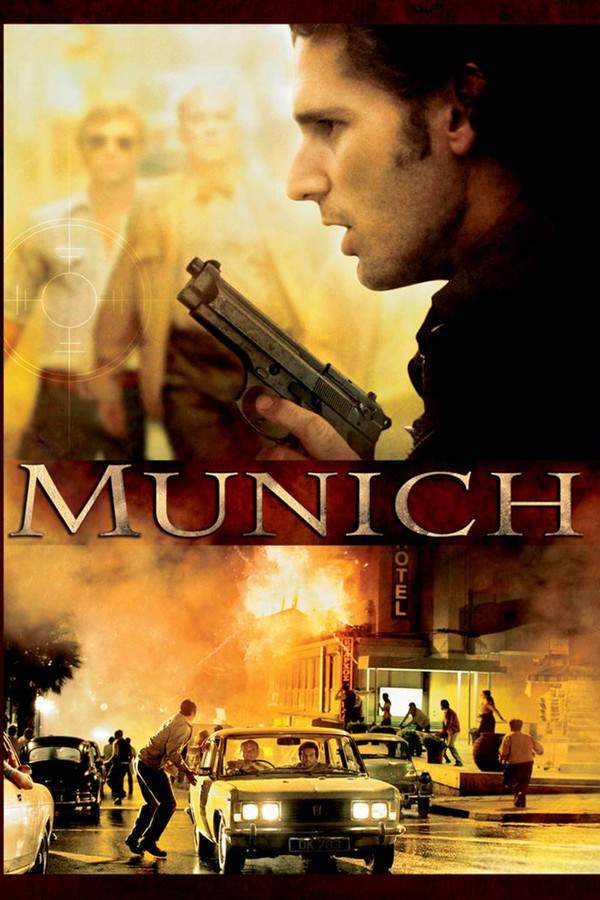
Munich (2005) Full Summary & Key Details
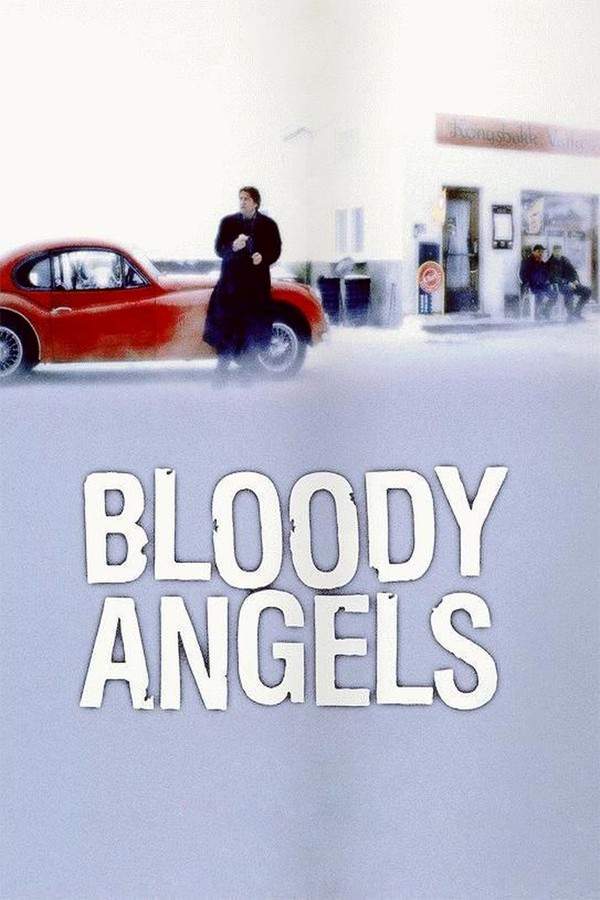
Bloody Angels (2001) Full Summary & Key Details
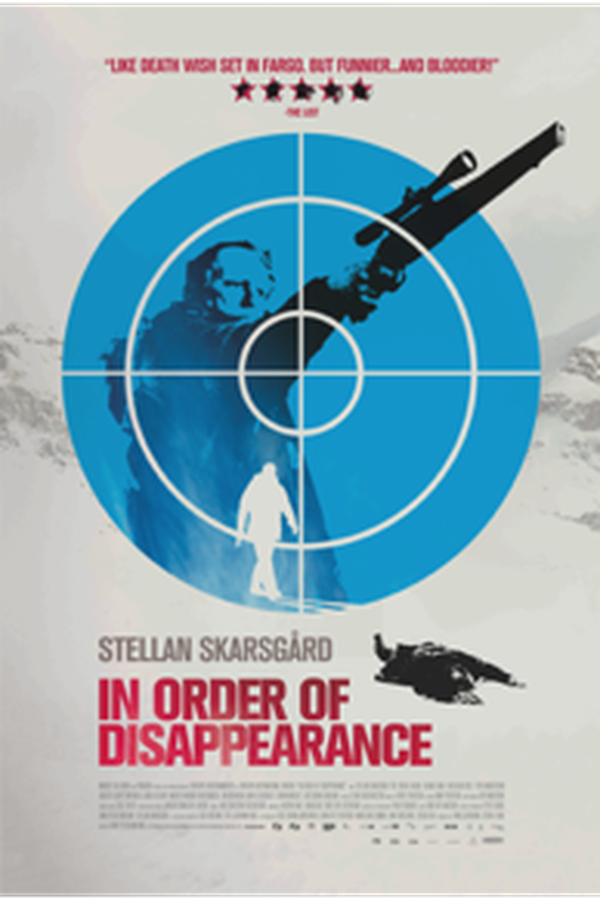
In Order of Disappearance (2016) Story Summary & Characters
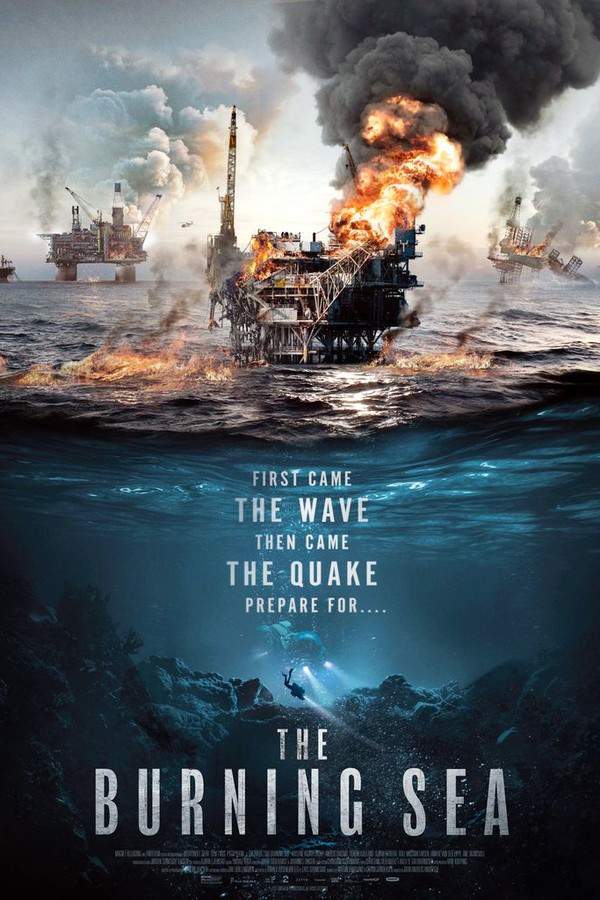
The Burning Sea (2022) Detailed Story Recap
The 12th Man (2018) Plot Summary & Ending Explained
Oslo (2021) Plot Summary & Ending Explained
Mortal (2020) Full Summary & Key Details
September 5 (2024) Story Summary & Characters
NR. 24 (2025) Complete Plot Breakdown
Sons of Denmark (2019) Full Summary & Key Details
The Hamburg Cell (2004) Ending Explained & Film Insights
Midsummer (2003) Film Overview & Timeline
Generasjon Utøya (2021) Complete Plot Breakdown
Bloody Angels (1998) Film Overview & Timeline
21 Hours at Munich (1976) Full Summary & Key Details