
150 Milligrams
Year: 2016
Runtime: 128 mins
Language: French
Director: Emmanuelle Bercot
Working in a hospital in Brest, France, a lung specialist uncovers a disturbing connection between a series of unexplained deaths and a state-approved medication. Determined to expose the truth, she embarks on a solitary fight against powerful forces, risking everything to uncover the full extent of the danger and ensure justice is served.
Warning: spoilers below!
Haven’t seen 150 Milligrams yet? This summary contains major spoilers. Bookmark the page, watch the movie, and come back for the full breakdown. If you're ready, scroll on and relive the story!
Timeline & Setting – 150 Milligrams (2016)
Explore the full timeline and setting of 150 Milligrams (2016). Follow every major event in chronological order and see how the environment shapes the story, characters, and dramatic tension.
Last updated: February 20, 2026 at 00:14
Main Characters – 150 Milligrams (2016)
Meet the key characters of 150 Milligrams (2016), with detailed profiles, motivations, and roles in the plot. Understand their emotional journeys and what they reveal about the film’s deeper themes.
Last updated: February 20, 2026 at 00:14
Major Themes – 150 Milligrams (2016)
Explore the central themes of 150 Milligrams (2016), from psychological, social, and emotional dimensions to philosophical messages. Understand what the film is really saying beneath the surface.
Last updated: February 20, 2026 at 00:14
150 Milligrams (2016) Character & Theme Questions Answered – Info FAQ
Browse frequently asked questions about 150 Milligrams (2016) focused on characters, relationships, themes, symbols, setting, and story context. This movie info FAQ gives spoiler-aware explanations for character arcs, world details, and thematic interpretation so readers can better understand what the film is really about.
Where is the story set?
The story takes place at the university hospital in Brest, a major city in Brittany, northern France. The hospital setting is central to the narrative, as it is where Dr. Frachon conducts her clinical observations and builds her case against the controversial drug.
When does the movie take place?
The events occur during the late 2000s, specifically during the emergence of public health concerns about a controversial drug. This timeframe aligns with the real Mediator scandal in France, when clinicians were gathering epidemiological evidence to link the medication to heart damage.
What is the main theme of the movie?
The central theme is whistleblowing, a dedicated physician challenges a powerful pharmaceutical narrative, risking professional and personal fallout to expose safety issues. The film explores integrity, courage, and the high cost of speaking truth to power.
Who is the main character?
Dr. Irène Frachon is a determined pulmonologist and the film's protagonist. She is persistent, principled, and willing to confront powerful pharmaceutical interests to protect patients after discovering a disturbing connection between a state-approved medication and heart valve damage.
What is Dr. Antoine Le Bihan's role in the story?
Dr. Antoine Le Bihan is a research scientist who collaborates with Dr. Frachon. He helps translate clinical observations into epidemiological data, playing a key role in building the evidence base needed to prove the drug's dangers while navigating scientific challenges.
Who is Corinne Zacharria?
Corinne Zacharria is a patient whose condition contributes to the early pattern that prompts the medical investigation. Her case personifies the human impact behind the pharmacovigilance debates, showing the tragic consequences of the drug on real people.
What role does the journalist play?
Anne Jouan is a Le Figaro journalist who helps bring the findings to the public eye. She works to expose the truth while balancing investigative scrutiny with sensitivity to the scandal's consequences for victims and their families.
Who is Catherine Haynes?
Catherine Haynes is an epidemiologist collaborating with the medical team. She plays a crucial role in constructing the epidemiological study needed to prove the drug's safety concerns, using data to establish the link between the medication and heart damage.
What conflict drives the narrative?
The film portrays the friction between regulatory bodies and pharmaceutical interests. It highlights how policy, evidence, and corporate influence shape public health decisions, showing the struggle of researchers pushing for accountability against industry pressure.
How does the film address public health?
Epidemiological work and patient safety take prominence as the medical team links the drug to harm and seeks to prevent further deaths. The focus is on protecting communities through data-driven action and rigorous scientific investigation.
What does the film say about scientific research?
Credible science and rigorous study underpin the struggle for transparency. The narrative underscores the responsibility of researchers to publish findings that inform and safeguard patients, emphasizing that truth emerges from dedicated scientific inquiry.
What is the emotional tone of the film?
The film has a tense and serious tone, dealing with the tragic consequences of corporate negligence. While the protagonist achieves some justice by exposing the truth, the revelation of hundreds of deaths and the difficult fight leave a tempered, bittersweet sense of victory.
Is the story based on true events?
Yes, the film is based on the real Mediator scandal in France. The medication Mediator was a drug prescribed for diabetes that caused serious heart valve damage, leading to hundreds of deaths before being withdrawn from the market.

Explore Movie Threads
Discover curated groups of movies connected by mood, themes, and story style. Browse collections built around emotion, atmosphere, and narrative focus to easily find films that match what you feel like watching right now.
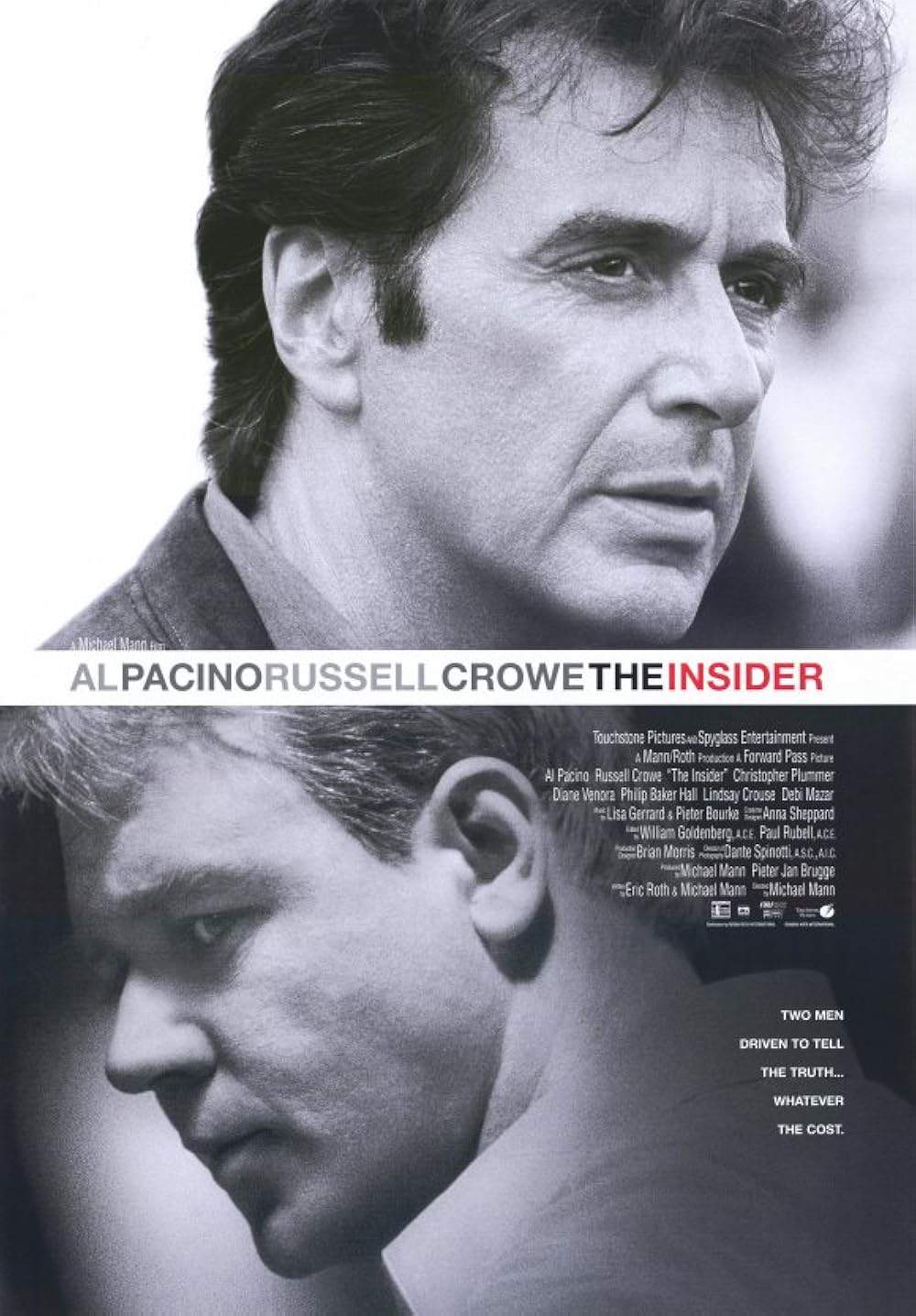
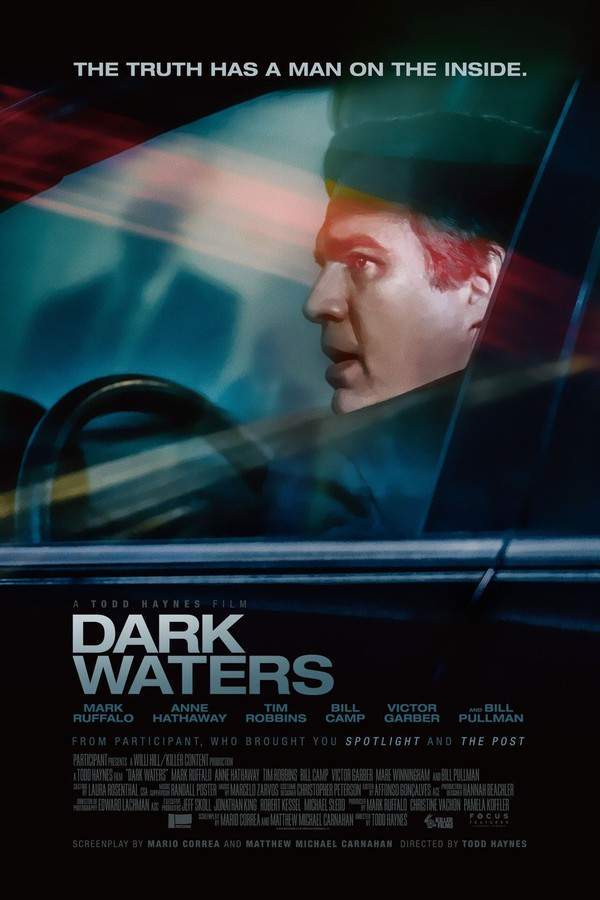
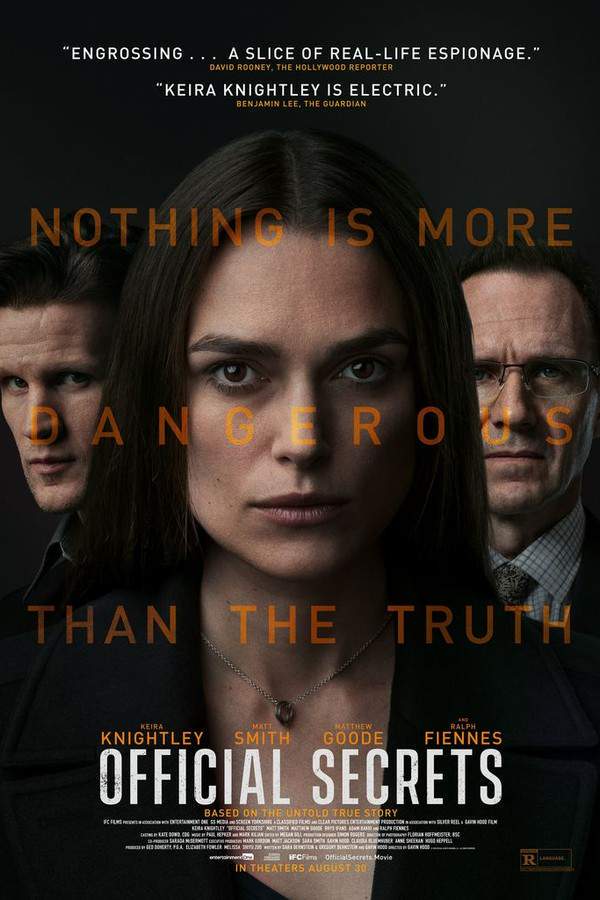
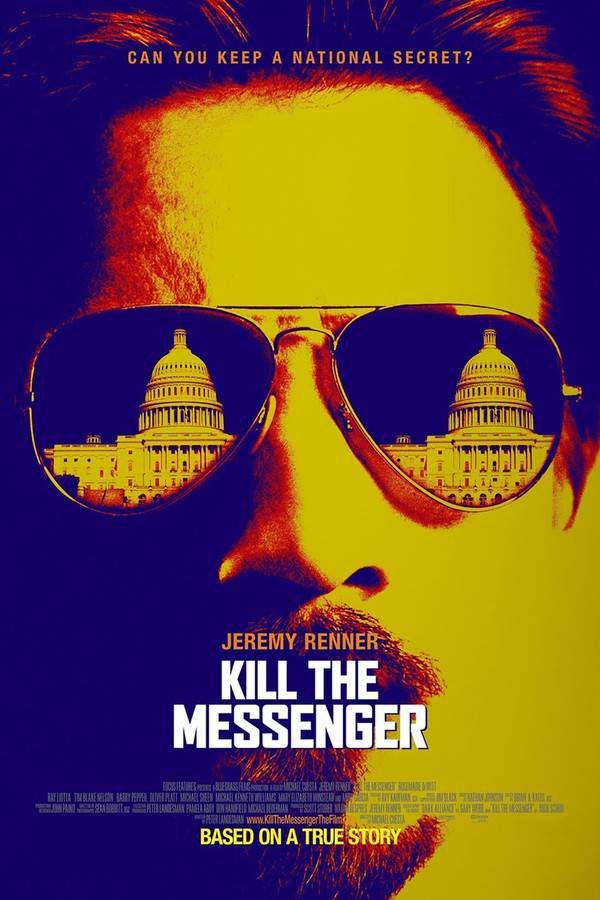
Solitary crusader stories like 150 Milligrams
One determined individual uncovers a hidden truth and faces immense resistance.Movies like 150 Milligrams featuring a lone whistleblower revealing systemic dangers against powerful opposition. If you enjoyed watching a dedicated professional fight for justice against a faceless entity, these narratives share that tense, urgent feel.





Narrative Summary
Stories typically begin with an anomaly or tragedy that piques the protagonist's curiosity, leading them down a rabbit hole of discovery. The central conflict is not just the danger itself, but the obstinate resistance from the very institutions meant to protect the public, forcing the hero to work largely alone.
Why These Movies?
They are grouped by a shared core: a character-driven, tense drama centered on a moral imperative. The pacing is methodical, the tone is serious and often frustrating, and the emotional weight is heavy, stemming from the high stakes of preventable harm.
Movies about bureaucratic nightmares like 150 Milligrams
Stories where the most dangerous enemy is institutional inertia and red tape.Movies similar to 150 Milligrams where characters face the frustrating reality of systemic resistance. If you were gripped by the fight against corporate and bureaucratic obstacles, you'll find similar tension in these films.
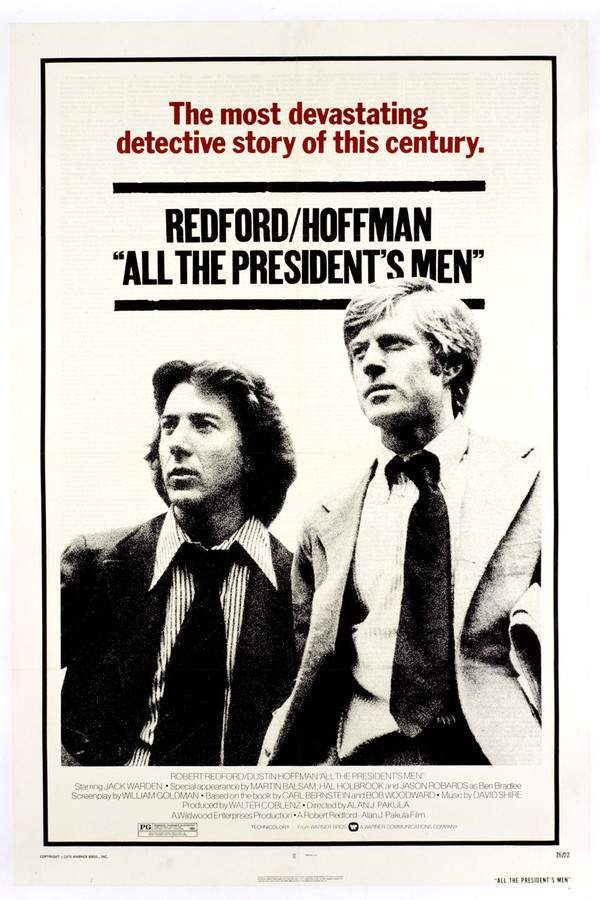
All the President's Men
1976
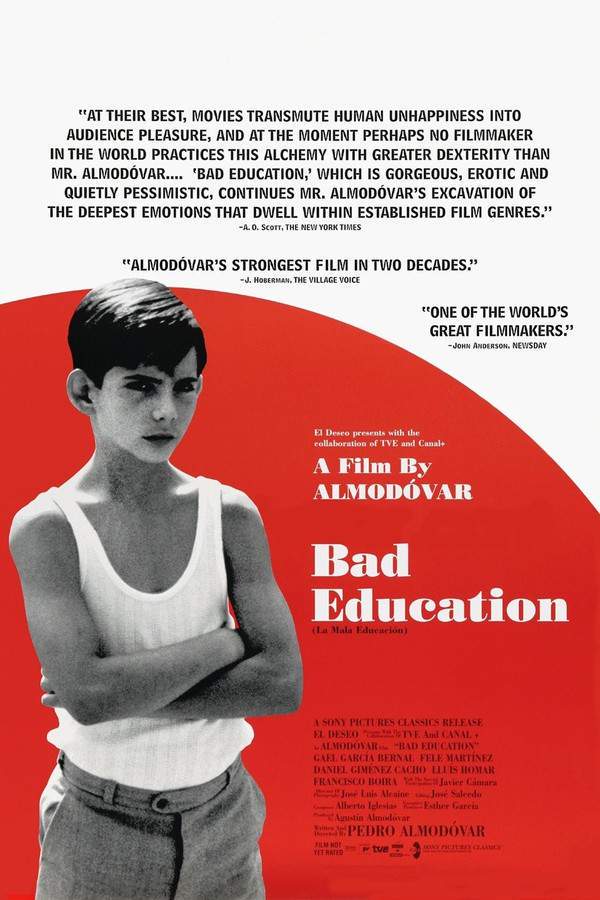
Bad Education
2004
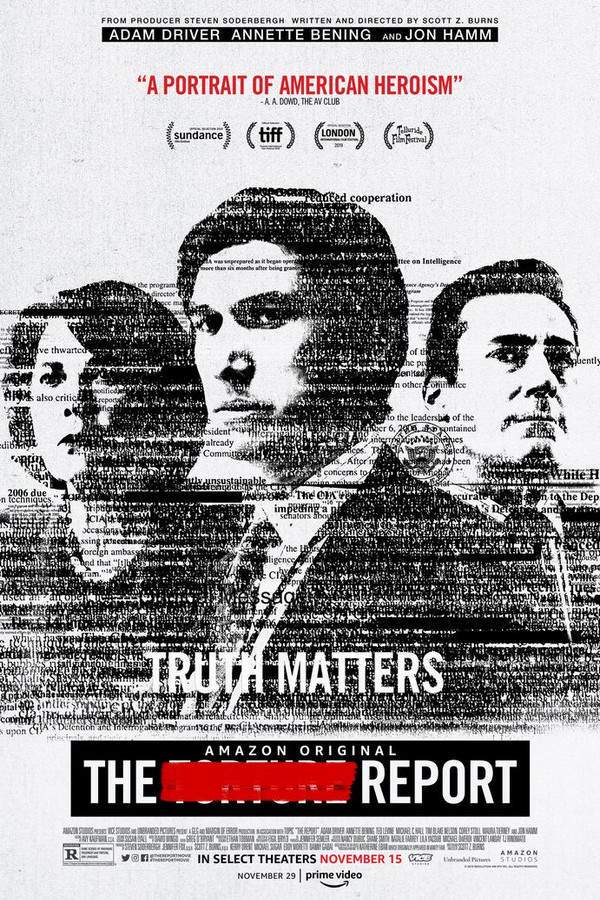
The Report
2019
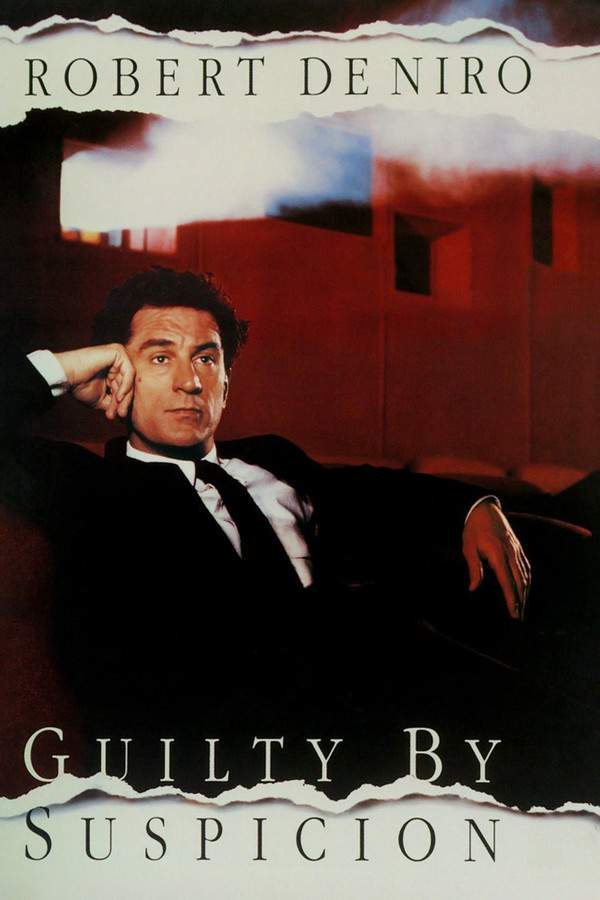
Guilty by Suspicion
1991
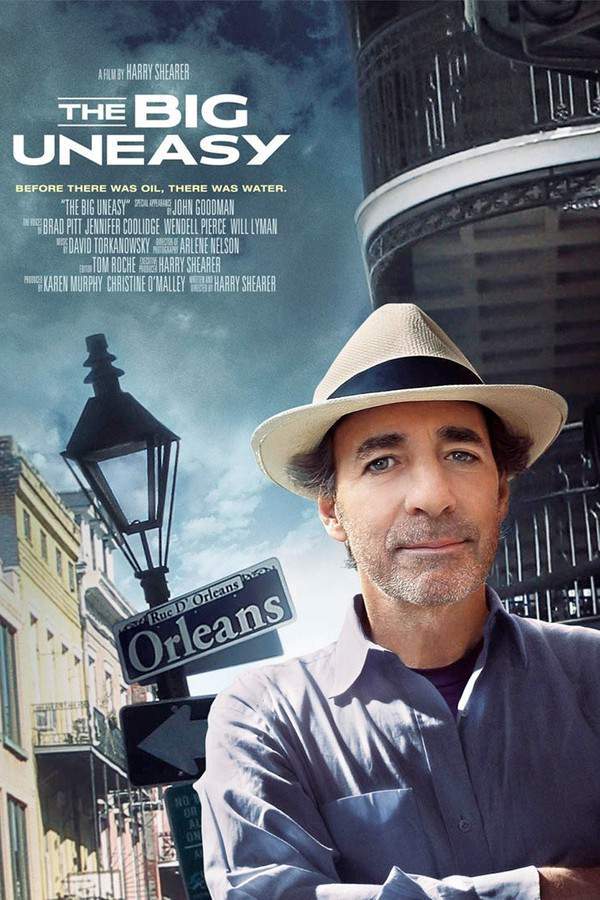
The Big Uneasy
2011

The Teachers' Lounge
2023

Complicit
2013
150 Milligrams
2016

Bad Education
2019

Hidden Agenda
1990

Illustrious Corpses
1976

Crisis Negotiators
2024

An Enemy of the People
1978

Two Prosecutors
2025
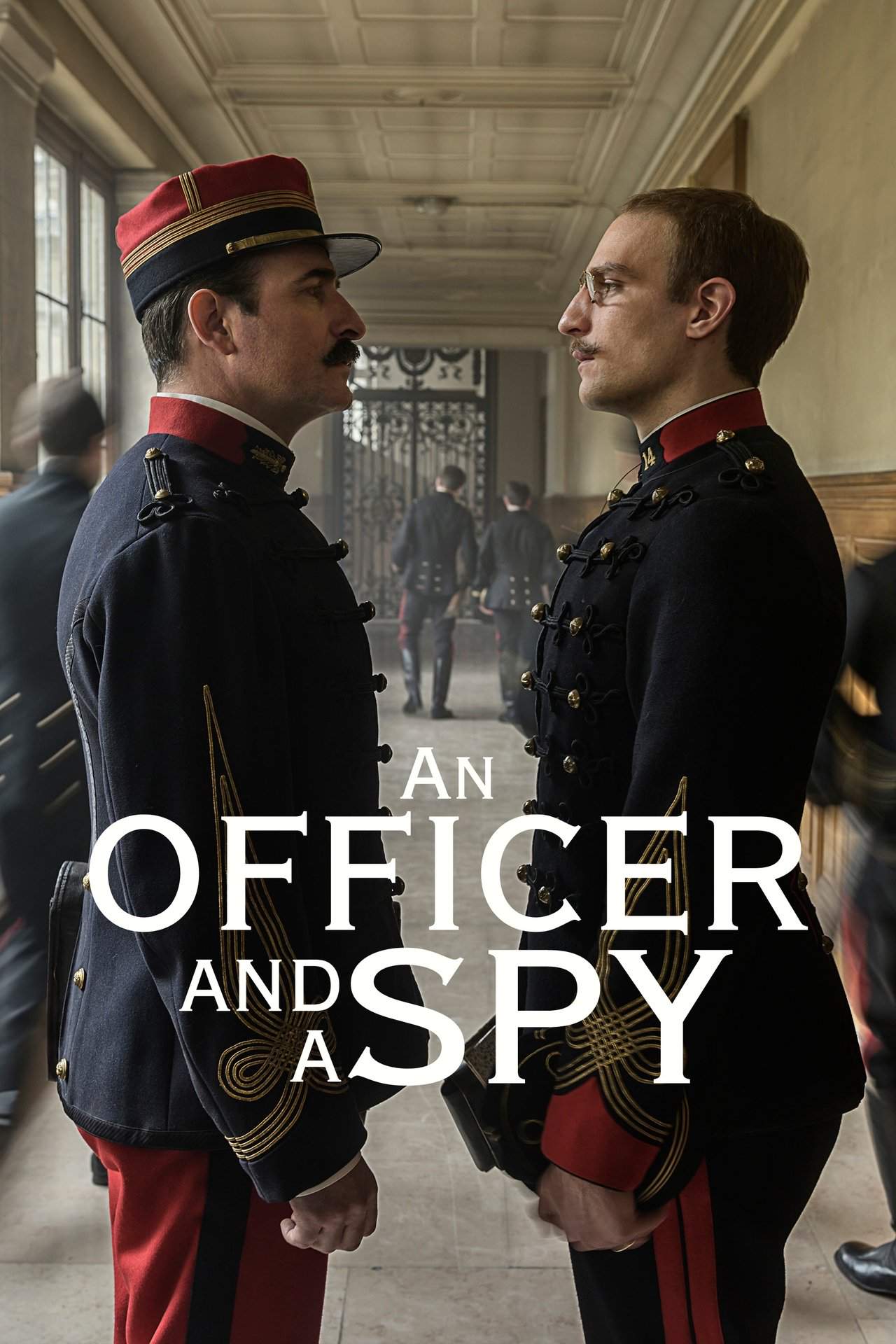
An Officer and a Spy
2025
Narrative Summary
The narrative conflict arises from the clash between individual ethical responsibility and the impersonal, self-preserving nature of large organizations. The plot often involves a painstaking process of gathering evidence while facing dismissal, legal threats, and professional isolation.
Why These Movies?
They share a specific type of tension derived from fighting an abstract, faceless opponent. The pacing is steady and deliberate, focusing on the procedural challenges and the emotional toll of a seemingly unwinnable fight against overwhelming systemic power.
Unlock the Full Story of 150 Milligrams
Don't stop at just watching - explore 150 Milligrams in full detail. From the complete plot summary and scene-by-scene timeline to character breakdowns, thematic analysis, and a deep dive into the ending - every page helps you truly understand what 150 Milligrams is all about. Plus, discover what's next after the movie.
150 Milligrams Summary
Read a complete plot summary of 150 Milligrams, including all key story points, character arcs, and turning points. This in-depth recap is ideal for understanding the narrative structure or reviewing what happened in the movie.

150 Milligrams Timeline
Track the full timeline of 150 Milligrams with every major event arranged chronologically. Perfect for decoding non-linear storytelling, flashbacks, or parallel narratives with a clear scene-by-scene breakdown.


