Plot Explained Spoilers guaranteed!
Plot Explained

Browse by genre

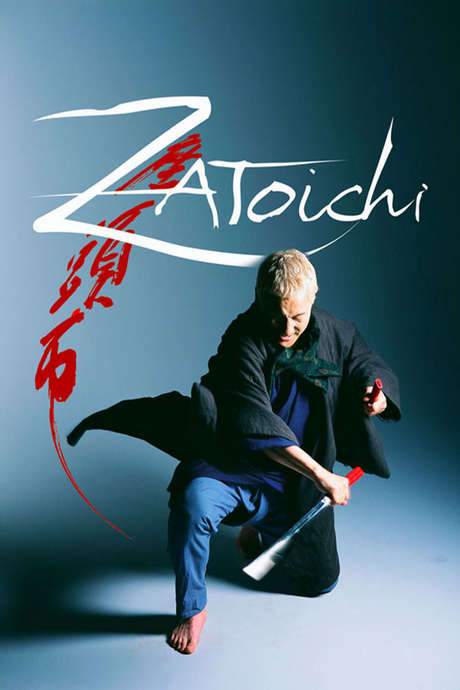
Zatoichi on the Road (1963) movie poster

Timeline

Zatoichi on the Road (1963) Timeline Explained – Every Event in Order

Release, runtime and language
1963 · 87 mins · Japanese
Directed by
Kimiyoshi Yasuda
Starring
Shiho Fujimura, Reiko Fujiwara, Gen Kimura, Shintarō Katsu, Yoshio Yoshida, Sonosuke Sawamura

Zatoichi is sworn to protect the life of a young girl and without any real allies finds himself in the middle of a bloody turf war.

On this page (5)
  1. 1 Events in order (16)
  2. 2 Timeline questions answered
  3. 3 Movie threads
  4. 4 Movies like Zatoichi on the Road
  5. 5 Every angle

16 events in order · contains spoilers

Zatoichi on the Road Timeline: Events in Chronological Order

Every key event of Zatoichi on the Road (1963) in order, scene by scene, with when and where it takes place. Use it to untangle flashbacks, time jumps and parallel storylines, to refresh your memory before the sequel or to find the exact scene you are thinking of.

  1. Ichi is taken to Doyama

    Ichi is escorted to the town of Doyama with all expenses paid by an employee of Hikozo, on the promise of simply meeting him. There is no obligation placed on Ichi beyond meeting the boss, setting up a tense, uncertain start to the journey. The arrangement signals that larger forces are at play behind Ichi's every move.

    When
    early
    Where
    Doyama
  2. Rivals overhear and strike

    Rivals of Hikozo overhear Ichi and his guide at a tea house and launch an ambush. The guide is killed during the attack, and Ichi fights back with lethal efficiency. The brutality foreshadows the dangerous games surrounding Mitsu and her fate.

    When
    night
    Where
    tea house vicinity
  3. Ichi eliminates the attackers

    Ichi finishes off the assailants, including the husband of Hisa, who watches the short fight. His swift, decisive violence reinforces his reputation as a formidable swordsman. After the skirmish, Ichi and Hisa part on cool, wary terms.

    When
    night
    Where
    tea house vicinity
  4. Samurai hunt Mitsu and enlist Ichi

    That night, a group of samurai are hunting a girl named Mitsu. They depart, and Ichi learns the mortally wounded man wants him to protect Mitsu and escort her to Edo. This marks the official turn toward Mitsu’s protected journey.

    When
    night
    Where
    road
  5. Mitsu hidden and protected on the road

    During their travels, Mitsu is found hiding in a shed. Ichi fights off two intruders who come to seize her, and one attacker escapes. The moment cements Ichi’s role as Mitsu’s shield against a widening danger.

    When
    night
    Where
    shed near road
  6. Mitsu reveals why she’s being hunted

    Mitsu confesses that she is hunted because she stabbed a local lord in the face with her hairpin when he tried to violate her. The confession heightens the peril surrounding her and deepens Ichi’s sense of responsibility. They press onward toward Edo with renewed urgency.

    Where
    on the road
  7. Inn stay and a tense massage scheme

    The group reaches an inn where Hisa is staying with Jingoro. Ichi, short on cash, offers a massage to earn money for lodging, and Jingoro seems to use the moment to gauge Mitsu’s importance. Hisa leaves Mitsu with Ichi after a tense exchange.

    When
    night
    Where
    inn
  8. Mitsu's trust wavers, Mitsu returned

    During the massage sequence, Ichi’s sincerity is tested as distrust arises, and Mitsu briefly leaves with Hisa. After a confrontation and a display of swordskill, Mitsu is returned to Ichi, and he chastises her for doubting him. The incident deepens their uneasy bond.

    When
    night
    Where
    inn/travel area
  9. New threat on the road: three samurai fall

    The next day, the group is ambushed by three samurai who push for Mitsu. Ichi dispatches them with lethal precision, and Mitsu expresses gratitude for the hardship she’s endured. The moment reinforces Ichi’s protective role.

    When
    day
    Where
    road
  10. Mitsu asks Ichi to visit her family

    In the next town, Mitsu asks Ichi to accompany her to meet her family in Edo. Ichi’s reluctance softens as she persuades him with a blend of hope and affection. He finally concedes that he will visit, signaling a potential respite from danger.

    When
    day
    Where
    next town
  11. Ichi is courted by Hikozo with money

    Ichi arrives at Hikozo's house and is propositioned with a large sum of money to join the coming fight. Hikozo offers 20 gold ryo, which Ichi accepts because of the stature of the enemies they’ll face. The payment marks Ichi’s formal entry into the power struggle.

    When
    evening
    Where
    Hikozo's house
  12. Mitsu captured by Hisa and Jingoro

    Hisa and Jingoro ambush Mitsu on the road and drag her to Boss Tobei Shimozuma. They intend to use Mitsu to manipulate Ichi and tilt the fight in their favor. The trap tightens as Mitsu becomes central to the political game.

    When
    dawn
    Where
    road
  13. Dawn raid and forced exit from the fight

    Tobei lets Mitsu call out and orders Ichi out of the fight, even offering to return Ichi’s money and forge a simple alliance. Ichi agrees to the setup and decides to take on the other two bosses for revenge. This moment marks the strategic shift toward a multi-faction confrontation.

    When
    dawn
    Where
    outside Doyama
  14. Ichi destroys the rival bosses

    Ichi initiates a devastating assault, isolating Tobei with Hikozo and Tomegoro and killing all three. The other men flee in panic, while Mitsu remains unharmed. Ichi then turns away, leaving a trail of defeated foes and a wary peace in the street.

    When
    dawn/early morning
    Where
    main street
  15. Jingoro and the final showdown

    Tobei’s men arrive with Jingoro, who is now targeted by Ichi. He rejects the coercion, pays Matsu to take Mitsu to the ferry, and almost returns the kerchief he gave earlier. He ultimately kills Jingoro and any man who approaches, ending the immediate threat.

    When
    aftermath
    Where
    road near ferry
  16. Ending: Matsu realises the truth; Ichi walks away

    Matsu realizes Mitsu is the girl Ichi spoke of protecting. Ichi signals that he will not stay with them by giving money to Matsu, then walks away alone along the road. The film closes on a solitary note, with Ichi continuing his wanderer’s path.

    When
    ending
    Where
    road

Last updated: October 09, 2025 at 12:31

Was this helpful?

Timeline questions answered

Zatoichi on the Road Timeline Explained: Your Questions Answered

When does it happen, and why in that order? The questions people ask about the chronology of Zatoichi on the Road (1963): time jumps, flashbacks, cause and effect between scenes and the correct order of events, each answered with spoilers.

Q1

Why is Mitsu being hunted throughout the movie?

Mitsu is being hunted because she stabbed a local lord in the face with her hairpin when he tried to assault her. This act of defiance against a powerful official sparked a broader pursuit, forcing her to flee and seek protection from her family in Edo.

  • mitsu
  • lord
  • hairpin
  • assault
  • hunted
Q2

Why does Zatoichi accept Hikozo's offer to fight?

Ichi accepts Hikozo's offer of 20 gold ryō because the payment is significantly higher than his usual fee, and the enemies he would face are powerful crime bosses. The substantial sum convinces him to formally enter the turf war between the rival factions.

Foreshadowing: Earlier, Ichi is already being paid to travel to Doyama, establishing his willingness to take risky jobs for money.

  • hikozo
  • money
  • gold
  • ryo
  • payment
  • bosses
Q3

Why does Ichi decide to kill all three crime bosses?

After being manipulated by Tobei, who uses Mitsu as leverage, Ichi decides to eliminate all three bosses, Tobei, Hikozo, and Tomegoro. Tobei attempts to force Ichi to fight only his rivals while keeping the money, but Ichi chooses to destroy the entire power structure by killing all three leaders in revenge for their schemes.

Foreshadowing: The timeline shows tensions mounting between the three bosses, with alliances constantly shifting.

  • bei
  • hikozo
  • tome
  • bosses
  • kill
  • battle
Q4

Why does Zatoichi walk away alone at the end?

Ichi walks away alone because he recognizes that staying with Mitsu would mean abandoning his life as a wandering swordsman. He gives money to Matsu as a signal of his intention to part ways, choosing to return to his solitary existence on the road rather than pursue a normal life with her.

Foreshadowing: Earlier, Ichi confesses to Mitsu that if he stays, he might never be able to leave her, hinting at his fear of attachment.

  • ending
  • alone
  • road
  • walk away
  • solitary
  • leave
Q5

Why does Hisa work with Jingorō against Mitsu?

Hisa, despite witnessing Ichi's capability, sides with Jingorō and helps capture Mitsu because she becomes entangled in the political machinations of the crime bosses. Hisa and Jingorō seize Mitsu to use her as leverage against Ichi, intending to manipulate the outcome of the turf war.

Foreshadowing: After her husband is killed by Ichi, Hisa leaves on uneasy terms, suggesting lingering resentment.

  • hisa
  • jingoro
  • betray
  • capture
  • mitsu
Q6

Why does Mitsu ask Ichi to visit her family in Edo?

Mitsu asks Ichi to visit her family because she has developed feelings for him during their journey together. By inviting him to meet her family, she is hoping he will choose to stay with her and build a future rather than continue wandering as a lone swordsman.

Foreshadowing: The two grow closer during the journey, with Mitsu showing affection and gratitude.

  • mitsu
  • edo
  • family
  • visit
  • future
  • relationship
Q7

What is the significance of the kerchief Matsu almost returns?

The kerchief represents Mitsu's connection to Ichi and the possibility of a life together. Matsu hesitates before returning it, symbolizing his understanding that Ichi is choosing to leave. The moment highlights the emotional tension of Ichi's decision to walk away.

  • kerchief
  • matsu
  • mitsu
  • return
  • symbolic
Q8

Why does Ichi confess he might not be able to leave Mitsu?

Ichi confesses this because during their journey together, he has developed genuine feelings for Mitsu. The hardships they shared and her affection made him consider a life beyond wandering. This rare moment of vulnerability shows his internal conflict between his solitary lifestyle and the desire for connection.

Foreshadowing: Mitsu playfully interacts with Ichi during the journey, showing their growing bond.

  • confession
  • leave
  • feelings
  • attachment
  • mitsu
Q9

How does Ichi defeat all three bosses in the final battle?

Ichi initiates a devastating assault by isolating Tobei, Hikozo, and Tomegoro together. He fights with lethal precision, eliminating all three bosses in quick succession. The panic spreads as their remaining forces scatter and flee, leaving Ichi standing victorious in the street.

  • fight
  • bosses
  • defeat
  • battle
  • victory
  • swordsman
Q10

Why did Mitsu stab the local lord with her hairpin?

Mitsu stabbed the lord because he attempted to assault her. In desperation, she used her hairpin as a weapon, striking him in the face. This act of self-defense against the powerful official forced her to flee and made her a target for revenge.

  • lord
  • hairpin
  • assault
  • self-defense
  • stabbed
Q11

Why does Ichi give money to Matsu at the end?

Ichi gives money to Matsu as a signal that he is leaving and will not stay with Mitsu. He asks Matsu to escort her to the ferry, effectively handing over his responsibility and his future with her to another man. The money represents his final act of care while choosing to walk away.

  • money
  • matsu
  • payment
  • leave
  • escort

Movie threads

More Movies Like Zatoichi on the Road, by Mood & Story

Curated lists built around what makes Zatoichi on the Road tick: the same mood, the same kind of story or the same emotional payoff. Each list explains why these movies belong together.

Lone Wolf Guardian stories like Zatoichi on the Road

A solitary warrior risks everything to protect the innocent from overwhelming danger. For viewers who enjoyed the protective journey in Zatoichi on the Road. This thread gathers movies about solitary fighters who become unexpected guardians, blending intense action with a deep sense of duty and melancholic farewells. If you like stories of a lone warrior against the world, you'll find similar tales here.

  • lonely protector
  • tense duty
  • reckless confidence
  • melancholic parting
  • cool detachment
  • sacrificial
  • Tone: tense, melancholic
  • Pacing: fast, driven
Why these movies?

The story pattern: A narrative built around a drifter or outcast who forms a temporary, often silent, bond with a character in need. Their primary drive becomes protection, leading them to confront a large, organized threat. The story culminates in a decisive confrontation where the protector's skills are tested, typically ending with them walking away alone, their duty fulfilled but their solitude intact.

Why they belong together: Movies are grouped here for their shared core of a lone protector archetype, the high-stakes tension of a defensive mission, and the bittersweet emotional tone that comes from a professional yet deeply personal sacrifice. The blend of fast-paced action with a melancholic, lonely mood creates a distinctive experience.

Gang war dramas with moral complexity like Zatoichi on the Road

Bloody turf wars test the limits of loyalty, honor, and personal obligation. If you liked the gritty gang conflict in Zatoichi on the Road, this thread highlights similar movies centered around violent turf wars. These films often feature a neutral party forced to navigate a web of betrayal and obligation, resulting in stories with high intensity, complex loyalties, and a tense, grounded atmosphere.

  • gang war
  • shifting loyalties
  • bloody conflict
  • honor code
  • moral ambiguity
  • tense standoffs
  • Tone: tense, bleak
  • Pacing: fast, chaotic
Why these movies?

The story pattern: The plot revolves around a power struggle between competing criminal or feudal groups, often seen through the eyes of a character who is not fully aligned with either side. The narrative complexity comes from betrayals and uneasy alliances. The story builds relentlessly toward a large-scale, violent climax that resolves the conflict but leaves a trail of destruction, questioning the value of the honor codes that fueled it.

Why they belong together: These films are united by their central setting of an organized gang war, which creates a high-tension, fast-paced environment. They share a moderate narrative complexity due to faction dynamics and a consistent exploration of themes like honor, obligation, and the cost of violence, even when the central character is a lone figure.

If you liked this

Movies Like Zatoichi on the Road

Similar movies to Zatoichi on the Road: the same genre, themes or kind of story. Each one comes with its own plot summary, timeline and ending explained.

Browse all movie summaries

Every angle

Zatoichi on the Road (1963) Explained: Plot, Timeline & Characters

Everything about Zatoichi on the Road in one place: what happens in the plot summary, the timeline in chronological order, the characters and meaning and a spoiler-free summary. What's After the Movie adds the cast, box office and post-credit scenes.

Coming soon on iOS and Android

The Plot Explained Movie Summary App

Plot summaries, endings explained and timelines on your phone. Catch up on any movie in minutes, save your favorites and never miss a twist again.

Be the first to know when we launch. Your email stays private, always.

Learn more about the app