YMCA Baseball Team
Year: 2002
Runtime: 104 mins
Language: Korean
Director: Kim Hyun-seok
The first Korean baseball team triumphs on the field and wins the hope of its people. While visiting a YMCA hall, Hochang watches missionaries and Jeongrim playing baseball, and falls for Jeongrim. Inspired, he rallies locals to create Joseon’s inaugural YMCA baseball squad.
Warning: spoilers below!
Haven’t seen YMCA Baseball Team yet? This summary contains major spoilers. Bookmark the page, watch the movie, and come back for the full breakdown. If you're ready, scroll on and relive the story!
YMCA Baseball Team (2002) – Full Plot Summary & Ending Explained
Read the complete plot breakdown of YMCA Baseball Team (2002), including all key story events, major twists, and the ending explained in detail. Discover what really happened—and what it all means.
This film unfolds as a nostalgic flashback, narrated through the eyes of a young Korean boy, who vividly recalls the early days of baseball in his country, intertwined with his family’s history and national identity. The story begins with Yi Ho-chang and his friend in a rural field, where their playful misadventures lead them into surprising discoveries about the sport that would soon capture their hearts and minds.
Initially, Ho-chang is more interested in his soccer ball, but when it accidentally gets kicked into a nearby property, he climbs over the gate of a American Christian missionary school to retrieve it. Inside, he encounters a small, hard ball—which he humorously mistakes for his soccer ball—only to be corrected by a missionary who explains that he’s holding a baseball. Fascinated and curious, Ho-chang quickly becomes captivated by this new sport, vowing to learn more despite his initial confusion.
Driven by his fascination, Ho-chang returns to the school along with a group of local Koreans, where they form an impressive team under the guidance of their dedicated female coach, Min Jung-rim. Despite societal expectations and cultural barriers, the team demonstrates notable skill and emerging success, quickly becoming a source of pride for their small town. Their spirited journey highlights themes of perseverance and national pride during a period of Japanese colonial rule.
Throughout the narrative, Ho-chang’s character experiences a classic romantic subplot—his unrequited love for Coach Min Jung-rim adds a touch of levity and sincerity to their story. Their relationship, filled with humor and longing, underscores the personal struggles faced amidst broader political tensions.
One of the key moments occurs when the team is confronted by Japanese soldiers, who claim that their training ground has been taken over to establish a Japanese military camp. To settle this dispute, Oh Dae-hyeon, [Kim Joo-hyuk], who used to study in Tokyo, proposes a baseball game against the Japanese soldiers. This game is not only a playful challenge but also serves as a metaphorical battleground for national identity; it symbolizes the Koreans’ desire to assert themselves and demonstrate their resilience.
Meanwhile, in the political arena, tension escalates over the Eulsa Treaty, which officially made Korea a protectorate of Japan. The film reflects the unrest through the characters’ involvement in the Anti-Eulsa League, which protests against the betrayal of Korean sovereignty. Among the players, Kwang-tae, whose father is among the treaty’s signatories, epitomizes this internal conflict.
Despite their efforts, the team faces defeat against the Japanese in an initial match, symbolizing the struggles Koreans faced in overcoming colonial oppression. This loss leads to a period of disillusionment, during which the players abandon baseball to pursue more “practical” roles in society, including Ho-chang, who fulfills his father’s wish to succeed in managing the family school, even though his passion lies elsewhere.
However, the story culminates with a final, dramatic rematch between the Korean team and the Japanese. This victorious game becomes a powerful symbol of unity, resilience, and the unbreakable spirit of the Korean people. Their triumph underscores that, despite social and political upheavals, the unifying power of baseball can inspire hope and solidarity.
Filled with moments of humor, heartfelt emotion, and historical context, this film celebrates not only the sport itself but also the broader themes of patriotism, perseverance, and cultural pride during a turbulent time in Korea’s history.
Last Updated: August 19, 2025 at 05:12

Explore Movie Threads
Discover curated groups of movies connected by mood, themes, and story style. Browse collections built around emotion, atmosphere, and narrative focus to easily find films that match what you feel like watching right now.
Inspirational Sports Movies Like YMCA Baseball Team
Feel-good tales where a team's victory symbolizes a nation's spirit.If you enjoyed the uplifting journey and national spirit in YMCA Baseball Team, you'll find similar stories here. This list features movies where a sports team's underdog victory becomes a powerful symbol of cultural pride and hope, blending heartfelt drama with the excitement of the game.

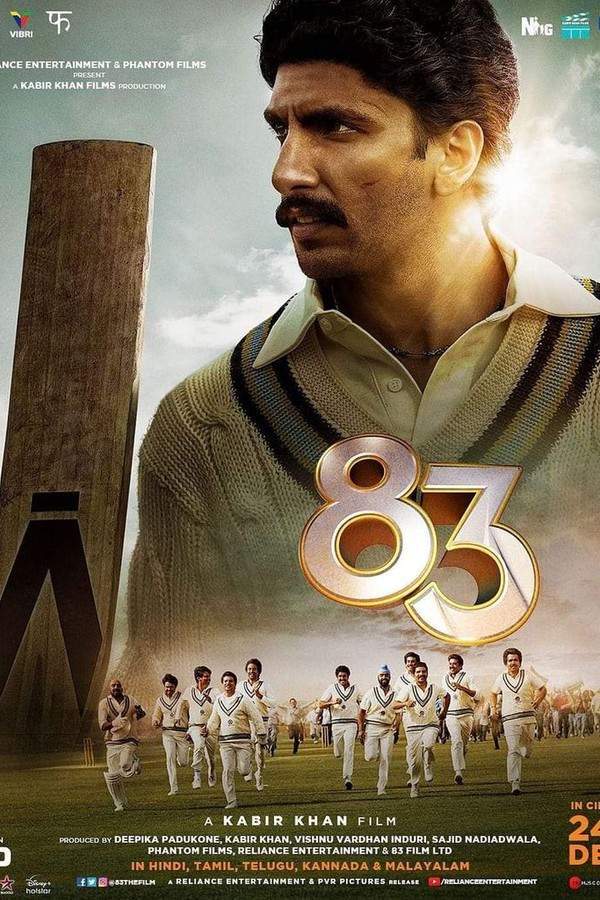

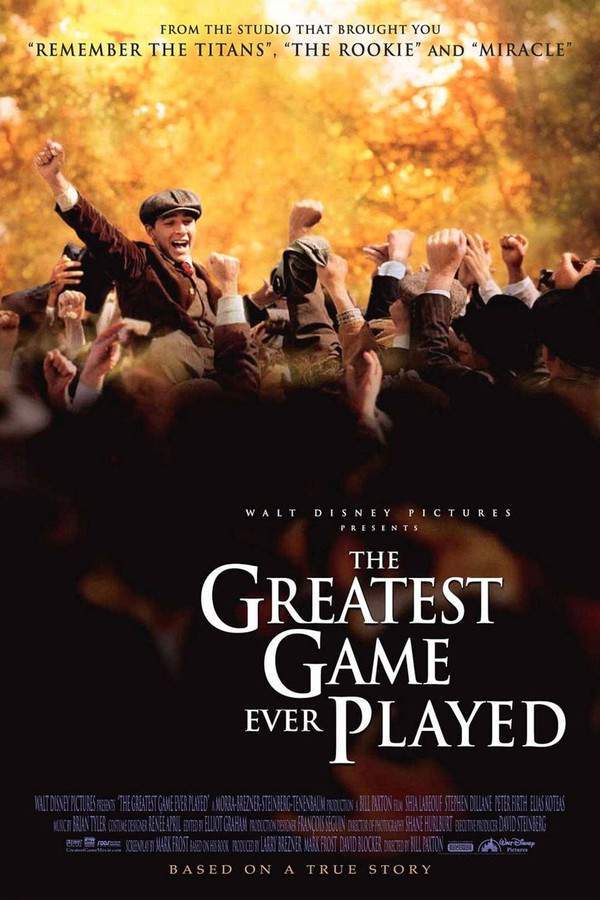

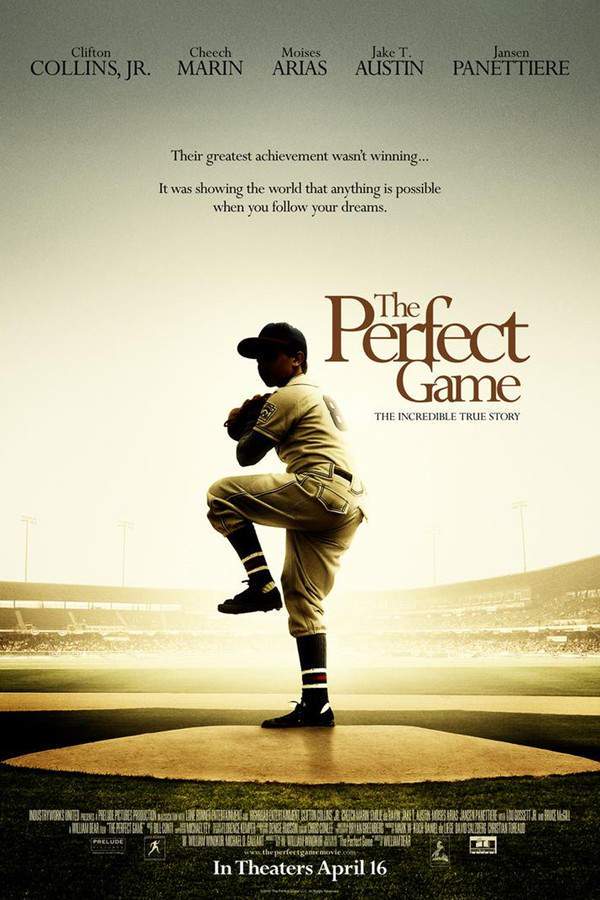
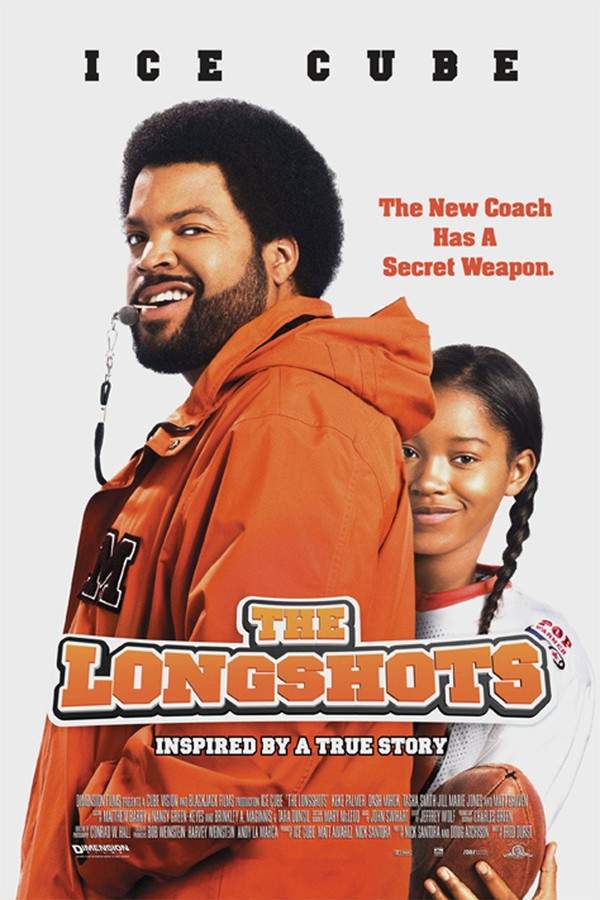






Narrative Summary
Stories typically follow a group of underestimated individuals who form a team. Their journey involves initial struggle, training montages, pivotal games, and a final triumph that transcends the sport itself, often representing a larger victory for their community or culture against a backdrop of historical or social challenges.
Why These Movies?
These movies share a specific blend of genre elements: the predictable but satisfying arc of a sports story is enriched by a heartfelt, patriotic theme. They consistently deliver a hopeful, inspiring tone with steady pacing, balancing the tension of competition with the emotional weight of cultural significance.
Heartfelt Historical Comedies Similar to YMCA Baseball Team
Charming period stories where humor and heart conquer serious challenges.Looking for more movies like YMCA Baseball Team that blend history with humor? These selections are charming comedies set in the past, where serious themes are balanced by a hopeful, heartfelt tone. They offer an uplifting and humorous look at historical events through the lens of relatable characters.

The Broken Hearts Gallery
2020

The Best of Times
1986

Where the Heart Is
2000
Finding Joy
2013

Where the Heart Is
1990

Middle Class Melodies
2020

How to Be a Good Wife
2020

Americanish
2021

Tumse Na Ho Payega
2023

Middle Class Melodies
2020

Dreaming Out Loud
1940

We Can Do That
2008

Dear Heart
1964

The Holiday List
2024

Mr. Housekeeping
2025
Narrative Summary
The narrative often centers on everyday people navigating a challenging historical setting. The plot balances moments of genuine difficulty with humorous situations and character interactions, leading to a resolution that emphasizes resilience, community, and optimism without dismissing the gravity of the era.
Why These Movies?
They are connected by a unique tonal balance: the accessibility of comedy is used to engage with weightier historical topics, resulting in a viewing experience that is both meaningful and uplifting. The pacing is steady, the intensity is medium, and the blend of humor and heartfelt emotion creates a distinct, positive vibe.
Unlock the Full Story of YMCA Baseball Team
Don't stop at just watching — explore YMCA Baseball Team in full detail. From the complete plot summary and scene-by-scene timeline to character breakdowns, thematic analysis, and a deep dive into the ending — every page helps you truly understand what YMCA Baseball Team is all about. Plus, discover what's next after the movie.
YMCA Baseball Team Timeline
Track the full timeline of YMCA Baseball Team with every major event arranged chronologically. Perfect for decoding non-linear storytelling, flashbacks, or parallel narratives with a clear scene-by-scene breakdown.

Characters, Settings & Themes in YMCA Baseball Team
Discover the characters, locations, and core themes that shape YMCA Baseball Team. Get insights into symbolic elements, setting significance, and deeper narrative meaning — ideal for thematic analysis and movie breakdowns.