
Yellow Flowers On the Green Grass
Year: 2015
Runtime: 103 mins
Language: Vietnamese
Director: Victor Vũ
After and act of violence leaves his brother Tuong paralyzed, Thieu discovers the true meaning of brotherhood.
Warning: spoilers below!
Haven’t seen Yellow Flowers On the Green Grass yet? This summary contains major spoilers. Bookmark the page, watch the movie, and come back for the full breakdown. If you're ready, scroll on and relive the story!
Yellow Flowers On the Green Grass (2015) – Full Plot Summary & Ending Explained
Read the complete plot breakdown of Yellow Flowers On the Green Grass (2015), including all key story events, major twists, and the ending explained in detail. Discover what really happened, and what it all means.
This film paints a tender, unvaried portrait of love for a hometown, family, and the rough edges of adolescence in a poverty-stricken village in the Central Region of Vietnam during the 1980s. At the center are two brothers, Tường, a gentle and innocent seventh-grader, and Thiều, his older brother whose selfish, stubborn streak often clashes with the world around him. The story unfolds through the lens of Thiều’s diary, a daily record of his life, thoughts, and the complicated emotions that simmer beneath his outward bravado.
Tường is kind, imaginative, and deeply attached to his little acts of kindness—he loves animals, especially insects, and he fills his days with books and folk tales. He is the steady heart in the family, generous and patient, and his quiet seriousness contrasts with Thiều’s more outgoing, trouble-seeking nature. The brothers’ bond is the backbone of the film, a heartbeat that can both shelter and wound, depending on the moment.
Their father is described as a courteous man who carries a short fuse, and their mother is gentle but strict, a figure who tempers the brothers’ missteps with steady guidance. The home is simple and warm in moments, but it is also marked by hardship and a reality that leaves little room for indulgence. In the village, Uncle Đàn—Thiều’s father’s younger brother—is handicapped yet endlessly hopeful, filling their world with spooky stories and small, comforting thrills. He cherishes Vinh, the daughter of their stern teacher, weaving a quiet thread of longing and small-scope romance into the village’s everyday rhythm.
A pivotal presence in the tale is their classmate Sơn, a muscular, prankful boy who often tests the limits of friendship and propriety. In contrast to Sơn’s unruly energy stands Mận, a cute and sincere girl who carries the weight of caring for her sick father, who is kept hidden in a shack. Mận’s family is strained; her father is believed to be dead after a fire destroys the shack, and her mother faces arrest in the wake of the blaze. The truth, however, is more complex: Mận’s father is alive, and her mother’s fate remains a source of fear and hope for her. When Mận arrives at the family’s home, Thiều and Tường open their doors to her, and she becomes a focal point in the brothers’ evolving relationship with love and jealousy.
As Mận settles into the household, Thiều’s jealousy begins to surface. The fragile balance of friendship and affection is tested, and the brothers must confront the consequences of a world that seems stacked against them. A thread running through the narrative is the fate of Cu Cậu, Tường’s beloved pet toad, whose presence symbolizes the innocence of childhood and the fragility of their small joys. The toad’s fate becomes a haunting memory for Thiều, a reminder of the cost of his carelessness and the fragility of family ties.
The village endures a flood that tests everything the brothers have built. When the waters retreat, they return to a landscape of poverty and scarcity, with crops failing and the sense that survival still hinges on resilience and mutual support. In the wake of disaster, Uncle Đàn and Vinh become part of a larger plan to escape the shadows of their village, seeking a future beyond the familiar hills. Yet the pull of home—of the people who shaped their early years—remains strong, pulling them back to the memory of what they shared.
Amidst these upheavals, Thiều’s selfishness grows more pronounced, and his relationship with Tường becomes increasingly strained. A brutal moment changes everything: Thiều strikes Tường with a heavy stick, leaving him paralyzed. The act fractures the brothers’ companionship and sends a ripple of guilt through Thiều, who realizes in the aftermath that Tường had placed his hope in Mận’s companionship—an awareness that haunts him and reframes his own choices.
Throughout the narrative, the film stays grounded in the emotional texture of everyday life in a small village, with its rhythms of school, chores, and neighborly ties. It explores how love can take many forms—romantic, familial, and platonic—and how memory and regret shape the path forward. The diary becomes both confession and witness: a record of what is lost and what endures, a testament to the stubborn persistence of family bonds even when those bonds are strained to the limit.
In the end, the story remains faithful to its core: a coming-of-age tale set against the backdrop of poverty, resilience, and the stubborn, complicated love that kin and friends can offer. It is a meditation on how childhood joys—like reading, tales of old heroes, the sight of a loyal toad, or the simple comfort of a sibling’s presence—persist even as life grows heavier with responsibility, heartbreak, and the uncertain promise of a brighter tomorrow.
Last updated: October 03, 2025 at 06:47
Yellow Flowers On the Green Grass (2015) Plot Questions Answered – Summary FAQ
Explore frequently asked questions about Yellow Flowers On the Green Grass (2015) with spoiler-rich answers covering the full plot summary, major story beats, character motivations, hidden details, and ending meaning. This movie summary FAQ helps explain confusing scenes, plot twists, and narrative decisions in clear, searchable detail.
Why does Thiều strike Tường with a heavy stick?
Thiều attacks Tường in a moment of anger, striking him with a heavy stick and leaving him paralyzed. The violence stems from Thiều's growing jealousy and selfishness throughout the film, exacerbated by the hardships they face. After the act, Thiều is consumed by guilt when he realizes Tường had placed his hope in Mận's companionship, an awareness that haunts him and reframes all his previous choices.
Earlier conflicts between the brothers and Thiều's increasingly selfish behavior foreshadow this brutal moment.
Why does Thiều become jealous of Tường and Mận?
When Mận arrives at the family home, she becomes a focal point in the brothers' evolving relationship. Thiều's jealousy surfaces because Tường forms a quiet closeness with Mận, which unsettles the older brother. This jealousy strains their bond and reflects Thiều's insecurity about losing his brother's attention and affection to the new arrival.
The text notes that the delicate balance of friendship and budding affection strains their bond as Mận settles in.
What happens to Tường after he becomes paralyzed?
After Thiều strikes him, Tường is left paralyzed. The act shatters their companionship completely and sends a ripple of guilt through Thiều. The family reels from the consequences, and the home is filled with a quiet storm. The film explores how the brothers must navigate this tragedy and whether their bond can endure such a wound.
The brothers' relationship had been strained throughout the film, with Thiều's selfishness widening the rift between them.
What is the truth about Mận's father?
Rumors spread that Mận's father died in a fire that destroyed the family's shack, and that her mother might be arrested in the wake of the blaze. However, the truth is more complex: Mận's father is actually alive. Her mother's fate remains a source of fear and hope for Mận, adding emotional complexity to her situation and the brothers' feelings toward her.
The mystery of Mận's family background creates tension throughout the narrative.
What is the significance of Cu Cậu the toad in the story?
Cu Cậu is Tường's beloved pet toad, representing childhood innocence and the small joys available to the brothers despite their poverty. Tường cares for it with gentle devotion. Later, the toad becomes a haunting memory for Thiều, a reminder of the cost of his carelessness and the fragility of their family ties. The toad symbolizes what can be lost when mistakes are made.
The toad appears early in the story as a symbol of innocent joy that will be lost.
Why does Thiều become increasingly selfish throughout the film?
Thiều's selfish, stubborn streak is present from the beginning and clashes with the world around him. As hardships mount, including poverty, the flood, and family tensions, his selfish impulses intensify. This character flaw widens the rift with Tường and ultimately leads to his brutal act. The film portrays his coming-of-age arc as defined by flawed choices shaped by domestic pressures and his difficult temperament.
The film establishes Thiều's selfish nature from the opening scenes.
How does the flood impact the village and story?
A devastating flood sweeps through the village, testing the brothers' resilience and the community's bonds. Crops fail and homes are damaged as neighbors rally to survive. When the waters recede, life returns to a patched-together normal, reminding them of what they stand to lose. The flood becomes a pivotal moment that reshapes their relationships and future possibilities, and prompts Uncle Đàn and Vinh to consider escaping the village.
The flood serves as a turning point that accelerates several storylines.
What happens to Uncle Đàn and Vinh?
Uncle Đàn, the handicapped but hopeful uncle, has a soft bond with Vinh, the daughter of their stern teacher. After the flood destabilizes the village, Uncle Đàn and Vinh join a broader plan to escape the shadows of their village and seek a future elsewhere. However, the pull of home remains strong, creating a new kind of ache as they weigh whether to leave the people and memories they cherish.
Uncle Đàn's hopeful nature and his connection to Vinh are established early, setting up this storyline.
Why is the diary important in the film?
Thiều keeps a diary that frames the entire story, a daily record of his life, thoughts, and the emotional weather of their home. After the tragedy, the diary becomes both confession and witness, recording what happened and the guilt that tears at Thiều. It preserves the memory of lost innocence and the stubborn thread of family bonds that endure despite pain, acting as a bridge between past and present.
The diary is introduced at the very beginning, establishing it as the narrative frame.
Why does the film end on a bittersweet note?
The ending acknowledges heartbreak and the uncertain promise of a brighter tomorrow while emphasizing what endures. Despite the weight of their struggles, poverty, paralyzing injury, and family strain, small joys persist: reading, tales of old heroes, and the steady presence of a brother's care. The film suggests that love for family and hometown can outlive hardship, offering a quiet promise rather than easy reconciliation.
The melancholic tone is established early, balanced with moments of tenderness.

Explore Movie Threads
Discover curated groups of movies connected by mood, themes, and story style. Browse collections built around emotion, atmosphere, and narrative focus to easily find films that match what you feel like watching right now.
Melancholic coming-of-age stories like Yellow Flowers On the Green Grass
Tender portraits of youth confronted with the end of innocence.If you liked the tender and reflective look at childhood in 'Yellow Flowers On the Green Grass,' explore more movies like it. These similar dramas focus on the bittersweet loss of innocence, the resilience of youth, and the enduring bonds of family amidst challenging circumstances.

We Couldn't Become Adults
2021
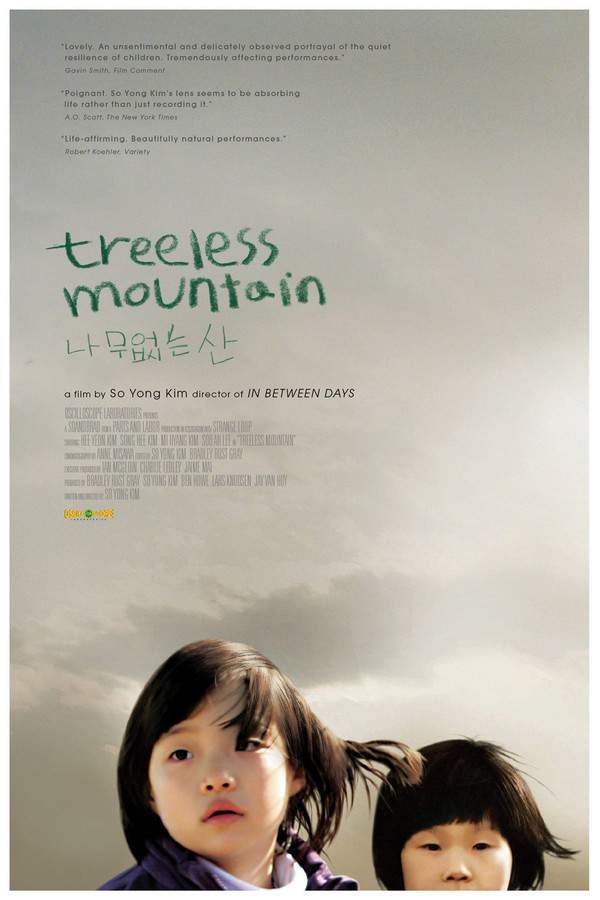
Treeless Mountain
2009

Youth
2015

Youth
2015
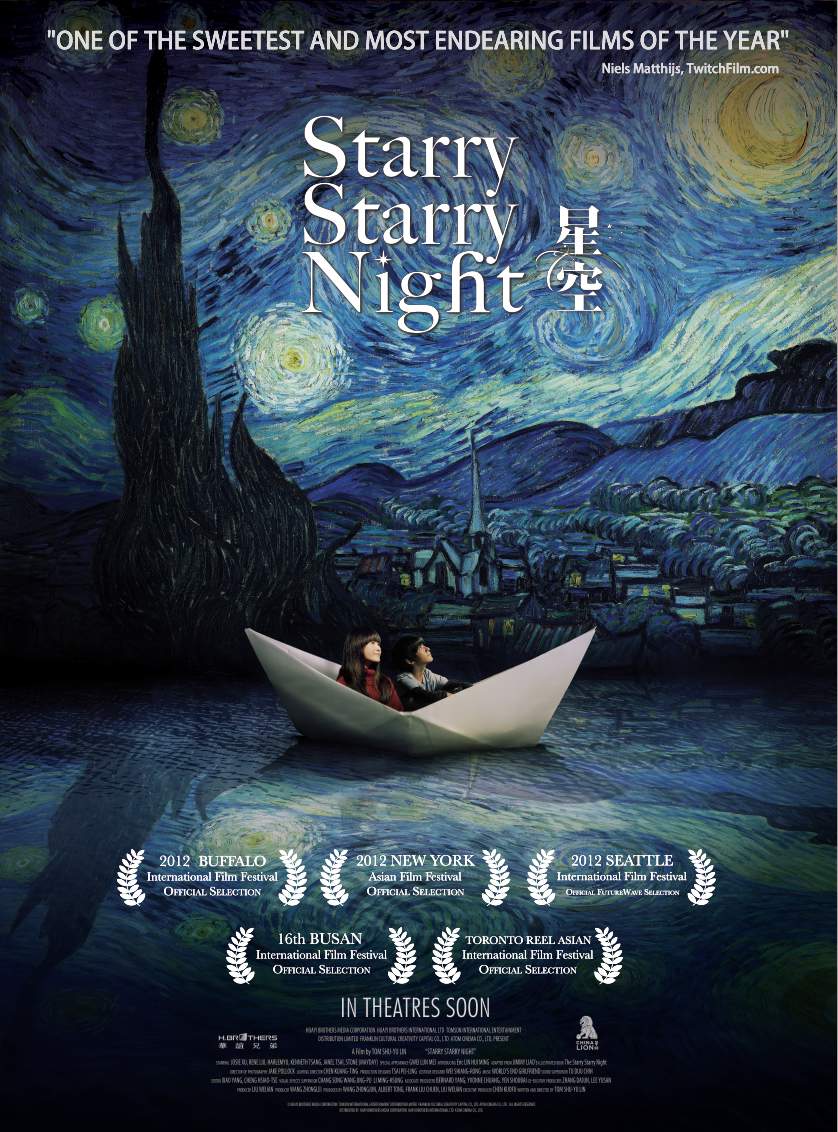
Starry Starry Night
2012
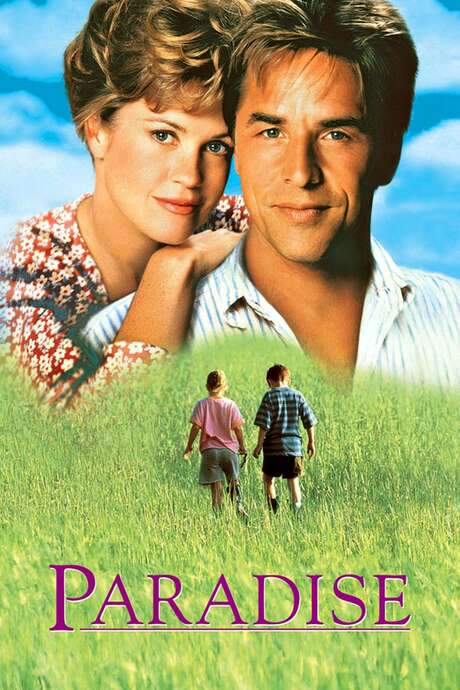
Paradise
1991

A Distant Cry from Spring
1980

Year of Enlightment
1986

A Summer Story
1988
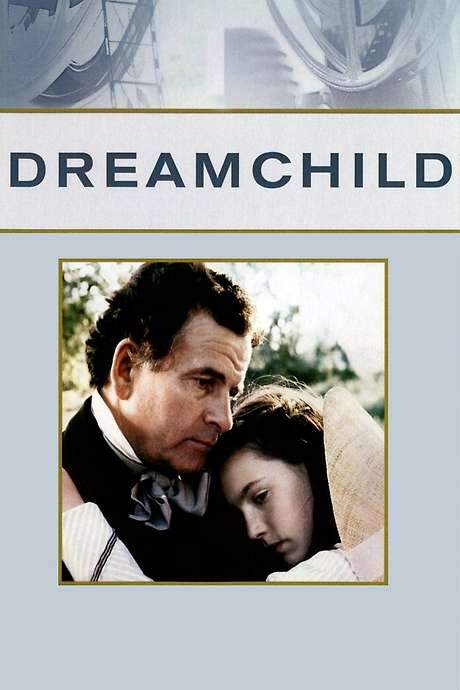
Dreamchild
1985

No Looking Back
1998

Somewhere I Have Never Travelled
2009

For a Lost Soldier
1992

Goodbye First Love
2024

A Summer Story
2024
Narrative Summary
Stories in this thread typically follow a young protagonist through a pivotal event that shatters their innocent worldview. The narrative is often reflective, looking back on a formative period marked by a mix of nostalgic warmth and the harsh realities of growing up too soon.
Why These Movies?
These films are grouped together for their shared melancholic tone, focus on childhood's end, and a pacing that allows for deep emotional reflection. They balance tender moments with the inevitable pain of growing up, creating a profoundly bittersweet experience.
Movies about brotherhood and guilt like Yellow Flowers On the Green Grass
Stories where a tragic event tests and ultimately redefines family bonds.For viewers who appreciated the deep exploration of brotherly love and guilt in 'Yellow Flowers On the Green Grass,' this collection features similar movies. These dramas depict siblings grappling with a shared tragedy, the weight of responsibility, and the slow, painful process of healing fractured bonds.

The Newton Boys
1998

Brother
2001

The Boys Are Back
2009
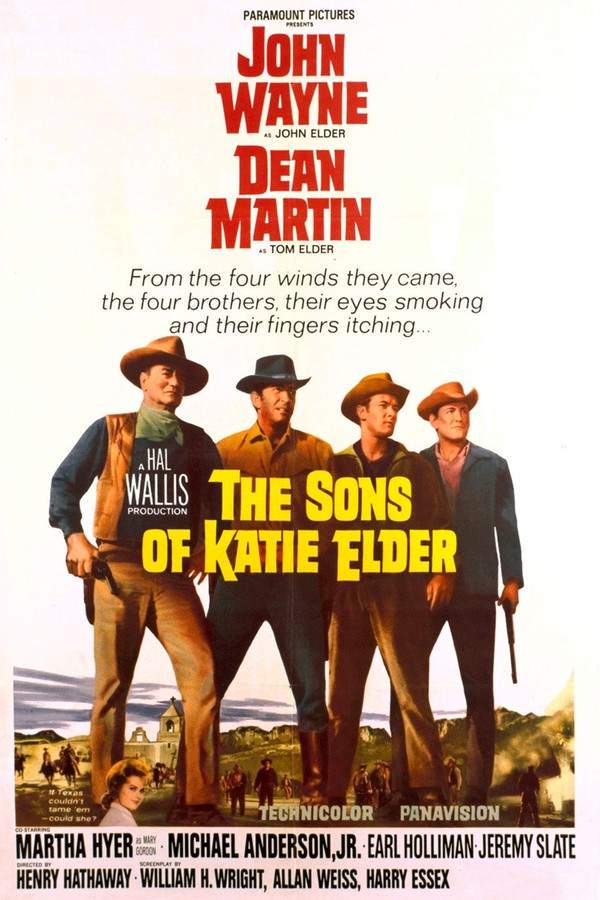
The Sons of Katie Elder
1965

The Brooklyn Brothers Beat the Best
2012

Three Kings
2011

Bruce Lee, My Brother
2010

A Brother’s Love
2019

Brother Sun, Sister Moon
1972
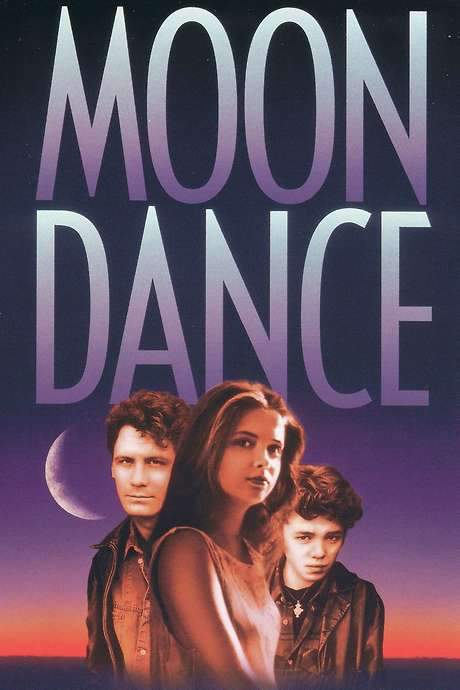
Moondance
1994

When The Bough Breaks
1947

Boys Town
1938

Bad for Each Other
1953

Gun Brothers
1956

Brother Orchid
1940
Narrative Summary
The narrative pattern involves a close sibling relationship disrupted by a pivotal incident for which one sibling bears responsibility. The story then follows the emotional fallout, the burden of guilt, and the slow, often unspoken, process of seeking forgiveness and rebuilding a relationship on new, more honest terms.
Why These Movies?
These films share a core focus on the dynamics of brotherhood, the thematic weight of guilt and redemption, and a medium emotional intensity driven by personal tragedy. They are character-driven dramas that explore how familial love endures even through profound pain and mistake.
Unlock the Full Story of Yellow Flowers On the Green Grass
Don't stop at just watching - explore Yellow Flowers On the Green Grass in full detail. From the complete plot summary and scene-by-scene timeline to character breakdowns, thematic analysis, and a deep dive into the ending - every page helps you truly understand what Yellow Flowers On the Green Grass is all about. Plus, discover what's next after the movie.
Yellow Flowers On the Green Grass Timeline
Track the full timeline of Yellow Flowers On the Green Grass with every major event arranged chronologically. Perfect for decoding non-linear storytelling, flashbacks, or parallel narratives with a clear scene-by-scene breakdown.

Characters, Settings & Themes in Yellow Flowers On the Green Grass
Discover the characters, locations, and core themes that shape Yellow Flowers On the Green Grass. Get insights into symbolic elements, setting significance, and deeper narrative meaning - ideal for thematic analysis and movie breakdowns.


