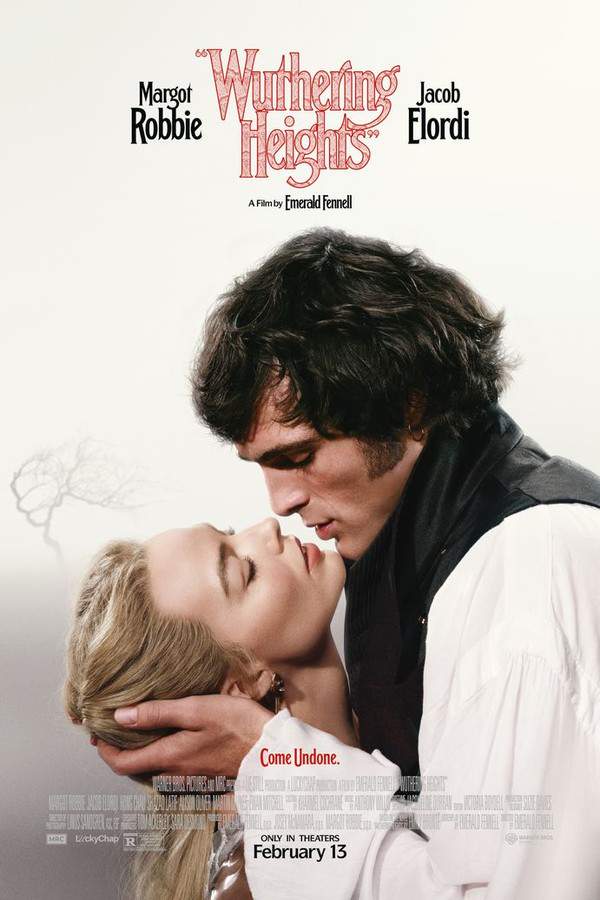
Wuthering Heights
 #7,335 17
 Year: 2026
Runtime: 2 h 16 m
Language: english
Director: Emerald Fennell
Echo Score: 50Budget: $80M
Set on the bleak Yorkshire moors, the film follows the fierce, all‑consuming bond between Heathcliff and Catherine Earnshaw. Their love ignites a fierce rivalry and a cycle of revenge that tears families apart, illustrating how passion can become destructive and tragic.
Where to Watch Wuthering Heights?
Find where to stream, rent, or buy Wuthering Heights (2026) in the US with current JustWatch availability, up-to-date pricing, and platform listings for subscription, rental, and digital purchase options.
















Streaming availability powered by 
Warning: spoilers below!
Haven’t seen Wuthering Heights yet? This summary contains major spoilers. Bookmark the page, watch the movie, and come back for the full breakdown. If you're ready, scroll on and relive the story!
Timeline – Wuthering Heights (2026)
Trace every key event in Wuthering Heights (2026) with our detailed, chronological timeline. Perfect for unpacking nonlinear stories, spotting hidden connections, and understanding how each scene builds toward the film’s climax. Whether you're revisiting or decoding for the first time, this timeline gives you the full picture.
Last updated: March 24, 2026 at 19:59
Wuthering Heights (2026) Timeline Questions Answered – Chronology FAQ
Find frequently asked questions about the Wuthering Heights (2026) timeline, including chronological order, nonlinear jumps, cause-and-effect links, and scene sequence clarifications. This timeline FAQ helps explain when key events happen, how moments connect, and why the story unfolds in that specific order.
Why did Cathy choose to marry Edgar Linton instead of Heathcliff?
Cathy chose to marry Edgar because she believed it was her only escape from the bleakness of Wuthering Heights. She explicitly planned to win Edgar's favor to bring Heathcliff into a society that might finally acknowledge him, showing she still cared for him but felt trapped by her social position. Her confession that marrying Heathcliff would degrade her reveals the internal conflict between her passionate love for him and her desire for social respectability.
Earlier, Cathy schemes to use Edgar's wealth to lift both herself and Heathcliff out of their miserable circumstances, showing her pragmatic approach to love.
Why did Heathcliff leave after overhearing Cathy's confession about their souls?
Heathcliff misinterpreted Cathy's confession that their souls are intertwined as a rejection of their physical relationship and his social standing. He believed she was saying their bond was romantic but not worthy of marriage, that marrying him would degrade her. This overheard conversation, rather than a clear rejection, drove him to leave brokenhearted and ultimately seek revenge.
The earlier scene where Cathy tells Heathcliff their souls are one but their lives pull them apart plants the seed of misunderstanding.
Why did Heathcliff start a relationship with Isabella Linton?
Heathcliff pursued Isabella as part of his revenge scheme against Edgar. After returning wealthy and bitter about Cathy's marriage, he saw Isabella as a way to infiltrate the Linton family, gain power, and provoke Cathy. His treatment of Isabella was harsh and manipulative, designed to exact vengeance rather than from genuine affection.
The timeline shows Heathcliff's jealousy watching Cathy court Edgar, and his bitter contemplation of using Isabella as a pawn.
What caused Cathy's death in the film?
Cathy became pregnant but her health deteriorated severely. She descended into despair, locking herself away and starving herself. She ultimately suffered a miscarriage and developed septicemia from the long, untreated illness combined with emotional trauma. Her body could not recover from the physical and psychological strain.
Cathy sinks into personal despair after Heathcliff's cold assertion of his ambitions and the volatile relationship between them.
Why did Heathcliff purchase Wuthering Heights after returning?
Heathcliff bought Wuthering Heights to reshape the power dynamics on the moors and assert control over the very place that once housed his childhood dreams with Cathy. This purchase represented his determination to claim everything Edgar had, wealth, status, and property, as part of his calculated revenge, demonstrating how his bitterness had transformed into systematic retribution.
The estate had fallen into disrepair during Mr. Earnshaw's decline, making it available for purchase.
What did Cathy mean when she said marrying Heathcliff would degrade her?
Cathy's statement reflected her internal struggle between passionate love and social ambition. She believed society would view a marriage to a foundling, a servant with no status, as beneath her. This reveals the class consciousness that haunted her, even as she loved Heathcliff deeply, she feared the social consequences and loss of refinement such a marriage would bring.
Cathy's scheme to court Edgar to escape Wuthering Heights shows her awareness of social standing.
Why did Cathy reject Heathcliff's kiss on the moors?
Cathy rebuffed Heathcliff's kiss despite their intimate moment because she was torn between desire and propriety. She insisted their souls were bound even as their lives pulled them apart. This rejection represents the internal conflict that would define their relationship, passionate love coexisting with social constraints she couldn't overcome.
Earlier, Cathy witnesses a private encounter between servants, hinting at her awareness of forbidden desires.
How did Heathcliff become wealthy after leaving Wuthering Heights?
The summary mentions Heathcliff returns after years away as a polished man with a fortune, but does not detail the specific source of his wealth. His mysterious transformation from a foundling to a wealthy man is left somewhat ambiguous, though his wealth enables his revenge upon both the Earnshaw and Linton families.
The contrast between Heathcliff's wild, embittered state watching Cathy court Edgar and his later polished return suggests significant time and effort spent acquiring status.
Why did Cathy's pregnancy end in miscarriage and illness?
Cathy became pregnant but her emotional state deteriorated severely. She locked herself away, starved herself, and grew increasingly frail. The combination of psychological torment from her broken loyalties, the strain of her volatile relationship with Heathcliff, and physical neglect led to her miscarriage. The untreated illness then developed into septicemia, which ultimately killed her.
Heathcliff's cold dismissal of her pregnancy and suggestion of violence against Edgar added to Cathy's emotional desperation.
Why did Heathcliff get whipped and receive a permanent scar?
On Mr. Earnshaw's birthday, Cathy and Heathcliff were caught returning home late from being out in the rain. Heathcliff took the blame for their tardiness and received a brutal whipping that left a permanent scar on his back. This event compounded Heathcliff's sense of grievance and isolation within the household, establishing the pattern of sacrifice and suffering that would characterize his relationship with the Earnshaw family.
This early scene establishes the power imbalance and Heathcliff's willingness to protect Cathy even at personal cost.
What role does Nelly Dean play in the story's events?
Nelly Dean serves as both narrator and participant who influences key moments. She witnesses the central relationship between Cathy and Heathcliff, saves Isabella from the worst of Heathcliff's cruelty, and ultimately informs Heathcliff that Cathy is dying. She also reveals Cathy forgave her for not speaking sooner about Heathcliff's presence, showing Nelly's complicated position as both observer and actor in the tragedy.
Nelly's position as companion to Cathy gives her access to intimate moments that shape the narrative.
Why does Cathy confront her father's corpse after his death?
After Mr. Earnshaw dies and Heathcliff acquires Wuthering Heights, Cathy visits the old home and confronts her father's corpse. The moment is described as heavy with contempt and unfinished feelings. This confrontation represents Cathy's complex relationship with her father, whose harshness and alcoholism contributed to the bleak environment she desperately wanted to escape.
Mr. Earnshaw's abrasive personality and his reckless behavior set the tone for Cathy's unhappy childhood.

Explore Movie Threads
Discover curated groups of movies connected by mood, themes, and story style. Browse collections built around emotion, atmosphere, and narrative focus to easily find films that match what you feel like watching right now.
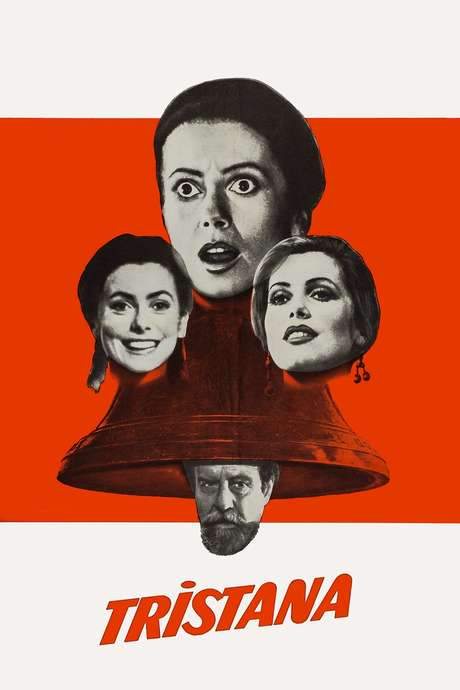
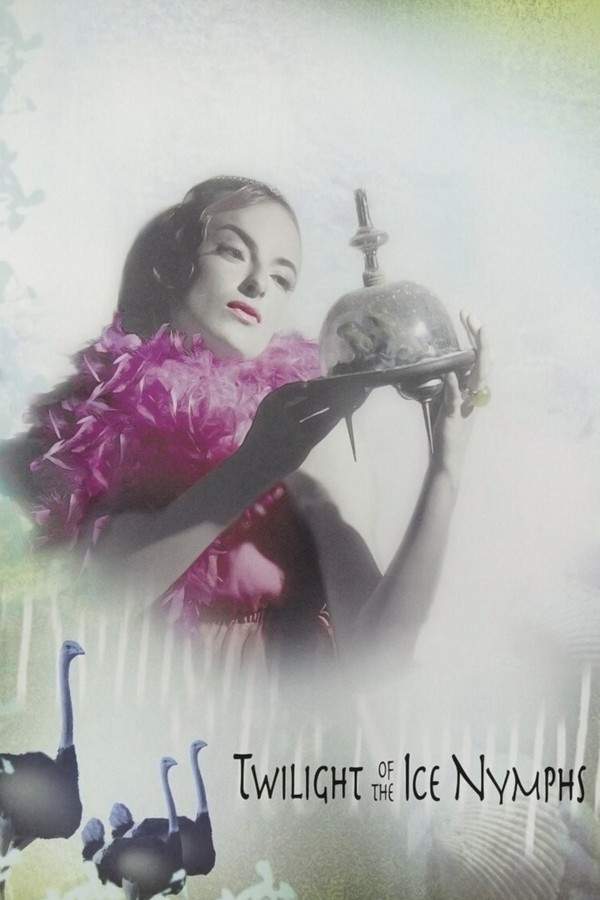
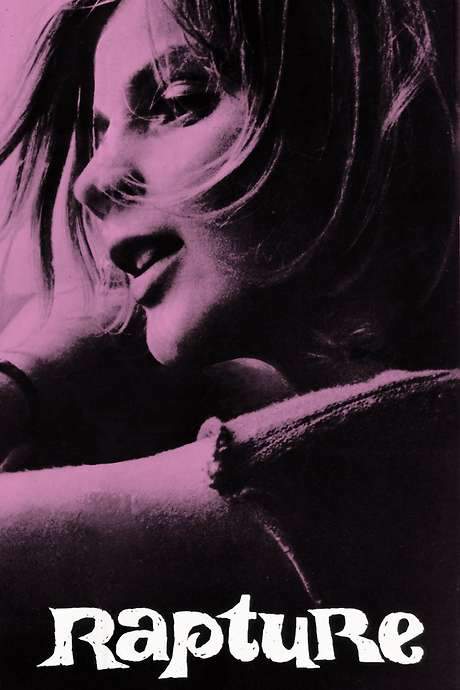
Gothic Tragedies of Obsessive Love like Wuthering Heights
Stories where all-consuming passion curdles into a dark, self-destructive force. If the destructive, all-consuming passion in Wuthering Heights captivated you, explore more movies like it. This thread gathers similar gothic romance stories and tragic dramas where love becomes a force of ruin, featuring bleak atmospheres, intense emotional torment, and relationships that burn too brightly to last.




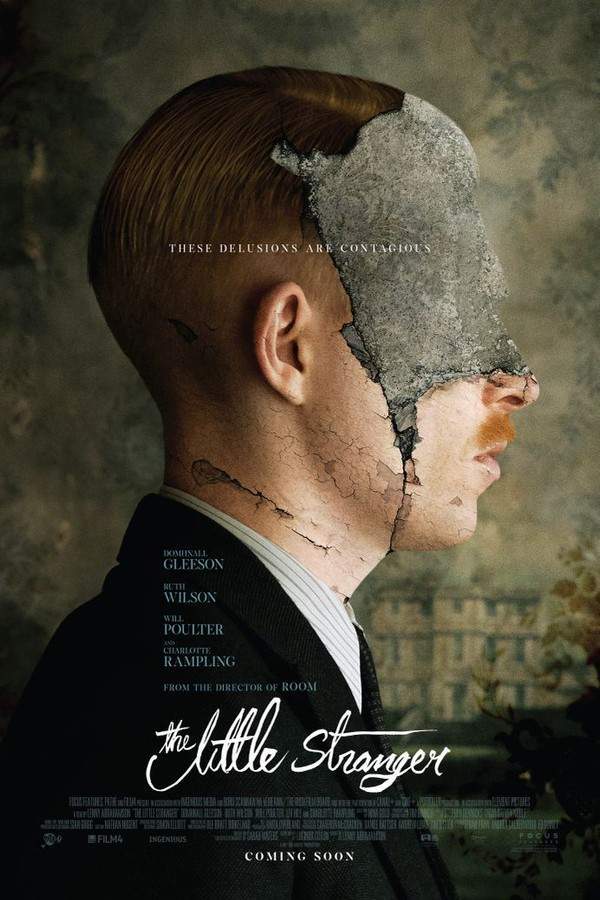

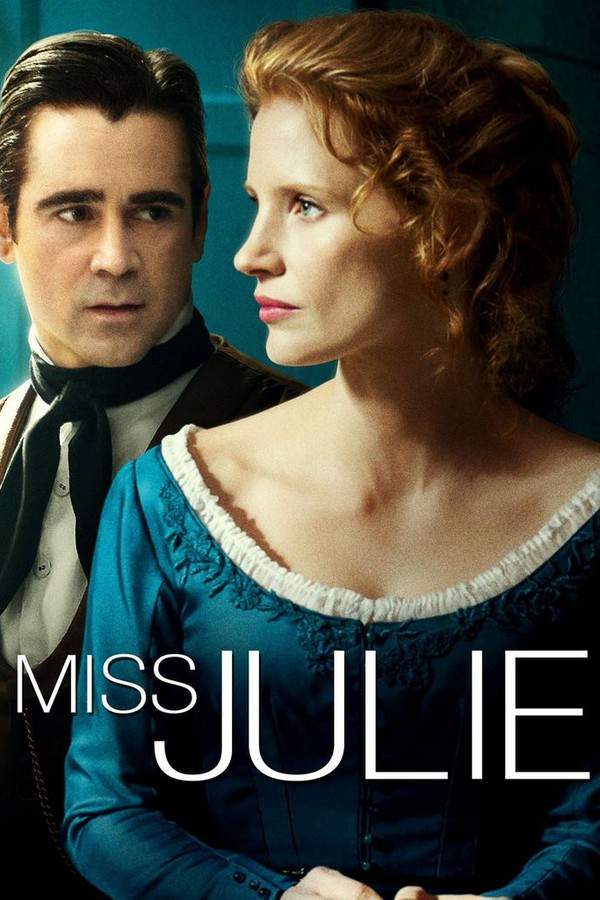
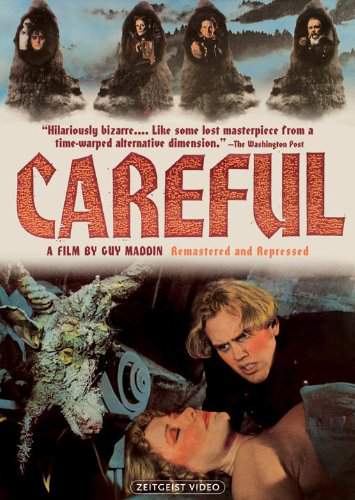



Narrative Summary
These narratives follow a tragic arc where a powerful, often forbidden love ignites. Instead of leading to fulfillment, this passion festers, fueled by jealousy, social barriers, or betrayal. The story becomes a slow, inexorable march towards ruin, as the characters' obsession destroys their own happiness and the lives of those connected to them, culminating in a bleak or tragic resolution.
Why These Movies?
These films are grouped by their core exploration of love as a destructive obsession. They share a dark, gothic-tinged tone, a slow, deliberate pacing that allows the anguish to build, and a heavy emotional weight. The central focus is on the psychological torment and catastrophic consequences of a love that cannot be healthily contained.
Bleak Cycles of Revenge and Torment like Wuthering Heights
Narratives where a single grievance spawns a lifelong, destructive quest for vengeance. If you were gripped by the lifelong cycle of revenge in Wuthering Heights, you'll find similar movies here. This collection features dramatic and tragic stories about vengeance that spans years or generations, focusing on emotional torment, moral decay, and the bleak, unsatisfying consequences of holding onto a grudge.
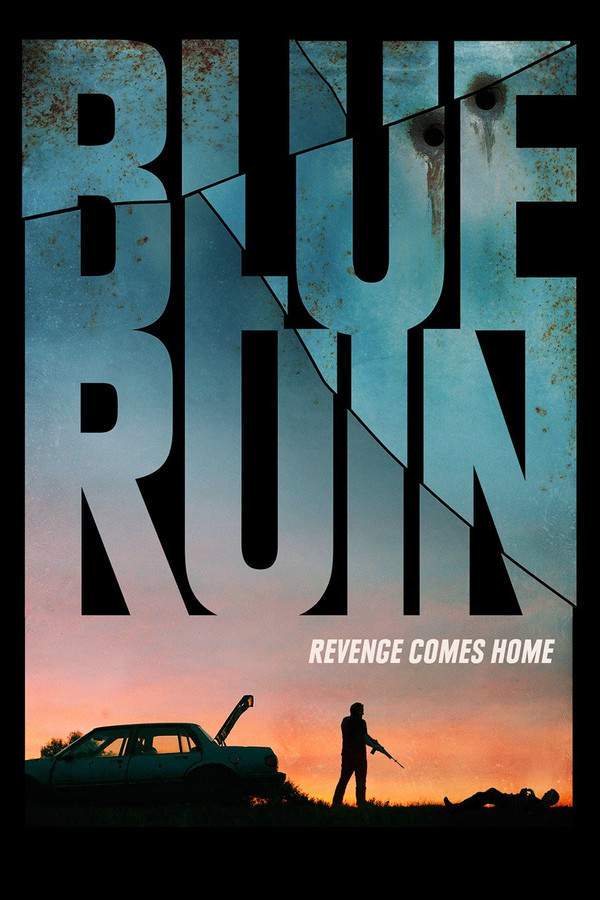











Narrative Summary
The plot is driven by a pivotal act of betrayal or loss that creates an unshakeable desire for retribution in the protagonist. Instead of a swift act, the revenge becomes a slow, meticulous, often psychological campaign that unfolds over years. The narrative illustrates how the quest for vengeance hollows out the protagonist, destroys innocent lives, and ultimately leaves them more tormented than before, with no victory to be found.
Why These Movies?
These films are united by their core theme of revenge as a corrosive, self-defeating force. They share a consistently dark tone, a pacing that emphasizes the long, festering nature of the grudge, and a high emotional intensity derived from sustained anguish. The endings are typically bleak, offering no redemption, only the hollow aftermath of a life consumed by spite.
Unlock the Full Story of Wuthering Heights
Don't stop at just watching - explore Wuthering Heights in full detail. From the complete plot summary and scene-by-scene timeline to character breakdowns, thematic analysis, and a deep dive into the ending - every page helps you truly understand what Wuthering Heights is all about. Plus, discover what's next after the movie.
Wuthering Heights Summary
Read a complete plot summary of Wuthering Heights, including all key story points, character arcs, and turning points. This in-depth recap is ideal for understanding the narrative structure or reviewing what happened in the movie.

Characters, Settings & Themes in Wuthering Heights
Discover the characters, locations, and core themes that shape Wuthering Heights. Get insights into symbolic elements, setting significance, and deeper narrative meaning - ideal for thematic analysis and movie breakdowns.

Wuthering Heights Ending Explained
What really happened at the end of Wuthering Heights? This detailed ending explained page breaks down final scenes, hidden clues, and alternate interpretations with expert analysis and viewer theories.