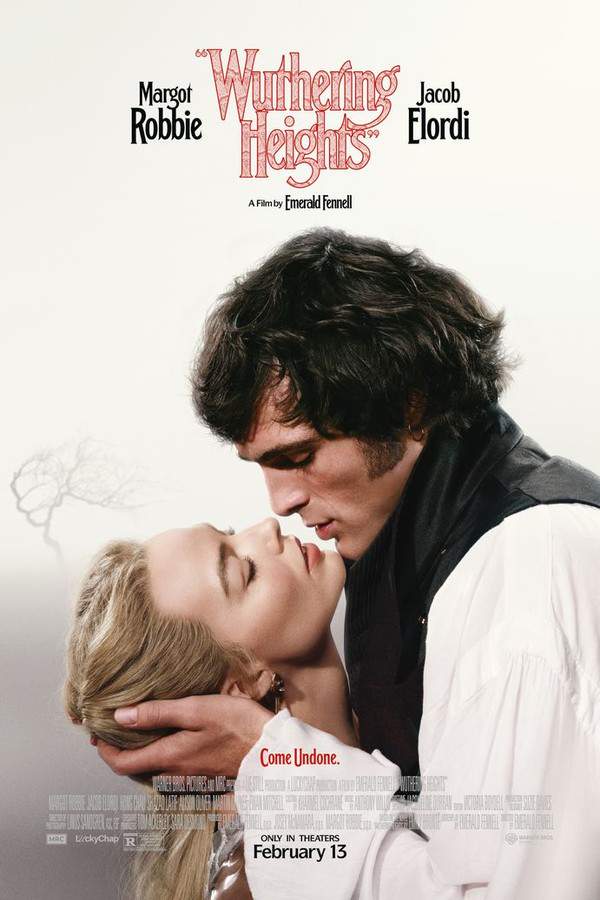
Wuthering Heights
 #7,335 17
 Year: 2026
Runtime: 2 h 16 m
Language: english
Director: Emerald Fennell
Echo Score: 50Budget: $80M
Set on the bleak Yorkshire moors, the film follows the fierce, all‑consuming bond between Heathcliff and Catherine Earnshaw. Their love ignites a fierce rivalry and a cycle of revenge that tears families apart, illustrating how passion can become destructive and tragic.
Where to Watch Wuthering Heights?
Find where to stream, rent, or buy Wuthering Heights (2026) in the US with current JustWatch availability, up-to-date pricing, and platform listings for subscription, rental, and digital purchase options.
















Streaming availability powered by 
Warning: spoilers below!
Haven’t seen Wuthering Heights yet? This summary contains major spoilers. Bookmark the page, watch the movie, and come back for the full breakdown. If you're ready, scroll on and relive the story!
Wuthering Heights (2026) – Ending Explained & Final Scene Breakdown
Still thinking about how Wuthering Heights (2026) ended? Here’s a full breakdown of the ending, key final moments, major twists, and the deeper meaning behind the film’s conclusion.
Emerald Fennell’s adaptation of Wuthering Heights resolves not with a simple conclusion, but with a lingering, emotional devastation that reframes the entire viewing experience. While the film toys with indulgence and dark humor throughout, the ending pivots sharply into genuine tragedy, leaving the audience with a profound sense of sorrow and yearning. The conclusion emphasizes the inescapable nature of Cathy and Heathcliff’s bond, using the haunting visual of the "skin room" to symbolize how their identities and fates are inextricably merged. This final act serves as the emotional core of the film, justifying the slow-burn pacing of the first half by delivering a climax that is both tense and deeply moving.
The finale also highlights the collateral damage of the central romance, particularly through the brutal degradation of Isabella, played by Alison Oliver, which stands in stark contrast to the stylized beauty of the production design. As the story concludes, the audience is left to grapple with the haunting aftermath of a relationship defined by torture and obsession rather than simple romance. By stripping away the comfort of the period piece aesthetic and focusing on the raw, messy pain of the characters, the film cements its themes of destructive love. Ultimately, the ending suggests that the connection between the leads is a force that transcends death, leaving the viewer in a state of emotional suspension that perfectly captures the enduring, ghostly spirit of the source material.
Last updated: March 14, 2026 at 20:24
Wuthering Heights (2026) Ending Questions Answered – Ending FAQ
Read frequently asked questions about the ending of Wuthering Heights (2026), including final-scene interpretation, twist explanations, character outcomes, and the deeper meaning behind the conclusion. This ending explained FAQ is designed for viewers searching for clear spoiler-heavy answers and ending breakdown insights.
What does the skin room symbolize in the ending?
The skin room visual in the finale represents how Cathy and Heathcliff's identities and fates have become inextricably merged over years of obsession and trauma. Their destructive bond has literally consumed them both, leaving neither with a separate self. The room serves as a haunting manifestation of their entanglement, showing that they cannot exist without each other, even in death.
Earlier scenes establish the suffocating nature of their relationship through cramped compositions and the recurring moorland imagery.
Why does Cathy die at the end?
Cathy dies because the film follows the classic tragic arc where the central relationship destroys both parties. Her death is not a dramatic sacrifice but rather the result of years of emotional turmoil, physical degradation, and the suffocating environment of Wuthering Heights. The ending offers no heroic farewell, just a quiet, devastating conclusion to her suffering.
Cathy's declining health and mental state are hinted at throughout the second half, making her death feel inevitable rather than shocking.
What happens to Heathcliff after Cathy dies?
Heathcliff is left in eternal torment, not through supernatural punishment, but through the psychological aftermath of losing the only person who defined his existence. The film suggests he will spend his remaining years haunted by her memory, unable to find peace or redemption. His obsession has consumed everything, leaving him hollow.
Heathcliff's entire character arc shows his identity entirely wrapped around Cathy, making any life after her impossible.
Why is there no redemption in the ending?
The film deliberately withholds redemption because the story's themes center on the destructive, rather than transformative, power of passion. By refusing to offer catharsis or closure, the ending reinforces the idea that Cathy and Heathcliff's love was fundamentally damaging, not romantic, but toxic. This bleakness aligns with the gothic source material.
The slow-burn pacing and mounting cruelty throughout establish that the film is building toward tragedy, not resolution.
What does the ending say about Cathy and Heathcliff's bond being inescapable?
The conclusion emphasizes that their connection transcends conventional love, it has become a force that defines their very existence. The ending makes clear that neither character could ever truly escape the other, as their lives had become so intertwined through shared trauma, revenge, and obsession that separation was impossible even in death.
The rivalry between families and the cycle of revenge woven throughout the narrative show how their bond continually draws them back together.
Why does Isabella's storyline matter to the ending?
Isabella's brutal degradation serves as the stark contrast that defines the ending's emotional weight. While Cathy and Heathcliff share an incomprehensible bond, Isabella represents the collateral damage of their obsession. Her suffering underscores that their relationship does not exist in a vacuum, it destroys everyone around them, particularly those who try to love Heathcliff.
Isabella's marriage to Heathcliff early in the film establishes her as a victim of his cruelty.
How does the ending reflect the gothic themes of the film?
The ending strips away any comfort from the period piece aesthetic to expose the raw, messy pain beneath. By focusing on psychological torment rather than romantic melodrama, the finale embraces the gothic tradition of exploring darkest human emotions. The moors themselves become a character, vast, indifferent, and suffocating, mirroring the characters' internal states.
The consistently dark tone and gothic atmosphere established from the opening scenes build toward this raw conclusion.
What does it mean that their connection transcends death?
The ending suggests their bond is not bound by physical existence, it continues to haunt Heathcliff after Cathy is gone. This is not presented as a comforting supernatural reunion but as a lingering curse. Their connection has become so fundamental to who they are that death cannot sever it; it simply transforms the nature of their torment.
The film frequently frames their relationship as something that exists beyond normal human connection.
What does the ending reveal about destructive love?
The conclusion cements the film's argument that passion, when unchecked, becomes genuinely destructive rather than beautifully tragic. Cathy and Heathcliff's relationship is shown to have destroyed multiple lives, not through fate or society, but through their own choices to prioritize their bond over everything else. The ending offers no romantic redemption, only the wreckage left behind.
The rivalry and revenge cycles throughout demonstrate how their love continuously damages those around them.

Explore Movie Threads
Discover curated groups of movies connected by mood, themes, and story style. Browse collections built around emotion, atmosphere, and narrative focus to easily find films that match what you feel like watching right now.
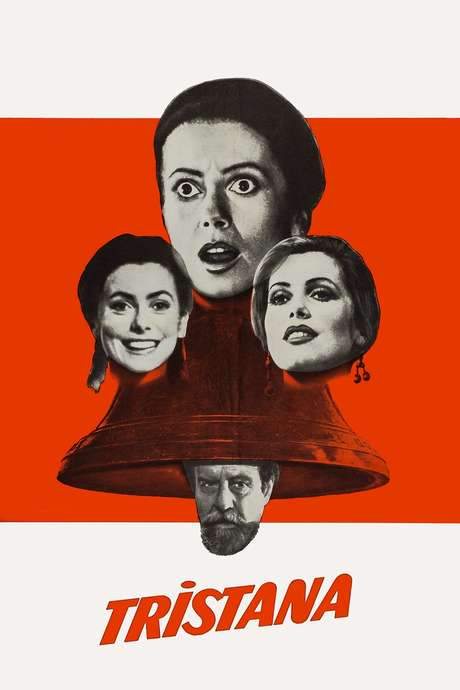
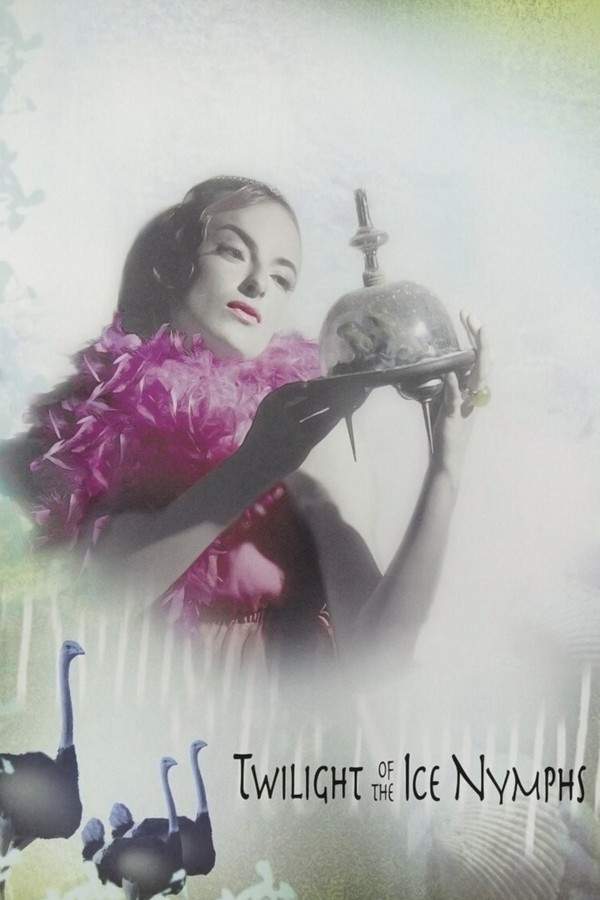
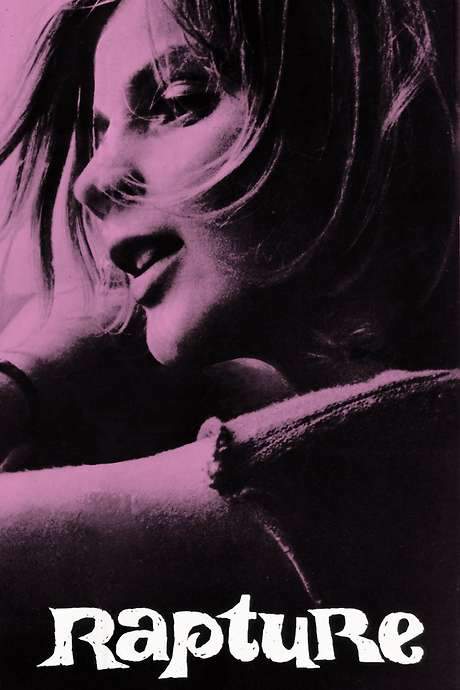
Gothic Tragedies of Obsessive Love like Wuthering Heights
Stories where all-consuming passion curdles into a dark, self-destructive force. If the destructive, all-consuming passion in Wuthering Heights captivated you, explore more movies like it. This thread gathers similar gothic romance stories and tragic dramas where love becomes a force of ruin, featuring bleak atmospheres, intense emotional torment, and relationships that burn too brightly to last.




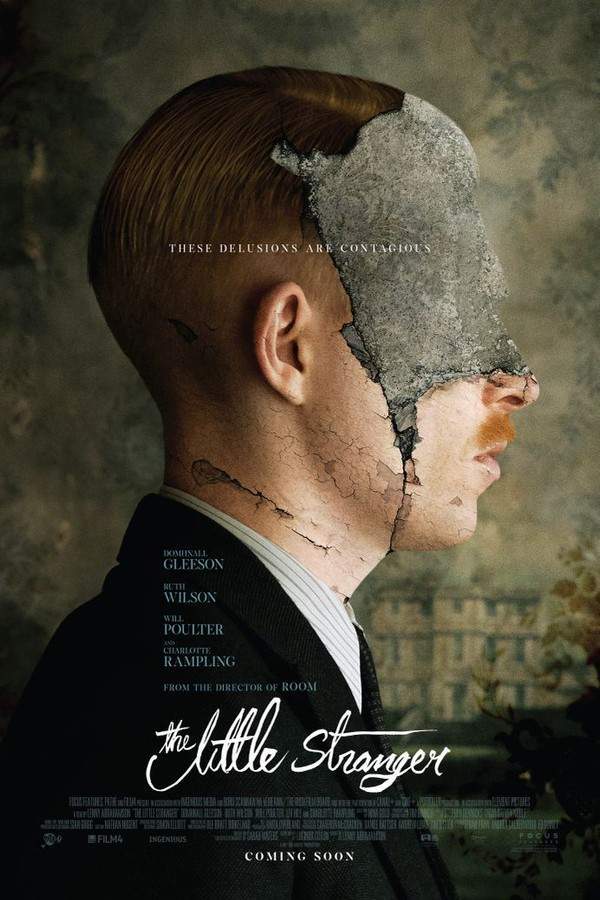

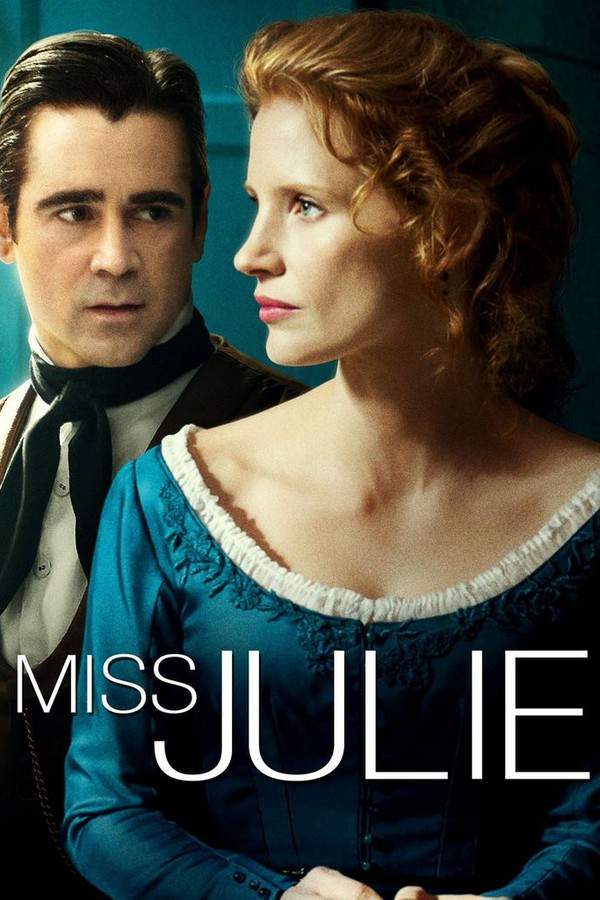
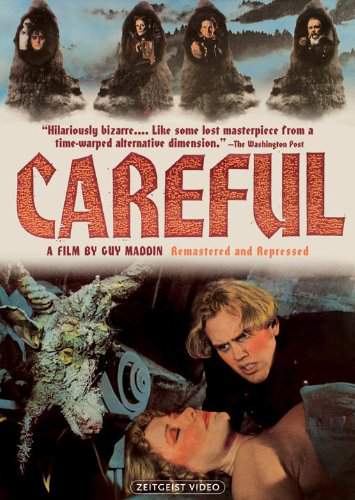



Narrative Summary
These narratives follow a tragic arc where a powerful, often forbidden love ignites. Instead of leading to fulfillment, this passion festers, fueled by jealousy, social barriers, or betrayal. The story becomes a slow, inexorable march towards ruin, as the characters' obsession destroys their own happiness and the lives of those connected to them, culminating in a bleak or tragic resolution.
Why These Movies?
These films are grouped by their core exploration of love as a destructive obsession. They share a dark, gothic-tinged tone, a slow, deliberate pacing that allows the anguish to build, and a heavy emotional weight. The central focus is on the psychological torment and catastrophic consequences of a love that cannot be healthily contained.
Bleak Cycles of Revenge and Torment like Wuthering Heights
Narratives where a single grievance spawns a lifelong, destructive quest for vengeance. If you were gripped by the lifelong cycle of revenge in Wuthering Heights, you'll find similar movies here. This collection features dramatic and tragic stories about vengeance that spans years or generations, focusing on emotional torment, moral decay, and the bleak, unsatisfying consequences of holding onto a grudge.
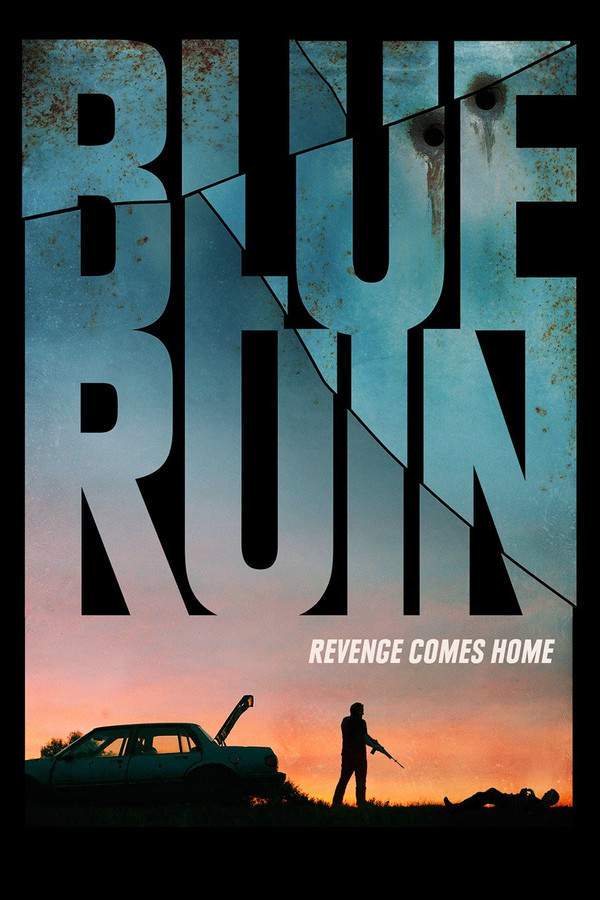
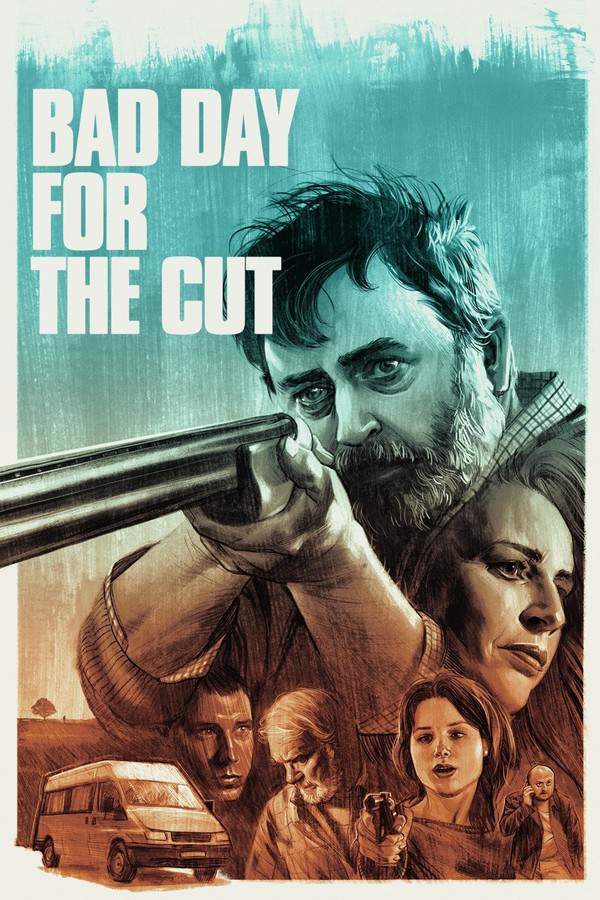






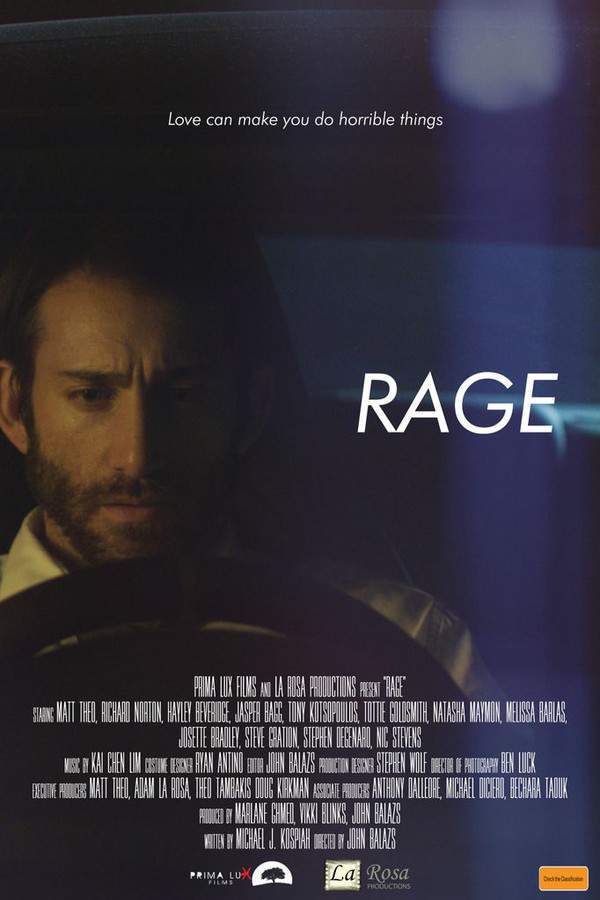




Narrative Summary
The plot is driven by a pivotal act of betrayal or loss that creates an unshakeable desire for retribution in the protagonist. Instead of a swift act, the revenge becomes a slow, meticulous, often psychological campaign that unfolds over years. The narrative illustrates how the quest for vengeance hollows out the protagonist, destroys innocent lives, and ultimately leaves them more tormented than before, with no victory to be found.
Why These Movies?
These films are united by their core theme of revenge as a corrosive, self-defeating force. They share a consistently dark tone, a pacing that emphasizes the long, festering nature of the grudge, and a high emotional intensity derived from sustained anguish. The endings are typically bleak, offering no redemption, only the hollow aftermath of a life consumed by spite.
Unlock the Full Story of Wuthering Heights
Don't stop at just watching - explore Wuthering Heights in full detail. From the complete plot summary and scene-by-scene timeline to character breakdowns, thematic analysis, and a deep dive into the ending - every page helps you truly understand what Wuthering Heights is all about. Plus, discover what's next after the movie.
Wuthering Heights Summary
Read a complete plot summary of Wuthering Heights, including all key story points, character arcs, and turning points. This in-depth recap is ideal for understanding the narrative structure or reviewing what happened in the movie.

Wuthering Heights Timeline
Track the full timeline of Wuthering Heights with every major event arranged chronologically. Perfect for decoding non-linear storytelling, flashbacks, or parallel narratives with a clear scene-by-scene breakdown.

Characters, Settings & Themes in Wuthering Heights
Discover the characters, locations, and core themes that shape Wuthering Heights. Get insights into symbolic elements, setting significance, and deeper narrative meaning - ideal for thematic analysis and movie breakdowns.


