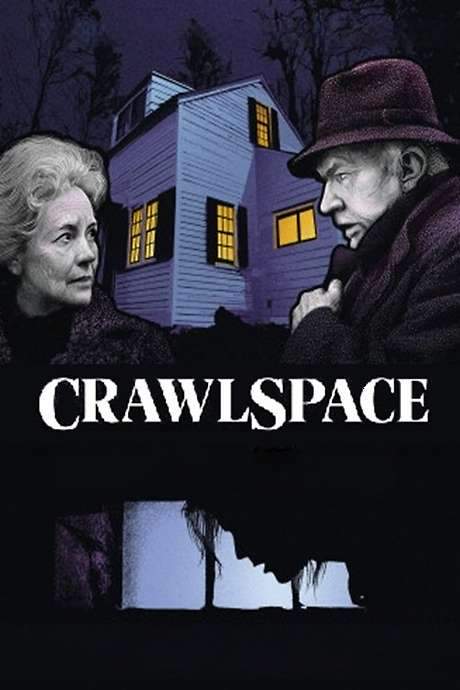
Three kids — Jon Jon McBride, Denice Denice Edeal, and Tom Tom Casiello — find themselves left in the strict care of their Aunt Tess Patricia McBride when their father, Dad Perren Page, leaves for a routine business meeting. The house is tense and controlled, with Tess enforcing a militant routine that blends religious zeal with cold discipline. Homework and chores dominate the daily rhythm, while anything that resembles fun—dating, late nights, movies, or music—gets treated as a moral failing. The atmosphere is clinical, and Tess speaks with a certainty that makes the children feel small, always under watch, always being judged for every choice they make. In this atmosphere, Tom receives a symbol of rebellion—a Rambo hunting knife—that arrives by mail, but Tess forbids him from keeping it. The moment triggers a clash, a struggle that turns dangerous and ends with a single, devastating accident: Tess is fatally stabbed in the stomach.
What follows is a chilling descent into numbers, secrecy, and survival. The three siblings decide to cover up what happened rather than confess, and they dismember Tess, packing her remains away in the freezer as if she were merely another problem to solve. The chilling routine continues on the surface, but underneath the lawn mowing and housekeeping lies a growing, unspoken fear of discovery. The idea of keeping the truth hidden becomes a ceaseless game as they plan to dispose of the evidence in the woodchipper, turning a home into a crime scene that must stay cold and closed. The act of grinding a body into fragments is described with clinical precision, underscoring how ordinary their home life has become in the wake of murder.
The plot thickens when Kim Kim Bailey, Tess’s son and a recent prison release, arrives at the house with his own aims. He’s drawn by the lure of money tied to his mother’s supposed wealth and a money wiring deal, and he expects to find it waiting for him there. The kids manipulate him, steering him toward the same grim fate they have just endured, and Denice and Tom craft a trap that lures him to the woodchipper. Jon Jon McBride participates in the grim plan, helping to remove any obvious obstacles. The moment of truth comes when Tom turns the machine on, and Kim is pushed inside by Jon, sealing the night’s murderous arc. The family’s fear of exposure overrides any sense of justice or remorse, and they act with a disturbing calm that keeps their secret intact—for now.
Afterwards, the tension shifts to concealment and misdirection. Jon takes Kim’s car and drives it to the airport to hide the evidence, hitching a ride back as if nothing has happened. Denice and Tom resume their chores, raking and mowing the lawn that their father considers part of the return-home ritual. The house returns to a fragile semblance of normalcy just as the father returns to the driveway, greeted by the same outsized, practiced smile that says everything is fine. For a moment, it seems as if the children have pulled off the perfect cover, and the return to ordinary life signals a clean getaway from the nightmare they created. Yet the final shot lingers in a way that unsettles and unsettles again: the woodchips scattered on the ground and Tess’s bloody ring lying there, a haunting reminder that the truth might be hidden, but it cannot be erased.
In the end, the film charts a quiet, unsettling cycle of control, fear, and violence within a family. The children navigate a world where obedience is survival, where rebellion is punished, and where the boundaries between caregiver and captive blur into something far more dangerous than a simple moral lesson. The closing image—a ring and fragments of wood, left behind on the ground—suggests that the truth may outlive the cover, even as the family closes ranks and moves forward with the illusion of a normal, intact home.