
Winter Boy

Winter Boy

Year: 2023

Runtime: 122 min

Language: French

Director: Christophe Honoré

Echo Score: 55

Budget: $4.6M

Drama

Seventeen-year-old Lucas struggles to maintain his emotional stability when faced with significant changes. His brother's move to Paris and his mother’s constant presence create a turbulent environment. As his equilibrium is disrupted, he finds himself lost in a wilderness of emotions, yearning to regain control and rediscover hope and love amidst the challenging circumstances.

Warning: spoilers below!

Haven’t seen Winter Boy yet? This summary contains major spoilers. Bookmark the page, watch the movie, and come back for the full breakdown. If you're ready, scroll on and relive the story!

Winter Boy (2023) – Ending Explained & Final Scene Breakdown

Still thinking about how Winter Boy (2023) ended? Here’s a full breakdown of the ending, key final moments, major twists, and the deeper meaning behind the film’s conclusion.

The ending of Winter Boy reveals Lucas reaching a low point in his mental health, culminating in him attempting self-harm after a period of intense emotional suffering. His act of smashing the rear-view mirror and slashing his wrists signifies his feeling of overwhelming despair and the desire to escape the pain that has consumed him. Following this, he is admitted to a hospital and remains silent, unable to speak, as he grapples with his trauma. Throughout his recovery, a pivotal moment occurs when Lilio visits him and offers a gentle, understanding presence, acknowledging Lucas’s hardships without judgment. This moment of connection helps Lucas come to terms with his memories and his pain, leading to a slow process of healing. When he finally speaks to his mother, she is overwhelmed with emotion, and her acknowledgment that she cannot fully claim responsibility for his recovery reflects a fragile hope that perhaps, even amidst the darkness, some light can be found. The film’s camera, which often appears as an unblinking witness to their stories, seems to suggest that while death, grief, and trauma are inescapable, they can also be finally faced and accepted. The ambiguity surrounding Lucas’s father’s death—whether it was truly a suicide or not—enhances the film’s meditation on the hidden depths of grief and mental health struggles. Ultimately, the ending suggests that the process of confronting pain, accepting loss, and finding moments of genuine connection can lead to a fragile but meaningful path toward healing.

Last updated: June 25, 2025 at 08:44

Was this helpful?

Winter Boy (2023) Ending Questions Answered – Ending FAQ

Read frequently asked questions about the ending of Winter Boy (2023), including final-scene interpretation, twist explanations, character outcomes, and the deeper meaning behind the conclusion. This ending explained FAQ is designed for viewers searching for clear spoiler-heavy answers and ending breakdown insights.

Q1

Why does Lucas try to hurt himself at the end of the movie

A.

Lucas attempts self-harm because he has reached a breaking point after months of emotional turmoil. His father's mysterious death (possibly suicide), his brother moving away, and his mother's overwhelming presence have left him feeling trapped and powerless. The act of smashing the car rear-view mirror and slashing his wrists represents his desperate attempt to escape the unbearable emotional pain that has consumed him.

Earlier scenes show Lucas struggling to process his emotions, isolated and unable to communicate his pain to those around him.

lucasself-harmmental healthemotional breakdownsuicide attemptdespair
Q2

What happens to Lucas after he is hospitalized

A.

After his self-harm attempt, Lucas is admitted to a hospital where he remains in a state of trauma. Crucially, he becomes mute and is unable to speak, which symbolizes the depth of his emotional shutdown. He spends time in recovery, gradually working through his trauma with professional help and support from those who visit him.

Lucas's earlier silence and withdrawal from family interactions hint at his inability to express his pain verbally.

hospitallucasmutesilentrecoverytreatment
Q3

Who is Lilio and how does he help Lucas heal

A.

Lilio is a character who visits Lucas during his hospitalization and provides a crucial moment of connection. Rather than pushing Lucas to speak or demanding explanations, Lilio simply offers a gentle, non-judgmental presence. He acknowledges Lucas's hardships without trying to fix or minimize them. This unconditional acceptance helps Lucas feel safe enough to begin confronting his trauma, which eventually leads to him breaking his silence.

Lilio appears earlier in the film as someone Lucas connects with, suggesting this relationship becomes a foundation for trust.

liliolucashealingsupportconnectionvisitacceptance
Q4

Does Lucas ever speak again after becoming mute

A.

Yes, Lucas eventually speaks again. After his period of silence in the hospital and through the gradual healing process facilitated by Lilio's visits, Lucas finds his voice again. The film shows him finally speaking to his mother, which marks a significant turning point in his recovery journey.

His silence is established after the crisis, making his eventual speech a meaningful emotional payoff.

lucas speakssilencerecoveryspeechmothercommunication
Q5

What is the truth about Lucas's father's death

A.

The film deliberately leaves ambiguity around whether Lucas's father actually committed suicide. The ending emphasizes that this uncertainty, whether it was truly a suicide or not, adds to the film's exploration of hidden depths of grief and mental health struggles. This ambiguity reflects how the characters must cope with not having complete answers about loss, and it reinforces the theme that grief is often complicated and unresolved.

Earlier uncertainty and hints about the father's death plant doubt throughout the narrative.

fatherdeathsuicideambiguitygriefmystery
Q6

Why does Lucas's mother say she cannot take credit for his recovery

A.

Lucas's mother tells him she cannot fully claim responsibility for his recovery because she recognizes she was part of the problem. Her constant presence and inability to cope with her own grief may have contributed to Lucas's emotional overwhelm. By acknowledging her limitations and the fact that she couldn't protect him from his pain, she shows genuine understanding that healing must come from within Lucas himself, with support from others like Lilio.

Earlier scenes show the mother's well-intentioned but suffocating presence affecting Lucas negatively.

motherrecoveryguiltresponsibilityhealingacceptance
Q7

What does the final scene between Lucas and his mother signify

A.

The final scene where Lucas speaks to his mother represents a fragile breakthrough in their relationship and in Lucas's healing. It demonstrates that despite immense pain and trauma, genuine connection is possible. The mother's emotional response and her acknowledgment of the long road ahead show that recovery is a shared, difficult journey. However, the film maintains bittersweetness, this moment of hope doesn't erase the trauma or guarantee permanent healing.

Throughout the film, their communication breaks down, making this moment of reconnecting particularly significant.

final scenemotherreconciliationhopehealingconnection
Q8

What is the significance of the camera in the ending

A.

The film's camera is described as an "unblinking witness" to the characters' stories. In the ending, this stylistic choice suggests that while death, grief, and trauma are inescapable realities, they can finally be faced and accepted rather than avoided. The camera's presence implies a sense of being truly seen, which mirrors Lucas's need to be witnessed in his pain, a contrast to his earlier feelings of invisibility and isolation.

The observational camera style appears consistently throughout, creating a sense of intimate observation.

cameracinematographywitnessthemesmeaningobservation
Q9

Is the ending of Winter Boy hopeful or sad

A.

The ending is deliberately bittersweet, it offers fragile hope rather than pure optimism. Lucas begins to heal and speak again, and his mother accepts her husband's death, suggesting forward movement. However, this recovery is set against the backdrop of immense and ongoing pain. The film doesn't promise a complete cure; instead, it suggests that healing is a difficult, ongoing process where moments of genuine connection can provide meaning amid darkness.

The film's slow, melancholic pacing throughout prepares viewers for this realistic rather than fairy-tale conclusion.

endinghopefulsadbittersweetrecoverytoneresolution
Q10

What does the ending say about healing from trauma

A.

The ending suggests that confronting pain and accepting loss, rather than running from it, can lead to a fragile but meaningful path toward healing. Lucas's journey shows that recovery is not linear or guaranteed, and it often requires support from others sit with your pain without trying to fix it. who can The film emphasizes that healing involves finding moments of genuine connection, even when complete resolution may never be possible.

Lucas's earlier attempts to suppress or escape his emotions contrast with the ending's message about facing pain directly.

healingtraumarecoveryacceptancegriefmental healthmessage
Mobile App Preview

Coming soon on iOS and Android

The Plot Explained Mobile App

From blockbusters to hidden gems - dive into movie stories anytime, anywhere. Save your favorites, discover plots faster, and never miss a twist again.

Sign up to be the first to know when we launch. Your email stays private, always.

Explore Movie Threads

Discover curated groups of movies connected by mood, themes, and story style. Browse collections built around emotion, atmosphere, and narrative focus to easily find films that match what you feel like watching right now.

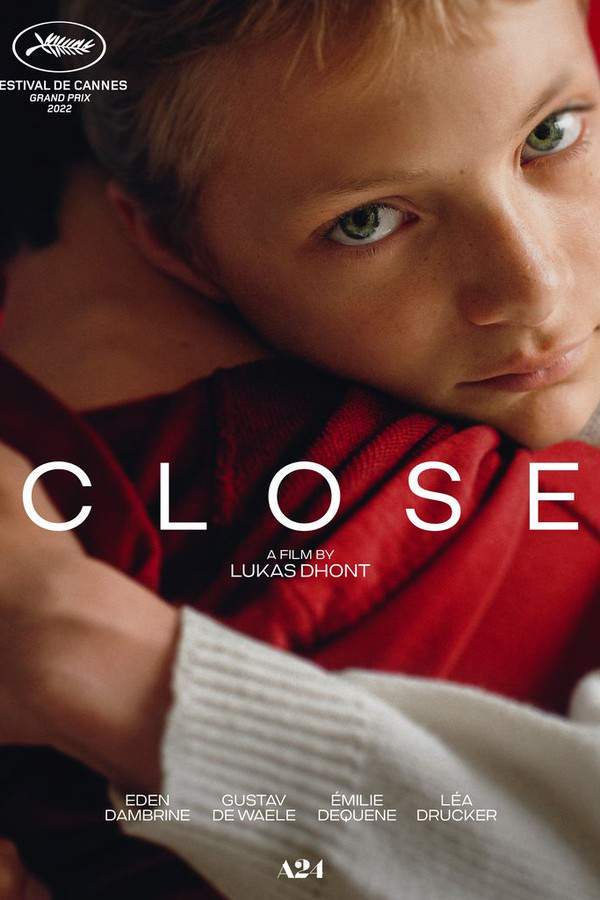
Raw teen grief stories like Winter Boy

Intimate stories of adolescents navigating profound loss and emotional collapse.For viewers seeking movies like Winter Boy, this list features films centered on teenage protagonists coping with profound loss. These heavy dramas share a melancholic tone, slow pacing, and a sensitive, raw approach to themes of grief, mental health, and the painful journey toward healing.

grievingmelancholicrawachinglonelyintrospectivesensitiveheavy

Narrative Summary

These narratives typically follow a young protagonist in the immediate aftermath of a traumatic event, often a death in the family. The plot is less about external action and more about the internal struggle—depicting the character's withdrawal, self-destructive tendencies, and fragile steps toward understanding their new reality.

Why These Movies?

Movies are grouped here for their shared focus on the specific, intense experience of adolescent grief. They unite through a heavy emotional weight, a melancholic and introspective tone, and a commitment to portraying the psychological turmoil of youth with unflinching honesty.
Slow burn melancholic healing journeys like Winter Boy

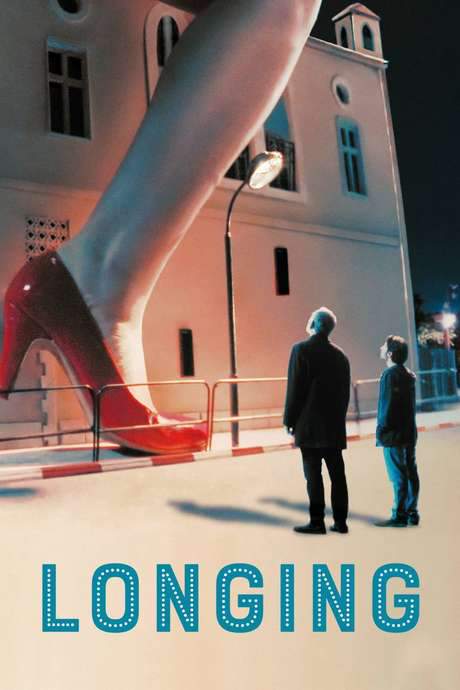
Bittersweet journeys through pain that end with a fragile sense of hope.If you appreciated the slow, heavy, and ultimately bittersweet emotional arc of Winter Boy, this collection is for you. Discover similar movies characterized by a melancholic tone, slow pacing, and narratives that explore deep pain but conclude with a fragile, earned sense of hope and recovery.

melancholicbittersweetachingintrospectiveheavyhopefulslow burnemotional

Narrative Summary

The narrative pattern involves a character in a state of deep emotional crisis, often triggered by loss or trauma. The story unfolds slowly, emphasizing their isolation and struggle. The arc is towards healing, but it's presented as a gradual, difficult process, culminating in a bittersweet ending that acknowledges the pain endured while hinting at future possibility.

Why These Movies?

These films are connected by a specific emotional recipe: a slow, contemplative pace that builds a heavy, melancholic atmosphere, leading to a conclusion that is bittersweet rather than purely tragic. The shared experience is one of sitting with deep sadness and witnessing a fragile, realistic emergence from it.

Unlock the Full Story of Winter Boy

Don't stop at just watching - explore Winter Boy in full detail. From the complete plot summary and scene-by-scene timeline to character breakdowns, thematic analysis, and a deep dive into the ending - every page helps you truly understand what Winter Boy is all about. Plus, discover what's next after the movie.

Winter Boy Summary

Read a complete plot summary of Winter Boy, including all key story points, character arcs, and turning points. This in-depth recap is ideal for understanding the narrative structure or reviewing what happened in the movie.

Winter Boy Summary

Winter Boy Timeline

Track the full timeline of Winter Boy with every major event arranged chronologically. Perfect for decoding non-linear storytelling, flashbacks, or parallel narratives with a clear scene-by-scene breakdown.

Winter Boy Timeline

Characters, Settings & Themes in Winter Boy

Discover the characters, locations, and core themes that shape Winter Boy. Get insights into symbolic elements, setting significance, and deeper narrative meaning - ideal for thematic analysis and movie breakdowns.

Characters, Settings & Themes in Winter Boy

Winter Boy Spoiler-Free Summary

Get a quick, spoiler-free overview of Winter Boy that covers the main plot points and key details without revealing any major twists or spoilers. Perfect for those who want to know what to expect before diving in.

Winter Boy Spoiler-Free Summary

More About Winter Boy

Visit What's After the Movie to explore more about Winter Boy: box office results, cast and crew info, production details, post-credit scenes, and external links - all in one place for movie fans and researchers.

More About Winter Boy