



Plot Explained Spoilers guaranteed!
Plot Explained

Browse by genre

Who Am I This Time? (1982) movie poster

Timeline

Who Am I This Time? (1982) Timeline Explained – Every Event in Order

Release, runtime and language
1982 · 53 mins · English
JustWatch #30,894 6
Directed by
Jonathan Demme
Starring
Christopher Walken, Susan Sarandon, Mike Bacarella, Caitlin Hart, Aaron Freeman, Robert Ridgely

Harry, a shy hardware‑store clerk, becomes completely immersed in his character whenever he performs with the local amateur theater troupe. New to town, Helene, a lonely telephone‑company employee, auditions on a whim and lands the role of Stella opposite Harry’s Stanley in a staging of A Streetcar Named Desire. As rehearsals continue, Helene is drawn to the charismatic “Stanley,” unaware of the shy man who plays him offstage.

On this page (7)
  1. 1 Where to watch
  2. 2 Events in order (13)
  3. 3 Timeline questions answered
  4. 4 Movie threads
  5. 5 Movies like Who Am I This Time?
  6. 6 Categories
  7. 7 Every angle

Where to watch

Where to Watch Who Am I This Time? (1982)

Where can you watch Who Am I This Time?? Stream, rent or buy it in the US, including on Artiflix, Hoopla and Fandango At Home: current JustWatch availability with up-to-date prices.

Streaming availability powered by JustWatch

13 events in order · contains spoilers

Who Am I This Time? Timeline: Events in Chronological Order

Every key event of Who Am I This Time? (1982) in order, scene by scene, with when and where it takes place. Use it to untangle flashbacks, time jumps and parallel storylines, to refresh your memory before the sequel or to find the exact scene you are thinking of.

  1. Post-Cyrano panic and retreat

    After a Cyrano de Bergerac performance, Harry is overwhelmed by local fangirls. He retreats in a panic, leaving the crowd buzzing and the backstage area in tense quiet. This pattern exposes his insecure, conflicted personality offstage despite his stage charisma.

    When
    After Cyrano de Bergerac performance
    Where
    Local theatre
  2. Audition for Streetcar Named Desire

    Helene, a billing expert, auditions for Stella opposite Harry's Stanley Kowalski, urged by the director. At the moment Harry arrives, his Stanley persona erupts, creating fireworks with Helene that carry into rehearsals. Despite awkwardness, their chemistry becomes the talk of the company.

    When
    Audition
    Where
    Town theatre
  3. Opening night chemistry and applause

    The first night’s performance is sold out, with Harry and Helene delivering onstage chemistry. The audience greets them with enthusiastic applause, praising their energy. Yet, immediately after the curtain falls, Harry vanishes again, leaving Helene to process his pattern.

    When
    Opening night
    Where
    Theatre stage
  4. Helene falls for the Stanley persona and stays

    Helene falls in love with Harry’s Stanley persona, despite his offstage disappearances. She decides to stay in town permanently, hoping to draw him out. Her plan hinges on getting to know the real him, but his habit of retreating threatens progress.

    When
    After opening night
    Where
    Backstage / town
  5. The sandwich moment and family question

    During a rare moment of calm, Helene asks Harry about his family over a sandwich. He reveals that he grew up an orphan, then quickly withdraws, apologizing for prying. She misreads his retreat as rejection, interpreting his secretive nature as distance.

    When
    During sandwich moment
    Where
    Backstage dressing room
  6. Second night tensions

    The second night of Streetcar is awkward and uneven as the romance struggles with reality. Harry’s reticence clashes with Helene’s growing resolve to break through his shell. The performance still goes on, but the underlying friction is palpable.

    When
    Second night
    Where
    Theatre stage
  7. Closing night gift and new confidence

    For closing night, Helene gifts Harry a copy of Romeo and Juliet, catalyzing a change. Stepping into Romeo, he begins to read the lines with genuine feeling and speaks of love with confidence. This shift signals a turning point in his self-assuredness on stage.

    When
    Closing night
    Where
    Stage
  8. Recitals begin: Mark Antony

    Following the Romeo moment, Harry experiments with a sequence of recitals, starting with Mark Antony. He tests his voice, timing, and presence across a range of roles. Helene witnesses a growing control over his performances and a widening emotional openness.

    When
    Post-Romeo recital
    Where
    Stage
  9. Recitals continue: Henry Higgins

    Harry continues with Henry Higgins, exploring wit, sarcasm, and linguistic precision. The complex character showcases his evolving rapport with Helene and the audience. Helene begins to see him not just as a performer, but as a partner capable of change.

    When
    Post-Mark Antony recital
    Where
    Stage
  10. Recitals continue: Henry V

    The recital tour ends with Henry V, further proving his range and commitment to the craft. These performances consolidate his transformed confidence on the stage. Helene’s admiration turns into certainty about their future together.

    When
    Post-Henry Higgins recital
    Where
    Stage
  11. In-character proposal: Earnest Worthing

    In a moment inspired by The Importance of Being Earnest, Harry proposes to Helene as Ernest Worthing. The engagement unfolds like a performance, delighting their friends who witness it. The couple solidifies their bond, blending romance with theatrical playfulness.

    When
    Proposal scene
    Where
    Theatre stage
  12. Director approves next production

    Their friends applaud the engagement, treating it as part of a show. The director tells Helene and Harry that the community looks forward to them leading the next production. The forward-looking notice confirms their evolving roles as both lovers and lead performers.

    When
    After engagement / closing night
    Where
    Theatre
  13. Who are we this time? Final whisper

    In a quiet embrace, Harry leans in and asks, "Who are we this time?" Helene interprets the question as a sign that they will reinvent themselves together. The moment signals their readiness to craft a new identity with each future production.

    When
    End of scene
    Where
    Backstage

Last updated: October 09, 2025 at 14:57

Was this helpful?

Timeline questions answered

Who Am I This Time? Timeline Explained: Your Questions Answered

When does it happen, and why in that order? The questions people ask about the chronology of Who Am I This Time? (1982): time jumps, flashbacks, cause and effect between scenes and the correct order of events, each answered with spoilers.

Q1

Why does Harry disappear after every performance?

Harry retreats into his shy, insecure self immediately after performances because acting allows him to embody completely different personas. Onstage as Stanley Kowalski or other characters, he's confident and charismatic, but offstage he reverts to being painfully shy and withdrawn. The contrast between his stage presence and real-life personality is so extreme that he can't sustain the persona and simply vanishes when the curtain falls.

Foreshadowing: This pattern was established after his Cyrano de Bergerac performance, when he panicked and retreated from adoring fans.

  • harry nash
  • disappear
  • shy
  • stage persona
  • after performance
Q2

Why does Helene decide to stay in town after the play ends?

Helene decides to stay because she falls in love with Harry's Stanley persona and sees potential in the shy man behind the character. Despite his pattern of vanishing after shows, she's drawn to the charisma he displays onstage and believes she can coax the real Harry out of his shell. Her decision represents a deliberate choice to pursue a relationship rather than move on.

Foreshadowing: The audition chemistry between Harry's Stanley and Helene's Stella hinted at a deeper connection beyond the stage.

  • helene shaw
  • stay
  • town
  • love
  • stanley persona
Q3

Why does Harry reveal he grew up as an orphan?

Harry reveals his orphan background when Helene asks about his family during a sandwich moment because the question catches him off guard in a rare calm moment. He momentarily drops his guard, sharing something deeply personal, but then immediately retreats into himself, interpreting her curiosity as an intrusion. This vulnerability explains his difficulty with intimate connections, he's never had a stable family foundation to draw from.

  • harry nash
  • orphan
  • family
  • background
  • withdraw
Q4

Why does the Romeo and Juliet book change Harry's behavior?

The book serves as a bridge that allows Harry to express genuine romantic emotion without fully abandoning a character role. When Helene gives him Romeo and Juliet, he can speak of love through Shakespeare's words while still feeling protected by the character's persona. This middle ground, performing love rather than confessing it personally, gives him the confidence to eventually propose as Ernest Worthing.

Foreshadowing: This builds on his pattern of needing a character to access emotions he can't express as himself.

  • romeo juliet
  • gift
  • confidence
  • love
  • turning point
Q5

Why does Harry propose to Helene as Ernest Worthing?

Harry proposes as Ernest Worthing because he still needs the safety of a character to express vulnerability and commitment. By adopting the role from The Importance of Being Earnest, he can deliver genuine romantic intent while simultaneously performing it, this blending of reality and theater represents his breakthrough. The proposal works precisely because it lets him be both himself and a character at once.

Foreshadowing: The progression through Romeo, Mark Antony, Henry Higgins, and Henry V shows his growing comfort with emotional expression through role-play.

  • proposal
  • ernest worthing
  • harry nash
  • character
  • theater
Q6

What does Harry mean when he asks 'Who are we this time?'

Harry's question 'Who are we this time?' refers to which characters they'll become in future productions together. It represents his acceptance that their relationship will always be intertwined with theater, they'll reinvent themselves through each new role. Rather than asking about their real identities, he's celebrating that they can face whatever comes next as partners in performance and life.

Foreshadowing: The question mirrors the film's title and themes about identity, performance, and love.

  • who are we this time
  • final scene
  • identity
  • characters
  • together
Q7

Why does Helene misinterpret Harry's shyness as rejection?

Helene misreads Harry's shyness as rejection because he retreats so completely after sharing personal information. When he reveals his orphan background and then withdraws, she interprets his silence as anger rather than discomfort. Since she's only seen his confident stage persona, she has no frame of reference for understanding that his withdrawal is actually fear, not disapproval.

Foreshadowing: His pattern of vanishing after performances established his inability to maintain connection.

  • helene
  • harry
  • misunderstand
  • rejection
  • shyness
  • withdraw
Q8

How does Harry's confidence grow throughout the story?

Harry transforms from someone who can only express himself through fully embodied characters to someone who can use role-play as a bridge to genuine connection. Starting with Stanley Kowalski's aggression, he progresses to Romeo's romanticism, then Mark Antony's rhetoric, Henry Higgins' wit, Henry V's authority, and finally Ernest Worthing's romantics. Each character expands his emotional range until he can propose with genuine feeling beneath the performance.

Foreshadowing: The director noted the community eagerly anticipates their next production, indicating their growth is visible to others.

  • harry nash
  • transformation
  • confidence
  • growth
  • roles
  • characters
Q9

Why does the Stanley and Stella dynamic work so well between Harry and Helene?

The chemistry works because Harry's Stanley persona provides the intensity and passion that Helene is drawn to, while her Stella brings warmth that complements his aggression. Their audition sparked immediately, Harry's arrival as Stanley created the 'fireworks' mentioned in the summary. The volatile nature of the Streetcar relationship mirrors the push-pull dynamic of their real connection, with Helene pursuing Harry's hidden warmth.

Foreshadowing: The director specifically cast them opposite each other, recognizing the potential chemistry.

  • stanley
  • stella
  • chemistry
  • harry nash
  • helene shaw
  • streetcar named desire
Q10

What is the difference between Harry's onstage and offstage personality?

Onstage, Harry becomes completely embodied in his characters, he's powerful, confident, and magnetic as Stanley Kowalski or any role he plays. Offstage, he's painfully shy, insecure, and withdrawn to the point of vanishing after performances. This dual existence is the central conflict of the film; he can only access certain emotions through performance. His real challenge is integrating these two sides rather than living in one extreme or the other.

Foreshadowing: The Cyrano de Bergerac performance and subsequent panic retreat established this pattern before the main story begins.

  • harry nash
  • stanley
  • persona
  • onstage
  • offstage
  • shy
  • confident

Movie threads

More Movies Like Who Am I This Time?, by Mood & Story

Curated lists built around what makes Who Am I This Time? tick: the same mood, the same kind of story or the same emotional payoff. Each list explains why these movies belong together.

Gentle stories about shy people finding love like in Who Am I This Time?

Gentle romances where introverted characters slowly open up to love. If you enjoyed watching Harry and Helene's delicate romance unfold in 'Who Am I This Time?', you'll appreciate these movies. They feature similar character-driven stories where quiet, introverted protagonists find love and connection, often overcoming their shyness in heartwarming and believable ways.

  • shy
  • tender
  • hopeful
  • romantic
  • quiet
  • introspective
  • Tone: hopeful, tender, sweet
  • Pacing: steady, character driven
Why these movies?

The story pattern: The narrative pattern revolves around a character defined by their shyness or loneliness who meets someone who sees past their exterior. The conflict is internal—overcoming fear and vulnerability—rather than external drama. The story unfolds at a gentle pace, focusing on emotional authenticity over plot twists.

Why they belong together: These movies are grouped together because they share a core emotional experience: the hopeful and uplifting journey of an introverted character finding love. They prioritize character depth over high-stakes conflict and deliver a warm, satisfying emotional payoff.
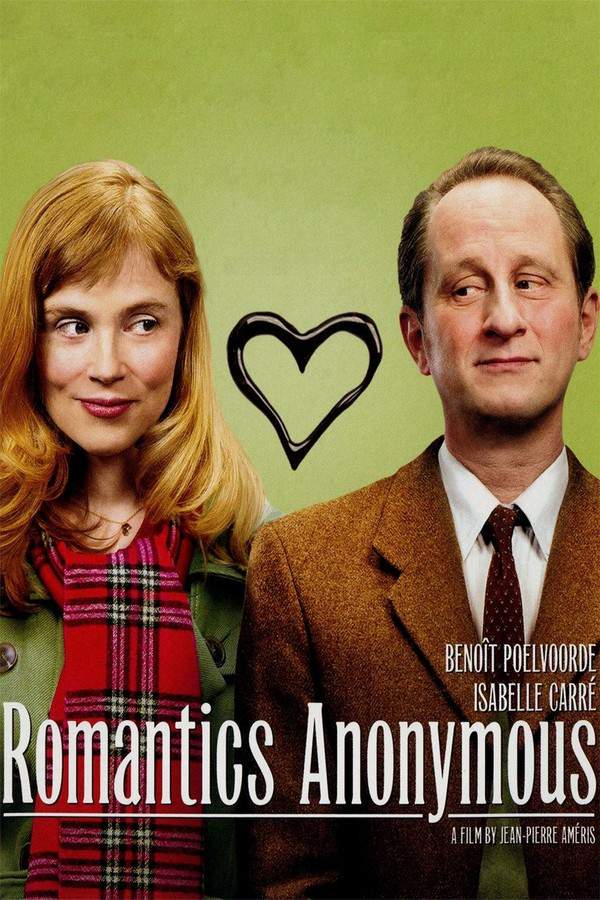
Movies about life-changing community theater like in Who Am I This Time?

Stories where participation in the arts helps characters reinvent themselves. Fans of 'Who Am I This Time?' will enjoy these films that explore how community art projects, especially theater, transform lives. These stories show characters gaining confidence and forging bonds through creative collaboration, resulting in uplifting and heartfelt narratives similar to the journey of Harry and Helene.

  • hopeful
  • heartfelt
  • creative
  • community
  • transformative
  • uplifting
  • Tone: hopeful, uplifting, heartfelt
  • Pacing: steady, progressive
Why these movies?

The story pattern: The narrative follows characters who are stuck or unfulfilled in their daily lives. Their involvement in an artistic endeavor provides a safe space for exploration and risk-taking. Through this process, they often confront aspects of themselves, leading to a positive transformation that bridges their artistic and real-world identities.

Why they belong together: These films are linked by the central theme of art as a transformative force. They share a hopeful tone, focusing on positive personal growth achieved through creative expression and the supportive, often quirky, communities that form around amateur arts.

If you liked this

Movies Like Who Am I This Time?

Similar movies to Who Am I This Time?: the same genre, themes or kind of story. Each one comes with its own plot summary, timeline and ending explained.

Browse all movie summaries

Categories

Movie Lists Featuring Who Am I This Time?

Who Am I This Time? appears in these hand-built movie categories. Each one groups movies by a specific mood, theme or story type, with their plot summaries and endings explained.

View all movie categories

Every angle

Who Am I This Time? (1982) Explained: Plot, Timeline & Characters

Everything about Who Am I This Time? in one place: what happens in the plot summary, the timeline in chronological order, the characters and meaning and a spoiler-free summary. What's After the Movie adds the cast, box office and post-credit scenes.

Coming soon on iOS and Android

The Plot Explained Movie Summary App

Plot summaries, endings explained and timelines on your phone. Catch up on any movie in minutes, save your favorites and never miss a twist again.

Be the first to know when we launch. Your email stays private, always.

Learn more about the app