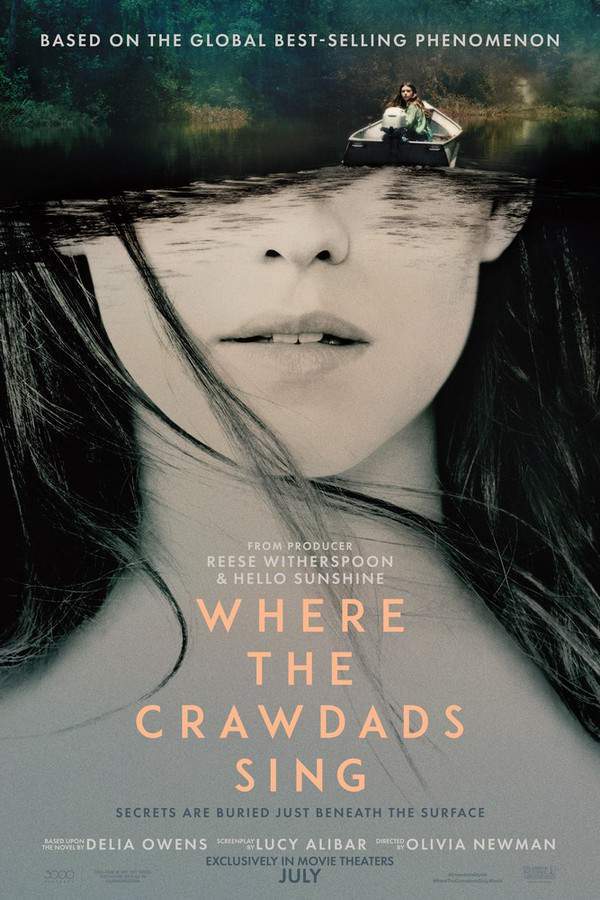
Where the Crawdads Sing
 #8,74721
 Year: 2022
Runtime: 125 min
Language: English
Director: Olivia Newman
Echo Score: 68Budget: $24M
Abandoned by her family as a young girl, Kya raises herself in the marshes of North Carolina, becoming intimately familiar with its natural beauty and dangers. Shunned by the nearby townspeople, she develops a deep connection with two young men who offer her friendship and guidance. When one of them is found dead, Kya becomes the prime suspect, forcing her to confront the prejudices of the community and fight to prove her innocence while the secrets of the marsh are revealed.
Where to Watch Where the Crawdads Sing?
Find where to stream, rent, or buy Where the Crawdads Sing (2022) in the US with current JustWatch availability, up-to-date pricing, and platform listings for subscription, rental, and digital purchase options.












Streaming availability powered by 
Warning: spoilers below!
Haven’t seen Where the Crawdads Sing yet? This summary contains major spoilers. Bookmark the page, watch the movie, and come back for the full breakdown. If you're ready, scroll on and relive the story!
Where the Crawdads Sing (2022) – Ending Explained & Final Scene Breakdown
Still thinking about how Where the Crawdads Sing (2022) ended? Here’s a full breakdown of the ending, key final moments, major twists, and the deeper meaning behind the film’s conclusion.
The ending of “Where the Crawdads Sing” leaves viewers pondering whether justice was truly served or if Kya committed an act of violence driven by her pain and distrust. Throughout the film, we see how Kya’s tumultuous childhood, filled with abandonment, abuse, and heartbreak, shaped her view of relationships and her sense of safety. Her deep connection with the marsh becomes a sanctuary, a place where she feels in control and truly herself. When Chase Andrews, the man who had once betrayed her trust through harassment and attempted rape, is found dead, suspicion falls on Kya, especially since she had a motive rooted in her pain and her desire to protect herself from further harm.
What complicates the story is that there’s no concrete evidence linking Kya to Chase’s death, and her alibi—being in Greenville with her publishers—makes her innocence plausible. The film carefully suggests that Kya’s actions could be viewed as a form of poetic justice: she had been neglected and hurt all her life, and her response to Chase’s harassment and assault was to defend herself, possibly even to eliminate a threat. She knew she could not survive another betrayal or injury and chose to take control in her own way, even if it meant crossing moral lines.
In the end, Tate finds a shell necklace with a scratched illustration of Chase and, understanding what Kya had concealed, decides to hide the truth by throwing it away into the water. This act symbolizes his awareness that Kya’s actions—whether murder or self-defense—are complex and can’t be judged by conventional standards. It also signifies his respect for her struggle and her need to protect herself from a society that would condemn her. The film’s conclusion implies that the swamp and its creatures are witnesses to this unorthodox form of justice, one rooted in survival and resilience rather than societal rules. Ultimately, the ending invites viewers to reflect on whether Kya’s acts were a form of personal justice against a world that rejected her or simply the tragic consequence of her isolated life, leaving the question of morality open-ended.
Last updated: June 25, 2025 at 09:00
Where the Crawdads Sing (2022) Ending Questions Answered – Ending FAQ
Read frequently asked questions about the ending of Where the Crawdads Sing (2022), including final-scene interpretation, twist explanations, character outcomes, and the deeper meaning behind the conclusion. This ending explained FAQ is designed for viewers searching for clear spoiler-heavy answers and ending breakdown insights.
Did Kya actually kill Chase Andrews in Where the Crawdads Sing?
The film leaves Kya's guilt ambiguous. While no concrete evidence links her to Chase's death and she has a plausible alibi (visiting her publishers in Greenville), the narrative strongly implies she may have killed him as a form of self-defense or poetic justice after he attempted to rape her. The shell necklace found by Tate, featuring a scratched illustration of Chase, suggests she harbored violent feelings toward him.
Earlier scenes show Chase harassing Kya and attempting to assault her in the marsh, establishing both motive and opportunity.
Why does Tate hide the shell necklace evidence at the end?
Tate discovers the shell necklace with Chase's scratched image hidden in Kya's collection and realizes she may be responsible for Chase's death. Rather than expose her, he throws the necklace into the water, choosing to protect her. This act represents his understanding that Kya's actions, whether murder or self-defense, stem from a lifetime of trauma and cannot be judged by conventional societal standards.
Tate's deep love for Kya and his awareness of her painful past make him sympathize with her situation.
What happens to Kya at the end of the movie?
Kya lives a life of accomplishment, publishing her nature books and finding love with Tate, who returns to her. She dies peacefully in the marsh at an older age. However, the ending is bittersweet, her life is marked by the revelation that she likely committed a murder, and she dies with this secret unresolved.
The marsh has been Kya's sanctuary throughout the film, making it a fitting final place for her.
What does the ending say about justice and morality?
The ending presents an open-ended question about morality. It suggests Kya's act could be viewed as poetic justice, a response to a lifetime of abandonment, abuse, and finally attempted rape, by a society that rejected and condemned her. The marsh itself becomes a witness to this unorthodox justice, one rooted in survival rather than societal rules. The film invites viewers to decide whether Kya's actions were justified personal justice or the tragic consequence of her isolated existence.
Why was Kya suspected of Chase's murder?
Kya became the prime suspect because she had a clear motive: Chase had previously harassed her and attempted to rape her. The townspeople already viewed her as an outsider due to her reclusive marsh lifestyle, making her an easy target for suspicion. Additionally, her complicated history with Chase, both romantic and traumatic, gave investigators reason to believe she might have killed him.
Earlier scenes establish the town's prejudice against Kya and her volatile relationship with Chase.
What is the significance of the shell necklace in the ending?
The shell necklace with the scratched illustration of Chase serves as the crucial piece of evidence that could link Kya to Chase's death. When Tate finds it among Kya's collections, he understands it represents her potential guilt. His decision to throw it into the water symbolizes his choice to protect her, acknowledging the complexity of her actions while choosing love over justice.
Kya collects shells and natural specimens throughout the film, making this discovery meaningful.
Do Kya and Tate end up together?
Yes, Kya and Tate reunite at the end. After years apart due to his decision to leave for law school and her inability to trust after trauma, Tate returns to the marsh and finds Kya. They spend their remaining years together in the marsh, with Tate helping Kya publish her nature journals. Their relationship represents the one stable, loving connection Kya experiences in her life.
Their childhood friendship and first love establish the foundation for their eventual reunion.
Is the ending of Where the Crawdads Sing happy or sad?
The ending is bittersweet. Kya achieves what she always wanted, published work, recognition for her nature expertise, and genuine love with Tate. However, her accomplishment is shadowed by the unresolved violence she may have committed and the trauma that defined her life. She dies peacefully in her sanctuary, but the question of whether she got away with murder lingers, making the conclusion both hopeful and sorrowful.
The film balances themes of resilience and hope with isolation and trauma throughout.
How does Chase Andrews actually die in the movie?
Chase Andrews is found dead at the bottom of a fire tower, but the film never explicitly shows his death or confirms who killed him. The circumstances suggest a struggle occurred, but whether Kya was responsible remains ambiguous. The lack of concrete evidence is central to the mystery, allowing for multiple interpretations of what truly happened that night.
Earlier scenes show Kya visiting the fire tower with Chase, establishing her knowledge of the location.

Explore Movie Threads
Discover curated groups of movies connected by mood, themes, and story style. Browse collections built around emotion, atmosphere, and narrative focus to easily find films that match what you feel like watching right now.
Outsider murder mysteries like Where the Crawdads Sing
Quiet character studies where a lone outsider confronts a crime and small-town prejudice.If you liked the compelling blend of personal drama and crime investigation in Where the Crawdads Sing, discover more movies like it. This list features similar atmospheric thrillers where solitary protagonists face suspicion and must navigate a tense judgment from their community.
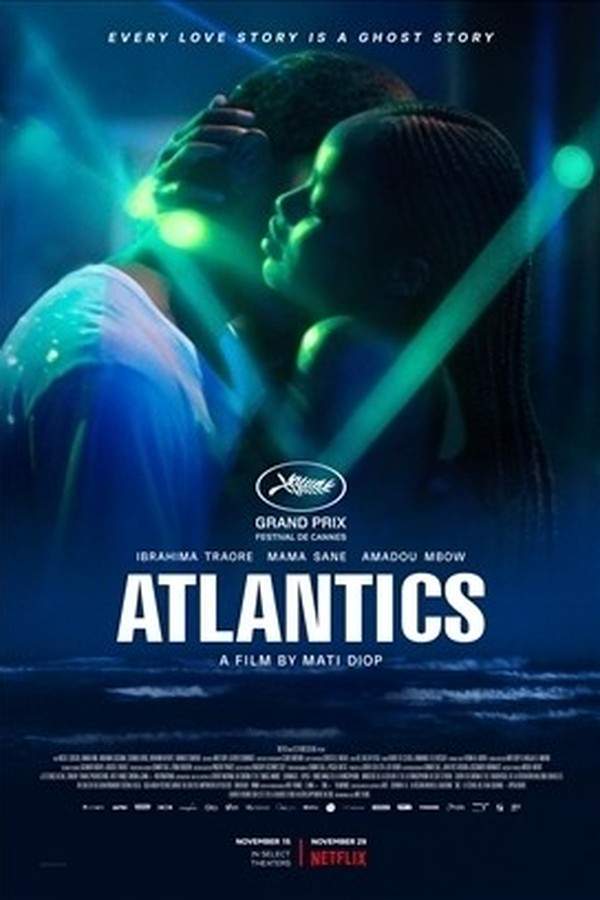
Atlantics
2019
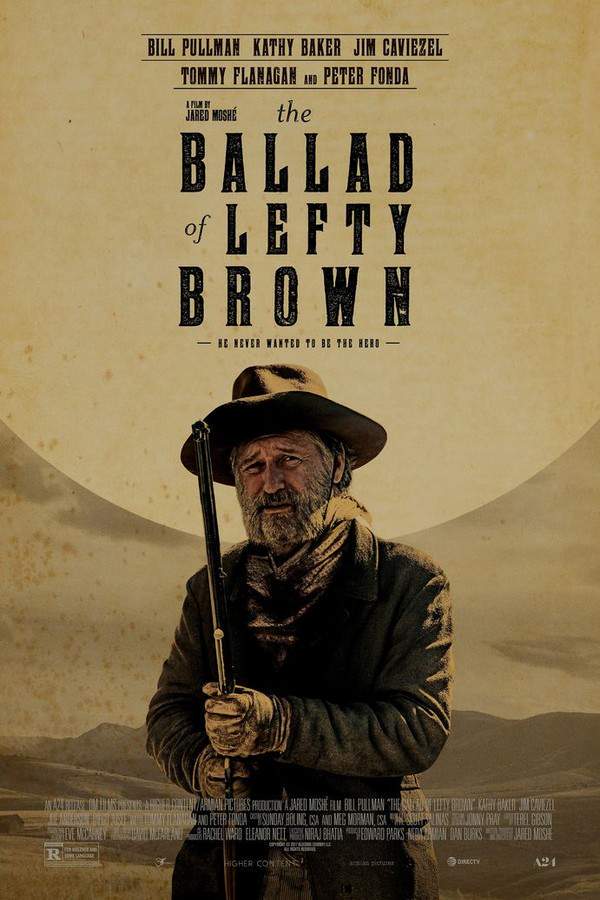
The Ballad of Lefty Brown
2017
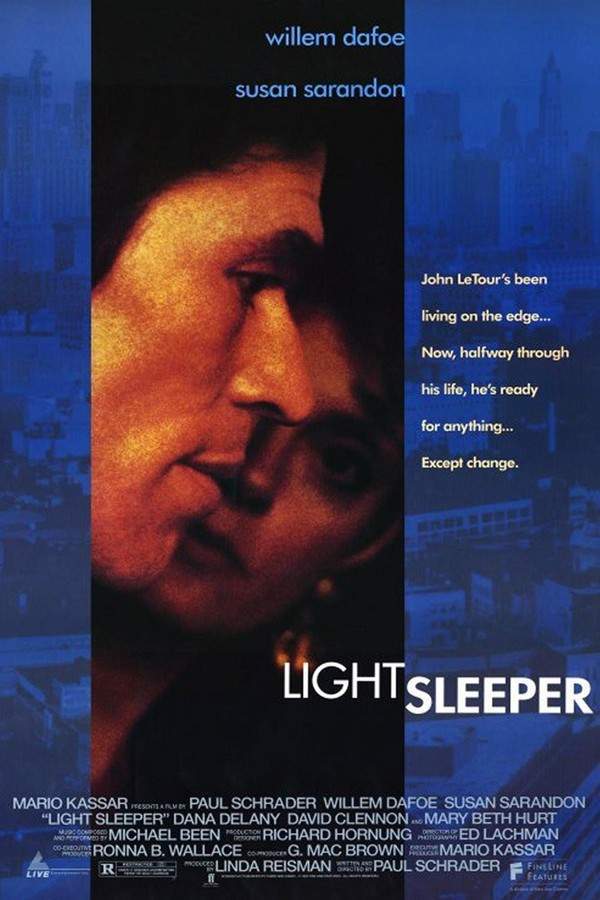
Light Sleeper
1992

November Criminals
2017
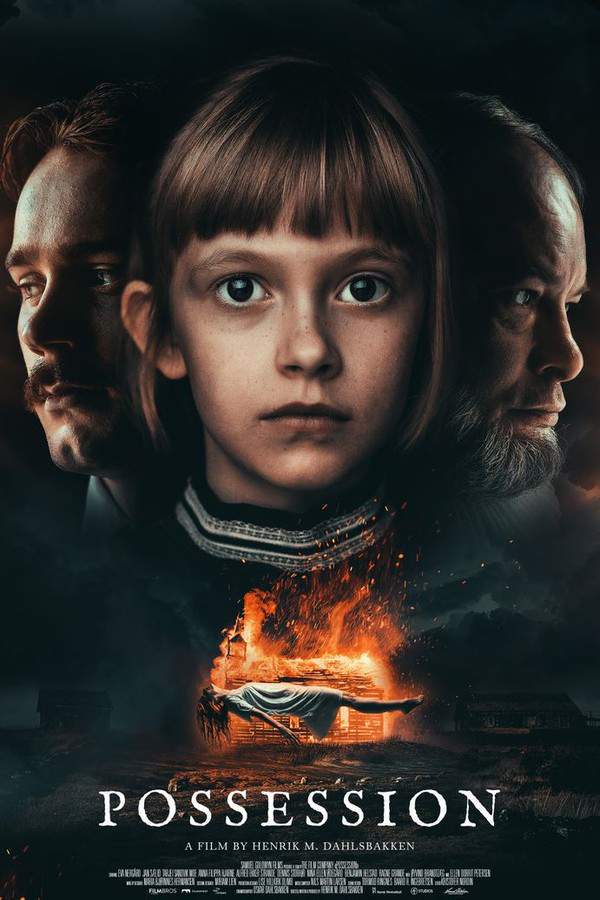
Possession
2002
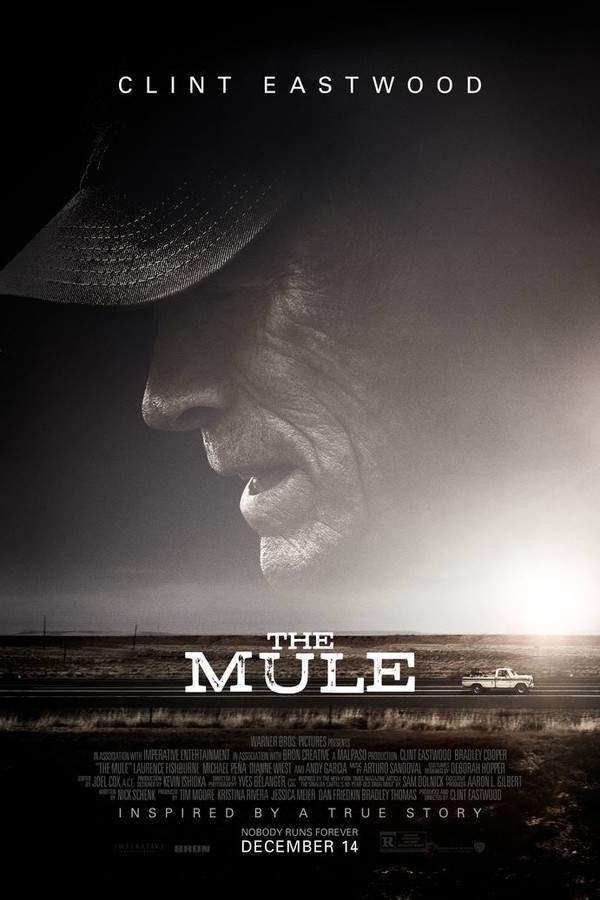
The Mule
2018
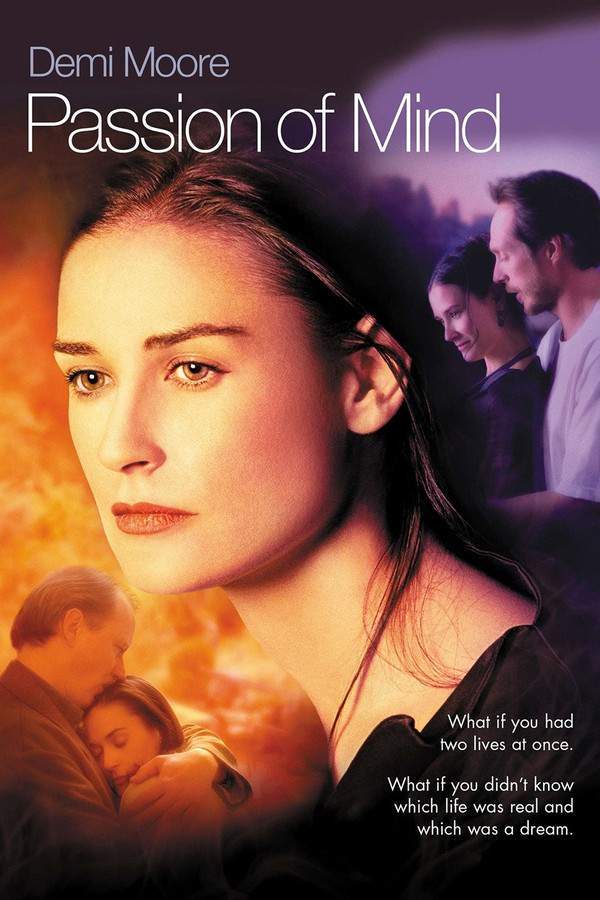
Passion of Mind
2000

Shubho Mahurat
2003

I Hired a Contract Killer
1990

From Noon Till Three
1976

From the Terrace
1960

Two Men in Manhattan
1959

Imaginary Crimes
1994

The Vintage
1957

The Great Meadow
1931
Narrative Summary
These narratives often follow a dual timeline, interweaving a present-day investigation with flashbacks that reveal the protagonist's complex history. The central mystery forces the outsider to confront societal judgment, with the truth slowly unveiled through a steady, reflective pace that prioritizes character depth over action.
Why These Movies?
Movies in this thread are grouped by their focus on an isolated individual at the center of a crime, where the investigation is as much about uncovering community biases as it is about finding the culprit. They share a melancholic tone, steady pacing, and a deep connection between the protagonist and their environment.
Bittersweet nature survival stories like Where the Crawdads Sing
Resilient journeys of individuals finding strength and solace in the natural world.For viewers who appreciated the powerful themes of survival and nature connection in Where the Crawdads Sing, this collection highlights similar movies. Explore stories of resilient characters who overcome isolation and trauma, with their journey deeply intertwined with the beauty and challenges of the natural world.
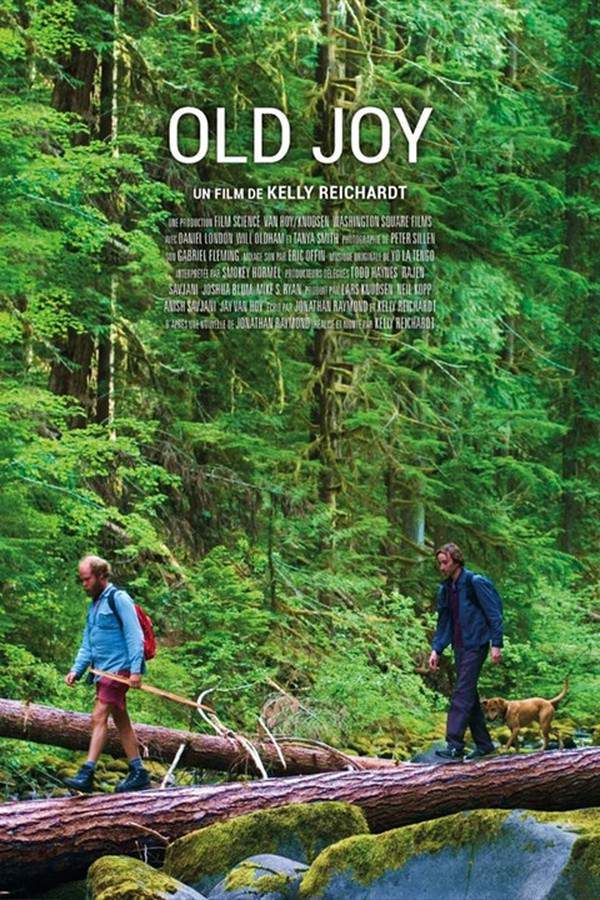
Old Joy
2006
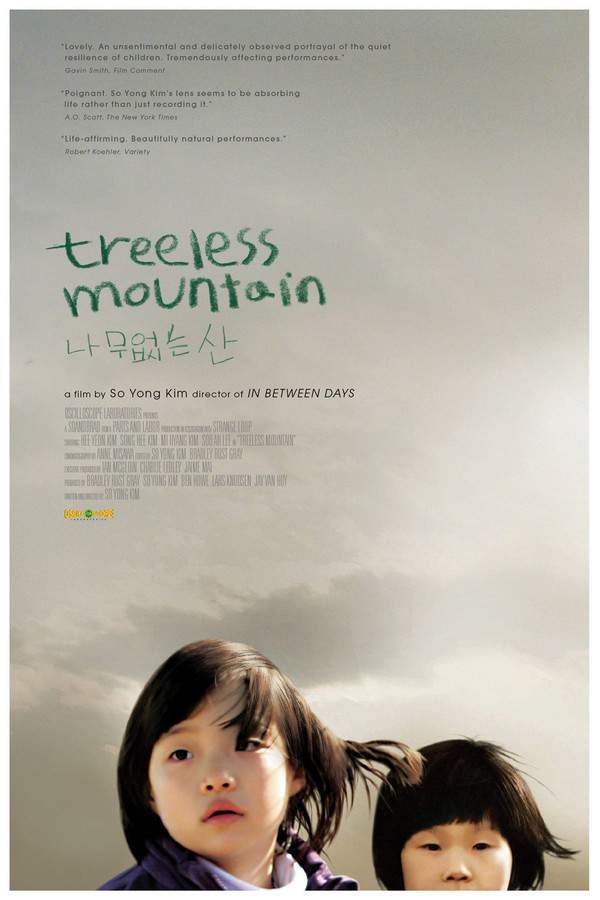
Treeless Mountain
2009
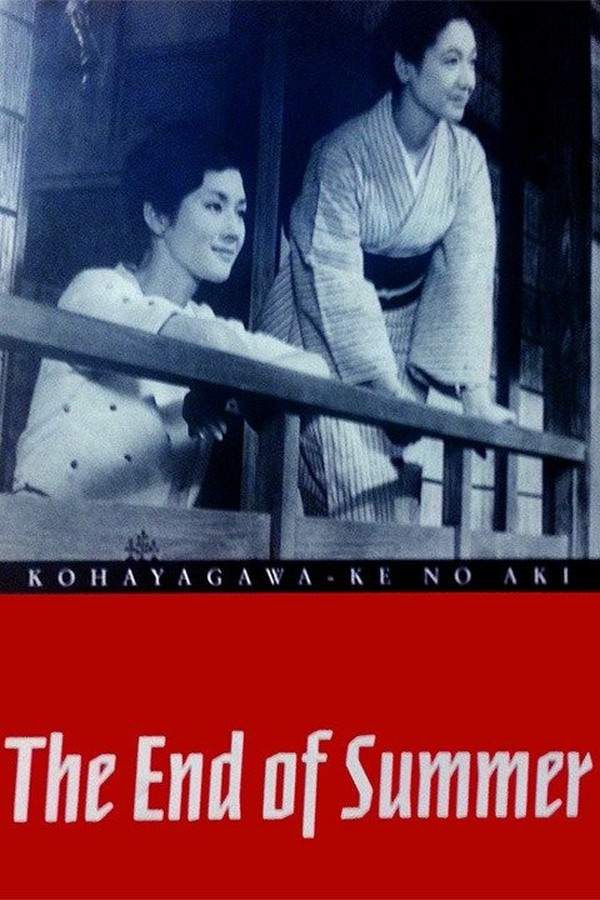
The End of Summer
1962
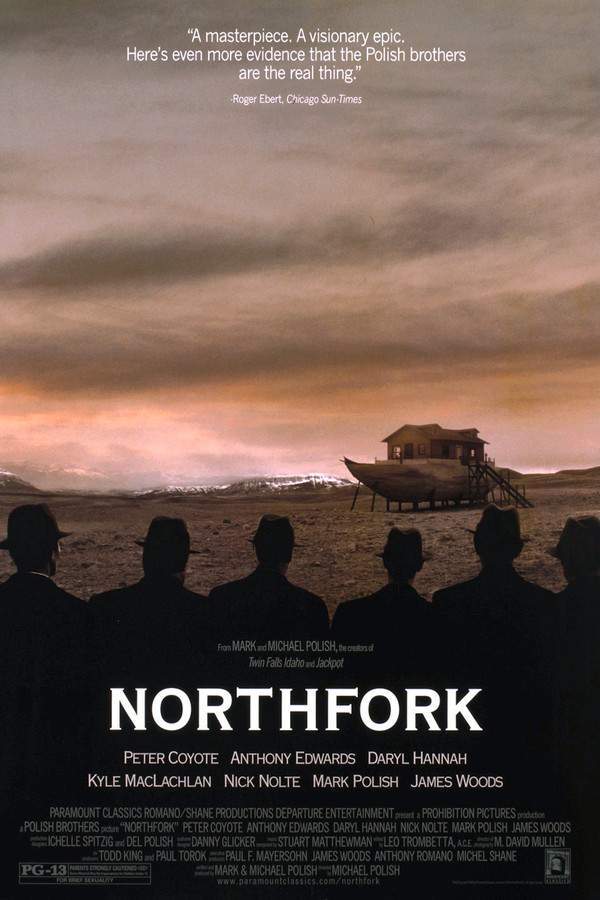
Northfork
2003
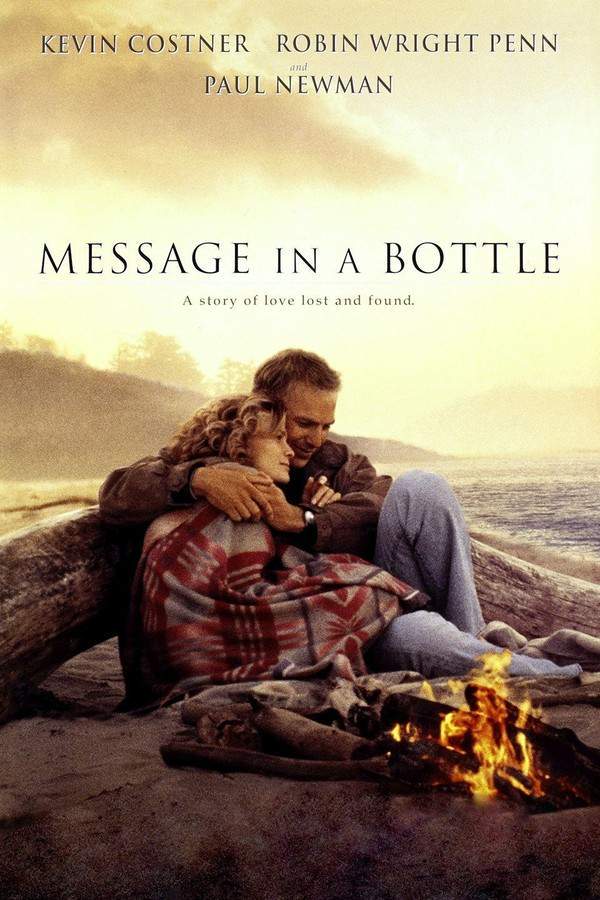
Message in a Bottle
1999
Sasquatch Sunset
2024

South Solitary
2010

The Driftless Area
2015

The Shepherd
2019

Days of Being Wild
1990
Paradise
1991

Stealing Home
1988

The End of the Pale Hour
2021

Somewhere I Have Never Travelled
2009
The Great Meadow
1931
Narrative Summary
The narrative pattern follows a character's arduous journey of survival, frequently beginning with a traumatic event like abandonment. The natural setting is central, providing both obstacle and refuge. The arc is one of resilience and adaptation, often culminating in a bittersweet ending that acknowledges the scars of the past while celebrating hard-won strength.
Why These Movies?
These movies are connected by their profound focus on human resilience in the face of isolation, where the natural environment is a key character. They share a melancholic yet hopeful tone, a steady pacing that allows for reflection, and an emotional core that balances the pain of loss with the strength found in survival.
Unlock the Full Story of Where the Crawdads Sing
Don't stop at just watching - explore Where the Crawdads Sing in full detail. From the complete plot summary and scene-by-scene timeline to character breakdowns, thematic analysis, and a deep dive into the ending - every page helps you truly understand what Where the Crawdads Sing is all about. Plus, discover what's next after the movie.
Where the Crawdads Sing Summary
Read a complete plot summary of Where the Crawdads Sing, including all key story points, character arcs, and turning points. This in-depth recap is ideal for understanding the narrative structure or reviewing what happened in the movie.

Where the Crawdads Sing Timeline
Track the full timeline of Where the Crawdads Sing with every major event arranged chronologically. Perfect for decoding non-linear storytelling, flashbacks, or parallel narratives with a clear scene-by-scene breakdown.

Characters, Settings & Themes in Where the Crawdads Sing
Discover the characters, locations, and core themes that shape Where the Crawdads Sing. Get insights into symbolic elements, setting significance, and deeper narrative meaning - ideal for thematic analysis and movie breakdowns.


