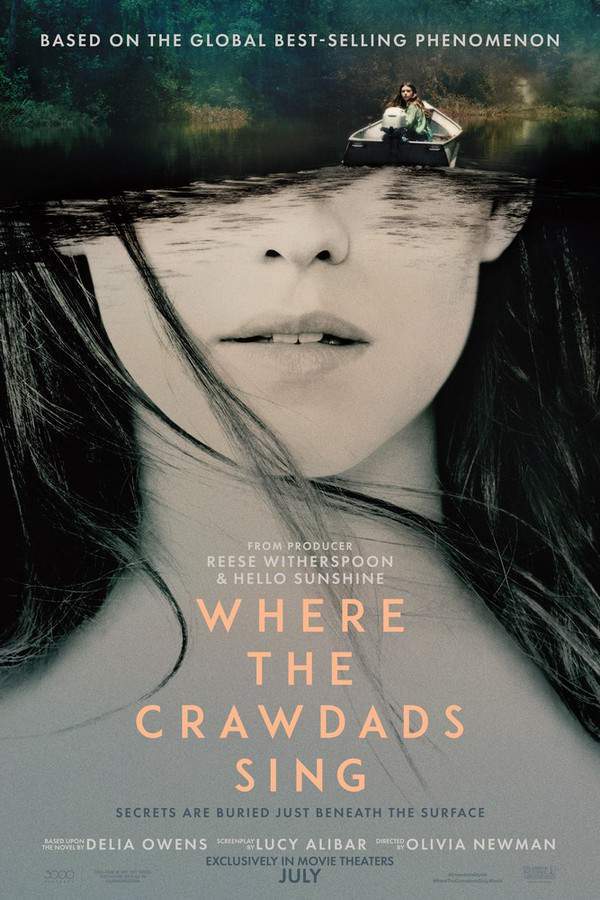
Where the Crawdads Sing
 #8,74721
 Year: 2022
Runtime: 125 min
Language: English
Director: Olivia Newman
Echo Score: 68Budget: $24M
Abandoned by her family as a young girl, Kya raises herself in the marshes of North Carolina, becoming intimately familiar with its natural beauty and dangers. Shunned by the nearby townspeople, she develops a deep connection with two young men who offer her friendship and guidance. When one of them is found dead, Kya becomes the prime suspect, forcing her to confront the prejudices of the community and fight to prove her innocence while the secrets of the marsh are revealed.
Where to Watch Where the Crawdads Sing?
Find where to stream, rent, or buy Where the Crawdads Sing (2022) in the US with current JustWatch availability, up-to-date pricing, and platform listings for subscription, rental, and digital purchase options.












Streaming availability powered by 
Warning: spoilers below!
Haven’t seen Where the Crawdads Sing yet? This summary contains major spoilers. Bookmark the page, watch the movie, and come back for the full breakdown. If you're ready, scroll on and relive the story!
Where the Crawdads Sing (2022) – Full Plot Summary & Ending Explained
Read the complete plot breakdown of Where the Crawdads Sing (2022), including all key story events, major twists, and the ending explained in detail. Discover what really happened, and what it all means.
As the murky waters of 1968 lap against the fire tower, local quarterback Chase Andrews meets a tragic end, leaving the residents of Barkley Cove to grapple with the mystery surrounding his death. Despite investigations, few clues emerge: there are no discernible tracks at the site, no fingerprints on the tower’s metal beams, and most notably, the shell necklace he wore that evening has vanished along with him. This missing token, emblematic of a turbulent relationship, sets the stage for the trial of local woman Kya Clark, accused of first-degree murder.
Kya’s story unravels in a flashback to 1953, where she resides in a simple shack within the unforgiving North Carolina marsh with her troubled family. The warmth of love that once filled their home erodes, consumed by her father’s gambling addiction, leading each of her siblings to leave, ultimately abandoning Kya at just seven years old when her mother also departs to escape their grim reality.
As the years roll on, Kya finds solace in the abundance of nature around her, creating a bond with Tate Walker, an older boy who introduces her to the pleasures of reading, writing, and the beauty of the world. Their connection blossoms into young love but is short-lived when Tate heads off to college, leaving Kya heartbroken and longing for his return on the 4th of July.
Fast-forwarding to 1968, Kya’s life takes a turbulent turn through her relationship with Chase. He promises her marriage, giving her a small shell that she carefully crafts into a necklace, only for her to discover his deceitful intentions of being engaged to another woman. Resolutely, Kya breaks ties with him and bravely rebuffs his unwelcome advances, showcasing her strength as she fends off a would-be rapist.
As Kya’s talent for nature-inspired art flourishes, her drawings and writings gain acclaim, bringing her financial independence while still residing in her cherished marsh. The arrival of her brother Jodie Clark heralds tragic news of their mother’s passing, leaving their relationship strained yet hopeful for future visits.
Meanwhile, Kya finds herself in a precarious situation as Chase, unwilling to accept their end, vandalizes her home, igniting a conflict that tests her resilience. As Kya stands trial, despite compelling evidence of her whereabouts during Chase’s death, the prosecution spins an unverified tale claiming she could have disguised herself, traveled treacherously to the fire tower, and killed him. Ultimately, with circumstantial evidence and a single fisherman’s testimony, Kya is found not guilty.
In the ensuing years, Kya and Tate cultivate a life together, their love blossoming like a rare flower amidst the swamp’s wildness. Kya’s passion for nature culminates in beautifully illustrated books that garner significant acclaim, transforming their home into a refuge filled with warmth and family visits from Jodie and his loved ones. With each passing decade, Kya’s life becomes a tapestry of purpose and freedom.
In her later years, Kya often muses about the swamp’s rich memories, daydreaming about her mother returning as if time itself had unraveled. But tragedy strikes when Tate discovers her peacefully resting in their boat, her lifeless form a poignant reminder of life’s transient nature. As he sifts through her belongings, Tate stumbles upon a profound entry in her journal: > “To protect the prey, sometimes the predator must be killed.” Accompanied by a haunting illustration of Chase, her reflections linger in the air like the elusive scent of saltwater.
With a heavy heart, Tate retrieves the cherished shell necklace, releasing it back into the marsh, allowing its secrets to mingle with the gentle currents below.
Last updated: November 21, 2024 at 11:13
Where the Crawdads Sing (2022) Plot Questions Answered – Summary FAQ
Explore frequently asked questions about Where the Crawdads Sing (2022) with spoiler-rich answers covering the full plot summary, major story beats, character motivations, hidden details, and ending meaning. This movie summary FAQ helps explain confusing scenes, plot twists, and narrative decisions in clear, searchable detail.
Why was Kya abandoned by her family?
Kya was abandoned because her father's gambling addiction destroyed the family. Her siblings left one by one to escape the abuse and poverty, and when she was seven, her mother also left to escape the grim reality of their situation. No one returned for her, leaving her completely alone in the marsh.
Why did Tate leave Kya on July 4th?
Tate left for college on July 4th, 1968, which was a devastating moment for Kya. While he promised to return, his departure represented another abandonment in Kya's life, deepening her isolation in the marsh after she had grown close to him.
Why was Kya accused of murdering Chase?
Kya became the prime suspect because she was known to have had a turbulent relationship with Chase Andrews. The prosecution argued she had motive - she discovered he was engaged to another woman after promising to marry her, and he had vandalized her home when she ended the relationship. The community already viewed her as an outsider, making her an easy target for suspicion.
Did Kya kill Chase?
The movie strongly implies Kya did kill Chase. After her death, Tate discovers a journal entry that reads "To protect the prey, sometimes the predator must be killed," accompanied by an illustration of Chase. This suggests she killed him to protect herself after he attempted to assault her, though the trial could not prove this.
The assault scene where Kya fends off Chase foreshadows her desperate action at the fire tower.
How was Kya acquitted of the murder charges?
Kya was found not guilty because the prosecution failed to provide concrete evidence linking her to Chase's death. There were no tracks at the scene, no fingerprints on the tower, and her alibi was supported by evidence. The single fisherman's testimony about seeing a woman at the marsh wasn't enough to overcome reasonable doubt in the minds of the jury.
What happened to the shell necklace?
The shell necklace that Kya made from a gift Chase gave her vanished with Chase on the night he died. After Kya's death, Tate retrieves the necklace and returns it to the marsh, releasing it into the water where it becomes a symbol of both their turbulent relationship and her ultimate freedom.
Why did Chase vandalize Kya's home?
Chase vandalized Kya's home after she ended their relationship upon discovering he was already engaged to another woman. Unable to accept her rejection, he retaliated by destroying her property, an act of aggression that further revealed his violent and controlling nature.
What does the journal entry about protecting the prey mean?
The journal entry "To protect the prey, sometimes the predator must be killed" reveals Kya's perspective on Chase's death. After he attempted to assault her, she viewed him as a predator she needed to defend herself against. The entry confirms she viewed the killing as an act of self-protection, though she never explicitly wrote that she committed the act.
How did Kya become successful as an artist?
Kya's talent for nature-inspired art and writing flourishes after Tate teaches her to read and write. Her detailed drawings and observations of the marsh gain acclaim, leading to published books that bring her financial independence while allowing her to remain in the marsh she loved.
Why did Kya's relationship with Chase end?
Kya broke off her relationship with Chase after discovering he was secretly engaged to another woman despite promising to marry her. When she rejected him, he attempted to assault her, forcing Kya to defend herself and flee. This betrayal and violence ended any connection she had with him.
Ending Explained – What Happens at the End of Where the Crawdads Sing?
Still wondering what the ending of Where the Crawdads Sing (2022) really means? Here’s a spoiler-heavy breakdown of the final scene, major twists, and the deeper themes that shape the film’s conclusion.
The ending of “Where the Crawdads Sing” leaves viewers pondering whether justice was truly served or if Kya committed an act of violence driven by her pain and distrust. Throughout the film, we see how Kya’s tumultuous childhood, filled with abandonment, abuse, and heartbreak, shaped her view of relationships and her sense of safety. Her deep connection with the marsh becomes a sanctuary, a place where she feels in control and truly herself. When Chase Andrews, the man who had once betrayed her trust through harassment and attempted rape, is found dead, suspicion falls on Kya, especially since she had a motive rooted in her pain and her desire to protect herself from further harm.
What complicates the story is that there’s no concrete evidence linking Kya to Chase’s death, and her alibi—being in Greenville with her publishers—makes her innocence plausible. The film carefully suggests that Kya’s actions could be viewed as a form of poetic justice: she had been neglected and hurt all her life, and her response to Chase’s harassment and assault was to defend herself, possibly even to eliminate a threat. She knew she could not survive another betrayal or injury and chose to take control in her own way, even if it meant crossing moral lines.
In the end, Tate finds a shell necklace with a scratched illustration of Chase and, understanding what Kya had concealed, decides to hide the truth by throwing it away into the water. This act symbolizes his awareness that Kya’s actions—whether murder or self-defense—are complex and can’t be judged by conventional standards. It also signifies his respect for her struggle and her need to protect herself from a society that would condemn her. The film’s conclusion implies that the swamp and its creatures are witnesses to this unorthodox form of justice, one rooted in survival and resilience rather than societal rules. Ultimately, the ending invites viewers to reflect on whether Kya’s acts were a form of personal justice against a world that rejected her or simply the tragic consequence of her isolated life, leaving the question of morality open-ended.
Last updated: June 25, 2025 at 09:00

Explore Movie Threads
Discover curated groups of movies connected by mood, themes, and story style. Browse collections built around emotion, atmosphere, and narrative focus to easily find films that match what you feel like watching right now.
Outsider murder mysteries like Where the Crawdads Sing
Quiet character studies where a lone outsider confronts a crime and small-town prejudice.If you liked the compelling blend of personal drama and crime investigation in Where the Crawdads Sing, discover more movies like it. This list features similar atmospheric thrillers where solitary protagonists face suspicion and must navigate a tense judgment from their community.
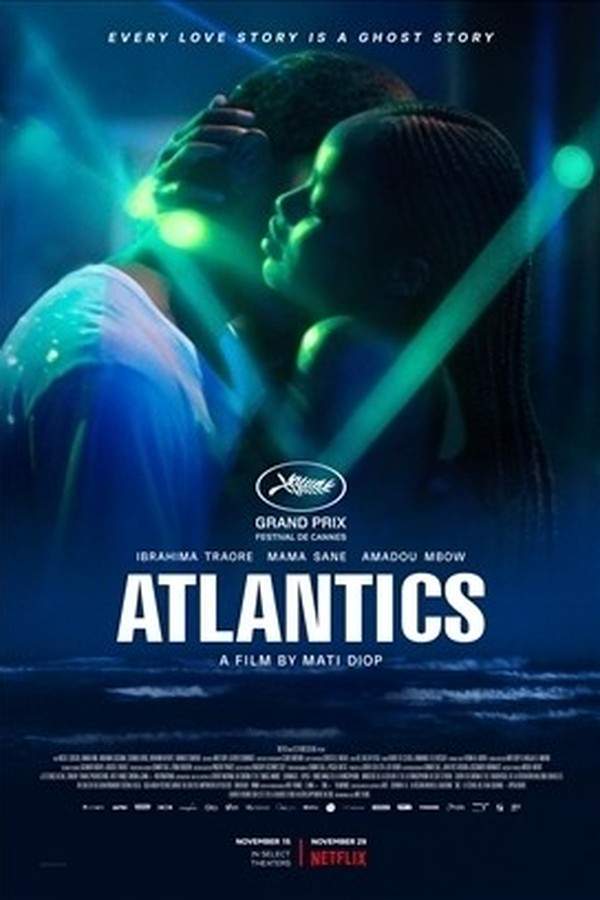
Atlantics
2019
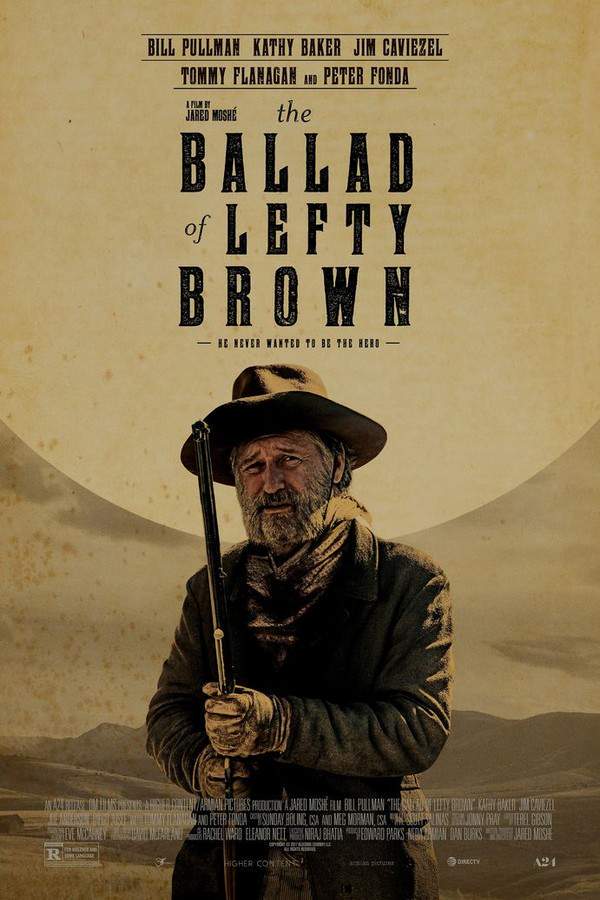
The Ballad of Lefty Brown
2017
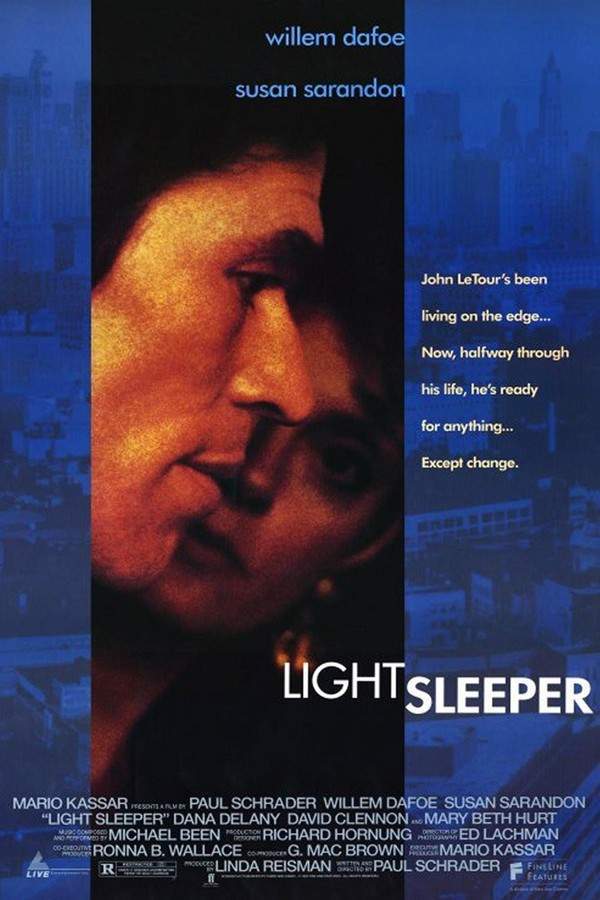
Light Sleeper
1992

November Criminals
2017
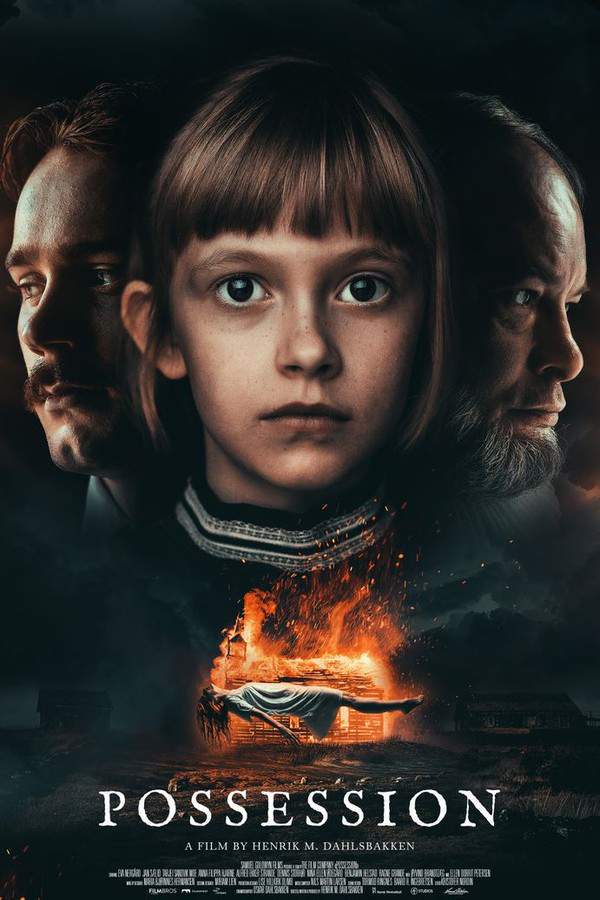
Possession
2002
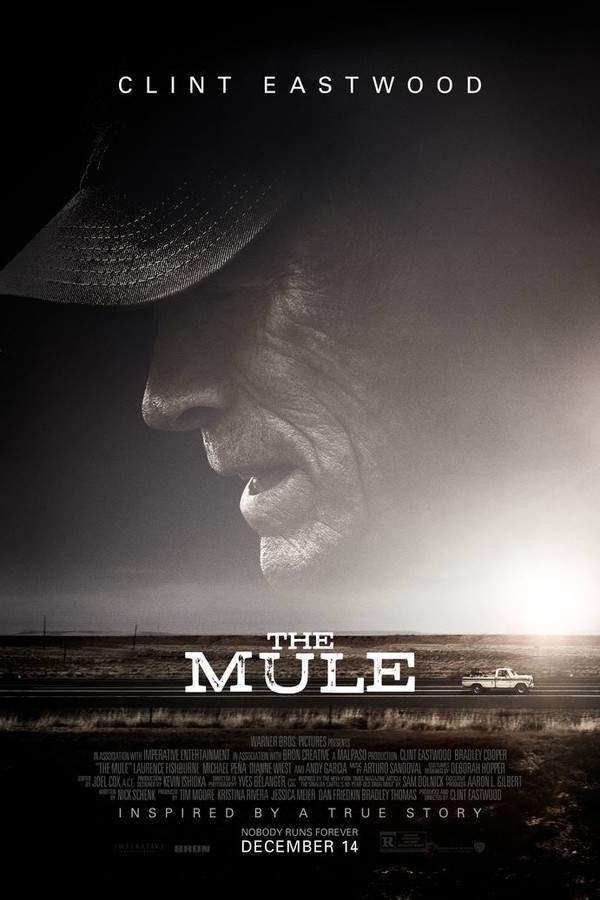
The Mule
2018
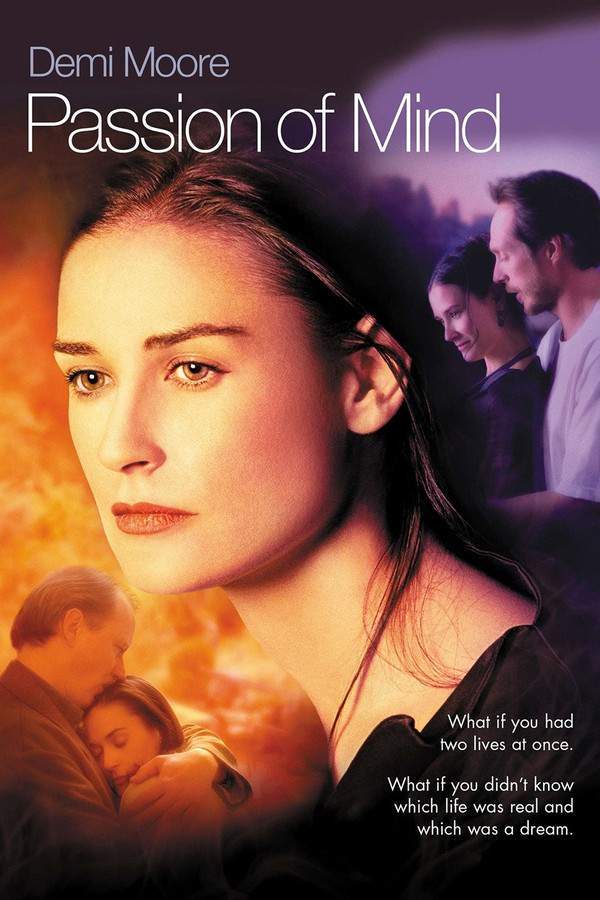
Passion of Mind
2000

Shubho Mahurat
2003

I Hired a Contract Killer
1990

From Noon Till Three
1976

From the Terrace
1960

Two Men in Manhattan
1959

Imaginary Crimes
1994

The Vintage
1957

The Great Meadow
1931
Narrative Summary
These narratives often follow a dual timeline, interweaving a present-day investigation with flashbacks that reveal the protagonist's complex history. The central mystery forces the outsider to confront societal judgment, with the truth slowly unveiled through a steady, reflective pace that prioritizes character depth over action.
Why These Movies?
Movies in this thread are grouped by their focus on an isolated individual at the center of a crime, where the investigation is as much about uncovering community biases as it is about finding the culprit. They share a melancholic tone, steady pacing, and a deep connection between the protagonist and their environment.
Bittersweet nature survival stories like Where the Crawdads Sing
Resilient journeys of individuals finding strength and solace in the natural world.For viewers who appreciated the powerful themes of survival and nature connection in Where the Crawdads Sing, this collection highlights similar movies. Explore stories of resilient characters who overcome isolation and trauma, with their journey deeply intertwined with the beauty and challenges of the natural world.
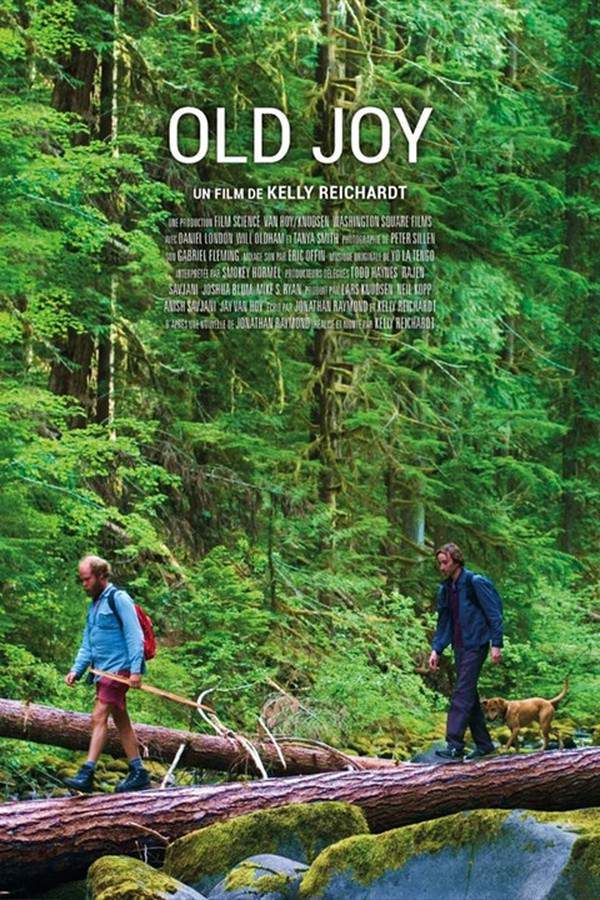
Old Joy
2006
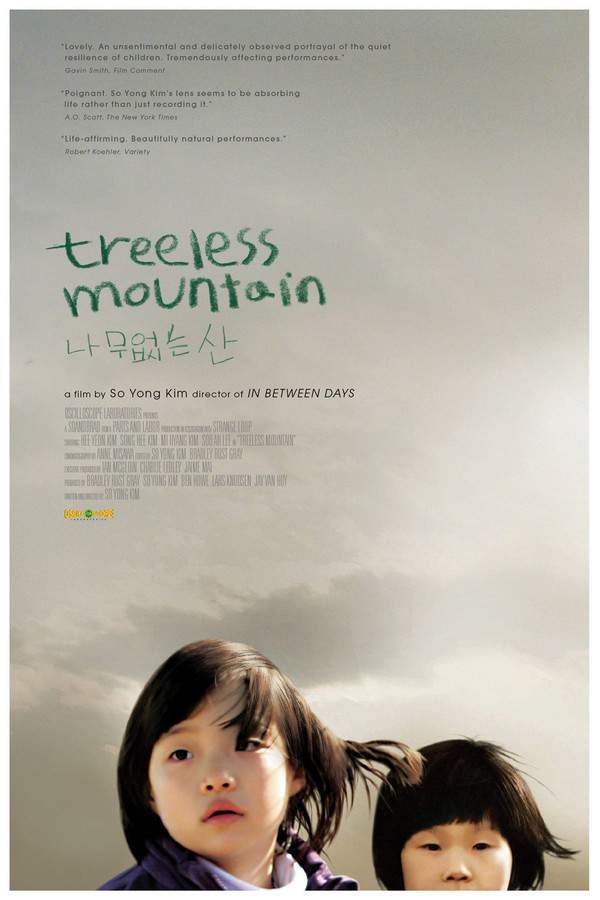
Treeless Mountain
2009
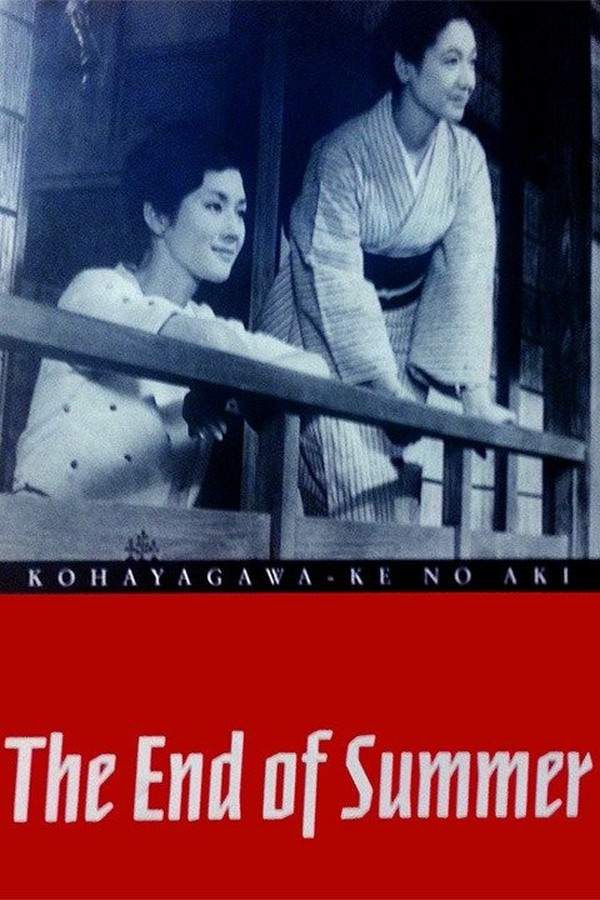
The End of Summer
1962
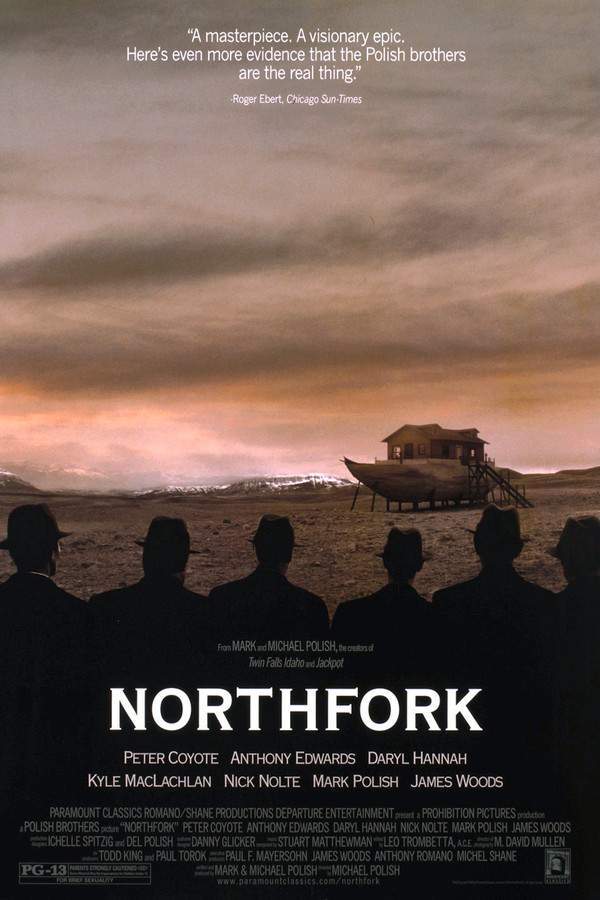
Northfork
2003
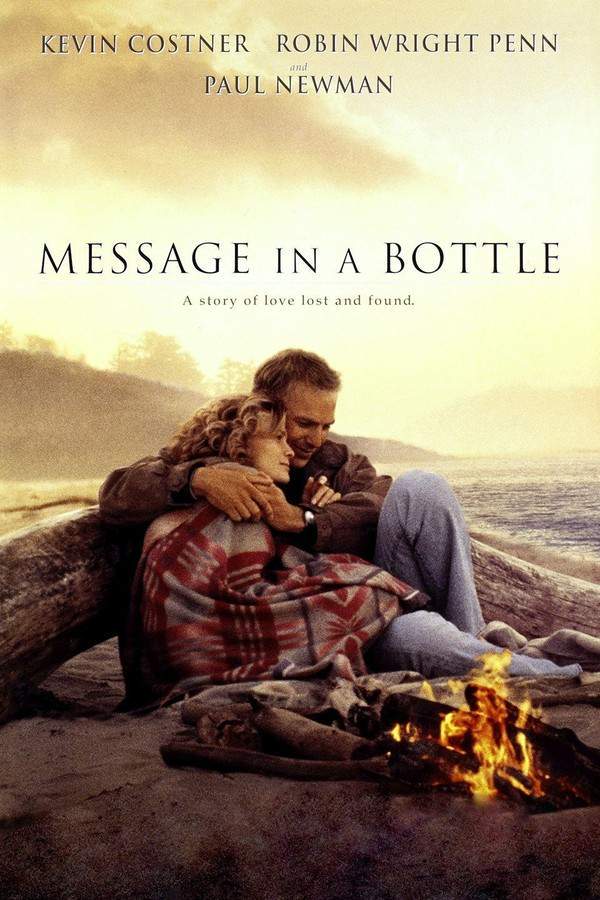
Message in a Bottle
1999
Sasquatch Sunset
2024

South Solitary
2010

The Driftless Area
2015

The Shepherd
2019

Days of Being Wild
1990
Paradise
1991

Stealing Home
1988

The End of the Pale Hour
2021

Somewhere I Have Never Travelled
2009
The Great Meadow
1931
Narrative Summary
The narrative pattern follows a character's arduous journey of survival, frequently beginning with a traumatic event like abandonment. The natural setting is central, providing both obstacle and refuge. The arc is one of resilience and adaptation, often culminating in a bittersweet ending that acknowledges the scars of the past while celebrating hard-won strength.
Why These Movies?
These movies are connected by their profound focus on human resilience in the face of isolation, where the natural environment is a key character. They share a melancholic yet hopeful tone, a steady pacing that allows for reflection, and an emotional core that balances the pain of loss with the strength found in survival.
Unlock the Full Story of Where the Crawdads Sing
Don't stop at just watching - explore Where the Crawdads Sing in full detail. From the complete plot summary and scene-by-scene timeline to character breakdowns, thematic analysis, and a deep dive into the ending - every page helps you truly understand what Where the Crawdads Sing is all about. Plus, discover what's next after the movie.
Where the Crawdads Sing Timeline
Track the full timeline of Where the Crawdads Sing with every major event arranged chronologically. Perfect for decoding non-linear storytelling, flashbacks, or parallel narratives with a clear scene-by-scene breakdown.

Characters, Settings & Themes in Where the Crawdads Sing
Discover the characters, locations, and core themes that shape Where the Crawdads Sing. Get insights into symbolic elements, setting significance, and deeper narrative meaning - ideal for thematic analysis and movie breakdowns.

Where the Crawdads Sing Ending Explained
What really happened at the end of Where the Crawdads Sing? This detailed ending explained page breaks down final scenes, hidden clues, and alternate interpretations with expert analysis and viewer theories.