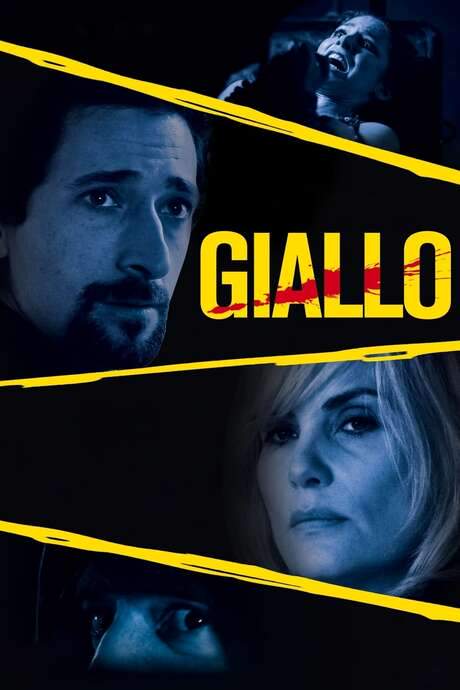
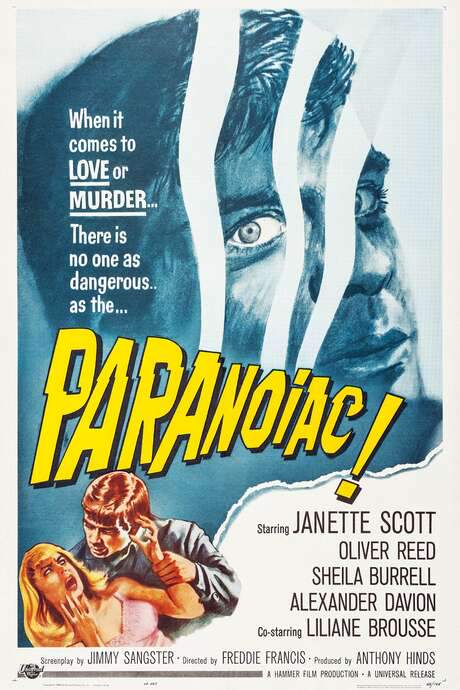
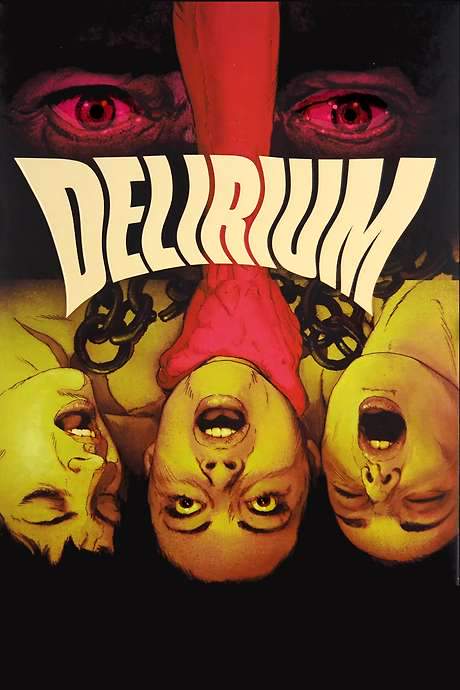
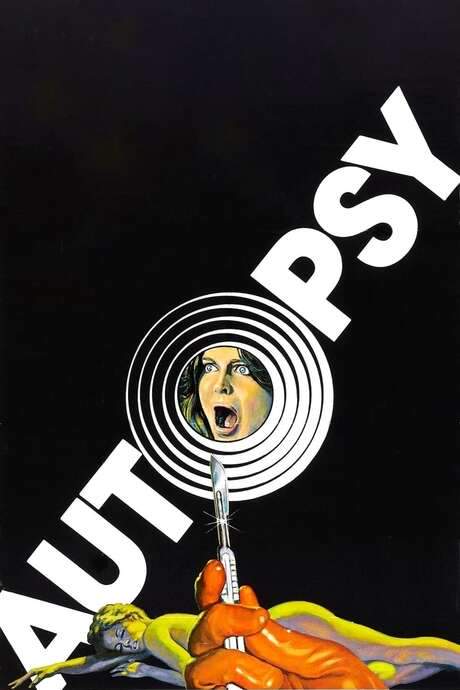
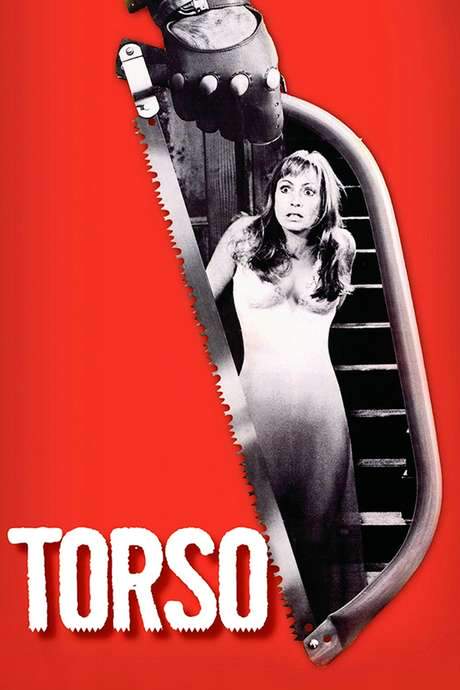
On a quiet college campus near the shore, a night of secrecy and danger begins to unfold. While on a boat with her Italian college professor Enrico Rosseni, Elizabeth Seccles witnesses a man with a knife stabbing another woman in the woods along the water. The killer’s act is brutal and intimate, and Elizabeth’s life takes a sudden, terrifying turn as Rosseni urges her to stay silent. The dead woman turns out to be one of Elizabeth’s classmates, a fact that deepens the fear and confusion surrounding the case. Before long, another college student is killed in a similar manner, suggesting a single attacker who stalks the campus.
As the body count climbs, the investigation intensifies, and a web of fear, sex, and secrecy comes to light. Elizabeth is murdered in her bathroom, shocking the campus and drawing the police into a tightening net. The investigators start to suspect Rosseni, who at first answers with denial but later reveals his affair with Elizabeth in an attempt to shield himself, especially from his wife, Herta Rosseni. The case seems to hinge on a shared link among the victims, a common denominator that will prove crucial to breaking the pattern. The police soon discover that the victims had all seen a local priest and were connected to a young woman named Solange Beauregard, who had joined the school the semester before but had vanished without a trace.
The trail widens into a disturbing portrait of exploitation and ritualized pleasure. The investigation uncovers a hedonistic secret club comprising several of Solange’s classmates, one that drew the young women into a cycle of parties, power, and danger. The priest who had spoken to many of the victims turns out not to be a priest at all, but Solange’s father, the wealthy and respected Professor Bascombe. This revelation reframes the killings as a twisted family crime tied to the darker corners of the school’s social world. The case takes another shocking turn when Ruth Holden, Brenda’s elderly maid who is deeply entangled in the same circle, is found murdered with a sickle, a brutal echo of the earlier slayings. Brenda Pilchard emerges as another figure connected to the same dangerous underbelly, underscoring the reach of Bascombe’s network.
The truth about Solange—and the motive behind the killings—comes into sharper focus. The clues point to Solange’s place within the secret circle: she had befriended the group and even joined them, but a harrowing betrayal followed when her first sexual encounter with the club ended in pregnancy. The trauma of the sequence, involving Ruth Holden as an abortion intermediary, leaves Solange emotionally scarred and unable to speak or function as before, effectively rendering her childlike. Faced with undeniable evidence and Solange’s own, haunting presence, Bascombe confesses to the murders, explaining that the violence was his method of protecting his daughter from the consequences of the abortion and the shame he believed would follow. In a final act of despair and guilt, he shoots himself at his desk, closing a dark chapter that linked private desire, institutional power, and deadly rage.
> The case closes with a stark reminder of how unchecked authority and hidden appetites can drive people to ruin others—and themselves. The victims’ memories linger, and the film leaves viewers with a resolute, haunting sense of the costs paid for secrecy and domination.