
What Have I Done to Deserve This?
Year: 1984
Runtime: 102 mins
Language: Spanish
Trapped in a stifling domestic world, a hen‑pecked housewife scrapes by on a meager existence while coping with an ungrateful husband, wayward teenage sons, a domineering mother‑in‑law and a flamboyant sex‑worker neighbor, among a cast of other vivid characters that populate her chaotic home life.
Warning: spoilers below!
Haven’t seen What Have I Done to Deserve This? yet? This summary contains major spoilers. Bookmark the page, watch the movie, and come back for the full breakdown. If you're ready, scroll on and relive the story!
Timeline – What Have I Done to Deserve This? (1984)
Trace every key event in What Have I Done to Deserve This? (1984) with our detailed, chronological timeline. Perfect for unpacking nonlinear stories, spotting hidden connections, and understanding how each scene builds toward the film’s climax. Whether you're revisiting or decoding for the first time, this timeline gives you the full picture.
Last updated: October 09, 2025 at 14:28
What Have I Done to Deserve This? (1984) Timeline Questions Answered – Chronology FAQ
Find frequently asked questions about the What Have I Done to Deserve This? (1984) timeline, including chronological order, nonlinear jumps, cause-and-effect links, and scene sequence clarifications. This timeline FAQ helps explain when key events happen, how moments connect, and why the story unfolds in that specific order.
Why does Gloria stay with her abusive husband Antonio?
Gloria remains trapped in her marriage due to extreme financial dependency and social isolation. She works as a cleaning lady to keep the family afloat, has no personal income or support network, and lives in a cramped Madrid apartment with her husband, mother-in-law, and two sons. The film depicts how poverty and lack of alternatives create a cage that keeps women in abusive relationships, even when they are fully aware of their situation.
Earlier scenes show Gloria counting every peseta and arguing about unpaid bills, establishing how money controls her choices.
Why does Antonio keep Ingrid Müller's photograph and tape?
Antonio maintains these mementos from his time in Germany fifteen years earlier when he worked as a driver for the German singer and had an affair with her. The objects represent both his only romantic fulfillment and his connection to a more glamorous past, contrasting sharply with his current life as a struggling taxi driver in Madrid. These mementos haunted Gloria because they symbolized Antonio's emotional absence from their marriage.
What are the forged Hitler diaries and why do they matter?
The Hitler diaries are forged documents that writer Lucas proposes Antonio create for profit. Antonio had previously been involved in forging letters supposedly written by Hitler that appeared in Ingrid Müller's memoirs. The family sees this as a potential escape from poverty, Antonio even plans to teach forgery to one of his sons as an inheritance. The scheme represents how desperation pushes ordinary people toward criminality.
Antonio's past forgery work with Ingrid's letters establishes his skill and willingness to forge documents.
What does Miguel mean when he says "I'm the master of my own body"?
When Gloria confronts twelve-year-old Miguel about sleeping with older men, he defiantly asserts autonomy over his own body. This reflects the film's portrayal of how children in desperate circumstances claim power in whatever ways they can, even through sexual exploration. The line also underscores Gloria's powerlessness, she cannot protect her son from exploitation or control his choices.
Why does Gloria allow Miguel to live with the pedophile dentist?
Gloria cannot afford the dental treatment Miguel needs, so she negotiates an arrangement where Miguel lives with the dentist in exchange for free dental care. This gut-wrenching decision illustrates how extreme poverty forces mothers into morally compromising situations that expose their children to harm. The deal represents the impossible choices facing families without resources.
Earlier, a pharmacist refuses to give Gloria sedatives without a prescription, reinforcing how lack of money limits every option.
Why does Toni start selling heroin?
Fourteen-year-old Toni dreams of leaving Madrid to become a farmer in the countryside. He begins selling heroin to save money for this rural escape, believing farming represents a legitimate, honest life far from his family's dysfunction. His criminal activity creates additional danger for the family while highlighting how young people in hopeless situations grasp at any opportunity for escape.
Toni is described as quietly dreaming of rural life, showing his desperation to leave from early on.
How does Antonio die in the film?
During a heated argument after Gloria is refused sedatives at a pharmacy, Antonio slaps her. Gloria retaliates by striking him with a leg of ham. Antonio falls and his neck hits the sink, killing him instantly. The police investigation fails to suspect Gloria, and she gets away with the murder, a dark commentary on how violence in domestic settings often goes undetected.
The escalating arguments about money and Gloria's mounting desperation build toward this violent climax.
Why does Gloria think about killing herself after Antonio's death?
After Antonio dies, Toni and the grandmother leave Madrid for the village, abandoning Gloria. Overwhelmed by debt, isolation, and the weight of her actions, she sees no way forward. Her contemplation reflects the crushing psychological toll of poverty, domestic abuse, and moral complicity, the moment represents her complete breakdown under circumstance.
Gloria's reliance on amphetamines and constant exhaustion established her fragile mental state throughout the film.
What is the significance of Vanessa's telekinetic powers?
Vanessa, Juani's daughter, has telekinetic powers, a surreal element in an otherwise realistic film. This fantastical detail represents the untapped wild potential within the cramped apartment building, symbolizing how extraordinary abilities exist even in the most desperate environments. It also reflects Almodóvar's signature blend of realism and surrealism.
Why do Toni and Abuela leave Madrid after Antonio's death?
Following Antonio's death, Toni and Gloria's mother-in-law Abuela depart Madrid for Abuela's native village. Toni leaves to pursue his farming dream, while Abuela had always clung to the hope of returning to her homeland. Their departure represents the final dissolution of the family unit, leaving Gloria completely alone.
Abuela's dream of returning to her village was established early in the film, as was Toni's rural fantasy.
Why does Miguel come back to Gloria at the end?
Miguel returns unexpectedly to care for his mother after everyone else has left. His return gives Gloria a reason to live, creating a bittersweet ending where the family unit is reconstituted in an altered form. The film suggests that despite everything, his sexual exploitation, the arranged living situation with the dentist, he still chooses loyalty to his mother, offering a fragile thread of hope.
Miguel's defiant independence earlier contrasts with his choice to return, showing growth or resignation.
Why does Gloria use amphetamines to get through the day?
Gloria relies on amphetamines to maintain the energy required for her exhausting routine, housework, childcare, and cleaning jobs, while living in poverty. The pills represent the artificial boost necessary to survive her circumstances, highlighting how the working poor often resort to substances to function. This detail underscores the film's portrayal of survival at any cost.

Explore Movie Threads
Discover curated groups of movies connected by mood, themes, and story style. Browse collections built around emotion, atmosphere, and narrative focus to easily find films that match what you feel like watching right now.
Movies with dark domestic humor like What Have I Done to Deserve This?
Stories where dark humor punctuates the grim desperation of family life.If you liked the blend of bleak reality and absurdist comedy in What Have I Done to Deserve This?, explore other movies that tackle desperate family situations with a darkly humorous edge. These films find comedy in the chaos of poverty, dysfunction, and survival.
What Have I Done to Deserve This?
1984

Down Terrace
2010

Where Love Has Gone
1964

Falling Angels
2003

Drool
2009

Meet the Parents
1991

Accidents Happen
2009

Drool
2010

All Fall Down
1962
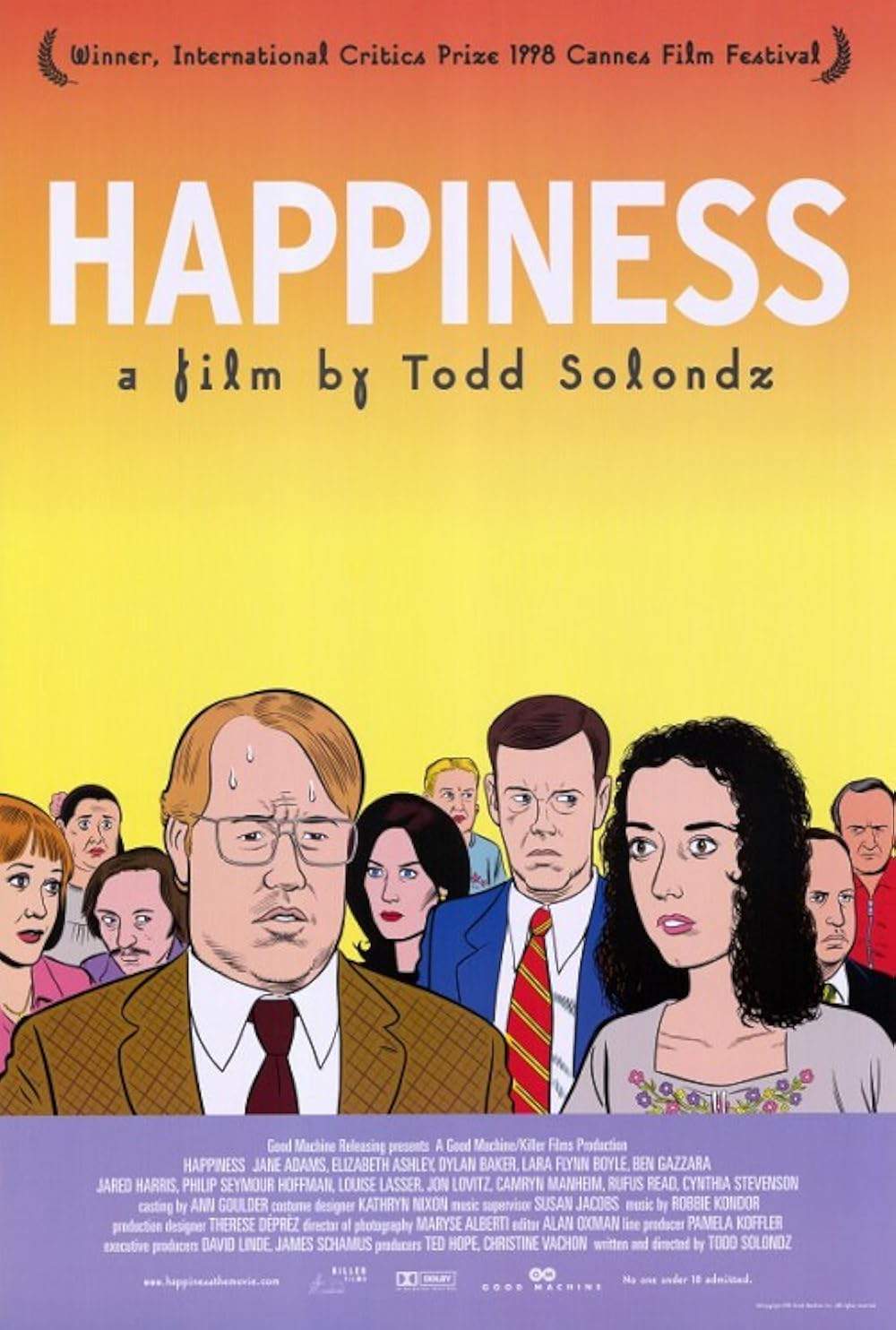
Happiness
1998

Desperate for Love
1989

Terribly Happy
2008

City Lights
2014

World’s Greatest Dad
2023

August: Osage County
2013
Narrative Summary
These narratives typically follow characters, often women or parents, navigating a deeply flawed and often abusive domestic sphere. The plot unfolds through a series of escalating crises, where attempts at survival or escape are punctuated by moments of quirky character interaction or satirical observation that provide a bitter, humorous relief from the overarching despair.
Why These Movies?
They are grouped by their unique tonal balance, using comedy not to lighten the mood but to highlight the absurdity of desperate situations. This creates a specific, bittersweet viewing experience that is emotionally heavy yet intermittently funny.
Gritty stories of urban poverty like What Have I Done to Deserve This?
Intimate portraits of characters crushed by the weight of economic despair.Fans of the raw depiction of working-class struggle in What Have I Done to Deserve This? will appreciate these movies. They share a focus on claustrophobic settings, characters pushed to their limits, and the heavy emotional toll of surviving in a system stacked against them.
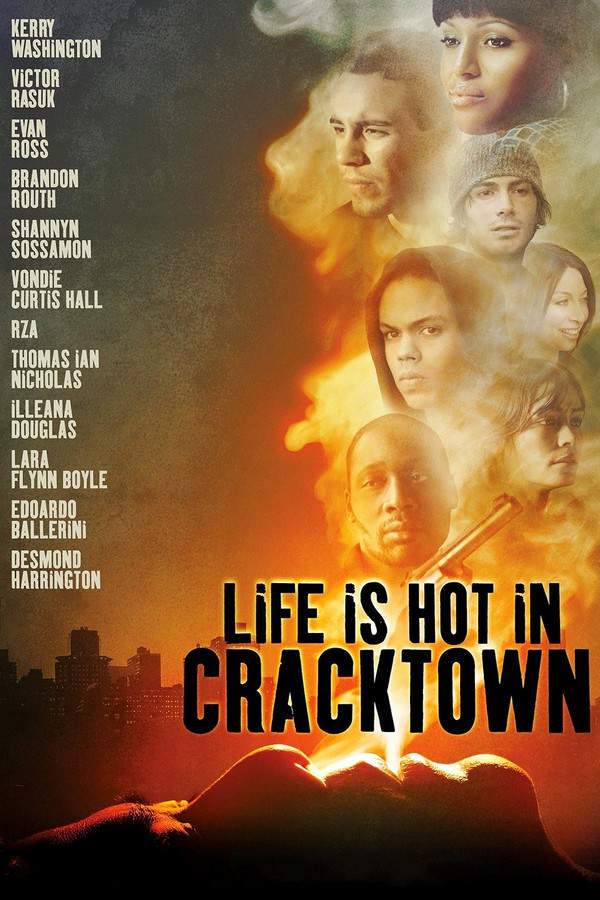
Life Is Hot in Cracktown
2009

Sun and Concrete
2023

Cut Throat City
2020

Belly
1998

The Inevitable Defeat of Mister and Pete
2013

Inside Out
1986

Snow on Tha Bluff
2012
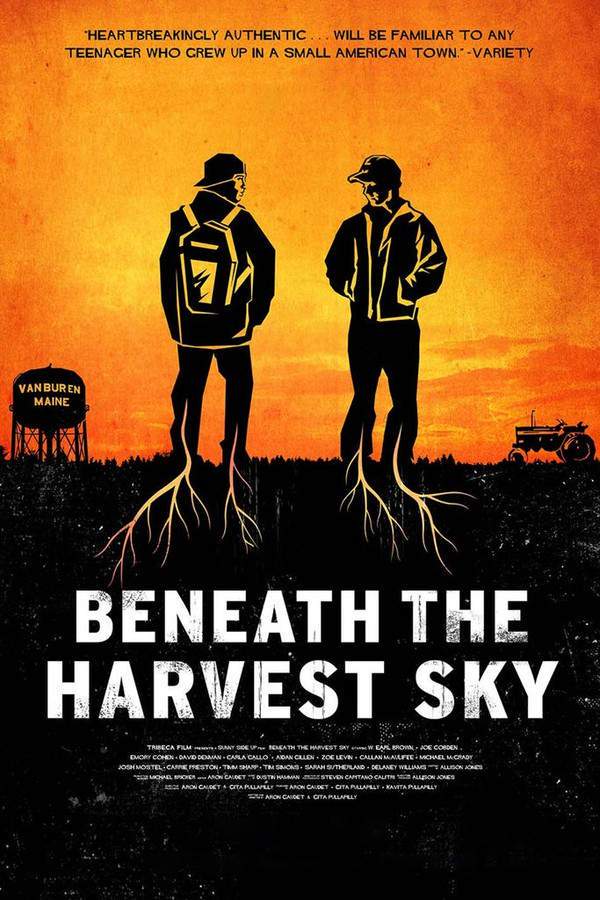
Beneath the Harvest Sky
2014

Metro Manila
2014

Clean
2022
What Have I Done to Deserve This?
1984

100 Streets
2017

Dead End
1937

Asphalt City
2024

Trapped
2016
Narrative Summary
The narrative pattern involves characters being worn down by a relentless cycle of hardship within a confined, oppressive setting like a small apartment or a poor neighborhood. The plot is driven by a series of survival-oriented crises, often involving crime or ethically dubious choices, that escalate the tension and highlight the fragility of their existence.
Why These Movies?
These films share a powerful, immersive vibe defined by a sense of place and economic hardship. They are united by their high emotional intensity, gritty realism, and focus on the psychological impact of being trapped by poverty.
Unlock the Full Story of What Have I Done to Deserve This?
Don't stop at just watching - explore What Have I Done to Deserve This? in full detail. From the complete plot summary and scene-by-scene timeline to character breakdowns, thematic analysis, and a deep dive into the ending - every page helps you truly understand what What Have I Done to Deserve This? is all about. Plus, discover what's next after the movie.
What Have I Done to Deserve This? Summary
Read a complete plot summary of What Have I Done to Deserve This?, including all key story points, character arcs, and turning points. This in-depth recap is ideal for understanding the narrative structure or reviewing what happened in the movie.

Characters, Settings & Themes in What Have I Done to Deserve This?
Discover the characters, locations, and core themes that shape What Have I Done to Deserve This?. Get insights into symbolic elements, setting significance, and deeper narrative meaning - ideal for thematic analysis and movie breakdowns.


Similar Movies to What Have I Done to Deserve This?
Discover movies like What Have I Done to Deserve This? that share similar genres, themes, and storytelling elements. Whether you’re drawn to the atmosphere, character arcs, or plot structure, these curated recommendations will help you explore more films you’ll love.

A Dirty Shame
2004

Sex, Pity and Loneliness
2017

Dirty Work
2018

Dogs Don’t Wear Pants
2019

Skipped Parts
2000

Men…
1985

Desperate Characters
1971

Who Cares: Anatomy of a Delivery Boy
1971

What?
1972

What’s It All About
1995

Nothing Funny
1995

Oh Dad, Poor Dad, Mamma’s Hung You in the Closet and I’m Feeling So Sad
1967

How to Undress in Front of Your Husband
1937

Desperate Living
1977

What Just Happened
2008
Explore More About Movie What Have I Done to Deserve This?
What Have I Done to Deserve This? (1984) Plot Summary & Movie Recap
What Have I Done to Deserve This? (1984) Scene-by-Scene Movie Timeline
What Have I Done to Deserve This? (1984) Spoiler-Free Summary & Key Flow
Movies Like What Have I Done to Deserve This? – Similar Titles You’ll Enjoy
A Dirty Shame (2004) Story Summary & Characters
Sex, Pity and Loneliness (2017) Film Overview & Timeline
Dirty Work (2018) Full Summary & Key Details
Dogs Don’t Wear Pants (2019) Movie Recap & Themes
Skipped Parts (2000) Story Summary & Characters
Men… (1985) Plot Summary & Ending Explained
Desperate Characters (1971) Detailed Story Recap
Who Cares: Anatomy of a Delivery Boy (1971) Ending Explained & Film Insights
What? (1972) Movie Recap & Themes
What’s It All About (1995) Movie Recap & Themes
Nothing Funny (1995) Plot Summary & Ending Explained
Oh Dad, Poor Dad, Mamma’s Hung You in the Closet and I’m Feeling So Sad (1967) Ending Explained & Film Insights
How to Undress in Front of Your Husband (1937) Detailed Story Recap
Desperate Living (1977) Detailed Story Recap
What Just Happened (2008) Film Overview & Timeline