Plot Explained Spoilers guaranteed!
Plot Explained

Browse by genre

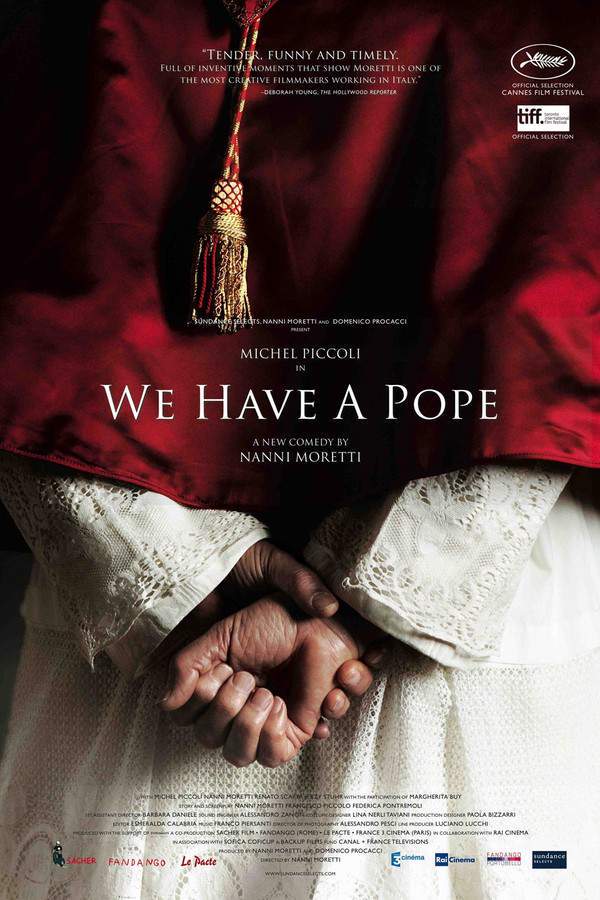
We Have a Pope (2012) movie poster

Plot Summary

We Have a Pope (2012) Plot Summary Explained

Release, runtime and language
2012 · 102 min · Italian
Loading streaming availability…
Starring
Michel Piccoli, Renato Scarpa, Nanni Moretti

After an unexpected election, Cardinal Melville finds himself named Pope, throwing the Vatican into disarray. Overwhelmed by the immense responsibility, he grapples with a profound crisis. A perceptive therapist is brought in to help him navigate this challenging situation, leading to an insightful exploration of faith, duty, and the human condition as they confront the weight of the papal office and search for inner peace.

On this page (5)
  1. 1 Where to watch
  2. 2 What happens: full plot
  3. 3 Plot questions answered
  4. 4 Movie threads
  5. 5 Every angle
Loading streaming availability…

Full plot summary · contains spoilers

What Happens in We Have a Pope: Full Plot Summary

The whole story of We Have a Pope (2012) explained, from the opening scene to the final frame: every key event, every twist and what it all adds up to. Read it as a quick recap before the sequel, to check a scene you missed, or to finally understand what really happened.

On the passing of the pope, the conclave convenes in Rome to select a successor. The initial ballots result in black smoke, indicating that no candidate has achieved the required majority. After several rounds of voting, Cardinal Melville is unexpectedly elected; he had not been seen as a leading contender. Despite his hesitation, he ultimately accepts the role and is proclaimed pope.

As the faithful gather in St. Peter's Square, anticipation builds, and the cardinal proto-deacon is ready to announce the new pope's name. However, Cardinal Melville experiences a panic attack and fails to make his appearance on the balcony.

To address the rising concerns, the spokesman of the Holy See evades journalists' inquiries about the new pope's absence, claiming that Melville requires solitude for prayer and contemplation before his official debut. Yet, hours pass, and still, there is no sign of him.

Church regulations stipulate that the election process is not complete until the new pope is publicly named; thus, the conclave remains in an impasse and no one may leave the Vatican. The College of Cardinals grows increasingly anxious about the newly elected pope's evident crisis and emotional struggles. In a bid to address the situation, they summon Professor Brezzi, portrayed by director Nanni Moretti, a psychoanalyst. Despite their skepticism about his methods, the cardinals permit him to evaluate the new pope.

During a session intended for therapy, Professor Brezzi struggles to uncover the sources of Melville's depression and feelings of inadequacy. He mentions that his ex-wife is also a psychoanalyst, leading the new pope to secretly consult her. Following this encounter, Melville seizes the opportunity to escape from his keepers during a leisurely walk.

Oblivious to the pope's absence, the cardinals attempt to pass the time, engaging in various games, including cards and an international volleyball match organized by Brezzi. The spokesperson continues to assure the public that the Pope is occupied with prayer in his private chambers. Eventually, the cardinals track down Melville and offer him another chance to publicly accept his position.

He finally steps onto the balcony but expresses, >"I am not the leader you need," and asks the gathered crowd to pray "for what he is about to do," before retreating back into St. Peter's Basilica, leaving the assembled faithful in confusion.

Last updated: November 08, 2024 at 16:18

Was this helpful?

Plot questions answered

We Have a Pope Plot Explained: Your Questions Answered

The questions people ask most about We Have a Pope (2012): what happens in the confusing scenes, why the characters do what they do, the twists, hidden details and what the ending means. Each answer contains spoilers.

Q1

Why was Cardinal Melville elected as Pope when he wasn't a leading candidate?

Cardinal Melville was a surprise choice because he emerged as a compromise candidate during deadlocked voting. The cardinals couldn't agree on any of the obvious contenders, so they turned to Melville, who hadn't been seen as a serious possibility. His election reflects the unpredictable nature of papal conclaves where lesser-known candidates can sometimes become consensus choices when more prominent figures fail to gain sufficient support.

  • cardinal melville
  • papal election
  • conclave
  • compromise candidate
  • vatican
Q2

What caused the new Pope's panic attack before his first appearance?

Cardinal Melville experienced a panic attack due to the overwhelming realization of the immense responsibility about to be placed on him. After accepting the papacy in the conclave, the reality of his situation hit him as he prepared to step onto the balcony in front of thousands of faithful in St. Peter's Square. The weight of leading the Catholic Church and the public nature of the role triggered his emotional crisis, leaving him unable to appear.

Foreshadowing: Earlier in the timeline, Melville's hesitation and feelings of being unprepared hint at his internal struggle with the role.

  • panic attack
  • pope melville
  • anxiety
  • public debut
  • st peters square
Q3

Why did the Vatican claim the Pope was praying when he was actually in crisis?

The Vatican spokesperson claimed Melville was engaged in prayer and contemplation to manage the public relations crisis caused by his sudden absence. The church couldn't admit their newly elected Pope was suffering from a psychological breakdown, as this would have caused panic and undermined the church's authority. The lie was an attempt to buy time while they figured out how to handle the situation.

  • vatican spokesperson
  • media lie
  • public relations
  • catholic church
  • absence
Q4

Why did the cardinals bring in a psychoanalyst to help the Pope?

The cardinals were desperate to resolve the impasse created by Melville's inability to perform his duties. Church regulations required the new Pope to be publicly named before the election process was complete, and no one could leave the Vatican until that happened. With no other options and Melville clearly suffering from depression and inadequacy, they reluctantly called Professor Brezzi, accepting his unconventional methods in hopes of helping the Pope overcome his crisis.

  • professor brezzi
  • psychoanalyst
  • vatican cardinals
  • mental health therapy
  • depression
Q5

Why did Melville secretly consult the therapist's ex-wife?

During his session with Professor Brezzi, Melville learned that Brezzi's ex-wife was also a psychoanalyst. This gave him an idea to seek help outside the official channels the cardinals had set up. He likely hoped that speaking with someone independent of the Vatican hierarchy, and someone Brezzi didn't know he was consulting, would allow him to open up more freely about his feelings of inadequacy.

  • ex-wife
  • therapy
  • confidentiality
  • psychologist
  • vatican intrigue
Q6

Why did the Pope escape from the Vatican during the crisis?

Melville escaped during a leisurely walk because he felt trapped by the expectations and confinement of the conclave. Being surrounded by cardinals constantly monitoring him intensified his feelings of inadequacy and suffocation. His escape represented a desperate attempt to break free from the weight of the role he had been thrust into and to find some measure of personal freedom, even if temporary.

  • escape
  • vatican confinement
  • papal duties
  • flee
  • freedom
Q7

Why couldn't the cardinals just hold a new election when the Pope refused to appear?

Church regulations stipulated that the election process is not complete until the new Pope is publicly named and accepts the role in front of the faithful. Since Melville was validly elected but hadn't completed this public acceptance, the conclave remained in legal limbo. No one could leave the Vatican until the process was properly concluded, creating the unusual situation where the cardinals were essentially trapped waiting for Melville to fulfill his role or formally refuse.

  • papal election rules
  • conclave
  • vatican law
  • cannot leave
  • church regulations
Q8

What did Melville mean when he said "I am not the leader you need"?

When Melville appeared on the balcony, he was directly addressing the faithful to confess that he felt fundamentally incapable of fulfilling the role of Pope. He recognized that the position required someone with greater confidence, spiritual conviction, and leadership ability than he possessed. His admission reflected his deep-seated feelings of inadequacy that had plagued him throughout the film.

  • melville confession
  • inadequate
  • leadership
  • papal role
  • speech balcony
Q9

What was the Pope planning to do when he asked people to pray for what he was about to do?

The film deliberately leaves this ambiguous, but Melville's request for prayers before retreating back into St. Peter's Basilica suggests he was contemplating either leaving the papacy permanently or undertaking some significant action related to his role. The uncertainty reflects the unresolved nature of the film's ending, Melville had rejected his position publicly, but his ultimate decision remains unclear, leaving both the characters and audience uncertain about the future.

  • ambiguous ending
  • resignation
  • intention
  • future action
  • prayer request
Q10

Why were the cardinals playing games and volleyball while waiting for the Pope?

The cardinals were trapped inside the Vatican with nothing to do as they waited for Melville to either appear or resolve the situation. The lengthy deadlock, combined with mounting anxiety and uncertainty, drove them to increasingly desperate attempts at distraction. The volleyball match organized by Brezzi became a symbolic release valve for their collective stress, showing how the serious crisis created absurd, almost comedic moments of downtime.

  • cardinals games
  • volleyball match
  • boredom
  • vatican deadlock
  • stress relief
Q11

Why did the new Pope feel so inadequate about becoming Pope?

Melville's feelings of inadequacy stemmed from a deep sense of unworthiness and unpreparedness for the role. He hadn't expected to be elected and didn't believe he possessed the qualities necessary to lead the Catholic Church. This psychological struggle was compounded by the immense pressure and public expectations of the papacy, creating a profound crisis of identity and purpose that no amount of external reassurance could resolve.

  • feelings of inadequacy
  • self doubt
  • papal burden
  • unpreparedness
  • identity crisis

Movie threads

More Movies Like We Have a Pope, by Mood & Story

Curated lists built around what makes We Have a Pope tick: the same mood, the same kind of story or the same emotional payoff. Each list explains why these movies belong together.

Movies about institutional pressure and personal crisis like We Have a Pope

Characters breaking under the weight of sacred, high-stakes roles. If you liked We Have a Pope's exploration of a man crushed by duty, you'll find similar stories here. These movies feature characters in positions of great power—religious, political, or corporate—who suffer a private breakdown, creating a tense, contemplative mood within a cloistered world.

  • claustrophobic
  • introspective
  • anxious
  • solemn
  • uncertain
  • psychological pressure
  • Tone: melancholic, solemn
  • Pacing: steady, methodical
Why these movies?

The story pattern: The narrative follows an individual unexpectedly thrust into a position of ultimate authority. Instead of embracing power, they are paralyzed by it, leading to an internal crisis that unfolds against the backdrop of a waiting, often bewildered, institution. The conflict is primarily internal, pitting personal doubts against public expectations.

Why they belong together: They share a specific mood of anxious introspection generated by the contrast between a solemn, powerful setting and a vulnerable human heart. The pacing is deliberate, the tone is melancholic, and the emotional core is a universal fear of inadequacy and the desire for freedom.

Movies with quiet psychological breakdowns and ambiguous endings like We Have a Pope

Stories of gentle psychological collapse that defy neat resolution. For viewers who appreciated the subtle crisis and open-ended conclusion of We Have a Pope, this collection features similar films. These stories focus on characters grappling with immense internal pressure in a realistic, understated way, leading to conclusions that are thoughtful rather than tidy.

  • contemplative
  • wistful
  • introspective
  • uncertain
  • quiet
  • melancholic
  • Tone: contemplative, wistful
  • Pacing: steady, character-driven
Why these movies?

The story pattern: The narrative arc is one of gradual internal dissolution. A character, often ordinary or placed in an extraordinary situation, confronts a fundamental aspect of their life or identity that they can no longer sustain. The plot prioritizes emotional realism over dramatic action, building to a conclusion that feels authentic and open to interpretation.

Why they belong together: They are united by a specific emotional mix: a medium emotional weight carried by a steady pace, a melancholic or contemplative tone, and an ending that lingers in ambiguity. This creates a reflective, deeply human viewing experience that avoids melodrama.

Every angle

We Have a Pope (2012) Explained: Plot, Timeline & Characters

Everything about We Have a Pope in one place: what happens in the plot summary, the timeline in chronological order, the characters and meaning and a spoiler-free summary. What's After the Movie adds the cast, box office and post-credit scenes.

Coming soon on iOS and Android

The Plot Explained Movie Summary App

Plot summaries, endings explained and timelines on your phone. Catch up on any movie in minutes, save your favorites and never miss a twist again.

Be the first to know when we launch. Your email stays private, always.

Learn more about the app