Plot Explained Spoilers guaranteed!
Plot Explained

Browse by genre

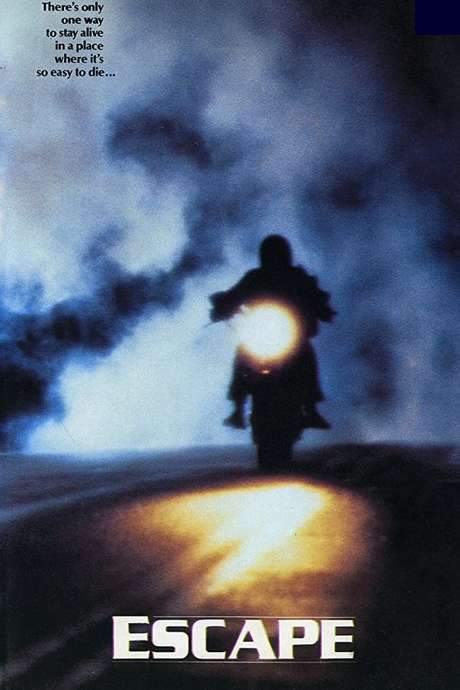
Escape! (1930) movie poster

Plot Summary

Escape! (1930) Plot Summary Explained

Release, runtime and language
1930 · 70 mins · English
Directed by
Basil Dean
Starring
Nigel Bruce, Edna Best, Felix Aylmer, Madeleine Carroll, Phyllis Konstam, Ian Hunter

Wrongly convicted of manslaughter, Matt Denant (Gerald de Maurier) seizes a chance to break out of jail on a fog‑shrouded morning. On the run, he must depend on the kindness and assistance of the surrounding community as he struggles to stay ahead of the law.

On this page (6)
  1. 1 Where to watch
  2. 2 What happens: full plot
  3. 3 Plot questions answered
  4. 4 Movie threads
  5. 5 Movies like Escape!
  6. 6 Every angle

Where to watch

Where to Watch Escape! (1930)

Where can you watch Escape!? Stream, rent or buy it in the US, including on Fawesome: current JustWatch availability with up-to-date prices.

Streaming availability powered by JustWatch

Full plot summary · contains spoilers

What Happens in Escape!: Full Plot Summary

The whole story of Escape! (1930) explained, from the opening scene to the final frame: every key event, every twist and what it all adds up to. Read it as a quick recap before the sequel, to check a scene you missed, or to finally understand what really happened.

Captain Matt Denant, Gerald du Maurier, is a former army officer who had been pursued by Germans during the war. He rides at a hunt and, though he enjoys the sport, he empathises with the fox who stands little chance against the hounds.

After a dinner in London, he decides to walk alone through a busy Hyde Park. Denant begins talking with a girl in the park, Mabel Poulton as The Girl in Hyde Park, who reveals herself to be a prostitute. Denant declines the woman’s proposition and continues on his walk. At that moment a plain-clothes officer confronts the woman and accuses her of harassing Denant. Denant protests her innocence, maintaining that she had committed no crime. He distracts the policeman, giving the woman time to escape. A scuffle ensues, and Denant punches the officer to the ground, who hits his head on a rail and dies. Denant is charged with manslaughter and sentenced to five years’ imprisonment at Dartmoor.

Two years later, Denant is part of a prison party working on the moor when heavy fog descends. Emboldened by his experiences in Germany, he resolves to escape in the mist. He passes the Warren House Inn, a remote country pub, and learns his disappearance has been reported. Narrowly evading the local constabulary, he finds himself back within a mile of the prison after two days. Exhausted, he rests in a country house bedroom, where the lady of the house, Edna Best, discovers him the next morning. Rather than report him, she gives him chocolate and a drink and allows him to shave. Showing sympathy for Denant as a gentleman, she helps him disguise himself in her husband’s fishing gear and clears a path out of the estate.

While fishing, he is approached by another gentleman, Horace Hodges as The Gentleman at Stream-side, who realises Denant’s identity and, reflecting on the case, offers him a cigar and a knowing wink. Denant later hijacks a motorcar from a picnicking party and asks two walkers for directions to Bovey. They tell a pursuing police officer that they did not suspect the man, partly because he appears to be a gentleman.

Overwhelmed by his ordeal, Denant reaches a quarry where he collapses from exhaustion. He is discovered again, but he evades the workers and makes his way into an upper-class home, where he is once more protected, this time by two girls named Dora and Grace. Dora, Madeleine Carroll, and Grace, Marie Ney, help him as best they can. Finally, he runs into the village church as the net closes in. The parson, Austin Trevor, distracts the surrounding policemen, but Denant refuses to betray his own sense of honor and surrenders. The vicar shakes Denant’s hand as he is led away, and the scene closes with a reflection on his noble, loyal act. In a final touch of earned reverence, the parson’s words linger: a noble martyrdom carried out in defense of his own integrity.

> "fine" and "loyal" fellow who had committed a noble act of martyrdom.

Last updated: October 05, 2025 at 11:28

Was this helpful?

Plot questions answered

Escape! Plot Explained: Your Questions Answered

The questions people ask most about Escape! (1930): what happens in the confusing scenes, why the characters do what they do, the twists, hidden details and what the ending means. Each answer contains spoilers.

Q1

Why was Matt Denant sentenced to prison?

Matt Denant was sentenced to five years at Dartmoor Prison for manslaughter after a confrontation in Hyde Park. When a plain-clothes officer accosted a prostitute who had approached Denant, Denant defended her innocence. During the scuffle that followed, Denant punched the officer, who fell and hit his head on a rail, dying from the injury.

Foreshadowing: The tragic outcome is foreshadowed by Denant's empathetic nature established in the opening hunt scene, where he feels kinship with the hunted fox.

  • manslaughter
  • hyde park
  • punch
  • officer death
  • prison sentence
Q2

Why did Denant help the prostitute in Hyde Park?

Denant helped the prostitute because he genuinely believed she had committed no crime when the officer accused her of harassing him. Rather than simply walk away, he chose to protest her innocence and create a distraction, giving her time to escape. His sense of justice and compassion drove him to act, even though it led to the fatal confrontation.

Foreshadowing: This moment establishes Denant's character as someone who cannot ignore injustice, foreshadowing both his imprisonment and his later surrender.

  • prostitute
  • hyde park
  • help
  • innocence
  • justice
Q3

Why did Denant attempt to escape during the fog?

Denant attempted to escape when a dense fog descended on Dartmoor moor two years into his sentence. The fog provided cover and emboldened him, recalling his experiences being pursued by Germans during the war. He used the weather as a natural camouflage to slip away from the prison undetected.

Foreshadowing: His wartime experience with pursuit gave him the knowledge and courage to exploit the foggy conditions for his escape.

  • fog
  • escape
  • dartmoor
  • prison break
  • pursuit
Q4

Why did Denant surrender at the village church?

Denant chose to surrender at the village church rather than continue running because he refused to betray his own sense of honor. When the parson distracted the surrounding policemen, Denant had the opportunity to remain hidden, but he chose to reveal himself instead of lying. He accepted the consequences of his actions with quiet resolve, prioritizing his integrity over freedom.

Foreshadowing: This final decision reflects the honorable character established throughout his journey and echoes his earlier stand in Hyde Park.

  • surrender
  • church
  • honor
  • integrity
  • vicar
Q5

Why did so many people help Denant during his escape?

Multiple people aided Denant because they viewed him as a gentleman and felt sympathy for his plight. The country house hostess gave him shelter, food, and her husband's fishing gear for a disguise. The gentleman at the stream-side offered a cigar and a knowing wink upon recognizing him. The walkers told police they did not suspect him because he appeared respectable. Dora and Grace provided refuge in their upper-class home. Even the vicar helped distract police. His gentlemanly appearance and demeanor earned him compassion from strangers.

Foreshadowing: This consistent pattern of aid demonstrates how Denant's character consistently earned him trust and mercy from strangers.

  • helpers
  • gentleman
  • disguise
  • kindness
  • aid
Q6

Why does the film open with Denant at a fox hunt?

The opening hunt scene establishes Denant's empathetic nature and moral character. Though he enjoys the sport, he feels kinship with the fox who stands little chance against the hounds. This compassion foreshadows his decision to help the prostitute in Hyde Park and later explains why so many people help him in return, he extends mercy and receives it.

Foreshadowing: The scene directly foreshadows his wrongful imprisonment and the theme of sacrifice for a greater good.

  • fox hunt
  • empathy
  • character introduction
  • sacrifice
Q7

Why does the vicar call Denant's surrender a noble martyrdom?

The vicar calls Denant's surrender a noble martyrdom because Denant chose integrity over freedom. Even when given the chance to escape by hiding in the church, Denant revealed himself rather than lie or deceive. The vicar shakes his hand and calls him a fine and loyal fellow, framing his acceptance of imprisonment as an honorable sacrifice, a personal victory of character despite the loss of physical liberty.

Foreshadowing: This ending crowns the arc of a man who consistently chose honor over self-preservation.

  • vicar
  • martyrdom
  • noble
  • honor
  • surrender tribute
Q8

Why did the hostess disguise Denant in her husband's fishing gear?

The hostess disguised Denant in her husband's fishing gear to help him escape the estate undetected. Recognizing him as a gentleman, she offered him chocolate, a drink, helped him shave, and provided clean clothes. The fishing attire allowed him to move through the area looking like a local angler rather than a fugitive, giving him a practical means of evading the police search.

Foreshadowing: This act of compassion demonstrates the recurring theme of gentlemen helping gentlemen throughout the film.

  • disguise
  • fishing
  • gear
  • hostess
  • evasion
Q9

Why did Denant hijack a motorcar during his escape?

Denant hijacked a motorcar from a picnicking party because he was exhausted and needed faster transportation to evade capture. The intense ordeal of running for days had drained him, making the car a practical solution. The walkers he asked for directions to Bovey did not suspect him because his gentlemanly appearance convinced them he was trustworthy, and they later told police they did not suspect the man.

Foreshadowing: His physical exhaustion from the chase underscores the mounting toll of his ordeal.

  • motorcar
  • hijack
  • exhaustion
  • escape
  • bovey
Q10

Why did Denant refuse to hide in the church?

Denant refused to hide in the church because he would have had to lie about his identity and betray his own honor. When the parson created a distraction by talking to the policemen, Denant could have remained hidden among the congregation. Instead, he chose to reveal himself because staying hidden would have required deception, something his character would not accept, even at the cost of his freedom.

Foreshadowing: This moment completes his character arc as a man who values integrity above personal survival.

  • honesty
  • church hiding
  • integrity
  • no lies
  • character

Movie threads

More Movies Like Escape!, by Mood & Story

Curated lists built around what makes Escape! tick: the same mood, the same kind of story or the same emotional payoff. Each list explains why these movies belong together.

Movies about noble fugitives like Escape!

Stories of principled outlaws on the run, finding humanity in unexpected places. If you enjoyed the journey of the principled fugitive in Escape!, you'll find similar stories here. These movies focus on characters on the run who maintain their honor, exploring themes of wrongful accusation, survival, and the small acts of humanity encountered along a melancholic path to a bittersweet end.

  • melancholic
  • dignified
  • sympathetic
  • urgent
  • reflective
  • lonely
  • Tone: melancholic, dignified, sympathetic
  • Pacing: steady, character-driven
Why these movies?

The story pattern: These stories typically follow a linear, chronological path as the protagonist moves from one location or encounter to the next. The plot is driven by the constant threat of capture, but the emotional core lies in the interactions with a supporting cast of everyday people. The narrative arc often builds towards a climax where the protagonist must make a significant moral choice, sacrificing personal freedom for a greater principle or to protect others.

Why they belong together: Movies are grouped here based on their shared focus on a dignified protagonist in a desperate situation, a steady pacing that allows for character reflection, and a consistently melancholic tone that finds poignancy in small human connections rather than large-scale action.

Bittersweet social dramas similar to Escape!

Character-driven stories where societal critique meets a poignant, reflective ending. Explore more movies like Escape! that blend personal struggle with social commentary. These films share a steady, melancholic pace and a bittersweet emotional payoff, focusing on characters who navigate systemic injustices with quiet dignity and resilience.

  • melancholic
  • social commentary
  • reflective
  • bittersweet
  • dignified
  • sympathetic
  • Tone: melancholic, reflective, bittersweet
  • Pacing: steady, deliberate
Why these movies?

The story pattern: Narratives in this thread are often straightforward, using a clear central conflict to explore wider societal themes. The protagonist's journey serves as a lens through which the audience examines issues like class disparity or institutional failure. The story builds emotional weight not through high-stakes action but through the accumulation of small, meaningful interactions and the protagonist's reflective response to their circumstances, culminating in an ending that acknowledges loss but also finds value in moral integrity.

Why they belong together: These movies are connected by their shared melancholic tone, steady pacing, and a focus on social themes explored through a personal, intimate lens. They deliver a medium emotional weight and consistently conclude with a bittersweet feeling that resonates after the credits roll.

If you liked this

Movies Like Escape!

Similar movies to Escape!: the same genre, themes or kind of story. Each one comes with its own plot summary, timeline and ending explained.

Browse all movie summaries

Every angle

Escape! (1930) Explained: Plot, Timeline & Characters

Everything about Escape! in one place: what happens in the plot summary, the timeline in chronological order, the characters and meaning and a spoiler-free summary. What's After the Movie adds the cast, box office and post-credit scenes.

Coming soon on iOS and Android

The Plot Explained Movie Summary App

Plot summaries, endings explained and timelines on your phone. Catch up on any movie in minutes, save your favorites and never miss a twist again.

Be the first to know when we launch. Your email stays private, always.

Learn more about the app