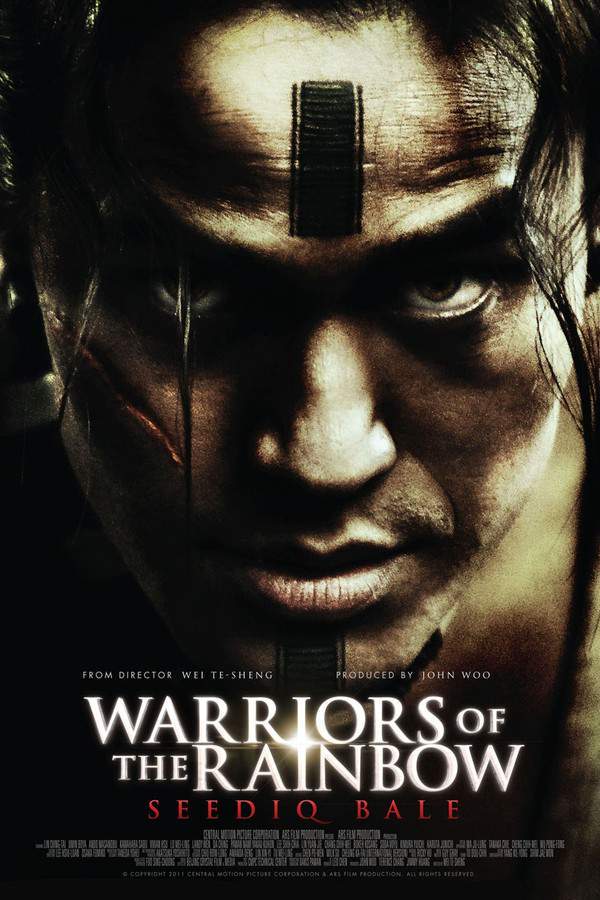
Year: 2012
Runtime: 154 min
Language: Japanese
Director: Te-Sheng Wei
Budget: $23M
During the Japanese occupation of Taiwan, the Seediq people face the crushing of their culture and identity. Driven by generations of oppression, Mona Rudao grapples with a choice between submission and preserving his people’s dignity. When a group of young warriors seek revenge against their oppressors, Mona Rudao’s leadership guides them on a perilous quest for justice. Their actions spark a brutal and bloody conflict that will determine the fate of both sides.
Find where to stream, rent, or buy Warriors of the Rainbow: Seediq Bale (2012) in the US with current JustWatch availability, up-to-date pricing, and platform listings for subscription, rental, and digital purchase options.
Warning: spoilers below!
Haven’t seen Warriors of the Rainbow: Seediq Bale yet? This summary contains major spoilers. Bookmark the page, watch the movie, and come back for the full breakdown. If you're ready, scroll on and relive the story!
Read the complete plot breakdown of Warriors of the Rainbow: Seediq Bale (2012), including all key story events, major twists, and the ending explained in detail. Discover what really happened, and what it all means.
In the scenic valleys and mist-covered mountains of Taiwan, an evocative saga of courage and defiance emerges amid the shadows of colonial subjugation. By the year 1895, with the signing of the Treaty of Shimonoseki that ceded the island to Japan, the tides of change began to challenge the native populace. Standing strong against the surge of foreign influence is Mona Rudao, a proud warrior and chief of Mehebu village, who rises as a formidable figure in the resistance against the Japanese invaders.
The narrative opens with a peaceful hunt along a river, abruptly interrupted when two Bunun men are surprised by Seediq warriors under the command of the young Mona Rudao. In a display of raw hunting skill, he swiftly takes down a large boar, asserting his dominance over the land, and laying the groundwork for the ensuing strife between the Seediq people and their Japanese adversaries.
As tensions rise, the warriors of Mehebu find themselves embroiled in conflicts with the Japanese military, which employs sly tactics to suppress the Seediq resolve. Caught in the crossfire is Temu Walis, a spirited member of the Toda tribe who meets Mona Rudao in a series of brutal confrontations. The struggle intensifies further when Mona Rudao's father, Rudao Luhe, suffers critical injuries, thrusting Mona Rudao into the heavy burden of leading his tribe in a fight for survival against the growing clutches of their colonizers.
As the season changes, the once-vibrant Seediq culture begins to crumble like the banks of their ancestral rivers. The men are forced to abandon their traditional practices, turning to logging for minimal financial gains, while the women are pushed to forsake their weaving traditions for labor in Japanese households. Children, including Pawan Nawi, attend local schools, their education invigorating but filled with a sense of loss for the heritage of their forefathers.
In a moment of darkness, the peace that Mona Rudao cherishes is disrupted by Yoshimura, a new Japanese policeman whose oppressive presence instigates disputes over hunting grounds, pitting tradition against modernity. The climax of these tensions erupts at a wedding in Mona Rudao’s village, where Yoshimura's arrogance leads to a violent clash between the cultures. With the frustrations boiling over, the young men, including Piho Sapo from Hogo village, rally around Mona Rudao, igniting the flames of war.
As the momentous day of war approaches, Mona Rudao seeks to unify his people, planning an attack on October 27th—a date shrouded in dual purpose as the local schoolyard serves both as a sports venue and a target for their uprising. While the men prepare for battle, the women, including Mahung Mona, sense the looming shadows of conflict.
Dakis Nomin, having embraced Japanese culture and now known as Hanaoka Ichiro, faces Mona Rudao at a waterfall. The conversation re-affirms Mona Rudao’s resolve to fight, leading to a spiritual moment of communion with the past as he contemplates a bloody but necessary fate. With war strategies set, Mona Rudao embarks on a daring plan to launch a surprise attack against the Japanese police on their unsuspecting day of gathering.
As they storm the police fortress on that fateful day, a cascade of violence ensues, culminating in the brutal slaughter of Japanese civilians and military personnel. Caught in the fervor, Pawan Nawi participates in the chaos, forever marking his journey from student to participant in the violence that defines their struggle. Amidst the turmoil, however, the cost of their victory becomes painfully evident as many lives are upended.
Navigating through this agony, the film transitions into its next act, bringing Dakis Nomin's final reflections into focus. The introduction of Kojima Genji, a policeman facing a severe crisis, sets the stage for a power struggle, revealing the tactics employed to ensnare Temu Walis into siding against Mona Rudao. The Japanese military launches a brutal counter-offensive, drawing on overwhelming numbers in their bid to crush the Seediq spirit.
With every act of desperation, hope dwindles further, leading to heartbreaking scenes of sacrifice as Mona Rudao and his allies find themselves pushed into a corner. The searing imagery of the women’s suicides and the men’s final stands paint a tragic picture, where honor and survival become fraught with complex emotion.
In this fervent depiction of resistance, the film elegantly interlaces the threads of courage, despair, and community, revealing the transformative nature of war and the unyielding spirit of the Seediq people as they battle for their identity and survival amidst looming extinction. As the story wanes, the legacy of Mona Rudao remains, encapsulated in a poignant journey beyond the realm of conflict, concluding with a mystical vision of rebirth and the eternal passage of their stories through generations.
Last updated: November 22, 2024 at 11:46
Explore frequently asked questions about Warriors of the Rainbow: Seediq Bale (2012) with spoiler-rich answers covering the full plot summary, major story beats, character motivations, hidden details, and ending meaning. This movie summary FAQ helps explain confusing scenes, plot twists, and narrative decisions in clear, searchable detail.
Mona Rudao is driven to lead the rebellion after years of oppressive colonial rule that destroys his people's culture and way of life. His father Rudao Luhe is critically injured in conflicts with Japanese forces, thrusting Mona into the role of tribal leader. The final catalyst comes when Japanese policeman Yoshimura's arrogance sparks violence at a wedding, uniting the young warriors around Mona Rudao. The conversation with Dakis Nomin at the waterfall reaffirms his resolve to fight even though he knows it may lead to bloodshed.
Earlier scenes show Mona demonstrating his dominance through hunting prowess, foreshadowing his role as a warrior leader.
October 27th is selected as the uprising date because the local schoolyard serves a dual purpose, it functions as both a sports venue and a strategic target for the rebellion. The Seediq plan to launch their surprise attack on the Japanese police during this gathering when their enemies are unsuspecting. This date represents a calculated attempt to maximize impact by striking when the Japanese are distracted by ordinary activities.
The planning scenes show Mona seeking to unify his people for a coordinated attack, emphasizing the importance of timing.
The women commit suicide as an act of final resistance when the Japanese military counter-offensive overwhelms the Seediq. Faced with the prospect of capture, torture, and cultural erasure, they choose death over submission, a desperate final stand to preserve their honor. This tragic sacrifice represents the devastating cost of the rebellion and the impossible choices faced by a people fighting against extinction.
The women, including Mahung Mona, sense the looming shadows of conflict as the men prepare for battle.
Dakis Nomin is a Seediq man who has embraced Japanese culture and now goes by the name Hanaoka Ichiro. His encounter with Mona Rudao at a waterfall represents the division within the Seediq people between assimilation and resistance. Despite their different paths, the conversation reaffirms Mona Rudao's determination to fight for his people's freedom. The waterfall meeting serves as a moment of spiritual communion with the past, where Mona contemplates his bloody but necessary fate.
The earlier cultural decay shows the pressure on Seediq to abandon their identity, setting up this moment of choice.
Pawan Nawi begins as a child attending Japanese-run schools, experiencing both education and a sense of loss for his heritage. During the chaos of the uprising at the police fortress, he gets swept up in the violence and transforms from observer to participant. This marks a significant personal journey for him, his transition represents how the conflict forces even the youngest members of the tribe into the brutality of war, erasing their innocence.
The school scenes establish Pawan's dual existence between Japanese education and Seediq heritage.
Yoshimura's arrival as a new Japanese policeman disrupts the fragile peace in Mona Rudao's village through his oppressive presence and disputes over hunting grounds. His abrasive behavior and disrespect for Seediq traditions create mounting tensions that culminate in violence at a wedding. His arrogance at the wedding sparks the deadly clash that serves as the rallying point for the young warriors, directly igniting the flames of war.
The peaceful hunt opening scene establishes the importance of the land and hunting to Seediq identity.
Temu Walis is a spirited member of the Toda tribe who encounters Mona Rudao in a series of brutal confrontations with Japanese forces. Caught in the crossfire between the Seediq and Japanese military, Temu becomes a focal point in the power struggle as Japanese tactics attempt to ensnare him into siding against Mona Rudao. His involvement represents the broader tribal dynamics and the complex allegiances during the conflict.
The rising tensions scene establishes Temu's engagements with Mona Rudao throughout the mounting conflicts.
The Seediq culture crumbles because the Japanese occupation forces the people to abandon their traditional practices. Men are forced into logging for minimal financial gains instead of hunting, while women are pushed into labor in Japanese households, forsaking their weaving traditions. Children attend local schools where their education undermines connection to their heritage. This systematic erasure of cultural practices represents the colonial strategy of assimilation that Mona Rudao ultimately fights against.
The opening hunt scene establishes traditional Seediq practices that later become casualties of colonization.
The attack on the police fortress results in brutal slaughter because it is a surprise assault designed to strike maximum fear into the Japanese forces. The Seediq warriors, fueled by generations of oppression and the recent violence at the wedding, unleash their fury in a coordinated attack. The brutality reflects both the desperation of a people with no conventional military power and the intense emotional release of long-suppressed anger. Many Japanese civilians and military personnel are killed in the chaos.
The wedding clash and the men's preparation scenes build toward this violent release.
Japan launches a brutal counter-offensive using overwhelming military numbers in their bid to crush the Seediq spirit. The Japanese military employs overwhelming force against the rebels, pushing Mona Rudao and his allies to their limits. This counter-attack leads to heartbreaking scenes of desperation and sacrifice, ultimately crushing the rebellion. The Seediq people face near-extinction as a result of this overwhelming response.
The aftermath of the uprising shows lives irrevocably changed, foreshadowing the full military response.
Mona Rudao's father Rudao Luhe sustains critical injuries during the conflicts with Japanese military forces. This personal crisis thrusts Mona into the heavy burden of leading his tribe against the growing threat of their colonizers. The injury to his father represents the direct impact of colonial violence on Mona's family, strengthening his resolve to fight for his people's survival and dignity.
The earlier tensions and skirmishes establish the ongoing violence that leads to his father's injury.
The Treaty of Shimonoseki, signed in 1895, cedes Taiwan to Japan and marks the beginning of colonial subjugation of the Seediq people. This historical event sets the entire story in motion, establishing the context of foreign occupation that drives the narrative. The treaty represents the moment when the Seediq's peaceful existence ended and the long struggle for identity and survival began.
The opening establishes the scenic valleys before the colonial impact, showing what was lost.
Discover curated groups of movies connected by mood, themes, and story style. Browse collections built around emotion, atmosphere, and narrative focus to easily find films that match what you feel like watching right now.
Gripping stories of marginalized peoples taking a tragic, defiant stand.If you were moved by the defiant struggle in Warriors of the Rainbow: Seediq Bale, explore other movies about desperate historical uprisings. These films feature themes of cultural survival, tragic sacrifice, and the heavy emotional weight of fighting against oppressive forces, delivering powerful and often bleak cinematic experiences.
The narrative follows a clear arc of escalating oppression eroding a community's way of life, culminating in a leader's agonizing decision to lead a violent, last-ditch rebellion. The conflict is brutal and asymmetrical, highlighting the courage and tragic fate of the rebels, often ending with their physical defeat but a lasting spiritual or symbolic victory.
These movies are grouped by their shared focus on a specific type of historical conflict: the doomed but morally necessary uprising. They create a powerful, somber mood through themes of cultural identity, immense sacrifice, and the bleak reality of confronting a technologically or numerically superior enemy.
Stories where the fight for identity ends in spiritual and physical loss.For viewers seeking stories similar to Warriors of the Rainbow: Seediq Bale, this collection highlights films centered on cultural genocide and tragic resistance. These movies explore the loss of identity, tribal honor, and the spiritual weight of a people's fight for survival, often resulting in a deeply melancholic and powerful narrative.
The narrative pattern revolves around a community whose core identity is under existential threat. The story explores the internal conflict between assimilation and resistance, often through the perspective of a traditional leader. The climax involves a symbolic or literal act of defiance that affirms their culture's values, even in the face of inevitable destruction and immense personal loss.
These films are united by their deep exploration of cultural identity as the central theme. The similarity comes from a specific emotional mix: the spiritual connection to tradition, the oppressive force threatening it, and the resulting tragedy that is both bleak and spiritually resonant.
Don't stop at just watching - explore Warriors of the Rainbow: Seediq Bale in full detail. From the complete plot summary and scene-by-scene timeline to character breakdowns, thematic analysis, and a deep dive into the ending - every page helps you truly understand what Warriors of the Rainbow: Seediq Bale is all about. Plus, discover what's next after the movie.
Track the full timeline of Warriors of the Rainbow: Seediq Bale with every major event arranged chronologically. Perfect for decoding non-linear storytelling, flashbacks, or parallel narratives with a clear scene-by-scene breakdown.
Discover the characters, locations, and core themes that shape Warriors of the Rainbow: Seediq Bale. Get insights into symbolic elements, setting significance, and deeper narrative meaning - ideal for thematic analysis and movie breakdowns.