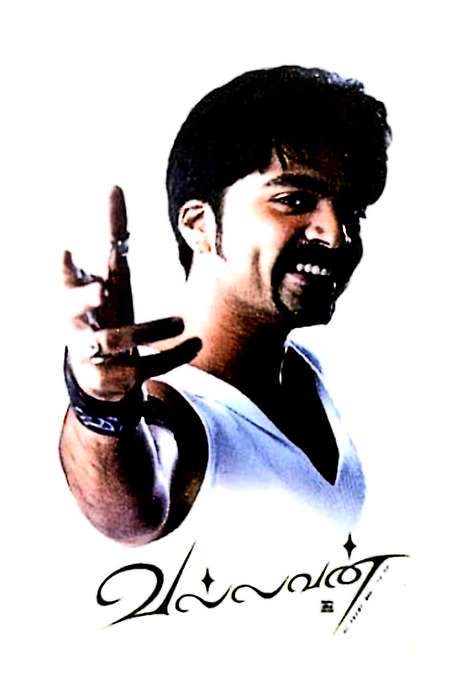
In a sun‑kissed village where traditions run as deep as the fields, Dinakaran lives under the shadow of an old grudging rivalry that has seeped into everyday life. His sister, Radha, is the bright heartbeat of their modest household, while their father, the retired teacher Narayanan Master, clings to the memory of his late wife and the quiet hope of seeing his daughter married. The close‑knit community is marked by the simple rhythms of farming, festivals, and the unspoken tension that rises whenever the name of the wealthy local landowner, Kurup, is spoken.
The film’s tone balances the warmth of familial love with a lingering sense of unease, grounding the story in both the picturesque charm of rural life and the pressing weight of legacy. Narayanan Master’s reverence for the past coexists with his children’s desire to shape their own futures, creating a delicate push‑and‑pull that colors every conversation. The villagers, bound by shared histories and whispered grievances, form a tapestry of support and subtle rivalry that amplifies the stakes for anyone daring to challenge the status quo.
Against this backdrop, Dinakaran feels the pull of responsibility: protecting his family’s dignity and ensuring that the promise of a new beginning for Radha is not snatched away by forces beyond their control. His resolve is sharpened by the ever‑present specter of Kurup, whose influence looms large over the community’s affairs. As the day of the anticipated celebration draws near, the simmering tension hints at a confrontation that could reshape the village’s fragile equilibrium.
The story invites the audience to linger on the quiet moments—shared meals, whispered prayers, the murmur of the wind through the paddy fields—while feeling the undercurrent of defiance building within Dinakaran. It is a tale of loyalty, humility, and the quiet courage required to stand up against an entrenched rival, promising a journey that is as much about inner resolve as it is about the external pressures that shape it.