
Victim
Year: 1962
Runtime: 90 min
Language: Czech
Director: Basil Dearden
In a quiet Czech town near the border, the close relationship between Irina and her son Igor is tragically disrupted when he is violently assaulted by three Roma men. Consumed by grief and struggling to understand what happened, Irina begins to question her son's version of events. As she investigates, she uncovers unsettling discrepancies that lead her down a disturbing path, threatening to unravel her world.
Warning: spoilers below!
Haven’t seen Victim yet? This summary contains major spoilers. Bookmark the page, watch the movie, and come back for the full breakdown. If you're ready, scroll on and relive the story!
Timeline – Victim (1962)
Trace every key event in Victim (1962) with our detailed, chronological timeline. Perfect for unpacking nonlinear stories, spotting hidden connections, and understanding how each scene builds toward the film’s climax. Whether you're revisiting or decoding for the first time, this timeline gives you the full picture.
Last Updated: October 09, 2025 at 15:35

Explore Movie Threads
Discover curated groups of movies connected by mood, themes, and story style. Browse collections built around emotion, atmosphere, and narrative focus to easily find films that match what you feel like watching right now.
Movies about moral courage like Victim
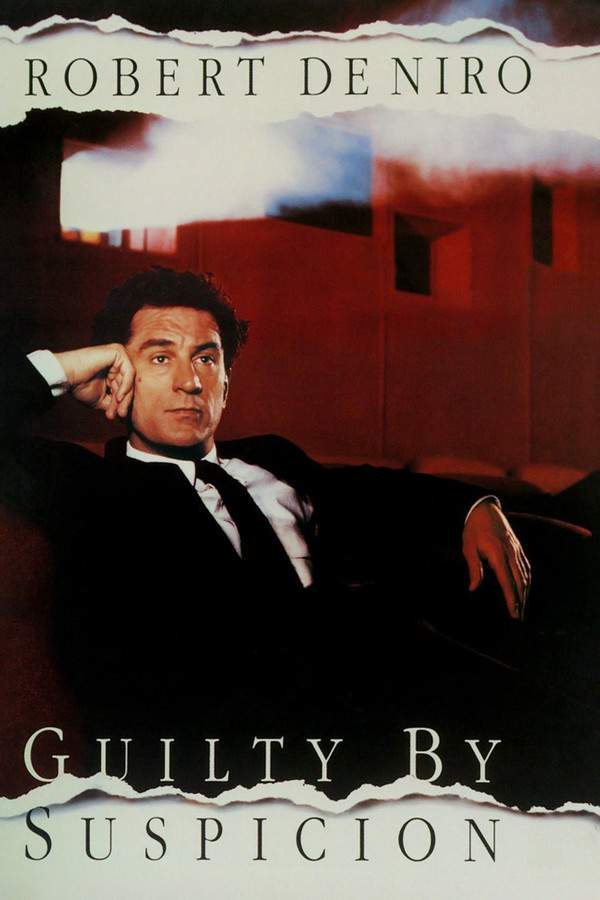
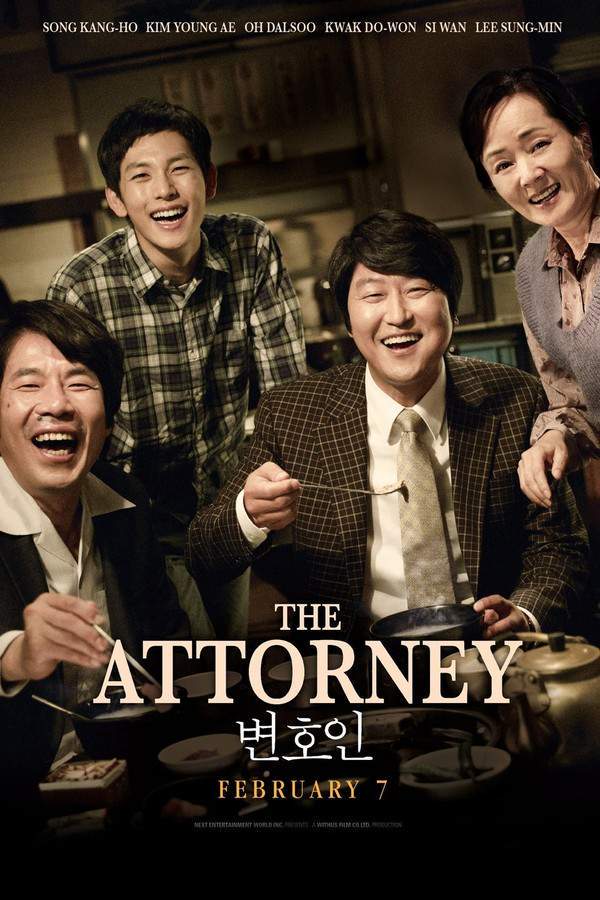
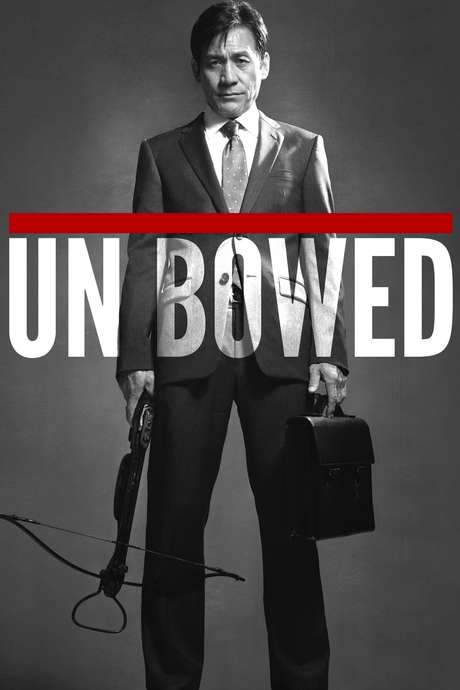
Stories of individuals risking everything to confront systemic injustice.If you were captivated by the moral dilemma in Victim, this thread gathers films about individuals confronting grave social injustice. These stories feature intense, steady-paced dramas where characters risk their reputation and safety to challenge a prejudiced system, often with a bittersweet outcome.







Narrative Summary
The narrative follows a character who becomes aware of a deep-seated injustice. Initially hesitant due to personal risk, they are propelled into action, often by a triggering event. The story unfolds as an investigation or confrontation, pitting the individual against a powerful, systemic foe, leading to a resolution that brings some justice but at significant personal loss.
Why These Movies?
Movies are grouped here based on their shared focus on a lone moral crusader, the consistently high intensity of their precarious situation, and the heavy emotional toll of their journey. They create a tense, anxious mood through themes of persecution and the high cost of principle.
Movies with unsettling investigations like Victim
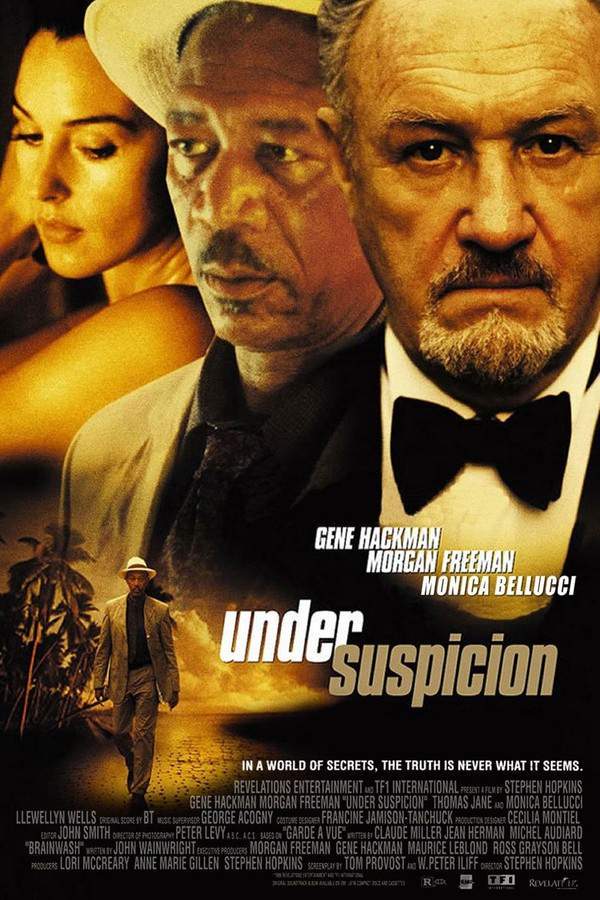
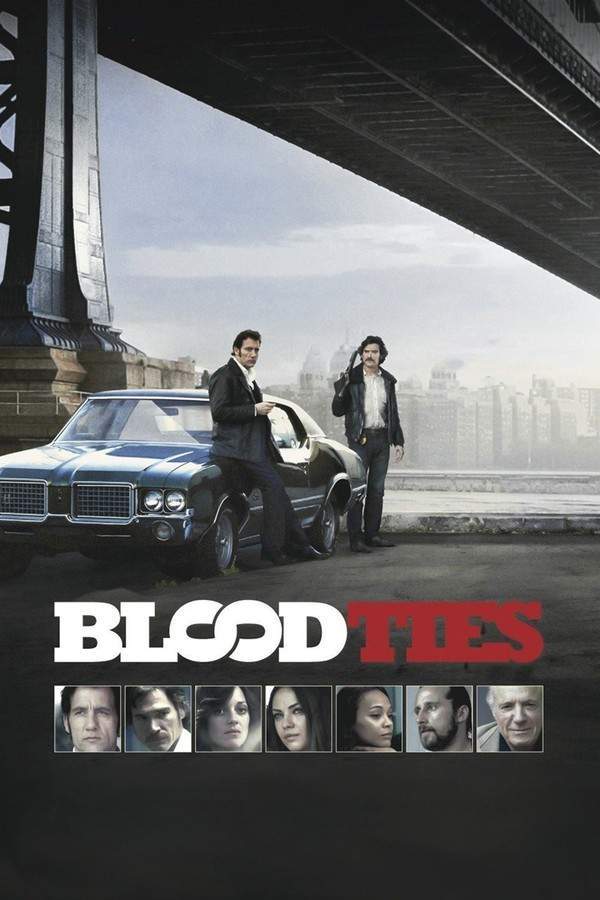
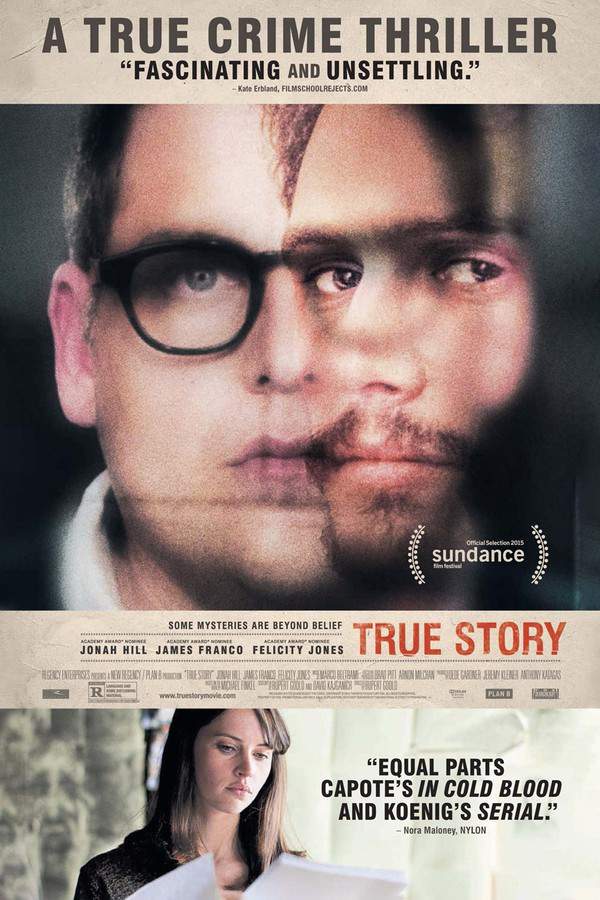
A character's quest for answers leads to disturbing personal discoveries.For viewers who appreciated the investigative and psychological layers of Victim, this collection features dramas where a personal probe into a crime or tragedy reveals unsettling discrepancies. These are steady-paced, tense films with moderate narrative complexity, focusing on the heavy emotional impact of discovering painful secrets.






Narrative Summary
The narrative begins with a traumatic incident that prompts an investigation. The protagonist, often emotionally vulnerable, doggedly pursues clues that slowly contradict the official story. This journey is less about external action and more about an internal psychological unraveling, leading to a climax where a deeply disturbing truth is accepted, forever altering the character's world.
Why These Movies?
These films share a specific narrative structure of a personal investigation, a mood of claustrophobic anxiety, and a thematic focus on the psychological torment of uncovering secrets. They are connected by their steady pacing, high emotional weight, and a focus on the dissonance between perceived and actual truth.
Unlock the Full Story of Victim
Don't stop at just watching — explore Victim in full detail. From the complete plot summary and scene-by-scene timeline to character breakdowns, thematic analysis, and a deep dive into the ending — every page helps you truly understand what Victim is all about. Plus, discover what's next after the movie.
Victim Summary
Read a complete plot summary of Victim, including all key story points, character arcs, and turning points. This in-depth recap is ideal for understanding the narrative structure or reviewing what happened in the movie.

Characters, Settings & Themes in Victim
Discover the characters, locations, and core themes that shape Victim. Get insights into symbolic elements, setting significance, and deeper narrative meaning — ideal for thematic analysis and movie breakdowns.



Similar Movies to Victim
Discover movies like Victim that share similar genres, themes, and storytelling elements. Whether you’re drawn to the atmosphere, character arcs, or plot structure, these curated recommendations will help you explore more films you’ll love.







-qUim83vQGP7CmQ.jpg)





Explore More About Movie Victim
Victim (1962) Plot Summary & Movie Recap
Victim (1962) Scene-by-Scene Movie Timeline
Victim (1962) Spoiler-Free Summary & Key Flow
Movies Like Victim – Similar Titles You’ll Enjoy
Operation Hyacinth (2021) Film Overview & Timeline
Les amants criminels (2000) Movie Recap & Themes
The Victim (2012) Spoiler-Packed Plot Recap
Hate Crime (2006) Plot Summary & Ending Explained
Blackmail Boy (2003) Spoiler-Packed Plot Recap
Biktima (1990) Film Overview & Timeline
The Innocents (1987) Story Summary & Characters
A Couple (2019) Story Summary & Characters
Victim(s) (2020) Complete Plot Breakdown
Czech Mate (1984) Complete Plot Breakdown
Czechoslovakia (2022) Complete Plot Breakdown
Victims (1982) Full Summary & Key Details
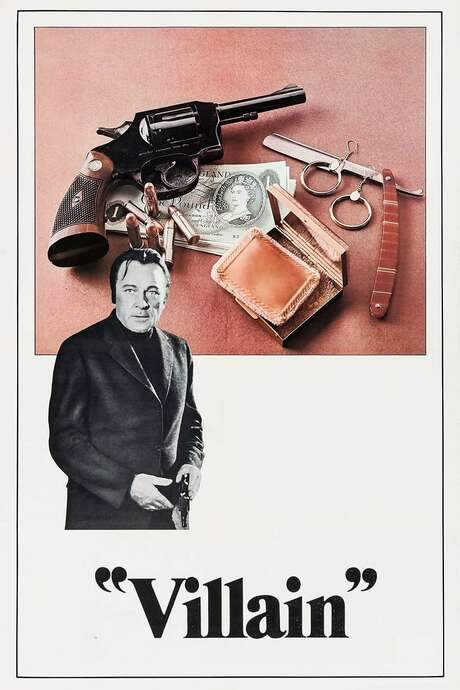
Villain (1971) Spoiler-Packed Plot Recap
491 (1964) Full Movie Breakdown
Opponent (2023) Full Summary & Key Details