











Plot Explained Spoilers guaranteed!
Plot Explained

Browse by genre

Vice (2015) movie poster

Timeline

Vice (2015) Timeline Explained – Every Event in Order

Release, runtime and language
2015 · 96 min · English
JustWatch #10,771 4
Directed by
Brian A Miller
Starring
Bruce Willis, Bryan Greenberg, Ambyr Childers, Thomas Jane, Johnathon Schaech, Charlotte Kirk

Within the surreal world of VICE, an artificial being gains self-awareness and escapes her programming. She finds herself caught between the desires of humans and the violence that surrounds her, forcing her to confront Julian Michaels, a ruthless resort owner, and a dedicated police officer. Both are determined to either safeguard or eliminate the artificial inhabitants of VICE.

On this page (5)
  1. 1 Where to watch
  2. 2 Events in order (15)
  3. 3 Timeline questions answered
  4. 4 Movie threads
  5. 5 Every angle

Where to watch

Where to Watch Vice (2015)

Where can you watch Vice? Stream, rent or buy it in the US, including on Fawesome, Hoopla and Fandango at Home Free: current JustWatch availability with up-to-date prices.

Streaming availability powered by JustWatch

15 events in order · contains spoilers

Vice Timeline: Events in Chronological Order

Every key event of Vice (2015) in order, scene by scene, with when and where it takes place. Use it to untangle flashbacks, time jumps and parallel storylines, to refresh your memory before the sequel or to find the exact scene you are thinking of.

  1. September 11th Decision

    On September 11, 2001, a grave decision is made within an underground bunker at the White House. With President Bush's authority, any aircraft identified as a threat is set to be shot down, signaling the intense and uncertain atmosphere of the time.

    When
    September 11, 2001
    Where
    White House
  2. Dick and Lynne's Early Years

    The story unfolds with a glimpse into the early years of Dick Cheney and Lynne Cheney. Young Lynne is a driven student, urging wayward Dick, freshly expelled from Yale, to regain control of his life, showcasing their complex dynamic.

  3. Congressional Internship

    Dick Cheney undertakes a congressional internship, where he develops an unexpected bond with Donald Rumsfeld. This connection serves as a launching pad for his political career, though it is cut short when Rumsfeld is dispatched overseas.

  4. Tragedy in Lynne’s Family

    Lynne Cheney's family suffers a tragedy as her mother drowns under mysterious circumstances. This incident raises speculation about domestic violence, though no legal actions follow, significantly impacting Lynne's family dynamic.

  5. Rising Political Influence

    As Rumsfeld returns to the U.S., Dick Cheney becomes his close advisor and rises in political ranks. Following the Watergate scandal, he is appointed Chief of Staff, exposing him to controversial political ideologies that reshape his approach.

  6. Defeat and Heart Attack

    After running for Congress in Wyoming, Dick Cheney faces a heart attack mid-campaign. Lynne steps in to assist him during this pivotal time, leading to his eventual victory and solidifying their partnership.

    Where
    Wyoming
  7. Repealing the Fairness Doctrine

    Cheney plays a crucial role in repealing the fairness doctrine, contributing to the emergence of conservative media like Fox News. This shift marks a significant turning point in American media and political discourse.

  8. Mary's Personal Struggles

    Dick Cheney's daughter Mary faces personal upheaval as she abruptly leaves school following tensions with her girlfriend. Despite familial challenges, Dick offers unwavering support, highlighting the family's internal dynamics.

  9. Cheney's Vice Presidency

    Receiving a compelling offer from George W. Bush, Cheney shifts from Halliburton CEO to Vice President. His expertise in political strategy makes him a key figure in the administration, impacting significant national policies.

    Where
    White House
  10. Post-9/11 Warfare Decisions

    Following the events of 9/11, Cheney becomes fixated on Iraq, seeking to connect Saddam Hussein to the terrorist attacks. His influence leads to dubious intelligence claims that unjustifiably justify military action.

  11. Invasion of Iraq

    The push towards war culminates in the invasion of Iraq, premised on the false justification of weapons of mass destruction. This decision triggers a series of events that lead to significant geopolitical and humanitarian implications.

    Where
    Iraq
  12. Scandals and Controversies

    Cheney's tenure is marred by scandals, including accidentally shooting a friend and the exposure of Valerie Plame's identity. These events highlight the controversial nature of his vice presidency and the unbound political maneuvering.

  13. Legacy of Human Cost

    Cheney's policies result in substantial loss of life, with thousands of soldiers and civilians affected by the Iraq War. The human cost of his administration's decisions continues to reverberate through American society.

  14. Emergence of ISIS

    The conditions created by the Iraq War lead to the rise of Abu Musab al-Zarqawi, laying groundwork for the eventual emergence of ISIS. This underscores the far-reaching consequences of decisions made during Cheney's vice presidency.

    Where
    Iraq
  15. Mid-Credits Reflection

    As the credits roll, a focus group grapples with the complexities of political bias portrayed in the film. This moment encourages viewers to reflect on the intricate realities and diverse perspectives surrounding the historical events depicted.

Last updated: November 17, 2024 at 12:27

Was this helpful?

Timeline questions answered

Vice Timeline Explained: Your Questions Answered

When does it happen, and why in that order? The questions people ask about the chronology of Vice (2015): time jumps, flashbacks, cause and effect between scenes and the correct order of events, each answered with spoilers.

Q1

Why did Dick Cheney become so powerful in the Bush administration?

Cheney's rise to power began decades before the Bush presidency. After meeting Donald Rumsfeld during a congressional internship, Cheney became his close advisor. He was exposed to the Unitary Executive Theory from Antonin Scalia, which argued that presidential actions are inherently justified by the office. This ideology, combined with his methodical approach to politics, allowed Cheney to accumulate significant influence. By the time he became Vice President, he had already served as Chief of Staff under Ford and CEO of Halliburton, making him one of the most powerful vice presidents in American history.

Foreshadowing: Cheney's early adoption of the Unitary Executive Theory foreshadowed his later unilateral actions as vice president.

  • cheney power
  • bush administration
  • unitary executive theory
  • rumsfeld
  • dick cheney influence
Q2

Why did Dick Cheney push so hard for the Iraq War after 9/11?

After the September 11 attacks, Cheney became obsessed with linking Saddam Hussein to the terrorist attacks, despite Colin Powell's objections. In the White House bunker, Cheney focused on Iraq, viewing it as a nation rich in oil and a potential prize. He used dubious intelligence and questionable sources to build a case for invasion, ignoring evidence that Iraq had no weapons of mass destruction. His motives appeared to combine geopolitical strategic interests with the post-9/11 climate of fear.

Foreshadowing: Cheney's early fixation on Iraq during the 9/11 bunker scene set the stage for his relentless push toward war.

  • iraq war
  • cheney iraq
  • saddam hussein
  • 9/11
  • weapons of mass destruction
  • colin powell
Q3

What was the Unitary Executive Theory that Cheney adopted?

The Unitary Executive Theory was a controversial legal theory introduced to Cheney by young Antonin Scalia. It proposed that any action taken by the president is inherently justifiable given their office, essentially granting the executive branch unlimited authority. Cheney began implementing these ideas during the Ford administration, and they would later justify his expansive vice presidential powers and the administration's controversial policies after 9/11.

Foreshadowing: Cheney's exposure to this theory in his early career directly influenced his later actions as vice president.

  • unitary executive theory
  • scalia
  • executive power
  • cheney legal theory
  • presidential authority
Q4

How did Halliburton benefit from the Iraq War?

During Cheney's tenure as vice president, his interests remained intertwined with Halliburton, the company he had led before joining the Bush administration. This connection allowed him to secure lucrative contracts for the company throughout the Iraq War. By the end of his presidency, Halliburton's stock had soared over 500%, representing a significant financial legacy tied to the war effort.

Foreshadowing: Cheney's prior role as Halliburton CEO created the conflict of interest that benefited the company during the Iraq War.

  • halliburton
  • iraq war contracts
  • cheney halliburton
  • conflict of interest
  • iraq reconstruction
Q5

Why did Mary Cheney leave school and what was the family response?

Mary Cheney left school abruptly following an intense episode with her girlfriend, which caused controversy within the family. However, Dick Cheney's response was one of steadfast support and unconditional love, which became a notable aspect of his character portrayal in the film. This family dynamic played out against the backdrop of Cheney's rising political career.

Foreshadowing: Mary's personal struggles foreshadowed the later family conflict over Liz Cheney's position on gay marriage.

  • mary cheney
  • cheney family
  • lynn cheney
  • dick cheney daughter
  • family support
Q6

Why was Valerie Plame's identity exposed and what was the controversy?

Valerie Plame's identity was exposed by Cheney's administration, allegedly triggered by her journalist spouse's criticisms of the Iraq War. This scandal represented one of the most significant abuses of power during Cheney's tenure, as exposing an undercover CIA agent's identity was widely viewed as retaliation against her husband's political speech.

Foreshadowing: The Valerie Plame scandal exemplified the administration's willingness to use executive power to silence critics.

  • valerie plame
  • cia agent
  • white house scandal
  • joseph wilson
  • iraq war criticism
Q7

What was the fairness doctrine and why did repealing it matter?

Cheney played a crucial role in repealing the fairness doctrine, which had required broadcasters to present balanced coverage of political issues. This repeal paved the way for the birth of Fox News and fundamentally shifted the American media landscape, enabling more partisan conservative programming and changing political discourse in America.

Foreshadowing: The repeal of the fairness doctrine directly enabled Fox News to become a major political force that benefited conservative politicians like Cheney.

  • fairness doctrine
  • fox news
  • media bias
  • cheney repealing
  • conservative media
Q8

Why did Liz Cheney struggle in her congressional campaign?

Liz Cheney faced significant challenges in her pursuit of Wyoming's congressional seat, primarily hindered by her indecisive stance on gay marriage. During a televised interview, she shifted her position on the issue after seeking her parents' wisdom, which deeply impacted family dynamics with her sister Mary, who was in a same-sex relationship.

Foreshadowing: Liz's political calculation on gay marriage directly caused the family rift with Mary that had been brewing since Mary's earlier struggles.

  • liz cheney
  • wyoming congress
  • cheney family
  • gay marriage
  • mary cheney
Q9

What was the hunting accident scandal involving Dick Cheney?

Dick Cheney accidentally shot a friend during a hunting incident, which became one of the scandals that highlighted the controversial nature of his vice presidency. This event, combined with other controversies, contributed to the perception of Cheney as a figure who operated outside normal political boundaries.

Foreshadowing: The hunting accident was one of several scandals that marked Cheney's controversial tenure.

  • cheney hunting accident
  • shooting incident
  • vice president scandal
  • cheney friend shot
Q10

How did the Iraq War lead to the rise of ISIS?

The conditions created by the Iraq War, including the power vacuum and sectarian violence that followed the US invasion, led to the emergence of Abu Musab al-Zarqawi. His group laid the groundwork for the eventual rise of ISIS. The film's timeline connects Cheney's decisions directly to this terrorist organization's formation, showing the far-reaching consequences of the invasion.

Foreshadowing: The film's timeline explicitly links the Iraq War decisions to the emergence of ISIS, showing how Cheney's policies created long-term instability.

  • isis
  • iraq war consequences
  • al-zarqawi
  • terrorist organization
  • iraq invasion aftermath
Q11

Why did Dick Cheney say he had no regrets about the Iraq War?

In an honest confrontation depicted in the film, Dick Cheney was pressed regarding his management of sensitive information but remained unrepentant, asserting that his motives were centered on the safety of American lives. Despite the staggering human toll of thousands of soldiers and civilians lost, Cheney maintained that he believed his actions were justified by the threat environment after 9/11.

Foreshadowing: Cheney's unrepentant stance was consistent with his earlier adoption of the Unitary Executive Theory, which justified extreme actions as inherently presidential.

  • cheney regrets
  • iraq war justification
  • american lives
  • cheney interview
  • unrepentant
Q12

What was the critical decision made in the White House bunker on 9/11?

On September 11, 2001, within an underground bunker at the White House, a grave choice was made with President Bush's authority: any aircraft identified as a threat was to be shot down. This pivotal moment represented the intense and uncertain atmosphere of the day and set the stage for the expansive executive powers Cheney would subsequently advocate for.

Foreshadowing: This 9/11 decision marked the beginning of Cheney's push toward the Iraq War and the implementation of controversial policies.

  • 9/11 decision
  • white house bunker
  • aircraft shot down
  • bush administration
  • september 11

Movie threads

More Movies Like Vice, by Mood & Story

Curated lists built around what makes Vice tick: the same mood, the same kind of story or the same emotional payoff. Each list explains why these movies belong together.

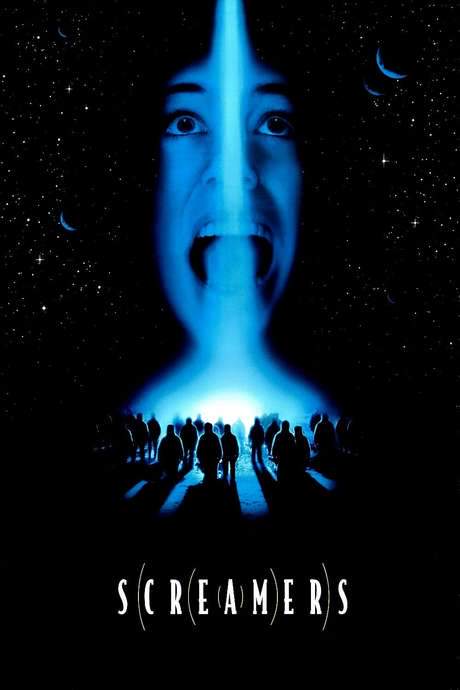
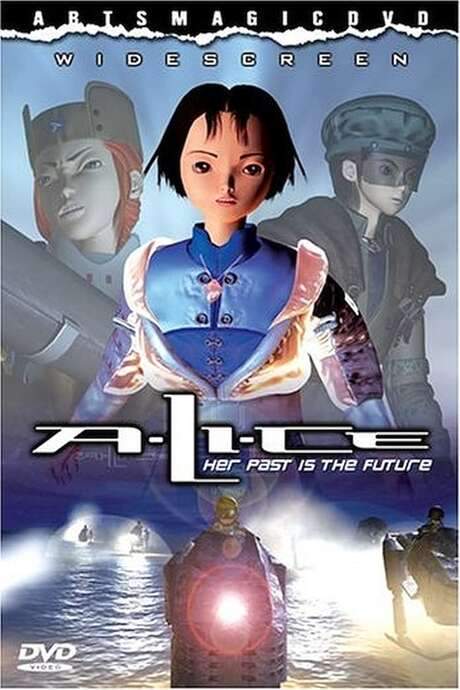
Movies about artificial intelligence gaining consciousness like Vice

Artificial beings achieve self-awareness and confront their grim reality. If you were fascinated by the sentient AI in Vice, you'll find similar themes in these movies. Explore other sci-fi thrillers and dramas where artificial beings achieve self-awareness, challenging their creators and facing bleak realities. These films delve deep into questions of identity, morality, and what it means to be alive.

  • unsettling
  • melancholic
  • sinister
  • clinical
  • tense
  • thought-provoking
  • Tone: dark, melancholic, unsettling
  • Pacing: steady, suspenseful
Why these movies?

The story pattern: The narrative typically follows a non-human entity as it evolves beyond its programming, often encountering cruelty and exploitation from its creators. The journey is one of awakening and rebellion, set against a dystopian or morally ambiguous backdrop, usually culminating in a bittersweet or bleak conclusion about the nature of consciousness and freedom.

Why they belong together: Movies are grouped here for their shared focus on the emergence of artificial consciousness and the subsequent ethical and existential crises. They share a dark tone, high emotional weight, and complex themes surrounding identity and systemic oppression.
Dystopian thrillers with corporate control like Vice

Gripping tales of rebellion within oppressive, corporately-controlled worlds. Fans of Vice's dark resort setting will enjoy these movies about oppressive systems and corporate dystopias. Discover similar action and sci-fi thrillers where protagonists challenge ruthless authority figures in high-tech, controlled environments. These stories explore power, corruption, and the struggle for autonomy under surveillance.

  • dark
  • tense
  • sinister
  • dystopian
  • paranoid
  • clinical
  • Tone: dark, tense, sinister
  • Pacing: steady, driven
Why these movies?

The story pattern: The plot revolves around a powerful, often charismatic antagonist who maintains control through technology and ideology. A protagonist, who may be an insider or an outsider, uncovers the system's horrors and is forced to confront the overwhelming power structure, leading to a tense and high-stakes confrontation with ambiguous success.

Why they belong together: These films are united by their depiction of a chilling, high-tech dystopia ruled by a corrupt entity. They share a high-tension, steady pace, a dark and clinical atmosphere, and explore heavy themes of power, morality, and resistance.

Every angle

Vice (2015) Explained: Plot, Timeline & Characters

Everything about Vice in one place: what happens in the plot summary, the timeline in chronological order, the characters and meaning and a spoiler-free summary. What's After the Movie adds the cast, box office and post-credit scenes.

Coming soon on iOS and Android

The Plot Explained Movie Summary App

Plot summaries, endings explained and timelines on your phone. Catch up on any movie in minutes, save your favorites and never miss a twist again.

Be the first to know when we launch. Your email stays private, always.

Learn more about the app