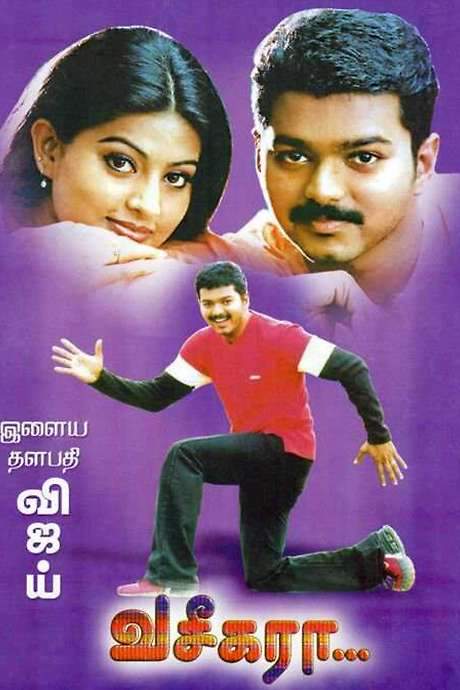
Bhoopathy is a carefree, good-hearted young man from Pollachi who, at the urging of his father Mani Gounder, Pandiarajan, moves to Chennai to live with his best friend Vishwanathan in Villivakkam. The aim is simple but important: to help Bhoopathy find a steady job and grow into a more responsible person. Priya, [Sneha], is Vishwanathan’s daughter and is already bound to an NRI groom named Prakash. From their very first clashes, filled with playful pranks and sharp barbs, a complicated pull begins to form between Bhoopathy and Priya. Both feel a growing attraction, yet Bhoopathy is acutely aware of Priya’s engagement and, more pressingly, of his father’s desire to preserve his friend’s pride. He resolves to step back, to avoid any public fallout that could tarnish Vishwanathan’s standing, and contemplates returning to Pollachi. But Vishwanathan isn’t ready to give up on him, and his intervention keeps Bhoopathy in the picture, setting the stage for an emotional tug-of-war that will test loyalties and promises.
As time passes, Priya’s feelings intensify, and the two navigate the rough terrain between duty and desire. The situation takes a new turn when Priya and Bhoopathy, along with Priya’s younger cousin Pappi, head to Ooty for the wedding of Priya’s friend Asha, whose bridesmaid’s happiness seems to illuminate the complexity of love in a world where arrangements and affections don’t always align. At Ooty, Bhoopathy attends the bachelor party of the groom, Sriman, and, under the influence, he accidentally exposes the depth of his heart for Priya. The revelation is laden with consequence, because Priya has to face the reality that marriage to Prakash isn’t as straightforward as it once seemed. The wedding acts as a turning point rather than a culmination, a moment that forces Bhoopathy and Priya to reckon with their true feelings amid expectations and social pressure.
After the wedding, the trio—Bhoopathy, Priya, and Pappi—set out on a day of light-hearted escape to Black Thunder, where a photographer named Ganesh captures a moment of intimacy: Bhoopathy and Priya are seen holding hands. The image becomes a catalyst for new tensions: Bhoopathy, haunted by his father’s injunction to protect Vishwanathan’s honor, resists Priya’s overt expressions of love and affection, even as the memory of that moment gnaws at him and the promise he feels compelled to keep.
Back in Chennai, the stakes rise dramatically. Mani arrives in the city and discovers the evolving relationship between Bhoopathy and Priya. The situation grows more delicate when Prakash’s father, Chandrasekhar, demands that Vishwanathan pay a crore rupees to seal the wedding; Vishwanathan refuses, insisting that love cannot be bought. Priya’s aunt Lakshmi, a stabilizing presence who knows both Priya’s devotion and Bhoopathy’s dilemma, steps forward to reveal the truth to Vishwanathan, removing some of the fog that has clouded the family’s decisions. The revelation compels everyone to confront the core question: should love be allowed to flourish at the risk of breaking other bonds, or should responsibility and pride prevail?
In a tense moment at the railway station, Bhoopathy tries to persuade Prakash to proceed with the marriage to Priya, while Vishwanathan arrives and begins to see the real reasons behind Bhoopathy’s reluctance—a reluctance born from a deep sense of loyalty and a fear of losing face, not from a lack of love. The film’s emotional arc moves toward a climactic choice: Vishwanathan steps in to shield Bhoopathy and Priya from a force that could wreck their future, and, in a powerful reconciliation of values, supports their union. The couple’s journey culminates in a heartfelt, quiet affirmation of love that endures beyond social pressure and familial expectations.
Across its tapestry of laughter, conflict, and heartfelt moments, the story remains anchored in the core idea that love must sometimes contend with duty, reputation, and the stubbornly stubborn ties of friendship. The characters—most notably Vijay as Bhoopathy and Sneha as Priya—navigate a world where emotions are visible, consequences are real, and the right choice is not always the easiest one. The cast’s enduring chemistry—bolstered by performances from Sriman, Gayatri Jayaraman as Asha, Meera Krishnan as Lakshmi, and others—drives a narrative that balances humor with gravity, showing how love can endure when honesty, loyalty, and respect for family come together in the right moment. In the end, the film offers a satisfying resolution: Bhoopathy and Priya’s union is celebrated not just as romance, but as a testament to the power of forgiveness, open communication, and choosing a path that honors both personal happiness and the people who matter most.