Plot Explained Spoilers guaranteed!
Plot Explained

Browse by genre

Valley of Shadows (2017) movie poster

Timeline

Valley of Shadows (2017) Timeline Explained – Every Event in Order

Release, runtime and language
2017 · 91 mins · Norwegian
Loading streaming availability…
Directed by
Jonas Matzow Gulbrandsen
Starring
Jørgen Langhelle, Jone Hope Larsen, Adam Ekeli, Lennard Salamon, Kathrine Fagerland, John Olav Nilsen

A young boy ventures into the forest in search of mysterious creatures that eat sheep, in this delightfully creepy Scandinavian Gothic fable from Jonas Matzow Gulbrandsen.

On this page (5)
  1. 1 Where to watch
  2. 2 Events in order (15)
  3. 3 Timeline questions answered
  4. 4 Movie threads
  5. 5 Every angle
Loading streaming availability…

15 events in order · contains spoilers

Valley of Shadows Timeline: Events in Chronological Order

Every key event of Valley of Shadows (2017) in order, scene by scene, with when and where it takes place. Use it to untangle flashbacks, time jumps and parallel storylines, to refresh your memory before the sequel or to find the exact scene you are thinking of.

  1. Life in the Hills

    Aslak lives with his mother, Astrid, in a hilly sheep farming country that borders a national park. Their quiet life is disrupted by the dark occurrences around them, hinting at the turmoil that lurks just beneath the surface of their pastoral existence.

    Where
    Hilly sheep farming country
  2. Discovery of the Sheep Remains

    Aslak and his older friend Lasse venture into a neglected farm building and stumble upon the gruesome remains of several sheep. Their unsettling discovery leads them to overhear Lasse’s father discussing a killer who hunts for pleasure, planting seeds of fear and curiosity in Aslak’s mind.

    Where
    Farm building
  3. Police Visit

    That evening, Astrid is visited by the police who are searching for her elder son, a destructive addict. The atmosphere in the house grows tense as the reality of violence and crime touches their lives, leaving Aslak feeling abandoned and anxious.

    Where
    Aslak's home
  4. Night Alone

    Left alone in the house for the night, Aslak seeks comfort from his beloved dog, Rapp. The haunting events of the day weigh heavily on him as fear and uncertainty envelop the atmosphere around their home.

    Where
    Aslak's home
  5. Exploration of the Brother's Room

    Curious about the mysteries surrounding his missing brother, Aslak enters his brother’s room, which has been untouched since he left. Astrid catches him and reprimands him, showcasing the strained relationship and unresolved tension within the family.

    Where
    Brother's room
  6. The Boys Discuss the Monster

    That night, Aslak and Lasse whisper about their older brothers and the possible existence of the monster in the woods. They speculate on its whereabouts, with Lasse believing it lurks nearby and Aslak's imagination races, intertwining their fear and folklore.

    Where
    Lasse's home
  7. Into the Forest

    The next morning, Lasse takes Aslak into the forest, believing that adventure awaits. However, Aslak's courage falters when he sees a long-dead sheep, and he decides to retreat, feeling overwhelmed by fear and uncertainty.

    Where
    Forest
  8. Sheep Bait

    In a moment of grim revelation, Lasse reveals bundles of poisoned meat in a barn intended as bait for the supposed killer. This act signifies the community's desperate measures to protect their sheep and illustrates the looming danger in their midst.

    Where
    Barn
  9. Collapse of Astrid

    Astrid collapses outside after receiving heartbreaking news from the police. Aslak, terrified, witnesses his mother's anguish from a hiding spot, underscoring the emotional toll of their family's spiraling issues.

    Where
    Outside Aslak's home
  10. Searching for Rapp

    When Rapp goes missing, Aslak explores a nearby derelict caravan, showing his attempts to keep hope alive. Despite Astrid's promise to help him search, she is unable to due to her own emotional distress, leaving Aslak feeling even more isolated.

    Where
    Derelict caravan
  11. Lost in the Forest

    Aslak sets off into the forest with a small backpack, determined to find Rapp. As he encounters strange sights and falls, his fear grows; the children’s safety turns into a haunting quest through dark and foreboding landscapes.

    Where
    Forest
  12. Encounters the Mythical Figure

    Exhausted and delirious, Aslak meets a mysterious figure in the woods who offers comfort and insight. This encounter blurs the lines between reality and folklore, as he questions whether this individual could be the monster he fears.

    Where
    Forest
  13. Rescue by the Red Cross

    After drifting in the boat, Aslak is finally discovered by a search party with dogs. Their intervention brings him back to safety and reunites him with his mother, providing a brief respite from the chaos that engulfed his life.

    Where
    Forest
  14. Return Home

    Arriving home, Aslak is overjoyed to find Rapp with Lasse, who had searched for him. However, the emotional scars from the recent turmoil linger, and Aslak continues to grapple with fears of the forest and the idea of the monster.

    Where
    Aslak's home
  15. Funeral and Reflection

    Aslak and Astrid prepare for the funeral of the elder son, marking a solemn moment in their family history. As they don black attire, Astrid mournfully reflects on the relationship Aslak never had with his brother, casting a shadow over their future.

    Where
    Aslak's home

Last updated: September 18, 2026 at 08:59

Was this helpful?

Timeline questions answered

Valley of Shadows Timeline Explained: Your Questions Answered

When does it happen, and why in that order? The questions people ask about the chronology of Valley of Shadows (2017): time jumps, flashbacks, cause and effect between scenes and the correct order of events, each answered with spoilers.

Q1

Why does Astrid collapse outside the house during the police visit?

Astrid collapses after the police deliver devastating news about her eldest son, who had been evicted from the family home because of his destructive drug addiction. Earlier in Valley of Shadows, officers had visited searching for him as a suspect in a string of violent crimes, and her collapse marks the moment she learns he has died. The event shatters what little stability remained in the household and pushes Aslak into a deeper emotional spiral.

Foreshadowing: The first police visit already establishes Astrid's panic over her missing son, foreshadowing that her eventual collapse will be tied to news about him.

  • astrid collapse
  • police news
  • brother death
  • family grief
  • valley of shadows
Q2

Who is the mysterious hooded figure Aslak meets in the forest?

The hooded figure is a mythic-seeming man who appears in an abandoned house along the river after Aslak drifts downstream in a rowboat. He never confirms or denies being the monster Aslak has been searching for, instead speaking in philosophical terms about fear and misunderstanding before letting the boy rest. Because he flickers in and out of view and offers comfort rather than answers, he functions less as a literal character and more as a symbolic guardian of the forest's mysteries in Valley of Shadows.

Foreshadowing: Aslak's earlier conversations with Lasse about the creature lurking in the woods prime the viewer for a face-to-face encounter near the climax.

  • hooded figure
  • forest stranger
  • abandoned house
  • mythical man
  • fear and misunderstanding
Q3

What happened to Aslak's older brother in Valley of Shadows?

Aslak's older brother was kicked out of the family home by Astrid because his drug addiction had become destructive and dangerous, making the household unsafe. After his eviction he became a suspect in a series of violent crimes in the area, and by the end of the film he is confirmed dead. The family attends his funeral in black attire, with Astrid expressing deep regret that her decision to cut him off robbed Aslak of a relationship with his sibling.

Foreshadowing: The police arrival searching for the brother early in the film foreshadows both his criminal involvement and his eventual death.

  • aslaks brother
  • missing son
  • addiction
  • eviction
  • violent crimes
Q4

Why does Aslak gather up the poisoned bait at the end of the film?

After being rescued and reunited with Rapp, Aslak watches Lasse's father repair the fence that leads into the woods, where poisoned meat had been scattered as traps for the creature killing the sheep. A new courage has replaced his earlier terror, and under cover of darkness he reclaims the bait and reopens the fence. The act signals that Aslak is no longer afraid of the monster, whether literal or symbolic, and may even be inviting a confrontation with the same darkness his brother embodied in Valley of Shadows.

Foreshadowing: Lasse's father revealing the stashes of poisoned meat in the barn earlier in the film foreshadows Aslak's later decision to recover it.

  • poisoned bait
  • fence
  • ending
  • courage
  • werewolf confrontation
Q5

What does the final scene of Valley of Shadows mean?

The film closes with Aslak sitting motionless on his dead brother's bed, still wearing the black mourning clothes from the funeral. This image is deliberately ambiguous and can be read as a child quietly grieving a sibling he barely knew, as a portrait of unresolved family trauma, or as a symbolic suggestion that Aslak is inheriting or transforming into the "monster" his brother was accused of being. The stillness, the dark clothing, and the forbidden room together leave the audience to decide whether he is mourning, becoming, or both.

Foreshadowing: Aslak's earlier reprimand for trespassing into his brother's room foreshadows this final, unbroken return to the same space.

  • final scene
  • brother bed
  • funeral clothes
  • ambiguous ending
  • valley of shadows
Q6

Why does Lasse's father plan to scatter poisoned meat in the forest?

After discovering the dismembered sheep and deciding to handle the situation privately rather than involve authorities, Lasse's father prepares bundles of poisoned meat to use as lethal traps for whatever is killing his livestock. He believes the predator is killing for sport and wants to stop it without attracting public attention, since he has already framed the killings as a dog attack. The poisoned bait represents the community's covert, desperate response to a threat they cannot identify.

Foreshadowing: The poisoned meat hidden in the barn foreshadows Aslak's later decision to reclaim it and reopen the fence.

  • poisoned meat
  • sheep killings
  • forest traps
  • lasse father
  • killer hunt
Q7

Why does Aslak steal the kerosene lighter from his brother's room?

Following his mother's collapse and being told to stay inside while she deals with the police, Aslak slips back into his brother's untouched room and takes the kerosene lighter. Stealing it is an act of quiet rebellion against Astrid and a way of reaching across to a sibling he barely remembers, treating the lighter as a keepsake of the brother he is losing. It also marks the start of Aslak's emotional unraveling, since he soon leaves the house alone with Rapp to chase his own fears in Valley of Shadows.

Foreshadowing: Aslak's earlier forbidden entry into the same room foreshadows his later, deliberate return to claim something from it.

  • kerosene lighter
  • brothers room
  • stolen
  • rebellion
  • talisman
Q8

Is the werewolf in Valley of Shadows actually real?

The film never confirms a literal werewolf exists, and the creature that "kills for fun" is best understood as a folkloric metaphor for the violence tearing the community apart. Aslak's missing brother, whose addiction and suspected crimes parallel the predator described in whispers, is the most likely real-world embodiment of that monster. Aslak's shifting belief in the werewolf tracks his growing awareness of family trauma rather than any verifiable supernatural threat.

Foreshadowing: Lasse planting the werewolf idea in Aslak's mind after they find the sheep remains foreshadows Aslak's deepening obsession with the creature.

  • werewolf real
  • literal creature
  • scandinavian folklore
  • valley of shadows monster
Q9

Why does Rapp run into the forest and disappear?

Rapp suddenly bolts into the trees chasing something Aslak cannot see, and the boy quickly loses sight of him in the dense, unfamiliar terrain. The dog's disappearance is the narrative trigger that pushes Aslak out of the house alone and into the wilderness, transforming the film from a portrait of household dread into a survival journey. Rapp's flight also mirrors Aslak's own unconscious pull toward the forest and the mysteries it contains.

Foreshadowing: Rapp being Aslak's constant companion throughout earlier tense scenes foreshadows his pivotal role in forcing Aslak into the woods.

  • rapp dog
  • forest chase
  • dog disappearance
  • search for rapp
Q10

Why did Astrid kick her eldest son out of the house?

Astrid evicted her eldest son because his drug addiction had become destructive and violent, threatening the safety of the home and of Aslak. At the police station she later expresses profound regret over the decision, admitting that cutting him off severed his last tie to family and helped push him deeper into crime. Her guilt over the eviction becomes one of the central emotional burdens of Valley of Shadows, surfacing again at the funeral.

Foreshadowing: The first police visit searching for the elder son foreshadows that his eviction set the trajectory for the violence that follows.

  • astrid eviction
  • eldest son
  • addiction
  • family breakup
  • maternal regret
Q11

What does the werewolf symbolize in Valley of Shadows?

The werewolf functions as a metaphor for unchecked addiction, violence, and the predatory inheritance passed down through a damaged family. The creature that kills the sheep "for fun" parallels Aslak's older brother, whose addiction transformed him into someone capable of harm, and it gives the community a shape for the fear they cannot name. As Aslak's belief in the werewolf strengthens, the myth becomes a way for a child to externalize grief, anger, and suspicion he is not yet able to articulate.

Foreshadowing: Lasse's father saying the killer is hunting "for fun" foreshadows the symbolic link between the creature and the violent streak within the family.

  • werewolf symbolism
  • trauma metaphor
  • addiction
  • violence
  • scandinavian gothic
Q12

Why does Aslak go into the forest alone to search for Rapp?

After Rapp vanishes into the trees and fails to return, Astrid promises to help search in the morning but is too emotionally broken to wake, leaving Aslak on his own. He packs a small backpack with a jam sandwich and sets off to recover his loyal companion, stepping into a landscape that mirrors his own internal collapse. The solo journey becomes both a rescue mission and an unconscious move toward the fears and family secrets that have been haunting him throughout Valley of Shadows.

Foreshadowing: Aslak's earlier aborted attempt to cross the fence with Lasse foreshadows this longer, more dangerous solo crossing.

  • forest journey
  • solo search
  • rapp missing
  • lost boy
  • aslak adventure
Q13

Why is Aslak's brother's room left untouched after he leaves?

Astrid keeps the room exactly as it was the day her eldest son was evicted, preserving it as a frozen record of his presence and of her own unresolved feelings about throwing him out. For Aslak, the untouched room becomes a forbidden shrine that holds the mystery of the missing brother and, by extension, the werewolf he believes his sibling might be. The room's importance peaks in the final shot, when Aslak sits motionless on the bed in his funeral clothes, finally claiming the space he was once punished for entering.

Foreshadowing: Aslak being caught and reprimanded for entering the room early in the film foreshadows his final, unchallenged return to that same bed.

  • brothers room
  • untouched
  • forbidden room
  • family secrets
  • preserved bedroom

Movie threads

More Movies Like Valley of Shadows, by Mood & Story

Curated lists built around what makes Valley of Shadows tick: the same mood, the same kind of story or the same emotional payoff. Each list explains why these movies belong together.

Nordic folk horror like Valley of Shadows

Rural isolation meets ancient mythology in slow-burning tales of pagan dread. Looking for movies like Valley of Shadows? These Nordic folk horror films share the same slow-burning dread, rural isolation, and pagan mythology. Expect dark forests, ancient folklore, oppressive atmospheres, and stories where nature holds unspeakable secrets waiting to be uncovered.

  • folk horror
  • eerie
  • oppressive
  • forest
  • pagan
  • dreamlike
  • Tone: dark, foreboding
  • Pacing: slow burn
Why these movies?

The story pattern: Stories typically open on a quiet, isolated rural community where modern life feels thin against the weight of older traditions. A character, often a stranger or outsider, drifts into the orbit of folk belief, animal deaths, or strange local rituals. Tension accumulates through landscape and silence rather than exposition, and the climax stages a confrontation with something half-mythological and half-real. Endings tend to remain ambiguous, leaving the dread unresolved and the folklore open to interpretation.

Why they belong together: They share a commitment to slow pacing, oppressive rural atmosphere, and the use of ancient folklore or myth as a living presence inside the story. Tone is consistently dark and foreboding, intensity stays high through sustained dread rather than action, and the films favor dreamlike, melancholic imagery over jump scares or conventional horror beats.
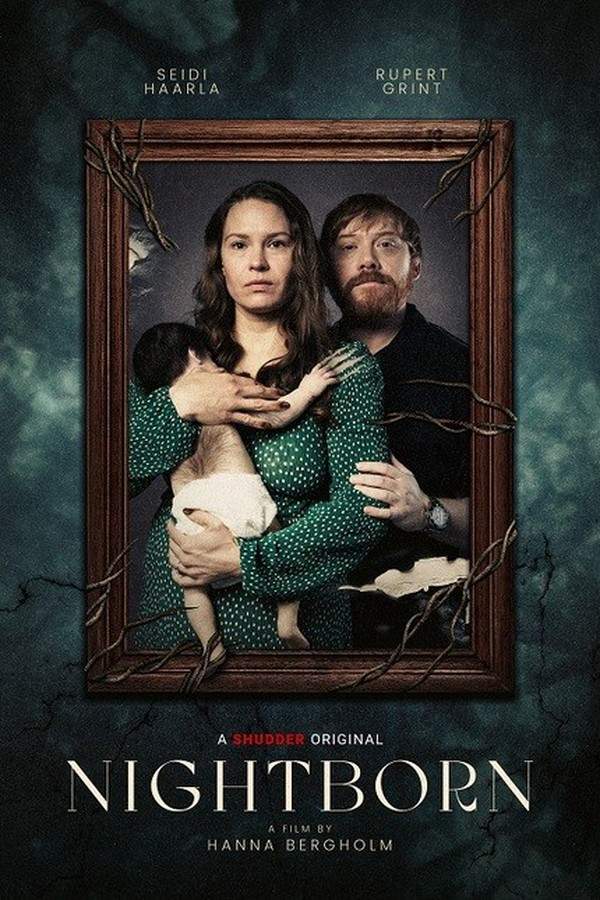
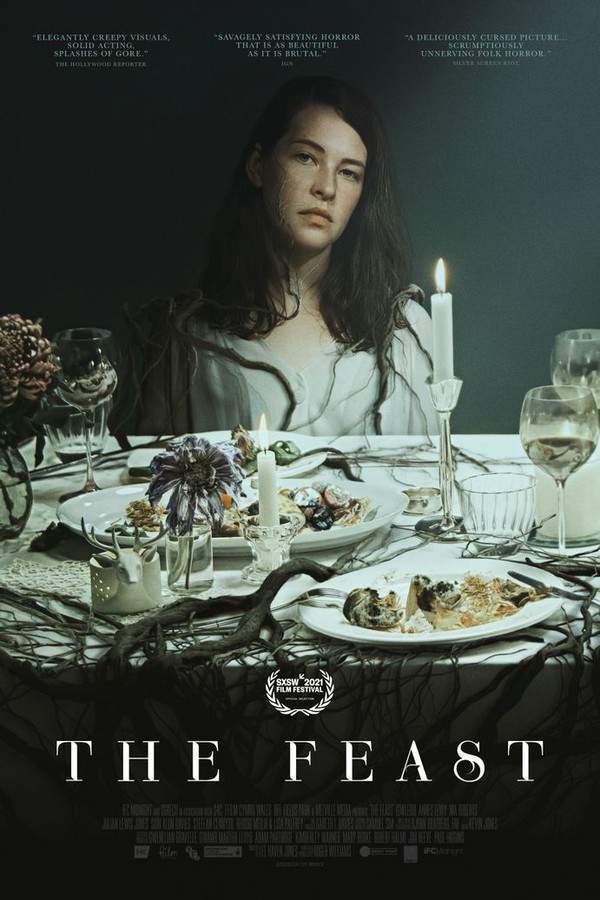
Movies about grieving children in dark folk tales like Valley of Shadows

Kids confront death and trauma through haunting folklore that blurs the real and the magical. If you liked Valley of Shadows, try these dark coming-of-age tales where children confront grief and trauma through haunting folklore. These movies blend fairy tale imagery with melancholic realism, exploring loss of innocence through mythic monsters, ambiguous endings, and heavy emotional weight.

  • childhood grief
  • melancholic
  • fairy tale
  • haunting
  • loss of innocence
  • ambiguous
  • Tone: melancholic, dark
  • Pacing: slow burn
Why these movies?

The story pattern: A young protagonist carries the weight of a recent loss or a damaged family, often without fully understanding it. The natural or rural world around them becomes charged with symbolic menace, and a folkloric figure, creature, or ritual emerges as a stand-in for the unspeakable. The child is drawn toward rather than away from the danger, as if testing the limits of the loss. The story closes on a quiet, ambiguous image that suggests transformation, haunting, or mourning without confirming which.

Why they belong together: They center a child's perspective on grief while using monsters, myths, or folkloric imagery as metaphors for family trauma and the unknown. Tone is dark and melancholic, pacing is slow and contemplative, and emotional weight runs heavy throughout. The endings refuse easy closure, trusting the viewer to sit with the discomfort and ambiguity.

Every angle

Valley of Shadows (2017) Explained: Plot, Timeline & Characters

Everything about Valley of Shadows in one place: what happens in the plot summary, the timeline in chronological order, the characters and meaning and a spoiler-free summary. What's After the Movie adds the cast, box office and post-credit scenes.

Coming soon on iOS and Android

The Plot Explained Movie Summary App

Plot summaries, endings explained and timelines on your phone. Catch up on any movie in minutes, save your favorites and never miss a twist again.

Be the first to know when we launch. Your email stays private, always.

Learn more about the app