Plot Explained Spoilers guaranteed!
Plot Explained

Browse by genre

Valley of Shadows (2017) movie poster

Characters & Themes

Valley of Shadows (2017) Characters, Setting & Themes Explained

Release, runtime and language
2017 · 91 mins · Norwegian
Loading streaming availability…
Directed by
Jonas Matzow Gulbrandsen
Starring
Jørgen Langhelle, Jone Hope Larsen, Adam Ekeli, Lennard Salamon, Kathrine Fagerland, John Olav Nilsen

A young boy ventures into the forest in search of mysterious creatures that eat sheep, in this delightfully creepy Scandinavian Gothic fable from Jonas Matzow Gulbrandsen.

On this page (8)
  1. 1 Where to watch
  2. 2 Characters explained (3)
  3. 3 Character relationship map
  4. 4 Where & when it takes place
  5. 5 Themes & meaning (2)
  6. 6 Character & meaning questions
  7. 7 Movie threads
  8. 8 Every angle
Loading streaming availability…

3 main characters · contains spoilers

Valley of Shadows Characters Explained: Who Is Who

The main characters of Valley of Shadows (2017), heroes and villains: what drives them, how they change over the course of the story and what each of them reveals about the film's bigger ideas.

  • Aslak

    played by Lennard Salamon

    Aslak is a young boy characterized by curiosity and courage, facing extraordinary circumstances far too mature for his age. His innocence is juxtaposed with the grim realities of his family and community, making his journey both heart-wrenching and poignant. Ultimately, Aslak's search for his beloved dog and his brother symbolizes his inner turmoil and desire for connection.

    • 👦 Child
    • 💔 Innocence
  • Astrid

    played by Kathrine Fagerland

    Astrid, Aslak's mother, is a complex character struggling with grief and regret. Her protective nature is challenged by the chaos that surrounds her family, reflecting the themes of loss and maternal love. As she navigates her own pain regarding her missing son and the implications of her decisions, her emotional struggle reveals deep layers of her character.

    • 👩‍👦 Motherhood
    • 💔 Grief
  • Lasse

    played by Lennard Salamon

    Lasse serves as Aslak's older friend and a catalyst for Aslak's imagination and fears. His playful yet serious attitude toward the unfolding events provides a contrast to Aslak's distress. As Lasse grapples with the idea of a werewolf, he becomes a representation of childhood innocence intertwined with dark thoughts, ultimately leading Aslak deeper into the mystery.

    • 👦 Friendship
    • 🌌 Imagination

Last updated: October 27, 2026 at 13:02

Was this helpful?

6 characters · 6 connections · contains spoilers

Valley of Shadows Character Relationship Map

Who is connected to whom in Valley of Shadows: family, love, friendships, rivalries and hidden ties, colour-coded. Pick a character to see their side of the story, or a connection to see what brings two characters together.

How much of the story to show
AAslakLennard SalamonAAstridKathrine FagerlandLLasseLennard SalamonABAslak's brotherRRappLFLasse's father

Last updated: October 27, 2026 at 13:02

Was this helpful?

Setting

Where and When Does Valley of Shadows Take Place?

The setting of Valley of Shadows (2017): the year and time period, the places and locations, and how they shape the characters, the mood and the tension of the story.

Time period

The movie takes place in a contemporary, timeless setting where rural life intersects with modern societal issues. This period allows for a focus on familial relationships and the impact of hidden violence in a seemingly tranquil community. Themes of neglect and loss unfold against the norms of contemporary family dynamics.

Location

hilly sheep farming country, forested national parkland

The story unfolds in a picturesque yet haunting hilly sheep farming country adjacent to expansive forested national parkland. This duality of landscape offers a tranquil setting marred by the sinister events that implicate nature itself. Known for its sheep farming, the area serves as a backdrop for the exploration of fear and the unknown.

  • 🌄 Landscape
  • 🐑 Farming

Last updated: October 27, 2026 at 13:02

Was this helpful?

2 major themes

Valley of Shadows Meaning: Themes & Message Explained

What is Valley of Shadows (2017) really about? The emotional, social and philosophical themes the film keeps returning to, its symbolism and the message beneath the surface.

  • Fear of the Unknown

    Central to the narrative is the theme of fear of the unknown, embodied by the mysterious werewolf. Aslak's journey is a metaphor for confronting one's fears, particularly in relation to family and loss. The forest, a symbol of both danger and refuge, mirrors Aslak's emotional state as he grapples with the potential realities of his brother's fate.

  • Family and Loss

    The emotional core of the story revolves around family dynamics, particularly the grief and confusion stemming from the loss of a loved one. Aslak's interactions with his mother and his longing for his missing brother reflect the complexities of familial love and the pain of having a family member lost to addiction. This theme is poignantly illustrated during the funeral, amplifying the loss felt by the characters.

Last updated: October 27, 2026 at 13:02

Was this helpful?

Character & theme questions

Valley of Shadows Characters & Meaning: Your Questions Answered

The questions people ask about Valley of Shadows (2017): who the characters really are, their relationships, what the symbols mean, where it takes place and what the movie is really about. Each answer contains spoilers.

Q1

Where does the story take place?

The story is set in a hilly sheep farming region adjacent to an expansive forested national park. This duality of pastoral farmland and dense wilderness creates a tranquil yet sinister backdrop, where the sheep farms and surrounding forest become central to the unfolding mystery in Valley of Shadows.

  • setting
  • location
  • sheep farm
  • forest
  • scandinavian
  • rural
Q2

When is the movie set?

Valley of Shadows takes place in a contemporary, timeless rural setting. While not anchored to a specific year, the story reflects modern family dynamics and societal issues, grounding its Gothic folklore in present-day Scandinavian village life.

  • time period
  • era
  • contemporary
  • rural
  • timeless
  • modern
Q3

What kind of movie is this?

Valley of Shadows is a Scandinavian Gothic coming-of-age fable that blends mystery, drama, and horror. It uses werewolf mythology as a metaphor for trauma, addiction, and buried family secrets, sustaining an atmospheric and folkloric tone throughout rather than relying on conventional scares.

  • scandinavian gothic
  • fable
  • horror
  • drama
  • genre
  • werewolf
Q4

Who is Aslak?

Aslak is a young boy whose curiosity and courage drive the story. Facing circumstances far beyond his years, he ventures into the forest searching for both his missing dog and his older brother, making his journey a symbol of his inner turmoil and longing for connection.

  • aslak
  • protagonist
  • young boy
  • main character
  • child
Q5

Who is Astrid?

Astrid is Aslak's mother, a complex character weighed down by grief and regret. Her protective instincts are challenged by the chaos around her, and her struggle to come to terms with her missing son reveals deep layers of maternal love and unresolved loss.

  • astrid
  • mother
  • grief
  • family
  • maternal
  • regret
Q6

Who is Lasse?

Lasse is Aslak's older friend and a catalyst for the boy's imagination and fears. His playful yet serious attitude toward the unfolding mystery contrasts with Aslak's distress, embodying the tension between childhood innocence and darker, unsettling thoughts.

  • lasse
  • friend
  • childhood
  • innocence
  • imagination
Q7

What does the werewolf symbolize?

The werewolf functions as a metaphor for fear of the unknown and the darker truths lurking beneath the surface of a quiet community. It embodies trauma, addiction, and the family's buried secrets, channeling Aslak's dread of forces he cannot yet name or understand.

  • werewolf
  • symbolism
  • metaphor
  • trauma
  • addiction
  • fear
Q8

What are the main themes?

The central themes are fear of the unknown and family and loss. Aslak's journey into the forest mirrors his emotional confrontation with grief, while the family's struggles with addiction and buried pain shape the haunting atmosphere of Valley of Shadows.

  • themes
  • fear
  • family
  • loss
  • grief
  • addiction
Q9

What does the forest represent?

The forest serves as both a symbol of danger and a place of refuge for Aslak. It mirrors his emotional state, reflecting his fears of the unknown while also offering a space where he can seek answers about his missing brother and confront his inner turmoil.

  • forest
  • symbolism
  • danger
  • refuge
  • isolation
  • nature
Q10

What is the overall tone of the film?

The tone is dark and atmospheric, with sustained dread balanced by a folkloric quality. Long forest sequences emphasize isolation and quiet tension, while Gothic visuals and an ambiguous ending maintain a haunting, poetic register throughout Valley of Shadows.

  • tone
  • atmosphere
  • dark
  • gothic
  • folkloric
  • dread
Q11

Is this a horror movie?

Valley of Shadows has horror elements but is best described as a Gothic fable. It blends mystery, drama, and supernatural dread, using werewolf mythology and unsettling imagery to explore psychological and emotional themes rather than relying on conventional scares or jump shocks.

  • horror
  • gothic
  • fable
  • genre
  • supernatural
  • mystery
Q12

How does family loss shape the story?

Family loss is the emotional core of Valley of Shadows. Aslak's search for his missing brother, Astrid's grief over her son, and the lingering shadow of addiction all drive the narrative, turning the mystery of the sheep killings into a deeper meditation on grief, regret, and the fragile bonds that hold families together.

  • family
  • loss
  • grief
  • brother
  • addiction
  • maternal

Movie threads

More Movies Like Valley of Shadows, by Mood & Story

Curated lists built around what makes Valley of Shadows tick: the same mood, the same kind of story or the same emotional payoff. Each list explains why these movies belong together.

Nordic folk horror like Valley of Shadows

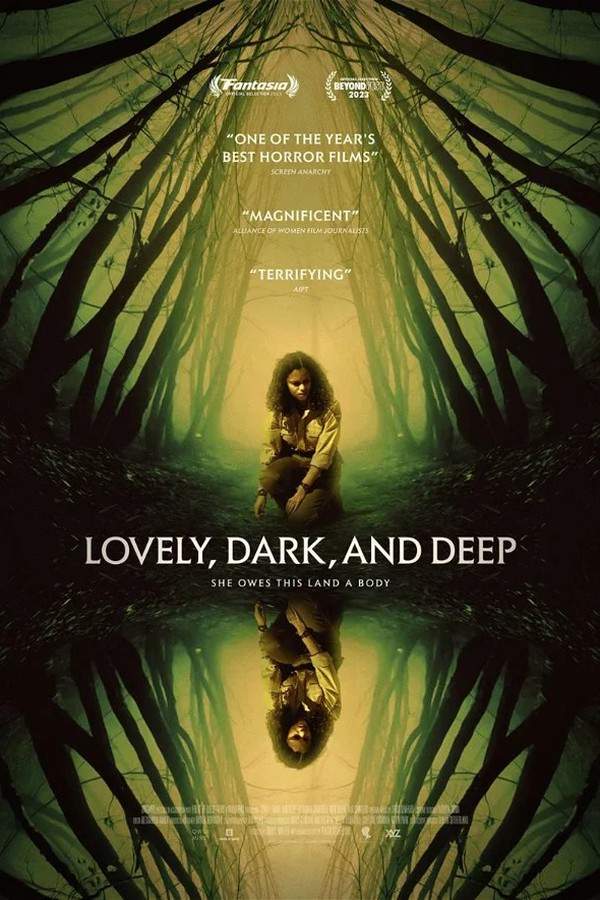
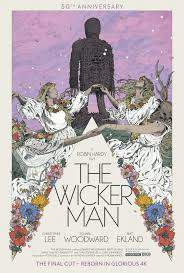
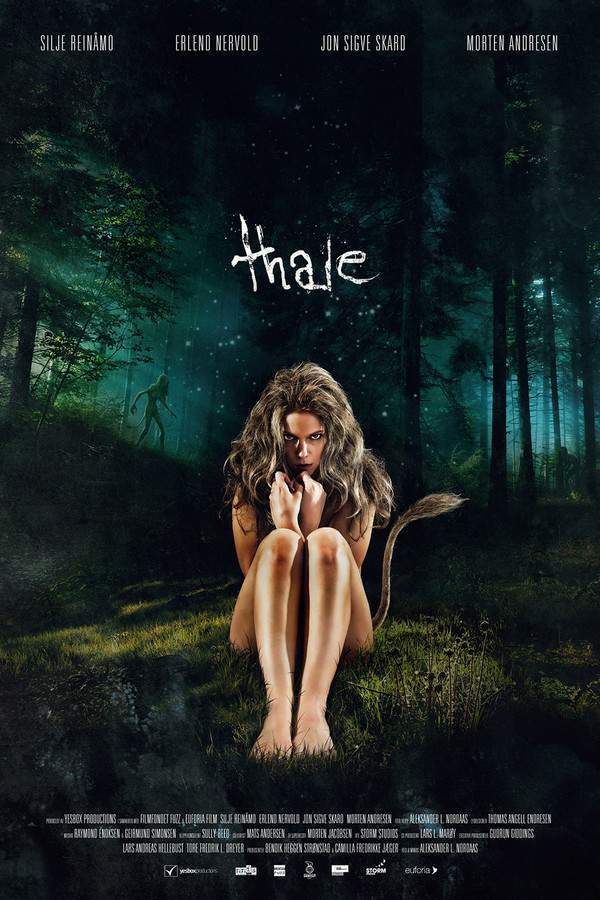
Rural isolation meets ancient mythology in slow-burning tales of pagan dread. Looking for movies like Valley of Shadows? These Nordic folk horror films share the same slow-burning dread, rural isolation, and pagan mythology. Expect dark forests, ancient folklore, oppressive atmospheres, and stories where nature holds unspeakable secrets waiting to be uncovered.

  • folk horror
  • eerie
  • oppressive
  • forest
  • pagan
  • dreamlike
  • Tone: dark, foreboding
  • Pacing: slow burn
Why these movies?

The story pattern: Stories typically open on a quiet, isolated rural community where modern life feels thin against the weight of older traditions. A character, often a stranger or outsider, drifts into the orbit of folk belief, animal deaths, or strange local rituals. Tension accumulates through landscape and silence rather than exposition, and the climax stages a confrontation with something half-mythological and half-real. Endings tend to remain ambiguous, leaving the dread unresolved and the folklore open to interpretation.

Why they belong together: They share a commitment to slow pacing, oppressive rural atmosphere, and the use of ancient folklore or myth as a living presence inside the story. Tone is consistently dark and foreboding, intensity stays high through sustained dread rather than action, and the films favor dreamlike, melancholic imagery over jump scares or conventional horror beats.
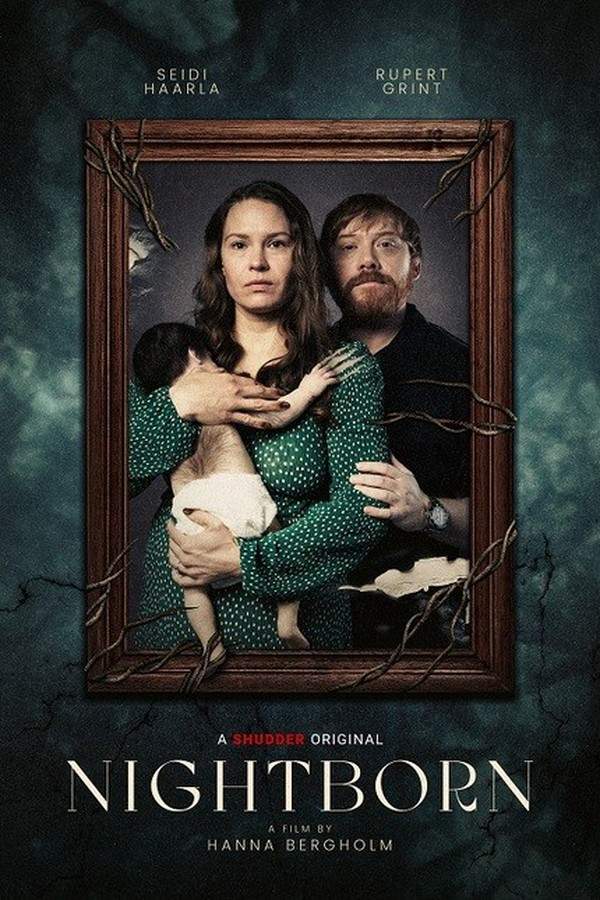
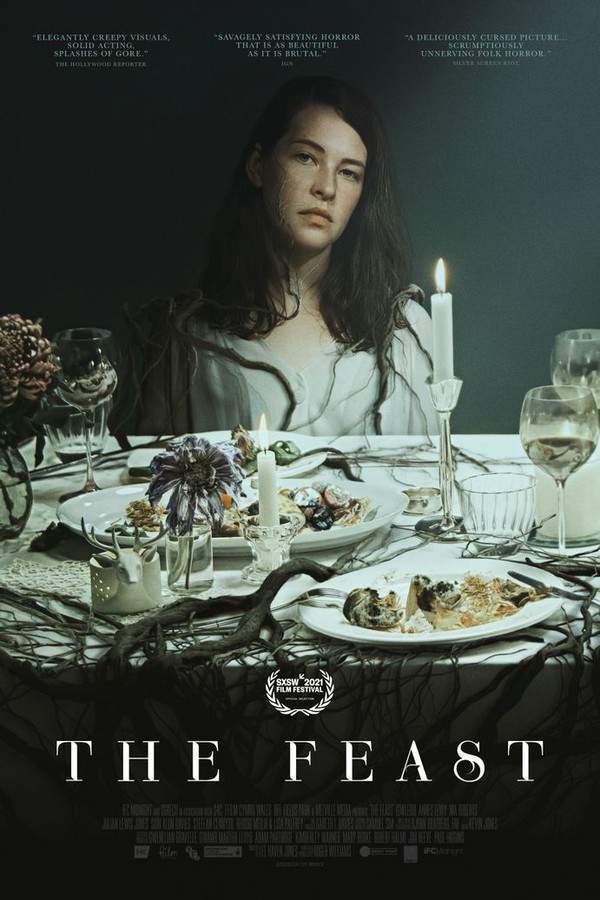
Movies about grieving children in dark folk tales like Valley of Shadows

Kids confront death and trauma through haunting folklore that blurs the real and the magical. If you liked Valley of Shadows, try these dark coming-of-age tales where children confront grief and trauma through haunting folklore. These movies blend fairy tale imagery with melancholic realism, exploring loss of innocence through mythic monsters, ambiguous endings, and heavy emotional weight.

  • childhood grief
  • melancholic
  • fairy tale
  • haunting
  • loss of innocence
  • ambiguous
  • Tone: melancholic, dark
  • Pacing: slow burn
Why these movies?

The story pattern: A young protagonist carries the weight of a recent loss or a damaged family, often without fully understanding it. The natural or rural world around them becomes charged with symbolic menace, and a folkloric figure, creature, or ritual emerges as a stand-in for the unspeakable. The child is drawn toward rather than away from the danger, as if testing the limits of the loss. The story closes on a quiet, ambiguous image that suggests transformation, haunting, or mourning without confirming which.

Why they belong together: They center a child's perspective on grief while using monsters, myths, or folkloric imagery as metaphors for family trauma and the unknown. Tone is dark and melancholic, pacing is slow and contemplative, and emotional weight runs heavy throughout. The endings refuse easy closure, trusting the viewer to sit with the discomfort and ambiguity.

Every angle

Valley of Shadows (2017) Explained: Plot, Timeline & Characters

Everything about Valley of Shadows in one place: what happens in the plot summary, the timeline in chronological order, the characters and meaning and a spoiler-free summary. What's After the Movie adds the cast, box office and post-credit scenes.

Coming soon on iOS and Android

The Plot Explained Movie Summary App

Plot summaries, endings explained and timelines on your phone. Catch up on any movie in minutes, save your favorites and never miss a twist again.

Be the first to know when we launch. Your email stays private, always.

Learn more about the app