









Plot Explained Spoilers guaranteed!
Plot Explained

Browse by genre

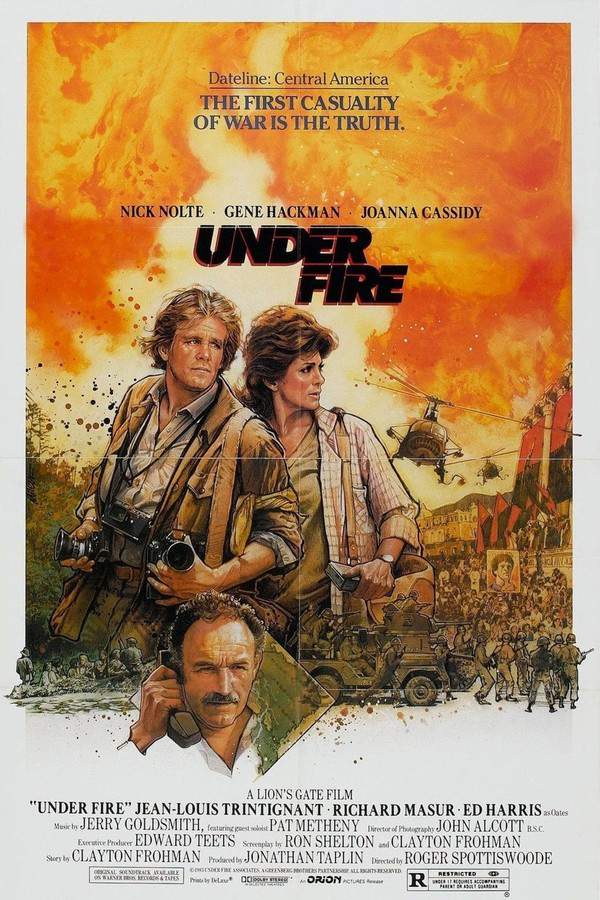
Under Fire (1983) movie poster

Timeline

Under Fire (1983) Timeline Explained – Every Event in Order

Release, runtime and language
1983 · 128 min · English
JustWatch #5,629 9
Directed by
Roger Spottiswoode
Starring
Gene Hackman, Ed Harris, Nick Nolte, Alma Martinez, Ella Laboriel, Holly Palance

During the final days of Nicaragua's revolution, two American journalists become entangled in the escalating conflict between the Sandinista rebels and the U.S.-backed Somoza regime. When a fellow journalist is brutally murdered, the survivors grapple with the ethical implications of their profession. They must confront their own objectivity and decide whether to remain detached observers or actively intervene in the dangerous and volatile situation, potentially risking their lives in the process.

On this page (6)
  1. 1 Where to watch
  2. 2 Events in order (12)
  3. 3 Timeline questions answered
  4. 4 Movie threads
  5. 5 Movies like Under Fire
  6. 6 Every angle

Where to watch

Where to Watch Under Fire (1983)

Where can you watch Under Fire? Stream, rent or buy it in the US, including on fuboTV, MGM Plus and Philo: current JustWatch availability with up-to-date prices.

Streaming availability powered by JustWatch

12 events in order · contains spoilers

Under Fire Timeline: Events in Chronological Order

Every key event of Under Fire (1983) in order, scene by scene, with when and where it takes place. Use it to untangle flashbacks, time jumps and parallel storylines, to refresh your memory before the sequel or to find the exact scene you are thinking of.

  1. Chad frontline, party and affair revealed

    Russell Price covers the Chad conflict and runs into Oates, a mercenary he knows. Back at his hotel, he attends Alex Grazier's Bon Voyage party and learns that Alex is leaving conflict reporting. He is also entangled in an affair with Claire Stryder, which strains both personal and professional loyalties. Alex's article paired with Russell's photographs is pitched for a Time magazine cover.

    Where
    Chad
  2. Nicaragua assignment begins; Jazy connection; Rafael clue

    Journalists move to Nicaragua to cover the Somoza government and rebel fighting. They meet Marcel Jazy, a French spy tied to Somoza, who hints that Rafael—an elusive rebel leader who has never been photographed—may be found in León. The press corps believes the fighting is shifting toward Masaya, creating uncertainty about where Rafael appears.

    Where
    Nicaragua
  3. Russell's arrest

    Russell is arrested for no legitimate reason and spends a night in jail, a stark reminder of the risks journalists face. The experience deepens the strain between him and Claire as they navigate the dangers of reporting from a war zone.

    Where
    Nicaragua
  4. León rooftop battle; Pedro's gift

    In León, an intense rooftop battle pits rebels against government troops. Russell meets the rebel Pedro, who gives him a baseball to deliver to Dennis Martinez, creating a symbolic link between the war and a personal touch. The scene captures the chaos and immediacy of frontline reporting.

    Where
    León, Nicaragua
  5. Oates switches sides; Pedro shot

    Oates rejoins the fight on the government's side and shoots Pedro in the back. Russell chooses not to reveal Oates's location to avoid taking a side in the conflict. The moment underscores the moral ambiguity heavy on reporters in a civil war.

    Where
    León, Nicaragua
  6. Press conference; Rafael killed; living photo plan

    At a press conference, President Somoza proclaims that Rafael has been killed. Rebels then take the journalists to a remote stronghold and reveal Rafael is indeed dead, asking Russell to fake a living photo of their leader to sustain the movement. Claire and Russell grapple with the ethics of deception in wartime reporting.

    Where
    Nicaragua (press conference and rebel stronghold)
  7. Claire and Russell align with rebels; Alex arrives; affair revealed

    Claire and Russell decide to help the rebels by staging the 'living Rafael' photograph. Alex Grazier arrives in Nicaragua and learns of Russell's affair but chooses to stay and plans a fluffy piece on Jazy rather than exposing them. The personal and professional loyalties collide as war coverage becomes more dangerous.

    Where
    Nicaragua
  8. Return trip and mass execution; Oates appears

    The trio's efforts bring them into an even more dangerous situation as fighting escalates. They are detained again and encounter Oates, now with government troops conducting a mass execution. Russell begins to see how espionage, not journalism, shapes what the world sees.

    Where
    Nicaragua
  9. Jazy killed; Russell learns he was used

    Russell learns that Jazy has been using him to photograph rebel leaders, who are promptly targeted for assassination. The revelation exposes the manipulation behind some press work and warns of the danger of relying on intermediaries.

    Where
    Nicaragua
  10. Alex killed; Russell escapes; Claire recovers negatives

    During a chaotic street scene, Alex is killed by paranoid government troops while seeking help, and Russell escapes with the aid of a local woman. Claire recovers the negatives and heads back to the hotel to reunite with Russell. The personal losses drive home the human cost of the conflict.

    Where
    Nicaragua (street)
  11. Somoza’s cover-up and Jazy's death

    To control the fallout, Somoza proclaims that rebels killed Alex, and troops continue hunting Russell to destroy the photographs. Rebels also kill Jazy, removing another layer of espionage from the war's machinery. The regime's narrative begins to fracture as events spiral.

    Where
    Nicaragua
  12. Global broadcast, regime falls, reunion

    Claire delivers the negatives to the hotel, and Russell's photographs are broadcast worldwide, forcing Somoza to flee to Miami. With the rebels victorious, the couple reunites and decides to leave the country together. The final line hints at a perilous, but chosen, path of love amid chaos.

    Where
    Global (worldwide broadcast)

Last updated: November 22, 2025 at 15:57

Was this helpful?

Timeline questions answered

Under Fire Timeline Explained: Your Questions Answered

When does it happen, and why in that order? The questions people ask about the chronology of Under Fire (1983): time jumps, flashbacks, cause and effect between scenes and the correct order of events, each answered with spoilers.

Q1

Why does Russell refuse to reveal Oates's location after Pedro is shot?

Russell chooses not to expose Oates because doing so would mean taking sides in the conflict. As a photojournalist, he maintains that his role is to document events, not influence them. Revealing Oates's location would have made him an active participant in the war rather than an observer, which conflicts with his professional ethics. This decision haunts him throughout the film as he grapples with the moral cost of neutrality.

Foreshadowing: Earlier in Chad, Russell had already encountered Oates and knew him as a mercenary, establishing the complex personal history behind this choice.

  • russell price
  • oates
  • pedro
  • moral dilemma
  • journalistic neutrality
Q2

Why do Claire and Russell agree to stage a fake photograph of Rafael?

They agree because the rebels believe a living image of Rafael could sustain their movement's legitimacy and buy precious time. With Rafael dead, the rebels feared losing their symbolic leader and the political momentum he represented. Claire and Russell decide the moment's historical significance outweighs the ethical compromise, believing their work could influence the outcome of the revolution.

Foreshadowing: The press conference earlier established Rafael as a mythical figure never photographed, making his survival symbolically crucial to the rebel cause.

  • rafael
  • staged photo
  • rebel movement
  • deception
  • journalistic ethics
Q3

Why doesn't Alex expose the staged photo and the affair after learning about them?

Alex chooses not to expose the deception because doing so would destroy the story, the rebels, and potentially his own career prospects. Rather than expose the breach of journalistic ethics, he opts to write a softer piece about Marcel Jazy, preserving the narrative while avoiding scandal. This decision also reflects his continued feelings for Claire and his complicated relationship with Russell.

Foreshadowing: Alex's arrival in Nicaragua was motivated by ambition for a major story, making him reluctant to kill the very scoop he came for.

  • alex grazier
  • affair
  • journalistic ethics
  • cover up
  • ambition
Q4

How does Russell discover that Jazy has been using him to target rebel leaders?

Russell learns the devastating truth when he discovers that Jazy, the French spy, has been feeding him information about rebel locations knowing the photographs would identify targets for assassination. The rebels kill Jazy in retaliation, revealing the deadly game of espionage that had been playing out under the guise of journalistic assistance.

Foreshadowing: Jazy's unusual access to Somoza's inner circle and his willingness to help foreign journalists should have raised questions about his true motives.

  • marcel jazy
  • rebel leaders
  • assassination
  • espionage
  • manipulation
Q5

What leads to Alex's death in Nicaragua?

Alex is killed by paranoid government troops during a chaotic street scene while seeking help. The soldiers, already on edge from losing ground to the rebels, view any foreigner as a potential threat. Russell narrowly escapes the same encounter with help from a local woman who hides him. Alex's death underscores the random violence that characterizes the regime's final days.

Foreshadowing: The escalating intensity of fighting and the regime's desperation had been building throughout the film, making the streets increasingly lethal.

  • alex grazier
  • death
  • government troops
  • escape
  • chaos
Q6

Why does Somoza claim rebels killed Alex instead of his own troops?

Somoza denies responsibility to control the narrative and avoid international backlash. By blaming the rebels, he attempts to portray them as violent aggressors while deflecting attention from his regime's atrocities. The regime also intensifies its hunt for Russell to destroy the photographs that could expose the truth.

Foreshadowing: Somoza's press conference earlier established his pattern of controlling information and manipulating public perception.

  • somoza
  • cover-up
  • propaganda
  • alex death
  • regime
Q7

How do Russell's photographs ultimately affect the outcome of the conflict?

Russell’s photographs are broadcast worldwide, exposing Somoza's brutal tactics to the international community. The visual evidence of the regime's atrocities proves decisive in turning global opinion against Somoza, forcing him to flee to Miami. With the dictator gone, the rebels gain the upper hand and eventually victory.

Foreshadowing: The entire narrative builds toward this moment, as the characters risk everything to get the photographs out.

  • photographs
  • worldwide broadcast
  • somoza
  • rebel victory
  • impact
Q8

Why does Oates switch from working with rebels to fighting for the government?

Oates is a mercenary whose loyalty is transactional, he fights for whoever pays him. His initial presence with the rebels in Chad and later appearance with government forces demonstrates his opportunism. In a war zone where allegiances shift based on money and survival, Oates represents the mercenary ethic divorced from political ideology.

Foreshadowing: Russell first meets Oates in Chad, where his mercenary reputation is already established.

  • oates
  • mercenary
  • government
  • rebel
  • loyalty
Q9

What happens to Marcel Jazy and why?

Jazy is killed by the rebels after Russell discovers he has been using the journalists to identify rebel leaders for assassination. His death serves as retribution for manipulating the press to further Somoza's regime. Jazy's elimination removes another piece in the complex chess game between the government, rebels, and foreign powers.

Foreshadowing: Jazy's deep ties to Somoza and his seemingly helpful demeanor masked his true role as an intelligence operative.

  • marcel jazy
  • death
  • rebels
  • assassination
  • spying
Q10

What does Russell mean when he says he'd do it again at the end?

Russell’s response "I'd do it again" acknowledges the moral compromises they made, participating in deception, observing atrocities without intervention, but affirms their commitment to journalism's greater purpose. It reflects the film's central tension between detached reporting and active participation. Despite the personal cost and ethical breaches, he believes the truth they exposed justified their choices.

Foreshadowing: The entire film builds toward this moment, testing the characters' convictions about the role of journalists in wartime.

  • final scene
  • russell
  • love
  • moral compromise
  • journalism
Q11

What is the significance of the baseball Pedro gives Russell to deliver?

Pedro gives Russell a baseball to deliver to Dennis Martinez, a small human detail that underscores the everyday lives interrupted by war. This token represents normalcy and personal connections hidden within the larger conflict, showing that rebels are not just soldiers but people with relationships and interests beyond fighting.

Foreshadowing: The gift occurs during the rooftop battle in León, where Russell gains direct access to rebel fighters.

  • pedro
  • baseball
  • dennis martinez
  • human element
  • rebel life
Q12

Why is Russell arrested in Nicaragua?

Russell is arrested without cause as a demonstration of the regime's arbitrary power and hostility toward foreign journalists. Spending a night in jail heightens the pervasive sense of danger and illustrates the risks reporters face simply by being present. This experience deepens the strain between Russell and Claire as they navigate escalating threats.

Foreshadowing: The arrest foreshadows the increasingly violent confrontations that will occur as the conflict intensifies.

  • russell
  • arrest
  • detention
  • regime
  • 危险

Movie threads

More Movies Like Under Fire, by Mood & Story

Curated lists built around what makes Under Fire tick: the same mood, the same kind of story or the same emotional payoff. Each list explains why these movies belong together.

Movies about journalists in moral dilemmas like Under Fire

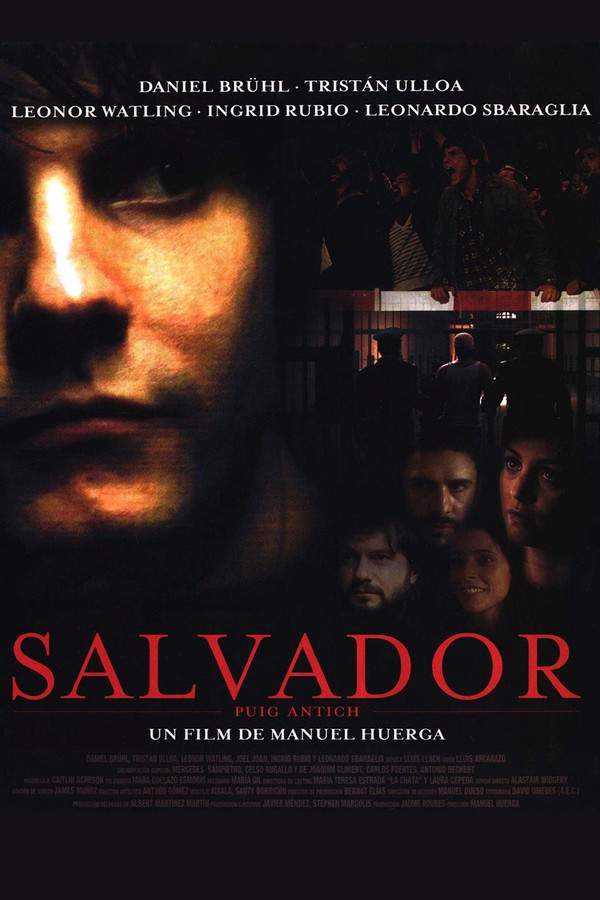
Stories of reporters facing impossible choices between truth and survival. A collection of films similar to Under Fire, featuring journalists entangled in volatile political conflicts. These movies, like 'Salvador' and 'The Killing Fields,' share a tense atmosphere and grapple with the weighty ethical questions of war reporting. If you liked the moral complexity of Under Fire, you'll find more gripping stories here.

  • tense
  • gripping
  • morally ambiguous
  • somber
  • unsettling
  • anxious
  • Tone: tense, morally ambiguous
  • Pacing: steady, suspenseful
Why these movies?

The story pattern: These narratives typically follow a journalist or documentarian into a dangerous situation where the initial goal of passive observation becomes untenable. The central conflict arises from the tension between professional detachment and the human impulse to intervene, often culminating in a personal crisis that redefines the character's understanding of truth, duty, and complicity.

Why they belong together: Movies are grouped here for their shared focus on the war correspondent's psyche, the intense pressure of working in a moral gray area, and the heavy emotional consequences of decisions made under fire. They provide a consistent, anxious, and thought-provoking viewing experience centered on journalistic integrity.
Bittersweet political thrillers similar to Under Fire

High-stakes conflicts where victory is achieved but leaves deep moral scars. Explore movies like Under Fire that deliver tense, high-stakes narratives within political conflicts. These films, such as 'Syriana' or 'The Constant Gardener,' often conclude with a bittersweet victory, emphasizing the heavy emotional and moral toll of the struggle. If you enjoyed the complex, weighty feel of Under Fire, this thread is for you.

  • tense
  • somber
  • gripping
  • politically charged
  • unsettling
  • atmospheric
  • Tone: tense, bittersweet, somber
  • Pacing: steady, deliberate
Why these movies?

The story pattern: The narrative pattern involves characters becoming embroiled in a large-scale political or ideological struggle. They navigate a web of danger and betrayal, and while they may contribute to a larger victory or expose a truth, their personal journey ends with a sense of loss, compromised ideals, or trauma, leaving the audience with a resonant, somber feeling.

Why they belong together: These films are united by their high-tension atmospheres, complex political settings, and emotionally heavy conclusions that are more bitter than sweet. They share a specific vibe: the satisfaction of a resolved plot intertwined with the melancholy of personal sacrifice, creating a powerful and memorable viewing experience.

If you liked this

Movies Like Under Fire

Similar movies to Under Fire: the same genre, themes or kind of story. Each one comes with its own plot summary, timeline and ending explained.

Browse all movie summaries

Every angle

Under Fire (1983) Explained: Plot, Timeline & Characters

Everything about Under Fire in one place: what happens in the plot summary, the timeline in chronological order, the characters and meaning and a spoiler-free summary. What's After the Movie adds the cast, box office and post-credit scenes.

Coming soon on iOS and Android

The Plot Explained Movie Summary App

Plot summaries, endings explained and timelines on your phone. Catch up on any movie in minutes, save your favorites and never miss a twist again.

Be the first to know when we launch. Your email stays private, always.

Learn more about the app