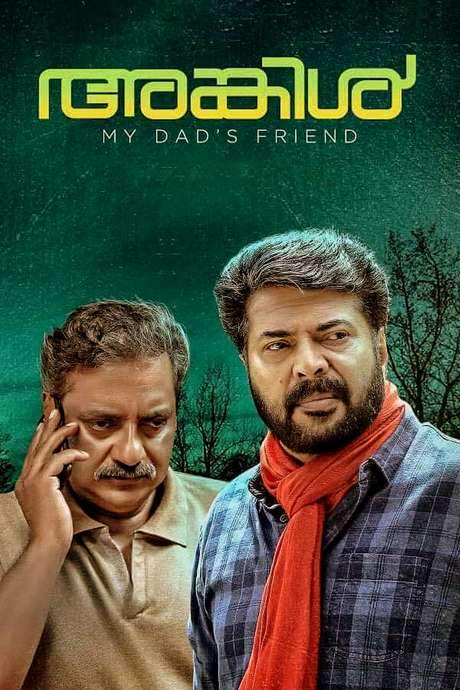
Shruthi, a student at an Ooty college, is forced to return to her home in Kozhikode because dangerous strikes have made the route unsafe. On the road home, she unexpectedly meets Krishnakumar, the family friend her father trusted, whom Shruthi affectionately calls "Uncle," and who offers her a ride back. With limited safe options, she reluctantly accepts the lift.
During the six-hour drive, they share music, stories, and a view of the landscape, gradually relaxing into each other’s company. Yet KK makes suspicious calls and talks to dubious people throughout the trip, hinting that Shruthi’s safety might be at risk. Back home, her father Vijayan worries that he doesn’t know KK as well as he thought, while her mother Lakshmi convinces him that Shruthi is alright because they both call home regularly and sound happy.
The fear deepens when KK and Shruthi stay overnight at a Tamilian host’s house, where KK is given a bottle of alcohol and Shruthi’s phone is taken away. Yet the host family turns out to be kind and supportive, returning the phone fully charged, and KK reassures Shruthi that the Tamilians are leaders of the village, easing her worries for the moment.
Meanwhile, Shruthi’s father dispatches her friend Sam to tail KK’s car. Shruthi discovers this and invites Sam to ride along. The tension peaks when KK leaves Sam behind after filling up his car. Shruthi starts calling home more frequently, seeking reassurance.
After crossing the Kerala–Tamil Nadu border, KK pulls out a pouch that looks like crack cocaine from his pocket—a fragment he found in Sam’s bag—and shows it to Shruthi, which only raises her alarm about the danger of the situation. KK then offers some of the alcohol he had obtained from the Tamilians for Shruthi to taste, but she soon learns that what she’s given is actually rare honey her mother had requested KK to bring. This moment shifts her sense of trust, and she realizes she can, in some sense, entrust her life to this uncle.
To celebrate their bond, KK takes Shruthi to a special lake, with her parents’ permission. The two are seen by villagers taking selfies, who report them to the police under a false pretense that they were in a compromising situation. Shruthi’s parents rush to the station to explain that Shruthi was in the hands of a trusted caregiver, and the officer and villagers are persuaded by the family’s testimony. The positive outcome strengthens the parents’ faith in KK, even if the finale appears lighthearted.
The film closes with a thoughtful note: the seemingly ordinary trust between an anxious parent and a wandering caretaker can illuminate a broader, often troubling reality in India today, and the story invites reflection on the complexities of guardianship, community, and safety.