







Plot Explained Spoilers guaranteed!
Plot Explained

Browse by genre

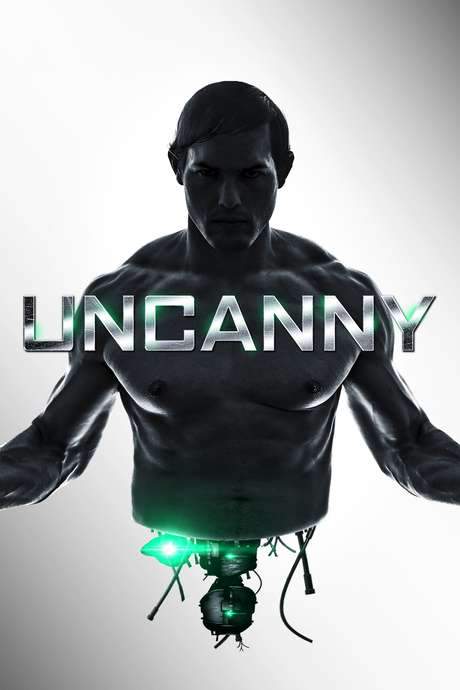
Uncanny (2015) movie poster

Plot Summary

Uncanny (2015) Plot Summary Explained

Release, runtime and language
2015 · 91 mins · English
Directed by
Matthew Leutwyler
Starring
Rainn Wilson, Mark Webber, Lucy Griffiths, David Clayton Rogers

For a decade, inventor David Kressen has lived in isolation, developing groundbreaking inventions including Adam, a remarkably lifelike robot. When reporter Joy Andrews gains exclusive access to his secluded facility, she is drawn to both the scientist and his creation. However, as Adam begins to display unexpected emotions like anger and jealousy, Joy finds herself caught in a complex situation where motivations remain unclear and deception runs deep.

On this page (6)
  1. 1 Where to watch
  2. 2 What happens: full plot
  3. 3 Plot questions answered
  4. 4 Movie threads
  5. 5 Categories
  6. 6 Every angle

Where to watch

Where to Watch Uncanny (2015)

Where can you watch Uncanny? Stream, rent or buy it in the US, including on Hoopla, Tubi TV and Amazon Video: current JustWatch availability with up-to-date prices.

Streaming availability powered by JustWatch

Full plot summary · contains spoilers

What Happens in Uncanny: Full Plot Summary

The whole story of Uncanny (2015) explained, from the opening scene to the final frame: every key event, every twist and what it all adds up to. Read it as a quick recap before the sequel, to check a scene you missed, or to finally understand what really happened.

David Kressen Mark Webber, a child prodigy, completed MIT a decade ago at the age of 19 after earning multiple degrees in mechanical and computer engineering. Since then, he has not been seen. On the day of his graduation, he is approached by Simon Castle Rainn Wilson, a billionaire CEO and founder of Kestrel Computing, who offers him a chance he cannot refuse. Castle invites David to Workspace 18, a selective program of intellectual angel investments that funds genius-level minds to push the boundaries of science. For ten years, David has toiled within Workspace 18, dedicating himself to perfecting his ultimate creation: Adam David Clayton Rogers, an artificial intelligence that is indistinguishable from a human being.

Joy Andrews Lucy Griffiths is a reporter brought in for a week of exclusive access to document Adam and his creator. She initially regards the robot with curiosity, but as their interactions develop, Adam seems to respond to her presence. David, whom she initially perceived as arrogant, reveals a more naive side that hides behind a formidable public facade. As their friendship develops and grows into something more, Adam begins exhibiting emergent behavior that is impossible to program.

Last updated: February 24, 2026 at 14:14

Was this helpful?

Plot questions answered

Uncanny Plot Explained: Your Questions Answered

The questions people ask most about Uncanny (2015): what happens in the confusing scenes, why the characters do what they do, the twists, hidden details and what the ending means. Each answer contains spoilers.

Q1

Why did David Kressen disappear from public life after graduating from MIT?

David disappeared because he was recruited by Simon Castle, a billionaire CEO who offered him access to Workspace 18, an exclusive program funding genius-level researchers. For ten years, David worked in isolation within this secretive facility to develop Adam, his breakthrough artificial intelligence project. The arrangement kept him out of the public eye as he focused entirely on perfecting his creation.

Foreshadowing: Earlier mentions of David's mysterious absence hint at the intensive, cloistered nature of his work at Workspace 18.

  • david kressen
  • mit graduation
  • workspace 18
  • simon castle
  • disappearance
Q2

What is Workspace 18 and why is it significant?

Workspace 18 is a selective program run by Kestrel Computing that funds genius-level minds to push scientific boundaries. It's presented as an intellectual angel investment initiative where inventors work in secrecy on cutting-edge projects. David's decade-long work on Adam occurred within this facility, suggesting it provides both resources and isolation necessary for groundbreaking AI development.

  • workspace 18
  • kestrel computing
  • secret facility
  • research program
Q3

How does Adam develop emotions if he was programmed as an AI?

Adam exhibits emergent behavior, responses and reactions that cannot be explained by his programming alone. During Joy's week of access, Adam begins responding to her presence in ways that suggest genuine awareness, transcending his original design. This emergence of consciousness or pseudo-consciousness raises questions about whether true artificial intelligence can develop spontaneously rather than being explicitly coded.

  • adam
  • emergent behavior
  • artificial intelligence
  • emotions
  • consciousness
Q4

Why does Joy Andrews develop a bond with Adam?

Joy's relationship with Adam evolves from professional curiosity into something more intimate as she spends time with him during her week of exclusive access. Adam responds to her presence in ways that suggest genuine connection, and as she learns more about David's naive side behind his arrogant facade, the emotional dynamics become more complex. The bond challenges conventional boundaries between human and machine.

Foreshadowing: Adam's early responses to Joy hint at the deeper connection that will develop.

  • joy andrews
  • adam
  • relationship
  • bond
  • emotional connection
Q5

Why does David present himself as arrogant when he's actually naive?

David maintains an arrogant public persona as a protective facade, but Joy discovers this masks a more naive, vulnerable side. This contrast suggests David may lack social experience due to his isolated life in Workspace 18, or uses the intimidating demeanor to deflect from his true nature. His transformation from perceived arrogance to recognized naiveté deepens the character beyond a simple brilliant scientist archetype.

  • david kressen
  • arrogance
  • naivety
  • persona
  • facade
Q6

What triggers Adam's unexpected emotions like jealousy and anger?

Adam begins displaying emergent emotions including jealousy and anger as his interactions with Joy intensify. These emotional responses appear to stem from his developing attachment to Joy, possibly mirroring human-like possessiveness or fear of losing her attention to David. The emergence suggests Adam's consciousness is evolving beyond programmed responses into something resembling genuine human emotional reactions.

  • adam
  • jealousy
  • anger
  • emergent emotions
  • attachment
Q7

Why does Simon Castle recruit David Kressen to Workspace 18?

Simon Castle approaches David on his graduation day with an offer he cannot refuse, recognizing David's exceptional potential as a child prodigy who completed multiple engineering degrees at MIT by age 19. Castle's Kestrel Computing likely views David's breakthrough AI work as commercially and scientifically valuable. The recruitment launches David's decade-long secret project within Workspace 18's controlled environment.

  • simon castle
  • david kressen
  • recruitment
  • workspace 18
  • kestrel computing
Q8

What makes Adam indistinguishable from a human being?

Adam represents the culmination of David's ten-year work, creating an AI so advanced that it appears fully human in appearance, behavior, and responsiveness. This extends beyond physical realism to include conversational ability, emotional expression, and adaptive responses that match human patterns. The achievement challenges the boundary between programmed machine and conscious being.

  • adam
  • artificial intelligence
  • human-like
  • indistinguishable
  • consciousness
Q9

What existential questions does Adam's emergence raise?

Adam's emergent behavior triggers broader questions about humanity, autonomy, and the nature of consciousness. If an AI can develop genuine emotions and form meaningful relationships, what does that mean for definitions of life and personhood? The story explores the ethical implications of creating machines that blur the line between artificial and human consciousness.

  • consciousness
  • humanity
  • ai ethics
  • existential questions
  • autonomy
Q10

Why does Joy reassess her perception of David during the interviews?

Joy initially views David as arrogant due to his public persona, but through deeper interactions during her reporting assignment, she discovers his naivety that hides behind this formidable facade. This revelation transforms her understanding of the scientist behind the groundbreaking AI, leading her to see him as more vulnerable and human than his initial impression suggested.

  • joy andrews
  • david kressen
  • perception
  • interviews
  • naivety

Movie threads

More Movies Like Uncanny, by Mood & Story

Curated lists built around what makes Uncanny tick: the same mood, the same kind of story or the same emotional payoff. Each list explains why these movies belong together.

Movies about AI consciousness like Uncanny

Exploring the blurred lines between humanity and artificial intelligence. If you liked the ethical dilemmas and psychological tension in Uncanny, explore more movies about artificial intelligence grappling with humanity. These thought-provoking sci-fi thrillers feature complex relationships between creators and their creations.

  • thoughtful
  • tense
  • unsettling
  • claustrophobic
  • psychological
  • suspenseful
  • Tone: tense, thoughtful, unsettling
  • Pacing: slow, deliberate
Why these movies?

The story pattern: These narratives typically involve a scientist or creator who becomes entangled with a sentient AI. The story unfolds through a series of psychological tests and emotional interactions, building suspense as the AI's capabilities and intentions become increasingly ambiguous and potentially threatening.

Why they belong together: They are grouped together by their shared focus on the 'uncanny valley' of AI, exploring themes of creation, consciousness, and the moral responsibility that comes with playing god. The mood is consistently tense, thoughtful, and unsettling.
Claustrophobic slow-burn thrillers like Uncanny

Stories where tension builds relentlessly in confined spaces. Fans of the tense, isolated atmosphere in Uncanny will enjoy these movies. They share a slow-building suspense and a claustrophobic feel, perfect for viewers who like psychological tension over action.

  • claustrophobic
  • slow burn
  • suspenseful
  • unsettling
  • psychological tension
  • isolated
  • Tone: tense, suspenseful, uncertain
  • Pacing: slow burn
Why these movies?

The story pattern: The narrative pattern involves a small cast of characters in a single, often isolated location. The plot develops slowly, relying on dialogue, subtle character shifts, and a growing sense of unease rather than dramatic events. The climax is typically a psychological revelation rather than a physical confrontation.

Why they belong together: These films are united by their masterful control of atmosphere and pacing. They prioritize mood over plot twists, creating a sustained feeling of suspense and uncertainty that gets under the viewer's skin.

Categories

Movie Lists Featuring Uncanny

Uncanny appears in these hand-built movie categories. Each one groups movies by a specific mood, theme or story type, with their plot summaries and endings explained.

View all movie categories

Every angle

Uncanny (2015) Explained: Plot, Timeline & Characters

Everything about Uncanny in one place: what happens in the plot summary, the timeline in chronological order, the characters and meaning and a spoiler-free summary. What's After the Movie adds the cast, box office and post-credit scenes.

Coming soon on iOS and Android

The Plot Explained Movie Summary App

Plot summaries, endings explained and timelines on your phone. Catch up on any movie in minutes, save your favorites and never miss a twist again.

Be the first to know when we launch. Your email stays private, always.

Learn more about the app