Year: 2020
Runtime: 6 mins
Language: English
Director: Elwood Quincy Walker
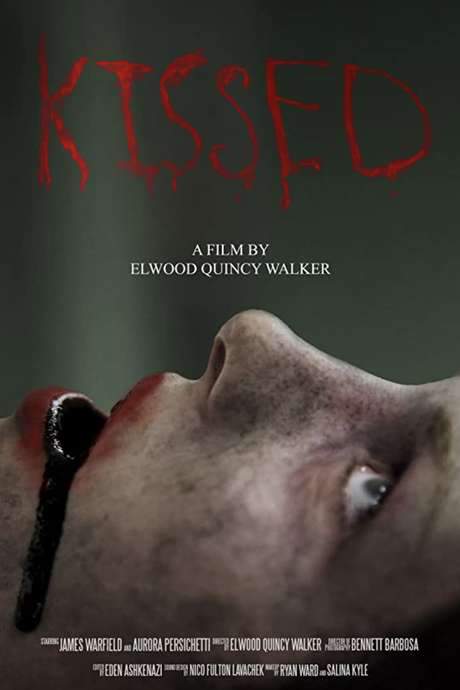
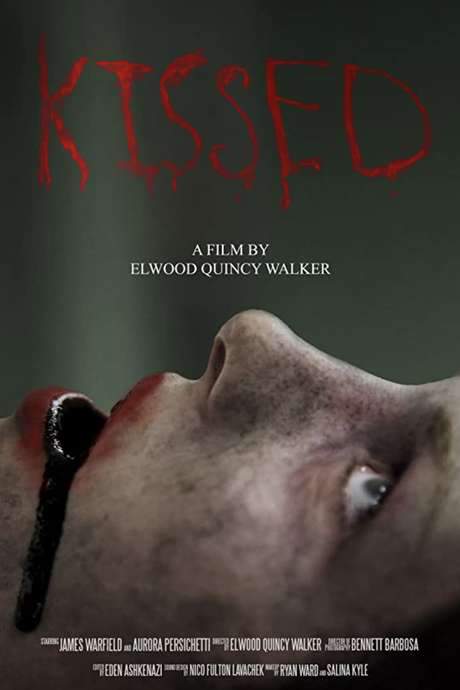
A coroner fixes up the new body in the morgue, and adds a few touches of his own.
Warning: spoilers below!
Haven’t seen Kissed yet? This summary contains major spoilers. Bookmark the page, watch the movie, and come back for the full breakdown. If you're ready, scroll on and relive the story!
Read the complete plot breakdown of Kissed (2020), including all key story events, major twists, and the ending explained in detail. Discover what really happened, and what it all means.
From her earliest memories, Sandra Larson is captivated by death, a fixation that grows into a disturbing personal ritual. The Body, Aurora Persischetti, becomes a constant presence in her world as she dances with the corpses of animals at night, rubbing them on her body and then staging a small funeral for them. This quiet, morbid hobby is shared with her only friend for a time, a girl named Carol, before their bond frays and eventually ends.
In college, Sandra channels that curiosity into biology, carefully dissecting the bodies of small animals with a careful, almost clinical detachment. She can’t resist being near the living dead, so she takes a job at a funeral home, drawn to the atmosphere and the idea that death holds some secret meaning. The funeral home’s janitor, Jan, shares Sandra’s belief in a presence beyond the visible world, suggesting that a body’s soul might linger somewhere after death. A moment in which Sandra drives the hearse containing a body through a car wash becomes a turning point: she spots a gleaming light inside the body and convinces herself that the soul lives on somewhere, a belief that only deepens her obsession.
As her interest deepens, Mr. Wallis takes Sandra under his wing and mentors her in embalming, guiding her through the practical craft of mortuary science. It’s there she meets Matt, a medical student who also has to study corpses for his degree. The two begin dating, and Matt is intrigued by the intensity of Sandra’s death fixation. They share late-night hours in Matt’s basement apartment, a tentative romance forming against the backdrop of Sandra’s nocturnal pilgrimages to the mortuary, where her rituals to “celebrate” the dead bodies of young men gradually push into dangerous, taboo territory.
Sandra’s nightly expeditions culminate in acts that blur the line between reverence and compulsion. The romantic relationship strains under the pressure of her double life, and Matt, alarmed by the widening gap between the living and the dead, confronts Sandra in uneasy, intimate exchanges that never quite reach a resolution. He tries to coax her to talk about what she’s feeling, but she withdraws, leaving him feeling both frustrated and frightened by how far her fixation has taken her.
The tension between living affection and an overwhelming pull toward the dead comes to a painful head as Matt’s attempts to connect with Sandra collide with her stubborn pull toward the realm of the departed. The struggle to choose between a life with the living and a life tethered to death spirals toward a tragic conclusion, leaving a lasting impression of heartbreak and consequence for everyone involved. >“The living and the dead don’t have to be enemies,” a moment of possibility flickers, but the moment passes and the consequences remain hard and final.
Last updated: January 28, 2026 at 12:46
Explore frequently asked questions about Kissed (2020) with spoiler-rich answers covering the full plot summary, major story beats, character motivations, hidden details, and ending meaning. This movie summary FAQ helps explain confusing scenes, plot twists, and narrative decisions in clear, searchable detail.
Sandra's fixation with death begins in early childhood, where she dances with animal corpses at night and performs small funerals for them. This isn't presented as trauma-induced but rather as an innate, almost spiritual pull toward death. She shares these rituals with her friend Carol initially, though their friendship eventually fractures. This childhood obsession plants the seed for her lifelong pattern of seeking meaning in death, which she channels professionally as an adult.
The opening scenes establish Sandra's childhood rituals as the foundation for all her later actions, including her career choice and romantic relationships.
While driving a hearse through a car wash with a body in the back, Sandra looks into the coffin and sees a gleaming light inside. She interprets this as proof that the soul lives on somewhere beyond the physical body. This moment becomes a pivotal turning point that deepens her conviction that death is not an ending but a transition, reinforcing her obsessive pursuit of connection with the dead.
The car wash scene marks the shift from passive fascination to active belief in an afterlife, setting up her later escalated behaviors.
Sandra meets Matt in mortuary science classes, where both are required to study corpses for their respective fields, she in funeral work, he in medical studies. Their shared academic proximity to death creates an initial bond. Matt becomes intrigued by the intensity of Sandra's death fixation, and they begin dating, spending late nights together in his basement apartment. However, Sandra continues her secret nocturnal pilgrimages to the mortuary, creating an increasing divide between them.
The relationship begins with potential understanding but is doomed by Sandra's inability to fully connect with the living.
Sandra's rituals escalate from dancing with animal corpses to performing ceremonies with dead bodies of young men at the funeral home. While the summary doesn't specify an exact moment, it indicates her nightly expeditions gradually push into dangerous, taboo territory. These acts blur the line between reverence and compulsion, representing the physical crossing point from obsession to actual necrophilic behavior.
Her progression from animal corpses to human bodies follows a clear escalation pattern established in childhood.
Matt becomes distraught when he realizes he is competing with dead bodies for Sandra's affection. The exact method of discovery isn't detailed, but he confronts the reality of her secret nocturnal visits to the mortuary. He attempts to get Sandra to openly discuss her necrophilia, but she withdraws from these conversations, leaving him feeling frustrated and frightened by how far her fixation has taken her.
Matt's discovery marks the beginning of the relationship's final deterioration.
Desperate to compete with the dead for Sandra's love, Matt takes drastic steps that blur the line between care and control. The summary indicates he pressures Sandra to choose between the living world and her fixation with the dead. While the specific action isn't detailed in the provided text, this 'extreme attempt' represents his final, failed effort to pull her back from her obsession, ultimately contributing to the tragic conclusion.
Matt's desperation sets up the tragic climax where his extreme measures fail.
Sandra's inability to choose stems from a lifelong identity shaped entirely by her obsession with death. The pull toward dead bodies isn't just a habit, it's her primary source of meaning and connection. While she has a tentative romance with Matt, her core identity is tethered to the dead. She literally cannot abandon what has defined her from childhood. The internal battle becomes increasingly consuming until it leads to catastrophic consequences.
The 'living and the dead don't have to be enemies' moment represents a flicker of possibility that ultimately fails.
The climax features a devastating confrontation between Sandra's obsession and Matt's desperate attempt to save their relationship. The exact events aren't fully detailed, but the result is tragic, a catastrophe that alters both Sandra and Matt's futures permanently. The story ends with lasting scars on everyone involved, underscoring the destructive nature of Sandra's obsession and Matt's inability to change her course.
The tragic ending is foreshadowed from the moment Sandra chooses death rituals over her relationship.
Jan is the janitor at the funeral home who shares Sandra's belief in a presence beyond the visible world. He suggests that a body's soul might linger somewhere after death, reinforcing Sandra's conviction that death holds secret meaning. Jan serves as a parallel character, a believer in the afterlife who validates Sandra's worldview without challenging its destructive direction.
Jan's mystical beliefs parallel and reinforce Sandra's own convictions, encouraging her descent.
Sandra shares her childhood death rituals, dancing with animal corpses and performing funerals, with her only friend Carol. Their bond is built on this shared macabre hobby. However, their friendship eventually frays and ends, though the specific reason for the fallout isn't detailed in the summary. This loss represents one of the earliest instances of Sandra's obsession isolating her from normal human connections.
The loss of this childhood friendship prefigures Sandra's pattern of isolation through her fixation.
Mr. Wallis mentors Sandra in embalming, teaching her the practical craft of mortuary science. Under his guidance, Sandra learns the technical and ritualistic aspects of preparing bodies for burial. She embraces this craft with the same intense focus she brings to all things death-related. Mr. Wallis represents the professional pathway that allows Sandra to channel her obsession into a legitimate career.
Mr. Wallis's mentorship gives Sandra professional access to the dead, enabling her obsession to escalate.
This quote appears during a moment of potential reconciliation between Sandra and Matt, suggesting a possibility that Sandra could integrate her connection to death while still maintaining a relationship with the living. However, the moment passes without resolution, and the consequences remain final. The line represents the film's thematic exploration of whether love can bridge the gap between normal human connection and pathological obsession.
This fleeting moment of hope makes the tragic conclusion more devastating.
Discover curated groups of movies connected by mood, themes, and story style. Browse collections built around emotion, atmosphere, and narrative focus to easily find films that match what you feel like watching right now.
Character studies of individuals unraveling through forbidden desires.Explore more films like Kissed that focus on characters consumed by taboo obsessions. This list features psychological horror and intense dramas where protagonists cross moral boundaries, leading to tragic conclusions and social alienation.
Narratives typically follow a linear, downward spiral as a character's secret compulsion intensifies, bringing them into conflict with societal norms and personal relationships. The focus is on the internal psychological struggle and the inevitable, often bleak, consequences of their actions.
Movies are grouped here due to their shared focus on taboo subject matter, a dark and melancholic tone, and a steady pacing that builds suspense around the protagonist's secret life and its eventual exposure.
Stories where sorrow unfolds patiently, leading to inevitable heartbreak.Discover slow-burn films similar to Kissed, where a steady pace builds towards a heavy, tragic ending. These movies share a melancholic and somber mood, focusing on characters grappling with intense emotional pain and loss.
The plot unfolds steadily without rapid shifts, focusing on character development and the gradual accumulation of emotional weight. The journey is defined by a pervasive sadness that escalates towards an unavoidable, somber finale.
These films are connected by their shared pacing—steady and deliberate—and their dominant emotional palette of melancholy and sorrow, resulting in a viewing experience that is heavy, reflective, and emotionally resonant.
Don't stop at just watching - explore Kissed in full detail. From the complete plot summary and scene-by-scene timeline to character breakdowns, thematic analysis, and a deep dive into the ending - every page helps you truly understand what Kissed is all about. Plus, discover what's next after the movie.
Track the full timeline of Kissed with every major event arranged chronologically. Perfect for decoding non-linear storytelling, flashbacks, or parallel narratives with a clear scene-by-scene breakdown.
Discover the characters, locations, and core themes that shape Kissed. Get insights into symbolic elements, setting significance, and deeper narrative meaning - ideal for thematic analysis and movie breakdowns.
Discover movies like Kissed that share similar genres, themes, and storytelling elements. Whether you’re drawn to the atmosphere, character arcs, or plot structure, these curated recommendations will help you explore more films you’ll love.
Kissed (2020) Scene-by-Scene Movie Timeline
Kissed (2020) Movie Characters, Themes & Settings
Kissed (2020) Spoiler-Free Summary & Key Flow
Movies Like Kissed – Similar Titles You’ll Enjoy
Kiss of the Damned (2013) Ending Explained & Film Insights
Kiss Me a Killer (1991) Full Movie Breakdown
Kiss Daddy Goodbye (1981) Complete Plot Breakdown
Kiss Daddy Goodnight (1987) Detailed Story Recap
The Kiss (1988) Complete Plot Breakdown
Kissed (2020) Spoiler-Packed Plot Recap
Kiss of Death (1947) Plot Summary & Ending Explained
Kiss or Kill (1997) Spoiler-Packed Plot Recap
The Kiss of the Vampire (1963) Complete Plot Breakdown
Kiss Me Killer (1977) Detailed Story Recap
Kiss of the Tarantula (1976) Movie Recap & Themes
A Kiss to Die For (1993) Movie Recap & Themes
Kiss Me Deadly (1955) Spoiler-Packed Plot Recap
Kissed (1996) Story Summary & Characters
The Death Kiss (1932) Detailed Story Recap