Year: 1993
Runtime: 98 mins
Language: English
Director: Philip Haas
Jack Pozzi is about to take the biggest gamble of his life … Two men face the consequences of gambling after playing with men beyond their league.
Warning: spoilers below!
Haven’t seen The Music of Chance yet? This summary contains major spoilers. Bookmark the page, watch the movie, and come back for the full breakdown. If you're ready, scroll on and relive the story!
Read the complete plot breakdown of The Music of Chance (1993), including all key story events, major twists, and the ending explained in detail. Discover what really happened, and what it all means.
Jim Nashe, a retired fireman who has just inherited a fortune and weathered a divorce, enjoys a rare freedom to buy a new car and wander the country at his own pace. His easygoing drift is interrupted when he picks up a hitchhiker, Jack Pozzi, a sharp-tisted professional gambler who has just suffered a devastating reverse: his latest poker game was robbed, he was blamed for the loss, and he was beaten. With his bankroll wiped, Pozzi cannot even meet the minimum buy-in to face a pair of eccentric old millionaires he once outplayed. Seeing an opportunity, Nashe offers to back Pozzi with $10,000 for a rematch, sparking a reckless alliance built on risk and curiosity.
The targets of this high-stakes gamble are the two wealthy men who share a sprawling estate, Bill Flower and Willy Stone. They are men of wit and wealth, not easily fooled, and what begins as a game of wits quickly reveals itself as a deeper test of nerve and loyalty. The rematch starts badly for Pozzi, but Flower and Stone swing back with precision, draining the initial stake and forcing Nashe to ante more with his beloved car. Pozzi loses again, leaving Nashe to put up the car itself as collateral for more chips, a gamble that reveals just how far Nashe is willing to go to keep the game alive.
The agreement grows stranger still: if Pozzi and Nashe win a single round of cards, Nashe would recover the car; if they lose, they owe $10,000. Nashe loses that final bet in a moment of tense calm, sealing their debt in straight terms. With the money owed, Flower and Stone propose a new, methodical form of repayment: fifty days of labor to build a wall from ten thousand large stones—stones said to come from a 15th‑century castle. The men are supervised by a pragmatic foreman, Calvin Murks, who keeps a watchful eye on their progress and on Pozzi’s temper.
As days pass, Nashe works with steady focus, while Pozzi sinks into despondency, feeling reduced to a servant rather than a partner. The tension between the two grows when Pozzi takes offense at a cutting remark from Murks and lashes out, an act that prompts Murks to begin showing up to the site armed. The power dynamic shifts as Pozzi tries to escape, believing Nashe will join him, while Nashe insists on finishing the project. One night, Pozzi attempts to slip through a fence and vanish, offering to call Nashe’s family if he is successful. The next dawn, Nashe finds Pozzi badly beaten and unconscious outside his shack; Murks claims Pozzi has been taken to a hospital, but Nashe remains skeptical of the story.
Murks then takes Nashe out for drinks with his son-in-law, Floyd, and a casual pool game turns into a small financial handshake. Nashe wins a mere $50, and in a rare moment of generosity asks Floyd to spend it on Murks’s family, a gesture that Murks later uses to test Nashe’s loyalties. Before the ride back, Nashe asks to reclaim Murks’s car, and Floyd agrees to get Murks’s approval. The drive ends in tragedy: Nashe accelerates, Murks cries out in alarm as a motorbike closes in, and the car crashes, killing Floyd and Murks. Wounded, Nashe staggers away along the road, where a passing driver—played by cameo appearance by Paul Auster—offers a lift. In the final, quiet moment, Nashe tells the stranger that he plans to head to Minnesota and asks to be taken to the nearest payphone, leaving the fate of the debt and the men who chased it uncertain but clearly altered forever.
Last updated: October 09, 2025 at 10:50
Explore frequently asked questions about The Music of Chance (1993) with spoiler-rich answers covering the full plot summary, major story beats, character motivations, hidden details, and ending meaning. This movie summary FAQ helps explain confusing scenes, plot twists, and narrative decisions in clear, searchable detail.
Nashe is drawn to Pozzi because he represents the freedom and risk that Nashe's recent inheritance has suddenly made possible. After his divorce and receiving a large sum of money, Nashe feels untethered and eager for excitement. When Pozzi explains his situation, being robbed and blamed for a lost poker game, Nashe sees an opportunity to inject meaning into his aimless life by becoming part of a high-stakes gamble. His offer to fund the rematch is less about believing in Pozzi's skill and more about satisfying his own hunger for something unpredictable to happen.
Earlier, Nashe's impulse purchase of an expensive new car signals his willingness to spend money on experiences rather than necessities.
Once the initial $10,000 is gone, Nashe posts his car as collateral for more chips, accepting a stake worth far less than the car's actual value. This decision reflects a psychological shift where the act of gambling becomes more compelling than the potential reward. Nashe rationalizes that a single favorable card cut could recover everything, so he keeps risking more. The game transforms from a calculated bet into something more primal, a test of will where walking away feels like admitting defeat.
Pozzi's initial winning streak lures them into believing a comeback is always possible.
Nashe loses the final card cut, which seals the $10,000 debt. Rather than demanding immediate cash payment, Flower and Stone propose an alternative: Nashe and Pozzi must build a wall from 10,000 large stones on their estate over fifty days to work off the debt. This arrangement means Nashe loses his car permanently, it becomes part of the collateral that was already forfeited when he lost the final bet.
The car was initially offered as collateral early in the game, establishing that it would be the final stakes.
Flower and Stone's demand to build a wall from stones sourced from a 15th-century castle serves as a form of psychological punishment rather than practical labor. The task is deliberately monotonous and grueling, moving enormous stones day after day for fifty days. This creates an atmosphere of indentured servitude that strips away the men's dignity and autonomy. The specific choice of ancient castle stones adds a sense of futility, as if the men are building something meaningless under the watchful eye of their captors.
Flower and Stone are characterized as eccentric wealthy men who view the game as a test of character, not just money.
Pozzi's attack on Murks stems from accumulated frustration and feelings of humiliation. Throughout the wall-building project, Pozzi feels reduced to a servant rather than a partner in the gamble. When Murks makes a cutting remark that insults Pozzi's pride, Pozzi lashes out physically. This assault marks a turning point where Pozzi's frustration erupts into violence, prompting Murks to begin arriving at the work site armed, escalating the danger and tension surrounding the men.
Pozzi's despondency and growing resentment had been building as days passed, with Nashe working steadily while Pozzi sank into despair.
Pozzi attempts to escape by burrowing under the fence surrounding the estate, hoping to disappear and potentially contact Nashe's family for help. The next morning, Nashe discovers Pozzi badly beaten and unconscious outside his shack. Murks claims he took Pozzi to a hospital and that Pozzi later recovered and left, but Nashe remains skeptical of this story. The ambiguity surrounding Pozzi's fate is never resolved, he simply vanishes from the narrative, leaving his ultimate outcome unknown.
The escalating violence and Murks's decision to arm himself hinted at darker consequences for defiance.
When Nashe asks to drive Murks's car back to the estate after drinks, the situation escalates when a motorbike's lights approach in the darkness. Nashe, perhaps panicked or attempting to speed away, loses control of the vehicle. The car crashes, killing both Floyd (Murks's son-in-law) and Murks himself. The exact motivation remains ambiguous, Nashe may have been trying to flee, show off, or simply panicked at the approaching motorcycle. The crash represents a violent rupture that frees Nashe from the compound but at the cost of two lives.
Nashe's earlier reckless gambling demonstrated his willingness to take dangerous risks when stakes feel high.
The film never explicitly reveals why Minnesota is Nashe's destination, but it represents the opposite of where he has been, instead of being trapped on Flower and Stone's estate, he is moving toward something unspecified but potentially his own. After the fatal crash and escaping the compound, Nashe is wounded and directionless. When the driver (Paul Auster) offers him a lift, Nashe asks to be taken to the nearest payphone, suggesting he intends to contact someone or pursue some unknown purpose. Minnesota functions as a symbol of forward motion and perhaps redemption, though the film deliberately leaves this uncertain.
Nashe's earlier statement that he needed his car to go home establishes his desire to leave, though his destination has changed.
The driver who offers Nashe a ride is played by Paul Auster, the author of the novel the film is based on. This cameo appearance serves as a meta connection between the source material and the adaptation. Auster's brief on-screen presence reinforces the film's themes of chance and fate, he appears as a stranger who happens upon Nashe at a crucial moment, embodying the random encounters that have driven the story. Nashe tells this stranger he plans to go to Minnesota and asks to be taken to a payphone, leaving the stranger to witness Nashe's uncertain next step.
The film's title and themes center on chance encounters and the randomness of fate.
The ending leaves multiple questions unresolved: whether the debt to Flower and Stone is still owed, what happened to Pozzi, and where Nashe's life goes from here. Nashe is physically wounded from the crash and emotionally altered by the deaths he caused. He heads toward Minnesota seeking a payphone, but his exact intention remains unclear. This ambiguity reinforces the film's themes of futility and inescapable consequences, Nashe has escaped the compound but carries the weight of his choices, and his future remains as uncertain as the game of chance that started his journey.
The entire film establishes that choices have consequences, and Nashe's final decision to drive leads to tragedy.
Discover curated groups of movies connected by mood, themes, and story style. Browse collections built around emotion, atmosphere, and narrative focus to easily find films that match what you feel like watching right now.
Stories where characters are ensnared by abstract, inescapable systems of power.If you enjoyed the oppressive feel of The Music of Chance, explore more films about characters caught in inescapable systems. These movies, similar in tone and theme, depict surreal struggles against abstract power, debt, and confinement, creating a deeply unsettling and thought-provoking experience.
Narratives in this thread typically begin with a character making a seemingly minor error in judgment, which snowballs into a situation of complete loss of control. They are then forced into servitude or confinement by a mysterious or powerful adversary, leading to a slow-burn examination of futility, power dynamics, and the search for a way out that may not exist.
These films are grouped by their shared exploration of existential dread stemming from powerlessness. They create a cohesive viewing experience through their dark, melancholic tone, moderate-to-slow pacing that emphasizes monotony and despair, and heavy emotional weight centered on themes of freedom and control.
Character-driven dramas where tension and despair mount with agonizing slowness.For viewers who appreciated the deliberate pacing and heavy atmosphere of The Music of Chance, this section collects similar slow burn dramas. These films share a focus on psychological tension, character study under duress, and a melancholy, anxious mood that builds to a powerful, often somber, conclusion.
The defining narrative pattern is a gradual escalation of a dire situation, where the primary conflict is internal as much as external. The plot patiently charts the corrosion of a character's psyche, their relationships, and their will, often set against a confined or limited setting that amplifies the feeling of entrapment and inevitability.
These films are united by their specific combination of slow pacing, dark tone, and heavy emotional weight. They offer a similar viewing experience focused on immersive atmosphere, deep character study, and a pervasive sense of anxiety or melancholy that builds to a powerful, emotionally resonant impact.
Don't stop at just watching - explore The Music of Chance in full detail. From the complete plot summary and scene-by-scene timeline to character breakdowns, thematic analysis, and a deep dive into the ending - every page helps you truly understand what The Music of Chance is all about. Plus, discover what's next after the movie.
Track the full timeline of The Music of Chance with every major event arranged chronologically. Perfect for decoding non-linear storytelling, flashbacks, or parallel narratives with a clear scene-by-scene breakdown.
Discover the characters, locations, and core themes that shape The Music of Chance. Get insights into symbolic elements, setting significance, and deeper narrative meaning - ideal for thematic analysis and movie breakdowns.
Discover movies like The Music of Chance that share similar genres, themes, and storytelling elements. Whether you’re drawn to the atmosphere, character arcs, or plot structure, these curated recommendations will help you explore more films you’ll love.
The Music of Chance (1993) Scene-by-Scene Movie Timeline
The Music of Chance (1993) Movie Characters, Themes & Settings
The Music of Chance (1993) Spoiler-Free Summary & Key Flow
Movies Like The Music of Chance – Similar Titles You’ll Enjoy
The Gambler (2014) Plot Summary & Ending Explained
The Card Counter (2021) Full Movie Breakdown
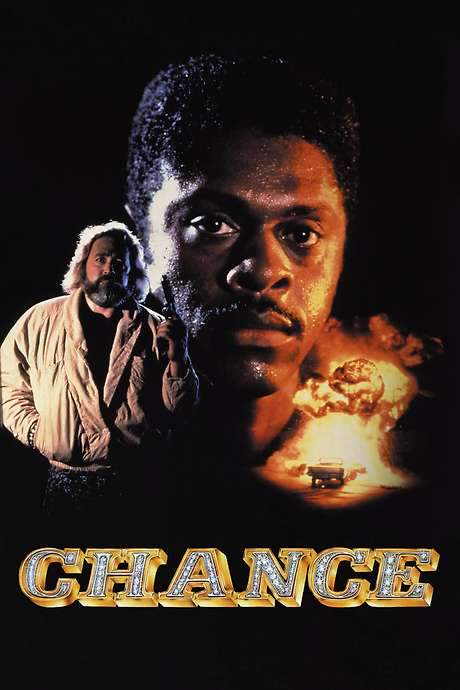
Chance (1990) Plot Summary & Ending Explained
The Gambler (1989) Ending Explained & Film Insights
Chance (2020) Plot Summary & Ending Explained
A Chance Encounter (2020) Plot Summary & Ending Explained
The Big Gamble (1931) Full Summary & Key Details
Gambler’s Choice (1944) Complete Plot Breakdown
The Big Chance (1933) Full Movie Breakdown
And Hope to Die (1972) Story Summary & Characters
Street of Chance (1930) Plot Summary & Ending Explained
The Big Chance (1957) Movie Recap & Themes
Sporting Chance (1975) Complete Plot Breakdown
Odds Against Tomorrow (1959) Spoiler-Packed Plot Recap
Last Chance (1999) Detailed Story Recap