Plot Explained Spoilers guaranteed!
Plot Explained

Browse by genre

Totally Awesome (2006) movie poster

Plot Summary

Totally Awesome (2006) Plot Summary Explained

Release, runtime and language
2006 · 94 mins · English
Directed by
Neal Brennan
Starring
Lucie Guest, James Hong, Chris Kattan, Ben Stein, Tracy Morgan, Mikey Day

After the Gunderson family moves, siblings Charlie, Lori and Max try to fit into a new high school. They pursue dance battles, teenage crushes, popularity, and a hidden scientific talent while befriending a quirky Japanese gardener. The VH1‑produced film piles neon ’80s references, humor and an exaggerated plot that celebrates the era’s clichés.

On this page (4)
  1. 1 What happens: full plot
  2. 2 Plot questions answered
  3. 3 Movie threads
  4. 4 Every angle

Full plot summary · contains spoilers

What Happens in Totally Awesome: Full Plot Summary

The whole story of Totally Awesome (2006) explained, from the opening scene to the final frame: every key event, every twist and what it all adds up to. Read it as a quick recap before the sequel, to check a scene you missed, or to finally understand what really happened.

Ben Stein, Ben Stein introduces the film as a long-lost comedy from the 1980s, gently hinting that a lot of the humor may land differently in 2006. The opening frames set a breezy, road-trippy tone, as the Gunderson family heads off on a cross-country journey toward a new home. On this voyage, Charlie Gunderson, Mikey Day, is portrayed as boyishly confident, with a smile that masks a restless curiosity about life beyond his small-town orbit. His sister Lori Gunderson, Dominique Swain, brings artistry and grace to the mix, while their younger sibling Maxamillion Gunderson, Trevor Heins, occupies a world of thought with a razor-sharp intelligence that hints at bigger things simmering beneath the surface.

From the very first day of school in their new town, Charlie discovers that popularity is a fragile thing. He is pegged as the least popular senior, a label that sticks in the social tapestry of his new environment. In the midst of this, Billie—an amiable, observant friend—offers to show him the ropes and gives him an illuminating crash course in the town’s clique dynamics. The quick, social calculus of who fits where becomes a minor but persistent obstacle in Charlie’s attempt to carve out a place for himself, and the interaction underscores a broader theme of how quickly social status can shape a teenager’s choices and confidence.

Meanwhile, Lori’s arrival stirs another kind of rebellion. She is stunned to learn dancing is banned in the town, a suppression that clashes with her blossoming talent and love of movement. The only sanctioned outlet for rhythm and release seems to be the clandestine dance sessions held in the garage of Gabriel, the town’s janitor and a former dance instructor. Gabriel, played by Chris Kattan, becomes a pivotal figure in Lori’s plan to revive dancing in their community. Lori’s clandestine outings, propelled by a growing affection for Gabriel, set off a chain of clever moves designed to reintroduce a sense of freedom and self-expression through dance.

At the same time, Charlie channels his energy into winning the attention of Kimberly, the popular girl who captures the imagination of many of his peers. Kimberly is embodied by Brittany Daniel, and she is linked, in the narrative, with her athletic boyfriend Kipp, portrayed by Joey Kern. The plot threads weave together as Charlie agrees to take on a high-stakes challenge: he vows to outdo Kipp in the upcoming school decathlon, a contest that tests physical prowess, strategy, and a growing sense of personal commitment. Billie quietly harbors her own unspoken feelings for Charlie, adding a layer of quiet longing to the social dynamics that drive the character interactions.

The town’s rhythms are further complicated by the arrival of a mysteriously capable mentor to Charlie. The story frames a training arc that pairs him with Yamagashi, the discreet Japanese gardener whose meticulous, almost technical approach to practice helps Charlie push past self-doubt and reach for something beyond his current limits. Yamagashi is brought to life on screen by James Hong, whose presence adds a note of wry wisdom to the athletic struggle at the heart of Charlie’s quest. This mentoring thread blends with the social stakes of school popularity, as Charlie tries to translate his effort on the field into a move that might win Kimberly’s attention and perhaps alter the town’s social map.

As the Gunderson siblings navigate these personal quests, Max’s story runs on a parallel, almost technocratic track. The highly advanced home computer that Max works on becomes a magnet for attention, eventually drawing the gaze of the CIA. Max’s focus and ingenuity hint at larger implications beyond the town’s social dances, suggesting that the family’s move is about more than just a new address; it’s about stepping into a broader world of information and possibility. This strand of the plot complements the comedic surface with a sense of curiosity and mystery, underscoring how a family’s ordinary transition can intersect with extraordinary interests.

Throughout the film, the narration provided by Ben Stein anchors a wink at nostalgia, as the opening frames remind viewers that this story is a reminder of a bygone era’s humor—an effect that becomes even more pronounced as the characters chase their dreams in a town that socializes around rules, reputations, and the occasional rebellious surge of dance. The interplay between the dated jokes and the timeless ambitions of adolescence creates a tonal balance that the film leans into, balancing warmth with humor while keeping a steady sense of curiosity about where each character will land as their cross-country journey unfolds.

In this ensemble coming-of-age tapestry, the Gunderson family embodies different facets of growth: Charlie’s bid to gain social footing and romantic interest; Lori’s quiet resistance to a restricted culture and her bold collaboration with a former dancer in Gabriel; Max’s quiet revolution through his computer that hints at a future beyond the town’s borders; and Billie’s perceptive, sometimes unspoken loyalties that highlight the complexity of teenage friendships. The film gathers its energy from these interlacing threads, presenting a world where ambition meets tradition, where covert dances in a garage become acts of defiance, and where a cross-country trip becomes a journey not just across miles but toward a more defined sense of self.

As the credits roll on this offbeat comedy, the film’s mood lingers with the sense that humor, nostalgia, and a dash of mischief can still find a way to unfold in a world that has moved on since the 1980s. The characters leave an imprint of resilience: Charlie learning to navigate a new social ecosystem with the help of friends and mentors, Lori defiantly restoring a form of expression that the town tried to suppress, and Max pushing the boundaries of what a single home computer can illuminate for a curious mind. It’s a story about adaptation, reinvention, and the small moments of discovery that come when a family dares to chase what truly matters, even if the world around them isn’t quite ready for it.

Last updated: February 20, 2026 at 12:11

Was this helpful?

Plot questions answered

Totally Awesome Plot Explained: Your Questions Answered

The questions people ask most about Totally Awesome (2006): what happens in the confusing scenes, why the characters do what they do, the twists, hidden details and what the ending means. Each answer contains spoilers.

Q1

Why is dancing banned in the town?

The film presents dancing as prohibited in the new town as a comedic plot device that creates the central conflict for Lori. This restriction serves as the town's conservative rule that the characters must challenge. Lori discovers the ban early in her time there and, with Gabriel's help, works to revive dancing through secret garage sessions and a plan to bring dance back to the community.

Foreshadowing: The opening framing hints at exaggerated 80s-era rules, suggesting the dancing ban is meant to evoke nostalgic comedy tropes.

  • dancing ban
  • lori gunderson
  • gabriel
  • dance revival
  • town rules
Q2

Who is Yamagashi and why does he train Charlie?

Yamagashi is a Japanese gardener in town portrayed by James Hong. He becomes Charlie's mentor and trains him for the school decathlon. His approach is technical and meticulous, helping Charlie push past self-doubt. The training helps Charlie improve his physical and strategic abilities as he works to challenge Kipp and win Kimberly's attention.

Foreshadowing: The early scene where Charlie is singled out as the least popular senior establishes his need for transformative help.

  • yamagashi
  • james hong
  • charlie training
  • decathlon
  • mentor
Q3

Why does the CIA want Max's computer?

Max's highly advanced home computer project attracts CIA attention because of its sophisticated technology. The plot suggests his innovative work has implications beyond a typical teenage hobby, drawing the interest of government agents. This subplot adds a thriller-like element to the coming-of-age story, hinting at larger possibilities beyond the town's boundaries.

Foreshadowing: Max's razor-sharp intelligence is established early, hinting at exceptional abilities that would draw external attention.

  • max gunderson
  • cia
  • computer
  • technology
  • government
Q4

How does Charlie plan to win Kimberly's attention?

Charlie decides to challenge Kimberly's athletic boyfriend Kipp in the upcoming school decathlon. This high-stakes competition tests physical prowess and strategy. By defeating Kipp in this public contest, Charlie hopes to prove himself worthy of Kimberly's attention and improve his social standing at the new school.

Foreshadowing: Charlie's desire to fit in and gain popularity is established when he's labeled the least popular senior on his first day.

  • charlie
  • kimberly
  • kipp
  • decathlon
  • popularity contest
Q5

Why does Billie help Charlie navigate the school hierarchy?

Billie, an awkward but kind outcast, approaches Charlie on his first day and offers to show him the ropes of the school's social landscape. She has unspoken feelings for Charlie, which motivates her to help him understand the clique system. Her guidance helps Charlie see how popularity works at his new school and gives him tools to navigate it.

Foreshadowing: Billie's quiet longing for Charlie is woven throughout the social dynamics, explaining her investment in his success.

  • billie
  • charlie
  • school hierarchy
  • cliques
  • friend help
Q6

What is the relationship between Lori and Gabriel?

Lori discovers that Gabriel is the town's janitor and former dance instructor who holds secret dance sessions in his garage. As Lori attends these clandestine sessions, she develops feelings for Gabriel. Together, they plot to revive dancing in the town and challenge the ban, forming both a romantic connection and a partnership in their dance rebellion.

Foreshadowing: Lori's arrival and her love of movement naturally lead her to find others who share her passion.

  • lori gunderson
  • gabriel
  • dance instructor
  • secret dance
  • garage sessions
Q7

How do the Gunderson siblings adapt to their new town?

Each sibling faces different challenges: Charlie deals with being the least popular senior and pursues popularity through the decathlon; Lori encounters the dancing ban and fights to restore expression through dance; Max's computer project draws unexpected attention from the CIA. Together, they navigate new schools, social dynamics, and personal goals while the family adjusts to their new life.

Foreshadowing: The cross-country journey establishes each character's hopes and expectations for the move.

  • gunderson siblings
  • charlie
  • lori
  • max
  • new town
  • adaptation
Q8

Why does Ben Stein narrate the film as a 'lost 80s comedy'?

Ben Stein introduces the film as a long-lost comedy from the 1980s, setting up a nostalgic, meta framing that acknowledges the dated humor. This device prepares viewers for the retro tone, excessive 80s references, and exaggerated plot points. The narration creates a wink at nostalgia, emphasizing that the film embraces era-specific clichés as part of its comedic identity.

Foreshadowing: The meta framing directly addresses that many jokes may land differently in 2006, priming the audience for playful datedness.

  • ben stein
  • narrator
  • 80s nostalgia
  • framing device
  • parody

Movie threads

More Movies Like Totally Awesome, by Mood & Story

Curated lists built around what makes Totally Awesome tick: the same mood, the same kind of story or the same emotional payoff. Each list explains why these movies belong together.

Movies with '80s nostalgia like Totally Awesome

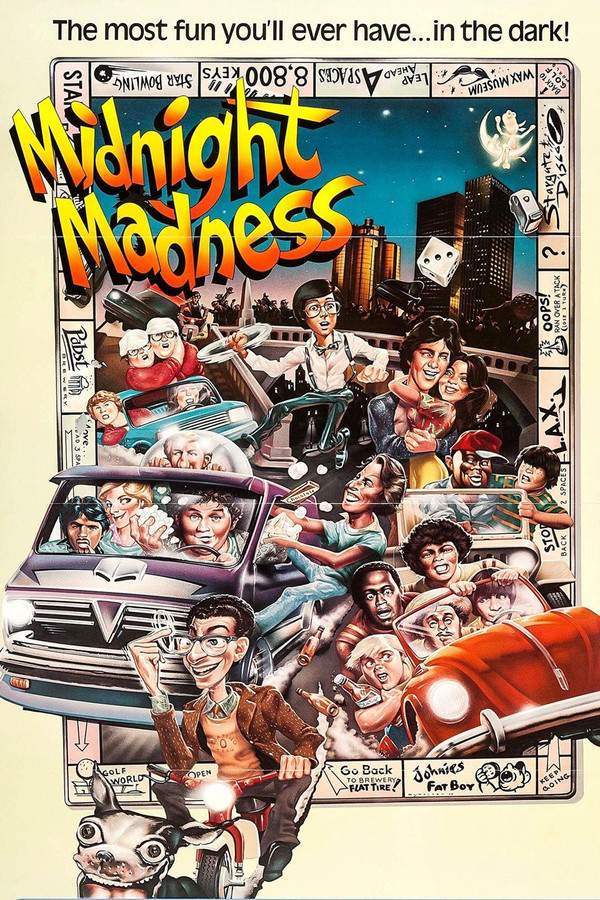
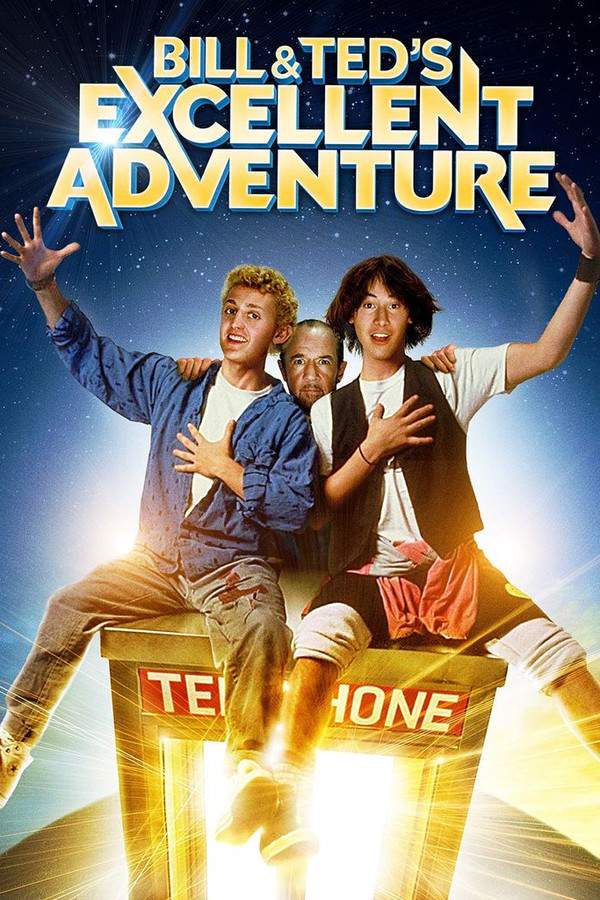
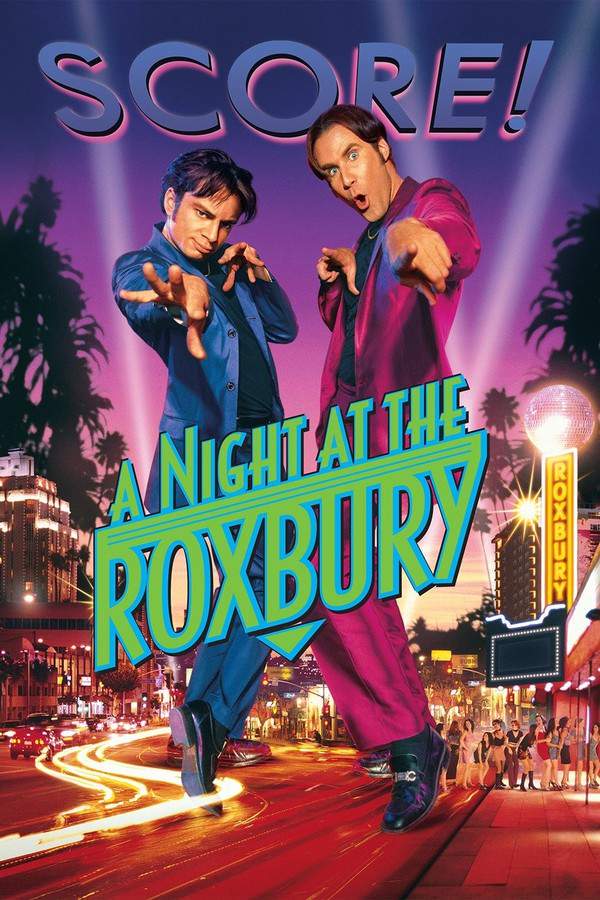
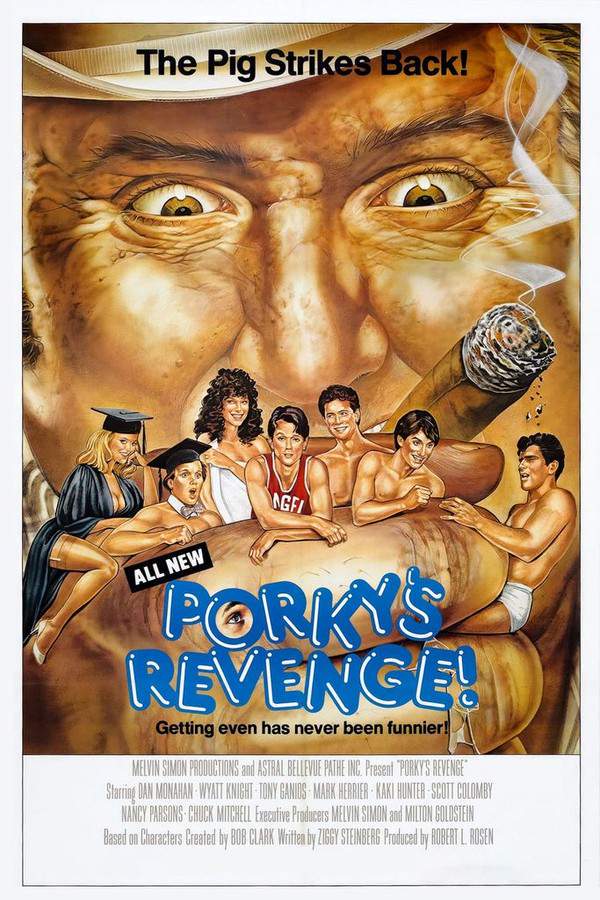
Vibrant, exaggerated comedies that lovingly parody 1980s pop culture. Looking for more movies like Totally Awesome? This list features comedies that pile on the '80s references, from high school dance battles to quirky characters and an upbeat, lighthearted tone. If you loved the neon-drenched celebration of the era, you'll enjoy these similar films.

  • nostalgic
  • quirky
  • lighthearted
  • upbeat
  • exaggerated
  • youthful
  • Tone: light, whimsical
  • Pacing: fast
Why these movies?

The story pattern: These narratives often follow characters navigating exaggerated versions of high school life, with conflicts centered on social hierarchies, romantic pursuits, and achieving a moment of glory (like winning a dance-off or a competition). The plots are straightforward, fast-paced, and resolve with a satisfying, happy ending where the underdogs triumph.

Why they belong together: These films are grouped together because they share a specific, affectionate parody of 1980s teen movie tropes. They prioritize fun, humor, and a bright, playful aesthetic over serious drama, creating a cohesive vibe of carefree, nostalgic entertainment.

Quirky teen comedies similar to Totally Awesome

Fast-paced stories about quirky teenagers navigating high school life. Fans of Totally Awesome will enjoy these other movies about quirky teenagers. They feature lighthearted plots, fast pacing, and a focus on the fun, exaggerated side of high school life, including crushes, cliques, and the quest for popularity, all leading to a happy ending.

  • youthful
  • quirky
  • lighthearted
  • fun
  • playful
  • upbeat
  • Tone: light, playful
  • Pacing: fast
Why these movies?

The story pattern: The narrative typically revolves around a group of siblings or friends, each with their own subplot, who must overcome a series of low-stakes, comedic obstacles related to school social life. Their individual journeys of self-discovery and bonding converge in a climactic event, resolving their conflicts and reinforcing their friendships.

Why they belong together: These movies are connected by their playful tone, low-stakes conflicts, and focus on the humorous aspects of adolescent social dynamics. They offer a comforting, predictable structure where characters learn small but meaningful lessons about themselves and each other.

Every angle

Totally Awesome (2006) Explained: Plot, Timeline & Characters

Everything about Totally Awesome in one place: what happens in the plot summary, the timeline in chronological order, the characters and meaning and a spoiler-free summary. What's After the Movie adds the cast, box office and post-credit scenes.

Coming soon on iOS and Android

The Plot Explained Movie Summary App

Plot summaries, endings explained and timelines on your phone. Catch up on any movie in minutes, save your favorites and never miss a twist again.

Be the first to know when we launch. Your email stays private, always.

Learn more about the app