Plot Explained Spoilers guaranteed!
Plot Explained

Browse by genre

To Walk with Lions (1999) movie poster

Timeline

To Walk with Lions (1999) Timeline Explained – Every Event in Order

Release, runtime and language
1999 · 110 mins · English
Directed by
Carl Schultz
Starring
Hugh Quarshie, Honor Blackman, Geraldine Chaplin, Richard Harris, Ian Bannen, Kerry Fox

Loosely based on the later years of Kenyan game warden George Adamson, the unofficial sequel to Born Free follows Adamson and his brother Terrence on their wildlife preserve. Drifter Tony Fitzjohn, newly hired, survives a near‑fatal lion encounter and, after caring for an orphaned cub, joins the brothers in battling poachers, soldiers and corrupt officials to protect the lions and the park.

On this page (6)
  1. 1 Where to watch
  2. 2 Events in order (12)
  3. 3 Timeline questions answered
  4. 4 Movie threads
  5. 5 Movies like To Walk with Lions
  6. 6 Every angle

Where to watch

Where to Watch To Walk with Lions (1999)

Where can you watch To Walk with Lions? Stream, rent or buy it in the US, including on Tubi TV: current JustWatch availability with up-to-date prices.

Streaming availability powered by JustWatch

12 events in order · contains spoilers

To Walk with Lions Timeline: Events in Chronological Order

Every key event of To Walk with Lions (1999) in order, scene by scene, with when and where it takes place. Use it to untangle flashbacks, time jumps and parallel storylines, to refresh your memory before the sequel or to find the exact scene you are thinking of.

  1. Fitzjohn joins the Kora lion reserve

    Tony Fitzjohn arrives at Kora to work for the elderly Adamson brothers, stepping into a demanding mission to protect the reserve's wildlife. He must quickly learn the terrain, the risks, and the community surrounding the project. The assignment tests his nerve and his ability to adapt to a life devoted to conservation.

    When
    Day 1
    Where
    Kora Wildlife Reserve, Kenya
  2. First day near disaster with a lion

    On his first day, Fitzjohn ignores George's warning not to run with a lion and is nearly mauled. The close call reveals the constant danger of working with big cats and the fragile balance of the preserve. The incident foreshadows the intense challenges ahead.

    When
    Day 1
    Where
    Kora Wildlife Reserve, Kenya
  3. The last ranger died in a similar incident

    George explains that the last ranger who filled Fitzjohn's position died in a similar incident. Fitzjohn questions whether he belongs in this dangerous job and even considers quitting. The near miss deepens his doubt about the preserve's future.

    When
    Early days
    Where
    Kora Wildlife Reserve, Kenya
  4. A lion cub arrives to be trained

    A lion cub is brought in from a zoo to be trained for reintroduction into the wild, signaling a turning point in Fitzjohn's career. The task provides a concrete mission that could prove his skill and courage. This moment marks the start of a deeper commitment to conservation.

    When
    Early days
    Where
    Kora Wildlife Reserve, Kenya
  5. Fitzjohn chooses to stay and take on the challenge

    In a last minute decision, he decides to remain with the project rather than walk away. The cub becomes a proving ground for his approach to wildlife recovery. He senses that his future lies in conservation rather than escape.

    When
    Early career
    Where
    Kora Wildlife Reserve, Kenya
  6. Years pass and the reserve faces mounting poaching

    Years pass and the lions at Kora begin to fall to poachers using bullets and poison. The threat to the pride grows as the death toll climbs and the landscape grows more dangerous. The Adamsons' effort to protect the wildlife proves increasingly precarious.

    When
    Years later
    Where
    Kora Wildlife Reserve, Kenya
  7. Poachers threaten elephants and rhinos as well

    Elephants and rhinos are also targeted for tusks and horns, exacerbating the crisis. Poachers flood the region, bringing danger, corruption, and heavy losses. The reserve struggles to guard the remaining populations against a well funded illegal trade.

    When
    Years later
    Where
    Kora Wildlife Reserve, Kenya
  8. Resources dwindle as the fight intensifies

    George and Terrence Adamson push themselves to protect wildlife despite dwindling funding and support. Fitzjohn notes the stark economic reality: a ranger may earn 800 shillings a month while a poacher can pay ten thousand to look the other way. The money gap underscores the uphill battle between legal protection and illegal profit.

    When
    Mid-career
    Where
    Kora Wildlife Reserve, Kenya
  9. Government ignores the preserve's fate

    The local government remains indifferent toward maintaining a wildlife preserve. This political stance undermines conservation efforts and saps morale among the rangers and the Adamsons. With official support scarce, the project struggles to scale its protection across the landscape.

    When
    Ongoing
    Where
    Kenya
  10. Crisis refines Fitzjohn's sense of purpose

    Facing the mounting crisis, Fitzjohn hardens his approach and refines his sense of purpose. He reassesses tactics, training, and community engagement to sustain the preserve. The cub's progress becomes a symbol of resilience amid overwhelming odds.

    When
    Mid-career
    Where
    Kora Wildlife Reserve, Kenya
  11. A glimmer of hope amid devastation

    Despite repeated losses, Fitzjohn and the Adamsons persevere, convinced that wildlife can still be saved if given time and the right approach. The reintroduction effort remains a sign of possible success, even as poaching constant threat persists. The narrative centers on unwavering dedication rather than easy victories.

    When
    Mid-career
    Where
    Kora Wildlife Reserve, Kenya
  12. The preserve's struggle ends with a stark verdict

    The film closes by exposing the scale of the challenge: poachers, corruption, and limited political will make restoration feel nearly impossible. The Adamsons' work is heroic, but the system undermines their mission. Fitzjohn's life is defined by this enduring, unresolved struggle.

    When
    Ending phase
    Where
    Kora Wildlife Reserve, Kenya

Last updated: February 17, 2026 at 19:57

Was this helpful?

Timeline questions answered

To Walk with Lions Timeline Explained: Your Questions Answered

When does it happen, and why in that order? The questions people ask about the chronology of To Walk with Lions (1999): time jumps, flashbacks, cause and effect between scenes and the correct order of events, each answered with spoilers.

Q1

Why was Fitzjohn nearly mauled by a lion on his first day at Kora?

Fitzjohn ignored George Adamson's specific warning not to run when encountering a lion. Running triggers a big cat's prey drive, causing the lion to pursue him. The incident serves as a harsh introduction to the dangers of working with wild animals and explains why the previous ranger died in a similar situation.

Foreshadowing: The near-attack foreshadows the constant danger and life-or-death stakes that will define Fitzjohn's career at the reserve.

  • lion attack
  • first day
  • kora reserve
  • george adamson
  • danger
Q2

Why did Fitzjohn decide to stay at Kora after the lion attack?

After surviving the near-fatal attack, Fitzjohn was given a lion cub from a zoo to train and reintroduce into the wild. This concrete mission became his turning point, caring for the cub gave him a sense of purpose and revealed his true calling in wildlife conservation, making him choose to remain rather than leave.

Foreshadowing: The cub represents hope and personal growth, contrasting with the growing losses to poaching that follow.

  • lion cub
  • staying
  • purpose
  • conservation
  • turning point
Q3

Why did poaching become such a major problem at Kora reserve?

The poachers offered massive financial incentives, Fitzjohn notes a ranger earns 800 shillings monthly while poachers pay 10,000 shillings to look the other way. This economic imbalance, combined with government indifference toward conservation, created overwhelming pressure on the reserve. Elephants and rhinos were targeted for tusks and horns, while lions fell to bullets and poison.

Foreshadowing: Early scenes establish the economic desperation that fuels the poaching crisis throughout the film.

  • poaching
  • economic crisis
  • elephants
  • rhinos
  • money
Q4

Why does the Kenyan government not support the Kora wildlife reserve?

The film depicts a government that remains indifferent to conservation efforts, refusing to invest in the preserve despite the Adamsons' tireless work. This bureaucratic inertia undermines protection efforts and contributes to the mounting losses, as official support is essential for sustained conservation work.

Foreshadowing: Government neglect is hinted at early and becomes a constant obstacle throughout the narrative.

  • government
  • kenya
  • support
  • conservation
  • bureaucracy
Q5

How does Fitzjohn's role at Kora change over the years?

Fitzjohn transforms from a skeptical drifter taking a job into a dedicated conservationist. The lion cub becomes his proving ground, and as poaching intensifies, he hardens his approach and refines tactics to protect wildlife. His journey represents finding purpose, moving from uncertainty to becoming an integral part of the fight to preserve Kora's lions.

Foreshadowing: His early decision to stay sets the foundation for this transformation.

  • growth
  • transformation
  • years
  • conservation
  • adamsons
Q6

Why are George and Terrence Adamson so determined to protect the lions?

The Adamson brothers have devoted their lives to wildlife conservation at Kora. Their determination stems from a conviction that wildlife deserves a future, each rescued cub and protected herd matters, and the bond they share with the animals. Despite mounting losses and overwhelming odds, they press on as the keepers of the preserve's mission.

Foreshadowing: Their dedication is established from Fitzjohn's first day and sustains the film's hopeful tone.

  • adamson brothers
  • lions
  • protection
  • dedication
  • preserve
Q7

What makes the film's ending feel bittersweet?

The ending delivers personal victory, Fitzjohn finds his life's calling and becomes a committed conservationist. However, the broader mission remains unresolved: poachers, corruption, and limited political will make the battle feel nearly insurmountable. The animals continue dying despite everyone's efforts, leaving the struggle ongoing rather than definitively won.

Foreshadowing: The cub's reintroduction represents hope amid the constant losses that accumulate throughout the film.

  • ending
  • bittersweet
  • poaching
  • struggle
  • resolution
Q8

Why did Fitzjohn consider quitting after the lion attack?

After the near-fatal mauling, Fitzjohn questioned whether he belonged in such a dangerous job. George Adamson warned him the previous ranger died in a similar incident, deepening his doubt. The psychological toll of facing death on his first day made him seriously consider walking away before the cub changed his mind.

Foreshadowing: His early doubt makes his eventual commitment more meaningful.

  • quitting
  • doubt
  • fear
  • first day
  • death
Q9

What economic factors make the poaching battle so difficult to win?

The core problem is a vast money disparity: rangers patrolling for protection earn minimal wages while poachers profit enormously from illegal wildlife trade in tusks and horns. This stark economic reality means rangers can easily be bribed, and the financial incentive for illegal hunting far outweighs the resources available to stop it.

Foreshadowing: This economic imbalance is introduced early and remains the driving force behind the reserve's struggles.

  • economics
  • money
  • bribes
  • poachers
  • rangers
Q10

What does the lion cub represent in Fitzjohn's journey?

The lion cub represents purpose, hope, and Fitzjohn's transformation from a uncertain newcomer to a dedicated conservationist. Being tasked with training and reintroducing the cub gave him a tangible mission that proved his worth and revealed his vocation. The cub becomes a symbol of resilience amid the devastation caused by poaching.

Foreshadowing: The cub's progress parallels Fitzjohn's own growth throughout the film.

  • lion cub
  • hope
  • reintroduction
  • purpose
  • symbol

Movie threads

More Movies Like To Walk with Lions, by Mood & Story

Curated lists built around what makes To Walk with Lions tick: the same mood, the same kind of story or the same emotional payoff. Each list explains why these movies belong together.

Steadfast conservation dramas like To Walk with Lions

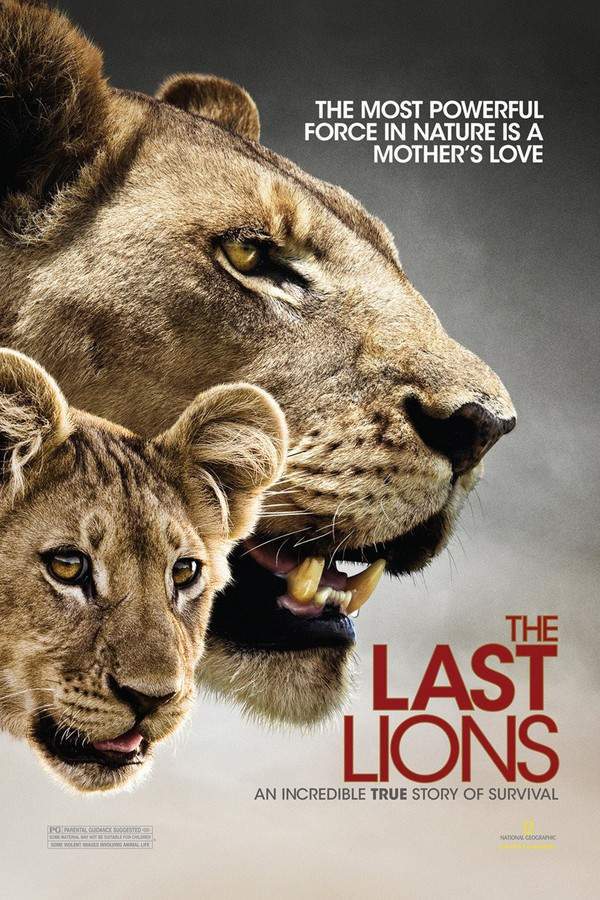
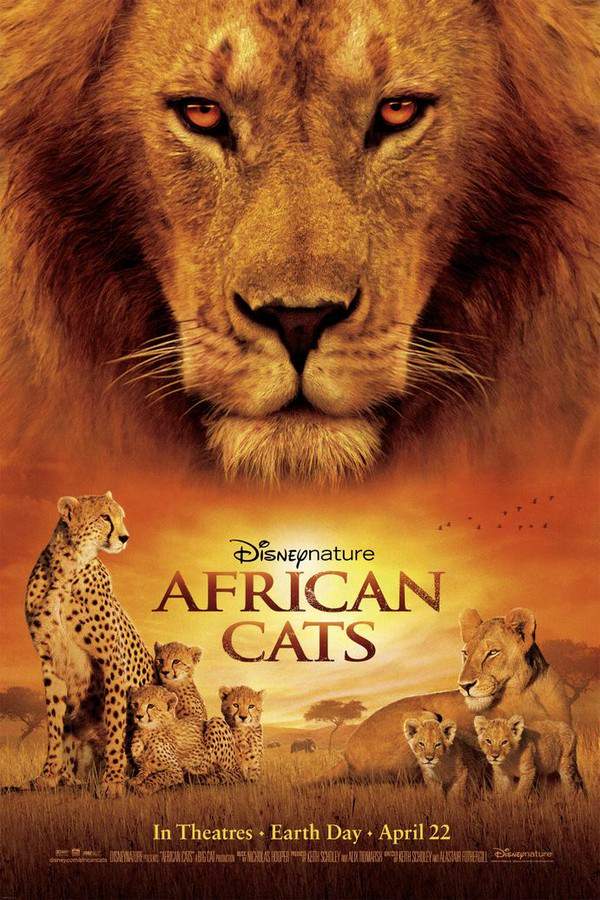
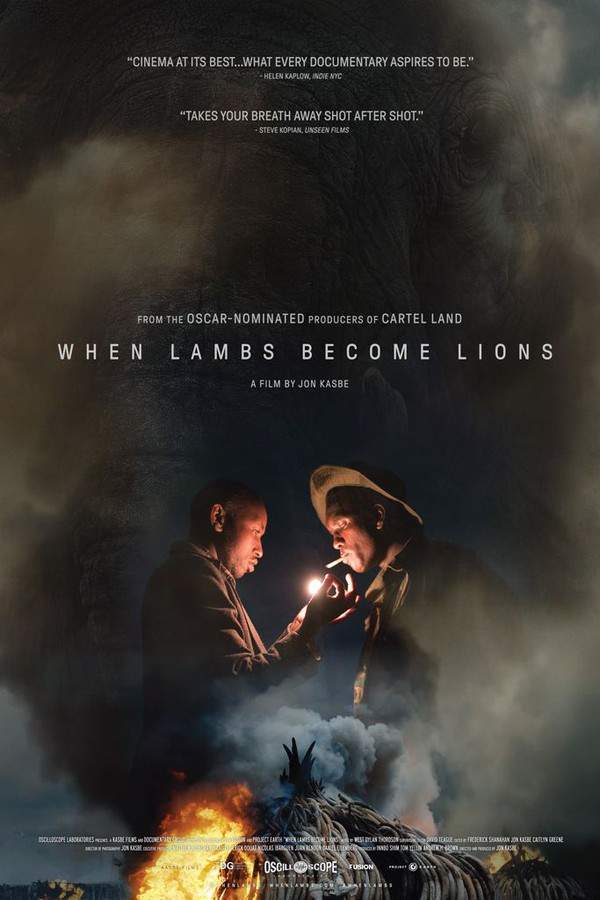
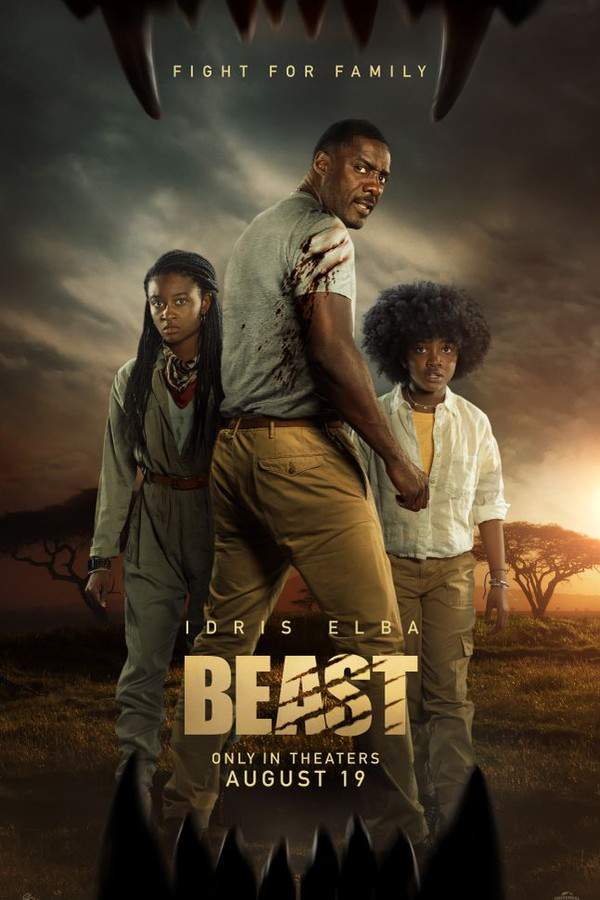
Stories of determined individuals protecting nature against overwhelming odds. If you liked the determined spirit of To Walk with Lions, explore more movies about wildlife conservation. These films share a hopeful yet sobering tone, focusing on the personal sacrifices and urgent battles to protect endangered species and wild spaces from human threats.

  • determined
  • urgent
  • hopeful
  • nature-connected
  • somber
  • purposeful
  • Tone: hopeful, determined, somber
  • Pacing: steady, chronological
Why these movies?

The story pattern: Movies in this thread typically follow a linear timeline, often spanning years, where protagonists confront systemic challenges like poaching and bureaucratic indifference. The central conflict is clear-cut, pitting conservationists against external threats, with the emotional journey centered on resilience, small victories, and the personal cost of dedication.

Why they belong together: They are grouped by their shared focus on environmental activism, a medium-intensity tone balancing hope with somber realities, and a steady pacing that allows for reflection on the importance of the cause. The experience is one of determination in the face of adversity.
Bittersweet journeys of purpose like in To Walk with Lions

Characters discover their calling in life, but the path is paved with sacrifice. Movies like To Walk with Lions share a theme of characters finding their life's calling. If you enjoyed watching a protagonist discover purpose in a difficult but meaningful mission, you'll find similar heartfelt and transformative stories here, often with realistically bittersweet conclusions.

  • hopeful
  • purposeful
  • bittersweet
  • reflective
  • transformative
  • somber
  • Tone: hopeful, bittersweet, reflective
  • Pacing: steady, character-driven
Why these movies?

The story pattern: The narrative follows a character, often a drifter or someone lost, who stumbles upon a purpose that gives their life direction. This new calling provides profound fulfilment but also demands significant sacrifice, leading to a conclusion that celebrates the personal transformation while acknowledging the hardship and unresolved nature of the larger conflict.

Why they belong together: These films are connected by a central character arc of self-discovery through dedication to a cause. They share a mix of hopeful and somber tones, medium emotional weight, and an ending that feels earned but realistically complex, balancing personal victory with broader challenges.

If you liked this

Movies Like To Walk with Lions

Similar movies to To Walk with Lions: the same genre, themes or kind of story. Each one comes with its own plot summary, timeline and ending explained.

Browse all movie summaries

Every angle

To Walk with Lions (1999) Explained: Plot, Timeline & Characters

Everything about To Walk with Lions in one place: what happens in the plot summary, the timeline in chronological order, the characters and meaning and a spoiler-free summary. What's After the Movie adds the cast, box office and post-credit scenes.

Coming soon on iOS and Android

The Plot Explained Movie Summary App

Plot summaries, endings explained and timelines on your phone. Catch up on any movie in minutes, save your favorites and never miss a twist again.

Be the first to know when we launch. Your email stays private, always.

Learn more about the app