The Whale
Year: 2011
Runtime: 89 mins
Language: English
Directors: Michael Parfit, Suzanne Chisholm
Based on the real‑life orca known as Luna, the film follows a young, solitary killer whale who became separated from his pod along the British Columbia coast. He drifts into the narrow, mountainous inlet of Nootka Sound, where he forms an unexpected bond with local residents, illustrating how friendship can transcend species.
Warning: spoilers below!
Haven’t seen The Whale yet? This summary contains major spoilers. Bookmark the page, watch the movie, and come back for the full breakdown. If you're ready, scroll on and relive the story!
Timeline & Setting – The Whale (2011)
Explore the full timeline and setting of The Whale (2011). Follow every major event in chronological order and see how the environment shapes the story, characters, and dramatic tension.
Last Updated: October 04, 2025 at 08:16
Main Characters – The Whale (2011)
Meet the key characters of The Whale (2011), with detailed profiles, motivations, and roles in the plot. Understand their emotional journeys and what they reveal about the film’s deeper themes.
Last Updated: October 04, 2025 at 08:16
Major Themes – The Whale (2011)
Explore the central themes of The Whale (2011), from psychological, social, and emotional dimensions to philosophical messages. Understand what the film is really saying beneath the surface.
Last Updated: October 04, 2025 at 08:16

Explore Movie Threads
Discover curated groups of movies connected by mood, themes, and story style. Browse collections built around emotion, atmosphere, and narrative focus to easily find films that match what you feel like watching right now.
Movies about bittersweet hope and connection like The Whale
Stories where profound isolation gives way to a fragile, healing connection.If you were moved by the fragile hope in The Whale, explore similar movies where characters overcome deep isolation or grief to find a meaningful, redemptive connection. These films share a bittersweet tone and a focus on emotional healing.

Snow Cake
2007
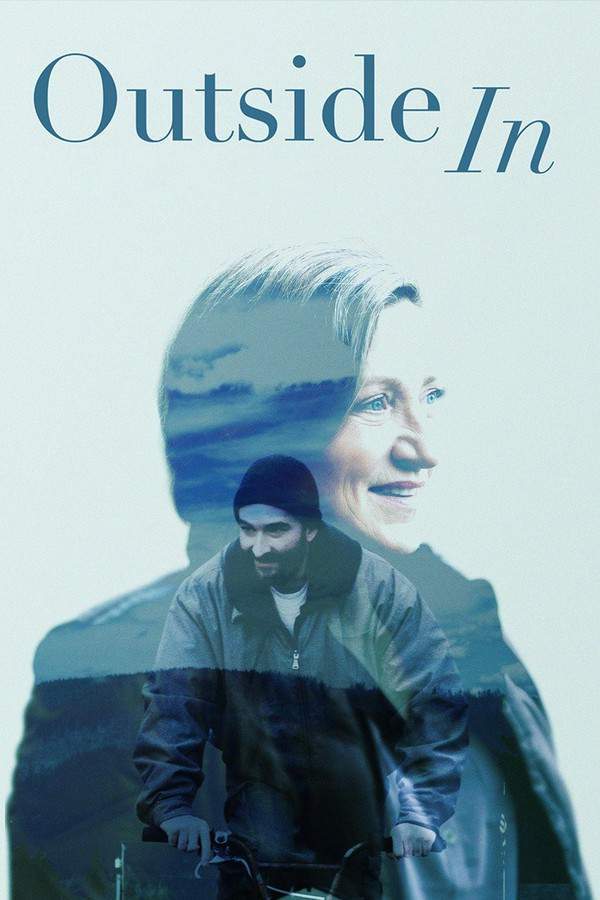
Outside In
2018

Rails & Ties
2007

Things We Lost in the Fire
2007

The Cake Eaters
2009

Aurora Borealis
2006

A Love Song for Bobby Long
2004

A Rumor of Angels
2002
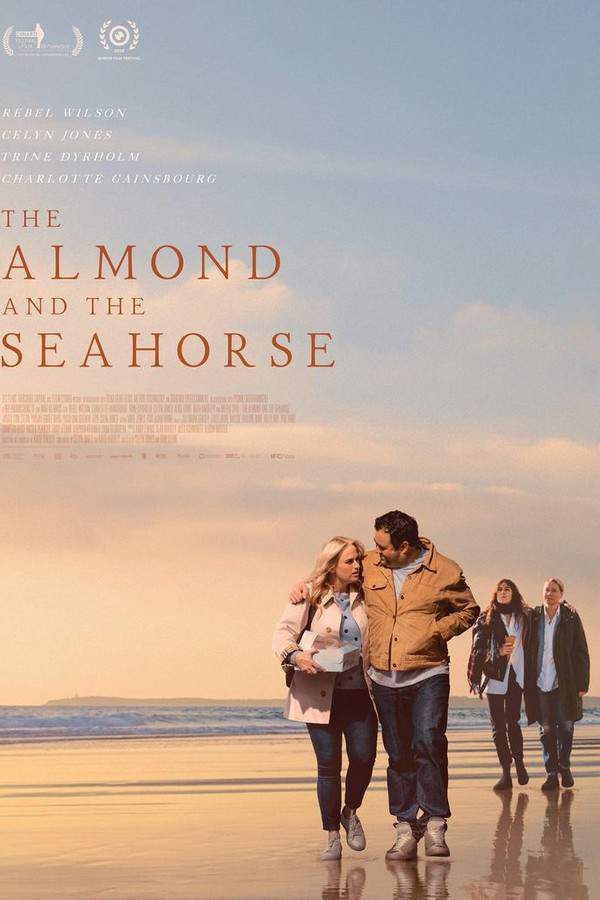
The Almond and the Seahorse
2022

Here
2024
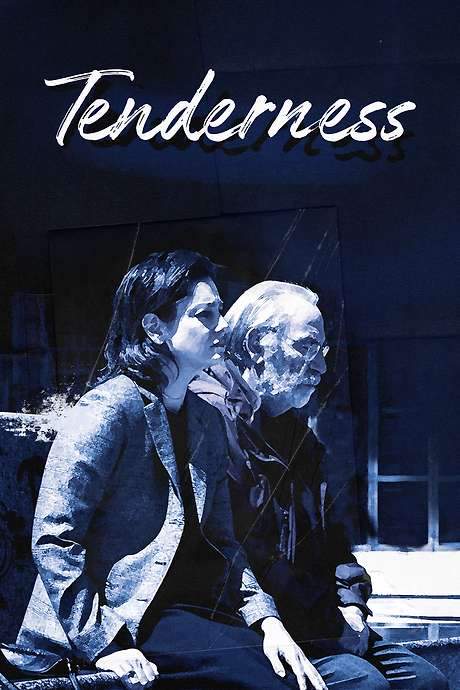
Tenderness
2017

Though None Go with Me
2006

The Great Escaper
2023

A Christmas Tale
2021

Swept from the Sea
1997
Narrative Summary
The narrative pattern follows a character weighed down by loss, regret, or self-loathing, often in a state of physical or emotional confinement. An external force—a person, an animal, or an event—compels them to engage with the world again, leading to a climax that is as much about release as it is about resolution, blending sadness with profound hope.
Why These Movies?
These films are grouped together because they masterfully balance heavy emotional themes with a core of humanistic hope. They share a specific tonal blend of melancholy and redemption, a slow, deliberate pacing that allows emotional weight to build, and a focus on the transformative power of honest connection.
Claustrophobic character studies similar to The Whale
Intimate portraits of characters trapped by their circumstances, body, or mind.For viewers who appreciated the intense, confined focus of The Whale, this section collects other movies that are deep character studies set in limited spaces. These films use their constraints to amplify emotional intensity and explore themes of isolation.

Take Shelter
2011

The Big House
1930
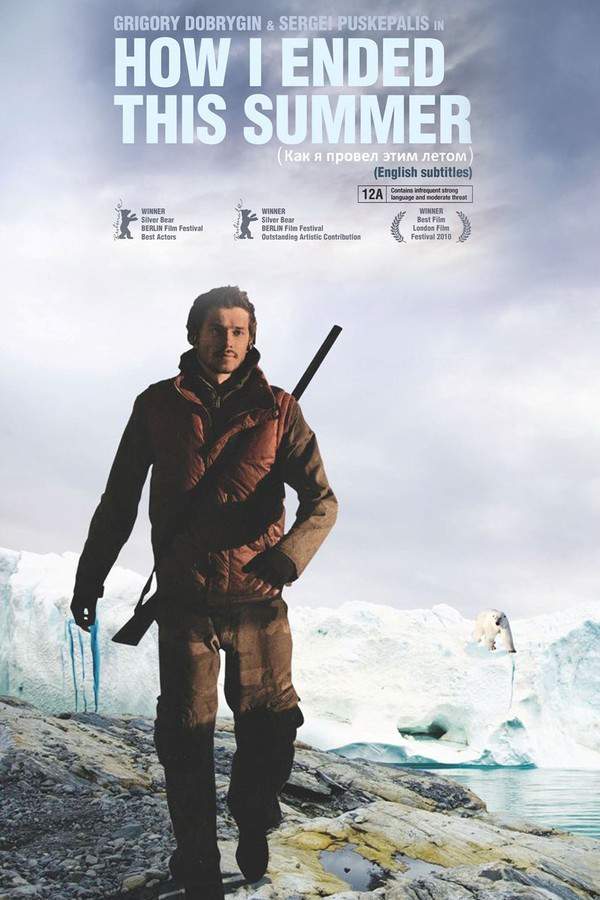
How I Ended This Summer
2011

The Tenant
1976
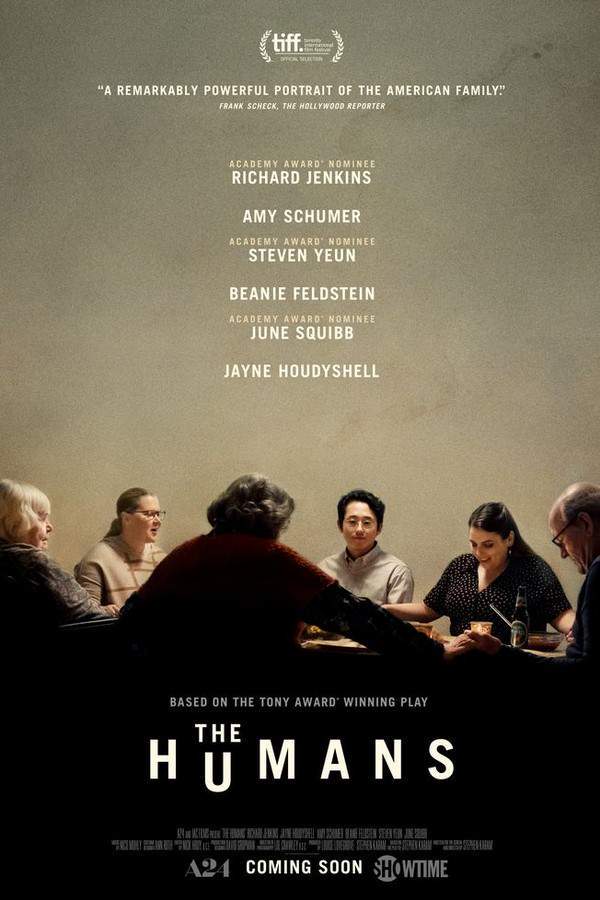
The Humans
2021

Inside
2023

One Hour Photo
2002

No Exit
2022

This House Has People in It
2016

The Hideout
2007

The Attic
1980

Inside Out
1986

Stalker
1979

That Cold Day in the Park
1969

A Quiet Place in the Country
1968
Narrative Summary
These narratives are defined by their limited scope, unfolding primarily in a single location or around a single protagonist. The conflict is largely internal or interpersonal, with the physical or emotional 'trap' serving as a powerful metaphor for the character's state of mind. The story is a slow unraveling of their psyche, leading to a moment of truth or breakthrough.
Why These Movies?
These movies share a specific filmmaking approach: a high degree of intensity achieved through confined settings and unwavering focus on a protagonist. They create a palpable sense of claustrophobia and use a slow pacing to deeply explore heavy themes like grief, addiction, and self-acceptance, making the viewer feel the weight of the character's isolation.
Unlock the Full Story of The Whale
Don't stop at just watching — explore The Whale in full detail. From the complete plot summary and scene-by-scene timeline to character breakdowns, thematic analysis, and a deep dive into the ending — every page helps you truly understand what The Whale is all about. Plus, discover what's next after the movie.
The Whale Summary
Read a complete plot summary of The Whale, including all key story points, character arcs, and turning points. This in-depth recap is ideal for understanding the narrative structure or reviewing what happened in the movie.

The Whale Timeline
Track the full timeline of The Whale with every major event arranged chronologically. Perfect for decoding non-linear storytelling, flashbacks, or parallel narratives with a clear scene-by-scene breakdown.