Plot Explained Spoilers guaranteed!
Plot Explained

Browse by genre

The Threat (1949) movie poster

Timeline

The Threat (1949) Timeline Explained – Every Event in Order

Release, runtime and language
1949 · 66 mins · English
Loading streaming availability…
Directed by
Felix E. Feist
Starring
Charles McGraw, Kenneth Patterson, Julie Bishop, Virginia Grey, Frank Conroy, Michael O'Shea

KILLER IN JAILBREAK on vengeance trail! A violent escaped con and his gang kidnap the police detective and DA who put him behind bars.

On this page (6)
  1. 1 Where to watch
  2. 2 Events in order (13)
  3. 3 Timeline questions answered
  4. 4 Movie threads
  5. 5 Movies like The Threat
  6. 6 Every angle
Loading streaming availability…

13 events in order · contains spoilers

The Threat Timeline: Events in Chronological Order

Every key event of The Threat (1949) in order, scene by scene, with when and where it takes place. Use it to untangle flashbacks, time jumps and parallel storylines, to refresh your memory before the sequel or to find the exact scene you are thinking of.

  1. Kluger announces escape from prison

    A police call informs Detective Ray Williams that Red Kluger has escaped from Folsom Prison, igniting a fresh threat. Ray, nursing a broken rib, is warned to consider a desk job as his coming baby approaches. The news foreshadows the danger that will soon engulf him and his family.

    Where
    Folsom Prison
  2. Ray and Barker MacDonald kidnapped; Carol abducted

    Kluger and his gang ambush Ray Williams just as he is about to leave, kidnapping him. They also seize district attorney Barker MacDonald, and nightclub singer Carol is taken after being suspected of being a rat. The captors make clear their intent to kill both men to exact revenge.

    Where
    Desert road outside town
  3. Tony summoned from Mexico City to aid the escape

    Kluger reveals his plan to have Tony come from Mexico City to Banning to assist with the robbery and provide a getaway plane. He promises Tony a share of the proceeds and safety for the escape route. The arrangement ties the trip across borders to their desert town operation.

    Where
    Mexico City (origin) to Banning
  4. Truck and car loaded for a Palm Springs getaway

    The gang hires Joe Turner to drive a truck and haul a car cargo toward Palm Springs, with Kluger and his henchmen along for the ride. The loaded car contains the captives, setting up the getaway that hinges on a successful departure. The desert transport marks the move from capture to escape.

    Where
    Desert road toward Palm Springs
  5. Hideout: a shack outside Banning

    The group arrives at a shack outside the town of Banning where Ray and MacDonald are restrained in a back room. Kluger waits for Tony while the remaining henchmen keep watch over the captives. The setting tightens the tension as the escape plan proceeds.

    Where
    Shack outside Banning
  6. Ray coerced into giving a false police lead

    Kluger threatens to torture Barker MacDonald to pressure Ray into giving the police a false lead on the radio. Ray complies, hoping to delay pursuit and buy time for a clean getaway. The moment reveals the brutal tactics behind their plan.

    Where
    Back room
  7. Ray signals danger to his wife via radio

    Ray secretly arranges a clue for his wife by asking the police radio operator to tell Ann to pass along regards to their unborn child, Dexter. Ann recalls Ray's earlier remark about naming the baby Dexter only if a gun is pressed to his back. The coded message hints at the peril he faces.

    Where
    Police radio room
  8. Carol slips handcuff keys to the captives

    Carol quietly slips the handcuff keys to Ray and MacDonald in the back room, enabling a potential escape. She remains outwardly loyal to Kluger, but quietly aids the captives when the moment arises. The small act could turn the tide of the confrontation.

    Where
    Back room
  9. Ray and MacDonald overpower the henchmen

    Ray and MacDonald subdue and tie up the other henchmen, then call out to Kluger to come forward. The captives regain some control as tension peaks in the back room. The plan to escape begins to materialize.

    Where
    Back room
  10. Kluger shoots Ray; Ray climbs to the rafters

    Kluger shoots Ray through the door, wounding him in the leg. Ray scrambles up into the rafters above the door, preparing to strike when the moment is right. The standoff intensifies as Tony's plane is spotted overhead.

    Where
    Back room / rafters
  11. Final clash: Kluger is killed by Carol

    Ray corners Kluger as he advances; Kluger overpowers Ray, but Carol grabs the gun and shoots Kluger twice, killing him. Ray gets up, grateful to Carol for the timely intervention. He resolves to deal with Tony and finish the escape plan.

    Where
    Back room
  12. Aftermath and plan for Tony

    With Kluger dead, Ray contemplates how to handle Tony's arrival and the rest of their getaway. The immediate danger eases as relief spreads among the captives, while plans shift toward reunifying with Ann and the unborn child. The unresolved tension remains as the plane looms overhead.

    Where
    Shack vicinity
  13. Ending: Dexter and twins

    The film ends with Ray and Ann discussing the baby's name. Ann reveals that only one child will be named Dexter, because they are expecting twins. The moment closes the loop on the couple's bond amid the peril they endured.

    Where
    Ray and Ann's home

Last updated: October 09, 2025 at 12:36

Was this helpful?

Timeline questions answered

The Threat Timeline Explained: Your Questions Answered

When does it happen, and why in that order? The questions people ask about the chronology of The Threat (1949): time jumps, flashbacks, cause and effect between scenes and the correct order of events, each answered with spoilers.

Q1

Why does Kluger target Detective Ray Williams and District Attorney MacDonald?

Kluger specifically targets Ray Williams and Barker MacDonald because they are the law enforcement figures responsible for putting him in prison. Ray was the detective who tracked him, and MacDonald was the district attorney who prosecuted him. Kluger makes clear from the start that his mission is revenge, he intends to kill both men once he gets far enough away from the area to avoid immediate capture.

  • Red Kluger
  • detective ray williams
  • barker macdonald
  • revenge
  • kidnapping
  • vigilante
Q2

Why is Carol taken by Kluger's gang if she claims she's not a rat?

Carol is abducted because Kluger's gang suspects she betrayed them to the police, possibly working as an informant. Even though she protests her innocence and points to Tony Anzio as the real traitor, Kluger decides to bring her along rather than risk leaving a potential informant behind who could lead authorities to him. She remains under guard throughout the operation.

  • carol
  • nightclub singer
  • kluger gang
  • informant
  • suspicion
Q3

How does Carol manage to pass the handcuff keys to Ray and MacDonald?

While outwardly appearing loyal to Kluger and remaining in the gang's presence, Carol quietly slips the handcuff keys to Ray and MacDonald when she gets access to them in the back room of the shack. She acts subtly enough that the henchmen don't notice, enabling the captives to free themselves and eventually overpower their guards.

Foreshadowing: Carol's initial kidnapping and continued presence among the gang created the opportunity for her to quietly assist the captives despite being suspected of betrayal.

  • carol
  • handcuff keys
  • escape
  • shack
  • back room
Q4

What is the significance of Ray's radio message about Dexter?

Ray cleverly uses a personal code with his wife Ann to signal danger. Earlier in the film, Ray joked that he would only name their baby Dexter if someone held a gun to his back. When forced to give a false police lead on radio, Ray asks the operator to pass regards to their unborn child Dexter, using this pre-arranged code to tell Ann that his life is in grave danger.

Foreshadowing: The film's early domestic scene establishes Ray's joke about naming the baby Dexter only under duress, which becomes the key to his coded distress signal.

  • dexter
  • radio message
  • code
  • ann williams
  • warning
Q5

What is Tony Anzio's role in Kluger's escape plan?

Tony Anzio is brought from Mexico City to provide the critical escape component, a private plane for the getaway. Kluger promises Tony a share of the robbery proceeds in exchange for flying the gang and their hostages out of the country once the job is completed. Tony's plane represents their final escape route once they kill Ray and MacDonald.

Foreshadowing: When Carol points to Tony Anzio as the real rat, it becomes clear he has ulterior motives beyond simple greed, he may have been working with law enforcement.

  • tony anzio
  • mexico city
  • getaway plane
  • escape
  • robbery
Q6

How do Ray and MacDonald manage to overpower the henchmen?

Once Carol passes them the handcuff keys, Ray and MacDonald quietly unlock themselves and subdue the remaining henchmen in the back room, tying them up. They then call out to Kluger, drawing him toward the door. The element of surprise, combined with the keys Carol provided, turns the tide of the captivity.

Foreshadowing: Carol's secret act of passing the keys enables the captives to transform from prisoners into attackers, shifting the power dynamic at the shack.

  • ray williams
  • macdonald
  • henchmen
  • overpower
  • escape
  • shack
Q7

Why does Kluger shoot Ray through the door instead of entering?

When Ray and MacDonald call out to Kluger after freeing themselves, Kluger fires through the door rather than entering blindly. He wounds Ray in the leg, demonstrating his caution and willingness to use lethal force from a distance rather than risk a direct confrontation. This shots wounds Ray but doesn't kill him.

  • kluger
  • shooting
  • door
  • wound
  • leg
  • confrontation
Q8

How is Ray able to continue fighting after being shot in the leg?

Despite being shot in the leg by Kluger through the door, Ray manages to climb up into the rafters above the back-room door. Adrenaline and determination allow him to continue fighting. He uses the high ground to bait Kluger into approaching, ultimately engaging in a physical struggle despite his injury.

  • ray williams
  • leg wound
  • rafters
  • fight
  • injury
  • adrenaline
Q9

Why does Carol ultimately kill Kluger?

When Kluger overpowers Ray during their struggle and is about to finish him off with a chair, Carol grabs the gun and shoots Kluger twice, killing him. Her action appears to be motivated by genuine change of heart, she had quietly helped the captives earlier, and when Ray's life is directly threatened, she chooses to save him rather than remain loyal to Kluger.

Foreshadowing: Carol's earlier decision to pass the handcuff keys signaled her shift away from the gang, making her eventual intervention with the gun a natural progression.

  • carol
  • kluger
  • kill
  • shooting
  • rescue
  • redemption
Q10

What is the significance of the twins at the end of the film?

The ending reveals that Ann is pregnant with twins, explaining why she revealed that only one child will be named Dexter. This closes the loop on the earlier naming joke and Ray's coded radio message about Dexter. The domestic scene provides a happy contrast to the dangerous events they just survived, reinforcing the film's hopeful resolution.

Foreshadowing: Ray's radio reference to Dexter and Ann's earlier discussion about baby names plant the seeds for this reveal in the final scene.

  • twins
  • dexter
  • ending
  • ann
  • ray
  • family
  • baby
  • naming
Q11

How does the truck and car scheme help Kluger's escape?

The gang hires Joe Turner to drive a hired truck, not knowing it contains a car carrying Kluger, his henchmen, Carol, and the two kidnapping victims. This decoy setup allows them to bypass police roadblocks since the vehicles appear legitimate. The loaded car contains the captives, making the transport seem routine while actually facilitating the getaway to the desert hideout.

  • truck
  • car
  • getaway
  • joe turner
  • roadblocks
  • desert
Q12

Why does Kluger force Ray to give a false police lead on the radio?

Kluger forces Ray to give the police a false lead through the radio to buy time and mislead the authorities about their location and direction of escape. By having Ray report a fake lead, Kluger hopes to delay pursuit and give himself a better chance of reaching Tony's plane for the getaway. It's a tactical move to ensure his escape plan succeeds.

  • false lead
  • radio
  • police
  • kluger
  • deception
  • escape

Movie threads

More Movies Like The Threat, by Mood & Story

Curated lists built around what makes The Threat tick: the same mood, the same kind of story or the same emotional payoff. Each list explains why these movies belong together.

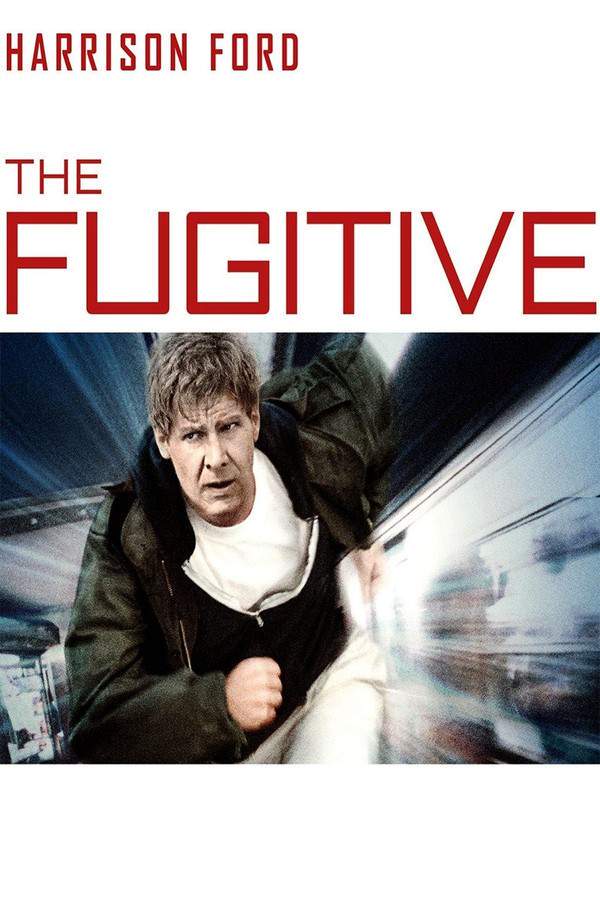
Thrilling Fugitive Hunt Movies like The Threat

Tense cat-and-mouse thrillers where law enforcement races against time to stop a dangerous escapee. If you liked the relentless chase in The Threat, explore more movies where police hunt a dangerous escaped convict. These high-stakes thrillers share a tense, fast-paced vibe, focusing on the urgent race to capture a fugitive before they exact their revenge or commit another crime.

  • urgent
  • tense
  • suspenseful
  • action-packed
  • anxious
  • relentless
  • Tone: tense, urgent
  • Pacing: fast, relentless
Why these movies?

The story pattern: Stories in this thread typically begin with a prison break or a criminal's escape, immediately establishing high stakes. The plot follows a linear, urgent pursuit, often from both the law enforcement and the fugitive's perspectives, building tension through close calls and escalating threats until a decisive, action-oriented climax.

Why they belong together: Movies are grouped here for their shared focus on the fugitive hunt narrative structure, characterized by fast pacing, high tension, and a clear conflict between hunter and prey. They deliver a consistent experience of urgency and suspense centered on pursuit and capture.
Satisfying Crime Thrillers with Hopeful Endings like The Threat

Satisfying thrillers where a dire threat is neutralized, restoring order and providing a clean, hopeful ending. For viewers who enjoyed the harrowing but ultimately hopeful conclusion of The Threat, this list features similar crime stories. These movies deliver intense suspense and danger but conclude with a happy ending where justice is served, offering a cathartic and relieving viewing experience.

  • tense
  • harrowing
  • relieving
  • satisfying
  • hopeful
  • cathartic
  • Tone: tense, relieving
  • Pacing: fast, focused
Why these movies?

The story pattern: The narrative follows a straightforward arc: a serious threat emerges, puts characters in grave danger, and is confronted in a final showdown. The key defining feature is the conclusive, happy ending where the threat is eliminated, providing a strong sense of closure and catharsis without lingering ambiguity or profound sadness.

Why they belong together: These films are united by their specific emotional journey—they take the audience through a wringer of suspense and anxiety but reward them with a clear, positive resolution. The focus is on the satisfying feeling of order restored after chaos, rather than on moral ambiguity or tragedy.

If you liked this

Movies Like The Threat

Similar movies to The Threat: the same genre, themes or kind of story. Each one comes with its own plot summary, timeline and ending explained.

Browse all movie summaries

Every angle

The Threat (1949) Explained: Plot, Timeline & Characters

Everything about The Threat in one place: what happens in the plot summary, the timeline in chronological order, the characters and meaning and a spoiler-free summary. What's After the Movie adds the cast, box office and post-credit scenes.

Coming soon on iOS and Android

The Plot Explained Movie Summary App

Plot summaries, endings explained and timelines on your phone. Catch up on any movie in minutes, save your favorites and never miss a twist again.

Be the first to know when we launch. Your email stays private, always.

Learn more about the app