Plot Explained Spoilers guaranteed!
Plot Explained

Browse by genre

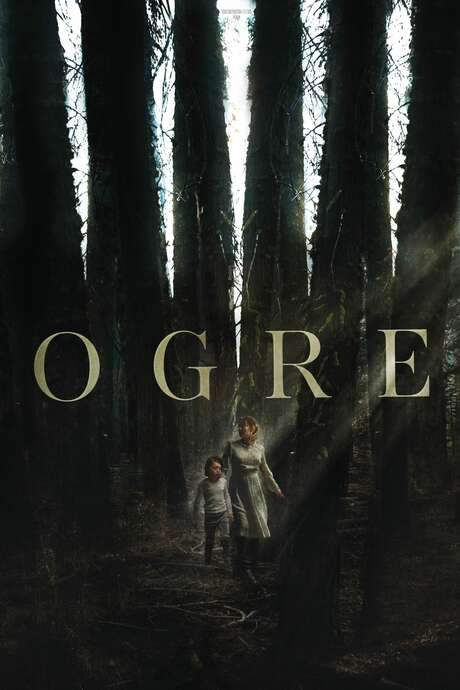
The Ogre (1996) movie poster

Characters & Themes

The Ogre (1996) Characters, Setting & Themes Explained

Release, runtime and language
1996 · 113 mins · German
Directed by
Volker Schlöndorff
Starring
Simon McBurney, John Malkovich, Dieter Laser, Marianne Sägebrecht, Joachim Paul Assböck, Sylvie Huguel

Abel Tiffauges, a simple‑minded French mechanic, is falsely accused of child abuse. When World War II erupts, he is conscripted into the French army, only to be captured early in the conflict. He is transported deep into Nazi Germany, where his naiveté and unjust accusation shape a harrowing wartime ordeal.

On this page (7)
  1. 1 Characters explained (6)
  2. 2 Where & when it takes place
  3. 3 Themes & meaning (3)
  4. 4 Character & meaning questions
  5. 5 Movie threads
  6. 6 Movies like The Ogre
  7. 7 Every angle

6 main characters · contains spoilers

The Ogre Characters Explained: Who Is Who

The main characters of The Ogre (1996), heroes and villains: what drives them, how they change over the course of the story and what each of them reveals about the film's bigger ideas.

  • Abel Tiffauges (John Malkovich)

    A simple Frenchman with a love for animals who becomes entangled in the Nazi machine. His faith in fate and a knack for survival propel him through Parisian life, a POW camp, and the dangerous orbit of Kaltenborn Castle. He is charismatic and morally perceptive, yet becomes complicit as events pull him deeper into complicity and rebellion.

    • 🐾 Animal-lover
    • 🧭 Fate-seeker
    • 🪖 War-time Survivor
  • Frau Netta (Marianne Sägebrecht)

    Castle housekeeper who endures the shifting priorities of the Nazi regime while trying to care for the boys. She presents a pragmatic, protective stance amidst the cruelty of the institution and Abel’s unraveling loyalty. Her resilience anchors the domestic side of the castle’s operation.

    • 👩‍💼 Caretaker
    • 🧭 Moral center
  • Count von Kaltenborn (Armin Mueller-Stahl)

    Owner of Kaltenborn Castle and a key figure in the plot against Hitler. He embodies aristocratic ambition and the capacity for treachery; ultimately he vanishes from the narrative as the regime collapses. His presence reveals the fragility of the Nazi elite when faced with moral and political exposure.

    • 🏰 Aristocrat
    • 🧪 Dual-natured
  • Obersturmbannführer Raufeisen (Heino Ferch)

    A ruthless SS officer who recruits Abel and embodies the regime’s coercive power. His pragmatic manner can switch between charm and brutality, illustrating how the state weaponizes personal authority. He remains a looming threat through the castle’s political games.

    • 🗡️ Officer
    • 🪖 Brutality
  • Chief Forester (Gottfried John)

    Initially hosts Abel at the hunting lodge and looks after the estate’s animals. His departure from the camp and subsequent arrangements illuminate the regime’s seamless blend of privilege and cruelty. He acts as an intermediary who redirects Abel’s fate.

    • 🌲 Caretaker
    • 🧭 Bystander-turned-instrument
  • Ephraim

    played by Ilja Smoljanski

    A boy found badly wounded under a pile of dead bodies; Abel hides him and becomes involved in helping another child survive. Ephraim’s presence embodies the consequences of war and the human cost beneath the regime’s propaganda.

    • 👶 Child
    • 🩹 Survivor

Last updated: October 04, 2025 at 19:13

Was this helpful?

Setting

Where and When Does The Ogre Take Place?

The setting of The Ogre (1996): the year and time period, the places and locations, and how they shape the characters, the mood and the tension of the story.

Time period

World War II, 1940s

The action begins with the fall of France in 1940, sending Abel into conscription and military service. The narrative then shifts to East Prussia, where the war’s momentum pushes the regime to rely on coercion and control. As the Red Army advances and the war turns, the fortress and its inhabitants face imminent collapse.

Location

Paris, East Prussia, Kaltenborn Castle, Hunting Lodge, Forest

Set largely in Paris before the war and the desolate landscapes of East Prussia, the story moves between a hunting lodge in the forest and Kaltenborn Castle, a Nazi boys’ academy. The moose nicknamed 'The Ogre' and Abel’s work with the animals anchor the natural world in the narrative, while the castle grounds and lodge become stages for coercion and indoctrination. These locations together frame the war’s reach into everyday life.

  • 🗺️ Paris
  • 🌲 Forest
  • 🏰 Kaltenborn Castle
  • 🪖 POW Camp

Last updated: October 04, 2025 at 19:13

Was this helpful?

3 major themes

The Ogre Meaning: Themes & Message Explained

What is The Ogre (1996) really about? The emotional, social and philosophical themes the film keeps returning to, its symbolism and the message beneath the surface.

  • Power and Authority

    The film exposes how totalitarian power distorts morality and elevates violence as virtue. Figures like Göring and Kaltenborn symbolize a regime that justifies brutality to maintain control. The castle staff’s control over the boys shows how indoctrination can be used to manufacture obedience. The destruction of Kaltenborn Castle at the end reveals the fragility of such authority.

  • Innocence and Exploitation

    Abel’s love for animals and his compassionate self contrast with his role in recruiting boys for the Nazi academy. The pamphlets warning of 'The Ogre' demonstrate how trust is weaponized to isolate and manipulate youth. The narrative questions whether Abel’s actions are born of loyalty, manipulation, or moral awakening within a system built on exploitation.

  • Fate and Belief

    Abel clings to a belief that fate protects him after surviving an arson. He confronts the regime's lies as the war worsens and reality intrudes. The motif of Saint Christopher frames a counter-narrative of protection against violence. The closing escape with Ephraim offers a glimmer of mercy amid devastation.

Last updated: October 04, 2025 at 19:13

Was this helpful?

Character & theme questions

The Ogre Characters & Meaning: Your Questions Answered

The questions people ask about The Ogre (1996): who the characters really are, their relationships, what the symbols mean, where it takes place and what the movie is really about. Each answer contains spoilers.

Q1

Where is The Ogre set?

The film takes place primarily in Paris before World War II and in East Prussia, where Abel is transported after being captured. Key locations include a hunting lodge in the forest, Kaltenborn Castle (a Nazi boys' academy), and the surrounding East Prussian landscapes.

  • paris
  • east prussia
  • kaltenborn castle
  • setting
  • locations
Q2

What time period does The Ogre take place in?

The story begins during the fall of France in 1940 and follows Abel through the war years in Nazi Germany. The narrative unfolds as the regime tightens its control, culminating with the Red Army's advance and the collapse of the Nazi system.

  • world war ii
  • 1940s
  • fall of france
  • time period
  • historical
Q3

What is Kaltenborn Castle in the film?

Kaltenborn Castle is an aristocratic estate in East Prussia that serves as a Nazi boys' academy. It functions as a tool for indoctrinating youth under the guise of education, where staff exercise control over the boys to manufacture obedience for the regime.

  • kaltenborn castle
  • boys academy
  • indoctrination
  • Nazi regime
Q4

What are the main themes of The Ogre?

The film explores three major themes: Power and Authority, showing how totalitarian regimes distort morality; Innocence and Exploitation, examining how trust is weaponized to manipulate youth; and Fate and Belief, following Abel's conviction that destiny protects him despite the horrors around him.

  • power
  • authority
  • innocence
  • exploitation
  • fate
  • belief
  • themes
Q5

How does The Ogre explore power and authority?

The film shows how totalitarian power elevates violence as virtue through characters like Göring and Count von Kaltenborn. The castle staff's control over the boys demonstrates how indoctrination manufactures obedience. The destruction of Kaltenborn Castle at the end reveals the fragility of such authority when faced with collapse.

Foreshadowing: The regime's control is established early through the academy structure

  • totalitarian
  • violence
  • control
  • indoctrination
  • kaltenborn
  • regime
Q6

What does the Innocence and Exploitation theme mean in The Ogre?

Abel's love for animals and compassionate nature contrasts sharply with his role recruiting boys for the Nazi academy. The pamphlets warning of 'The Ogre' show how trust is weaponized to isolate and manipulate youth. The film questions whether Abel acts from loyalty, manipulation, or moral awakening within a system built on exploitation.

  • innocence
  • exploitation
  • children
  • manipulation
  • abel
  • recruitment
Q7

Who is Abel Tiffauges?

Abel Tiffauges is a simple Frenchman with a deep love for animals who becomes entangled in the Nazi machine. Wrongfully accused of child abuse before the war, he is conscripted and captured early in the conflict. His faith in fate and survival instincts propel him through Paris, a POW camp, and Kaltenborn Castle, where he becomes increasingly complicit yet also finds opportunities for rebellion.

  • abel tiffauges
  • protagonist
  • mechanic
  • fate
  • survival
Q8

Who is Count von Kaltenborn?

Count von Kaltenborn is the aristocratic owner of Kaltenborn Castle and a key figure in a plot against Hitler. He embodies the capacity for treachery within the Nazi elite, using his position to navigate the regime's politics. As the regime collapses, he vanishes from the narrative, revealing the fragility of the Nazi aristocracy when faced with moral and political exposure.

  • count von kaltenborn
  • aristocrat
  • plot against hitler
  • castle owner
Q9

Who is Frau Netta?

Frau Netta is the castle housekeeper at Kaltenborn, played by Marianne Sägebrecht. She endures the shifting priorities of the Nazi regime while trying to protect the boys in her care. Her pragmatic, protective stance represents the domestic dimension of the castle's operation amid institutional cruelty and Abel's unraveling loyalty.

  • frau netta
  • housekeeper
  • protective
  • castle
Q10

What role does Ephraim play in The Ogre?

Ephraim is a boy found badly wounded under a pile of dead bodies. Abel hides him and becomes involved in helping another child survive. Ephraim's presence embodies the human cost of war beneath the regime's propaganda, representing the innocent victims that Abel's actions ultimately affect.

Foreshadowing: Abel's connection to children is established from the start

  • ephraim
  • boy
  • child victim
  • war cost
Q11

What is Abel's belief in fate in The Ogre?

Abel clings to the belief that fate protects him after surviving an arson attack before the war. This conviction sustains him through the Nazi system as he confronts the regime's lies and worsening reality. The Saint Christopher motif provides a counter-narrative of protection against violence, culminating in his escape with Ephraim as a glimmer of mercy amid devastation.

Foreshadowing: Abel's survival from the arson establishes his belief early

  • fate
  • saint christopher
  • belief
  • survival
  • protection
Q12

What is the tone of The Ogre?

The film has a predominantly dark tone, underscored by themes of manipulation and slaughter. However, a melancholic, reflective quality tempers it from being purely bleak. The narrative carries heavy emotional weight driven by wrongful conviction, the exploitation of children, and the overwhelming brutality of war, though the ending offers a bittersweet, pyrrhic salvation.

  • tone
  • dark
  • bittersweet
  • war
  • emotional weight
  • brutal

Movie threads

More Movies Like The Ogre, by Mood & Story

Curated lists built around what makes The Ogre tick: the same mood, the same kind of story or the same emotional payoff. Each list explains why these movies belong together.

Movies about naive protagonists corrupted by war like The Ogre

Simple souls exploited and crushed by terrible historical forces. If you were captivated by Abel's story in The Ogre, these movies feature similar journeys of innocent characters whose simplistic worldview is shattered by historical brutality. They explore themes of exploitation and the tragic collision of naivety with dark, unforgiving realities.

  • tragic
  • fatalistic
  • somber
  • grim
  • anxious
  • oppressive
  • Tone: dark, tragic, melancholic
  • Pacing: steady, methodical descent
Why these movies?

The story pattern: The narrative typically follows a linear path where a well-meaning but simple protagonist is swept into a larger, violent conflict or ideology. Their initial misinterpretation of events as fate or good fortune gives way to a harrowing realization of their role in a terrible machine, leading to a crisis of conscience and a costly survival.

Why they belong together: Movies in this thread share a core character archetype—the innocent—and a narrative structure focused on their disillusionment. They are united by a heavy emotional weight, a dark tone, and themes of manipulation, creating a specific, devastating viewing experience.


Movies about a steady moral collapse like The Ogre

Methodical journeys where characters become complicit in atrocity. For viewers who appreciated the grim moral journey in The Ogre, this thread gathers films that explore a character's gradual slide into complicity. These stories feature a steady pacing, high emotional intensity, and a focus on the psychological toll of participating in a corrupt and violent world.

  • grim
  • oppressive
  • fatalistic
  • somber
  • anxious
  • psychological
  • Tone: dark, grim, psychologically complex
  • Pacing: steady, deliberate, unfolding tragedy
Why these movies?

The story pattern: The plot unfolds with a steady, relentless pace, following a character who, often through a desire for survival or belonging, makes a series of small compromises. These choices slowly erode their moral foundation, leading them to participate in or enable acts they once would have condemned, resulting in a bittersweet or bleak reckoning.

Why they belong together: This thread groups films based on a shared narrative arc of moral decay and a consistent mood of grim inevitability. They are connected by their steady pacing, high intensity, dark tone, and focus on the psychological unraveling of a character caught in an inescapable ethical nightmare.

If you liked this

Movies Like The Ogre

Similar movies to The Ogre: the same genre, themes or kind of story. Each one comes with its own plot summary, timeline and ending explained.

Browse all movie summaries

Every angle

The Ogre (1996) Explained: Plot, Timeline & Characters

Everything about The Ogre in one place: what happens in the plot summary, the timeline in chronological order, the characters and meaning and a spoiler-free summary. What's After the Movie adds the cast, box office and post-credit scenes.

Coming soon on iOS and Android

The Plot Explained Movie Summary App

Plot summaries, endings explained and timelines on your phone. Catch up on any movie in minutes, save your favorites and never miss a twist again.

Be the first to know when we launch. Your email stays private, always.

Learn more about the app