
The Dutchman
A successful businessman finds his life spiraling as his marriage falters and he struggles with his sense of self. His turmoil deepens when he crosses paths with an enigmatic white woman on a New York subway, leading him into a complex and unsettling psychological game. The encounter challenges his perceptions and forces him to confront uncomfortable truths about himself and the world around him.
Warning: spoilers below!
Haven’t seen The Dutchman yet? This summary contains major spoilers. Bookmark the page, watch the movie, and come back for the full breakdown. If you're ready, scroll on and relive the story!
Timeline & Setting – The Dutchman (2025)
Explore the full timeline and setting of The Dutchman (2025). Follow every major event in chronological order and see how the environment shapes the story, characters, and dramatic tension.
Last updated: August 28, 2026 at 07:33
Main Characters – The Dutchman (2025)
Meet the key characters of The Dutchman (2025), with detailed profiles, motivations, and roles in the plot. Understand their emotional journeys and what they reveal about the film’s deeper themes.
Last updated: August 28, 2026 at 07:33
Major Themes – The Dutchman (2025)
Explore the central themes of The Dutchman (2025), from psychological, social, and emotional dimensions to philosophical messages. Understand what the film is really saying beneath the surface.
Last updated: August 28, 2026 at 07:33
The Dutchman (2025) Character & Theme Questions Answered – Info FAQ
Browse frequently asked questions about The Dutchman (2025) focused on characters, relationships, themes, symbols, setting, and story context. This movie info FAQ gives spoiler-aware explanations for character arcs, world details, and thematic interpretation so readers can better understand what the film is really about.
Where is the movie set?
The Dutchman takes place in New York City, primarily inside a crowded subway car, in a Harlem apartment, and at a social gathering. These dense urban spaces act as arenas where racial tension and power dynamics between the characters are put on display.
What time period is the story set in?
The story unfolds in a contemporary urban milieu shaped by smartphones and 21st-century social dynamics. While it adapts a 1960s play, the film updates the setting to the late 2010s through the present, where modern media culture and surveillance inform how suspicion and evidence unfold.
Is the film based on a play?
Yes, The Dutchman adapts Amiri Baraka's 1964 play of the same name into a feature-length psychological thriller. It preserves the original's confrontational structure while expanding the world and layering in surreal, magical realist elements.
What is the main theme of the movie?
The central theme is how racial prejudice and desire function as performances layered onto everyday encounters. Through a metaphorical theater conceit, the film makes inner bias audible and visible, forcing the protagonist to confront the scripts others impose on his identity.
How does the movie explore racism?
Racism threads through every interaction in The Dutchman, from casual remarks at a party to an aggressive policing scene on the subway. The film exposes how prejudice shapes perception and action, and how Black characters are pressured to perform, defend, or negotiate their identity within hostile social spaces.
What does the "performance" theme mean in this context?
In The Dutchman, performance refers to the way racial tension and attraction play out like scripted scenes, with characters both enacting and critiquing racism through their behavior. The magical theater conceit blurs fiction and reality, turning private thoughts into visible scenes that expose inner bias.
Who is Clay in the movie?
Clay is a successful Black businessman whose composure unravels after a charged encounter with a stranger on a New York subway. He anchors The Dutchman as its central figure, caught between manipulation, suspicion, and an existential struggle to assert his identity within a racially hostile environment.
Who is Lula in the movie?
Lula is a provocative white woman who initiates an unsettling confrontation with Clay on the subway. She uses charm laced with increasingly hostile insinuations to test his composure, embodying the volatility of desire and racial power that drives the film's central tension.
What role does the subway play in the story?
The subway car functions as a claustrophobic, inescapable stage where the film's central confrontation unfolds. Its enclosed space strips Clay of privacy and amplifies racial tension, turning an ordinary commute into a confined arena for psychological warfare and identity crisis.
What kind of thriller is this?
The Dutchman is a psychological thriller built around race, identity, and existential confrontation rather than action or crime. Its intensity comes from dialogue-heavy exchanges, racial hostility, and the surreal blurring of theater and reality, producing a dark and philosophically charged experience.
Who is Kaya in the movie?
Kaya is Clay's wife, whose presence anchors the film's exploration of marriage, temptation, and broken trust. Her behavior at a party and beyond reveals the fragility of domestic loyalty and the personal cost of the pressures pulling Clay's world apart.
Who is Amiri Baraka in the film?
Amiri Baraka appears in The Dutchman as a guiding, philosophical presence who speaks to Clay from inside the metaphorical theater. He offers blunt counsel that frames Clay's choices as a test of endurance against oppression, linking the film's vision directly to Baraka's own literary legacy.

Explore Movie Threads
Discover curated groups of movies connected by mood, themes, and story style. Browse collections built around emotion, atmosphere, and narrative focus to easily find films that match what you feel like watching right now.
Psychological stranger encounters like in The Dutchman
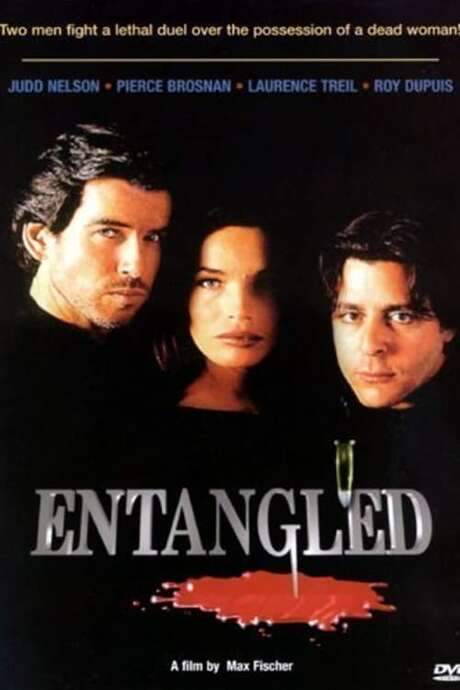
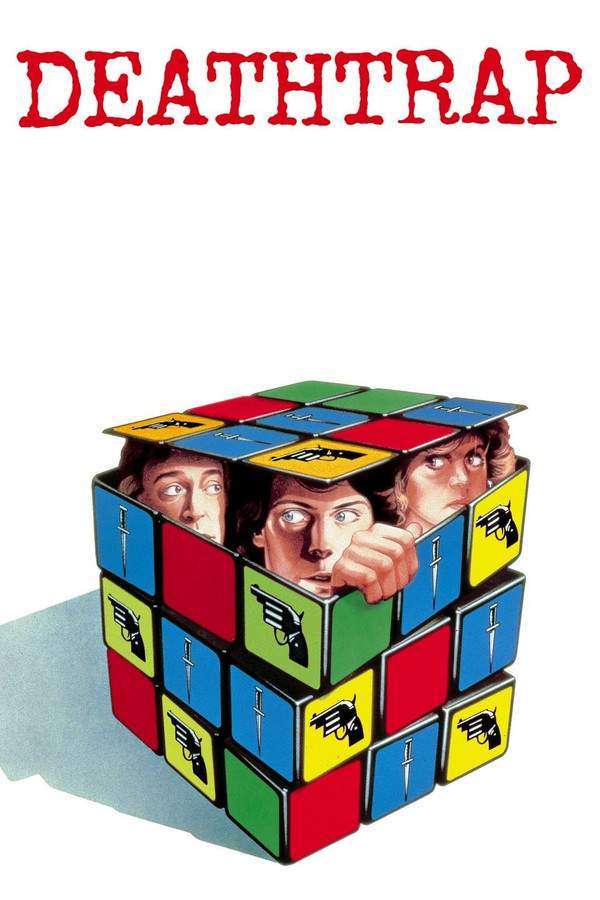
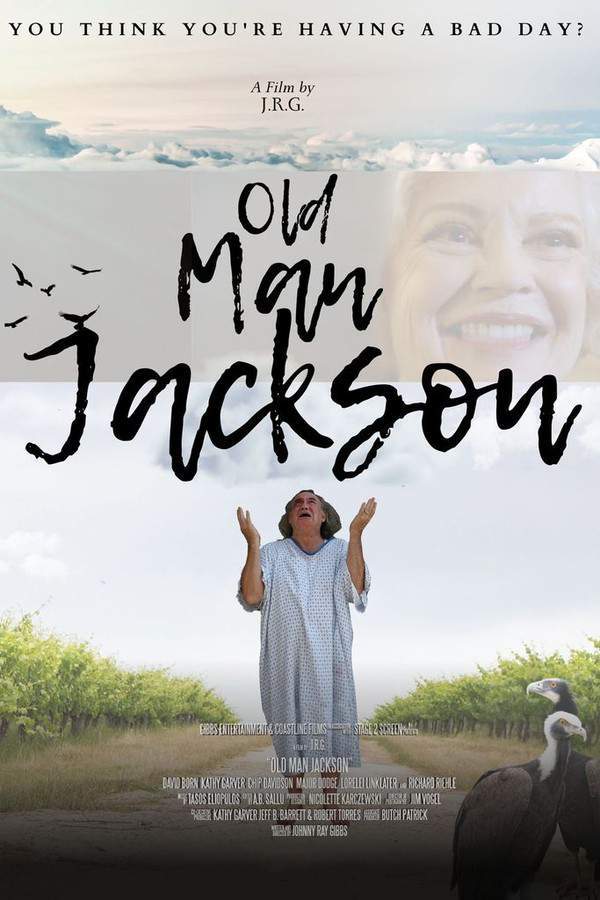
A chance meeting on a train becomes a psychological pressure cooker that strips a man to his core.If you loved the claustrophobic subway cat-and-mouse game in The Dutchman, discover more movies like The Dutchman where a single charged encounter with a stranger spirals into a devastating psychological duel. These tense, dark thrillers use confined spaces, manipulation, and identity warfare to deliver heavy, complex storytelling with surreal edges.
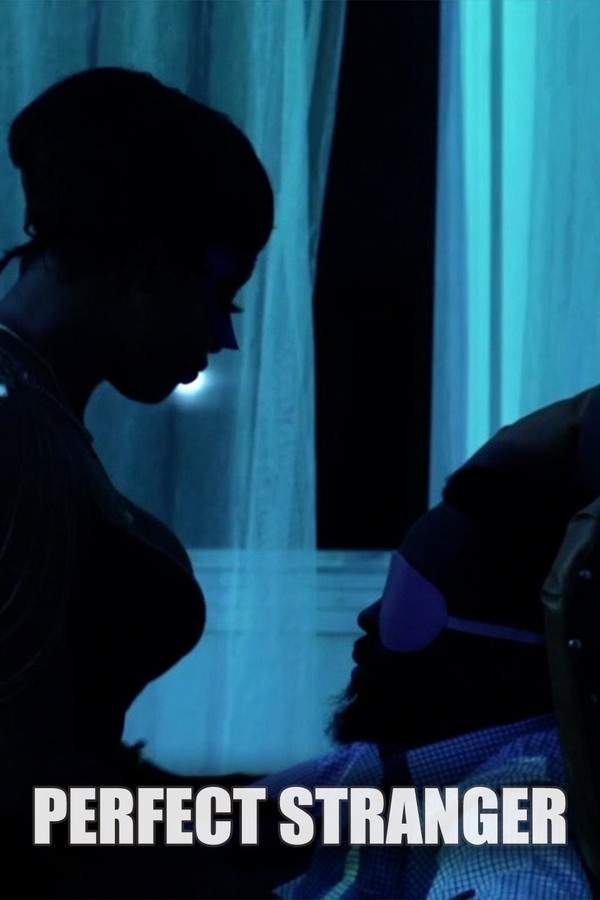

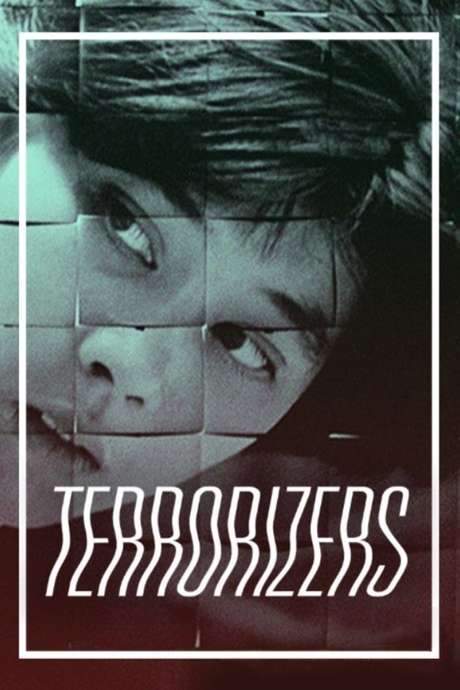



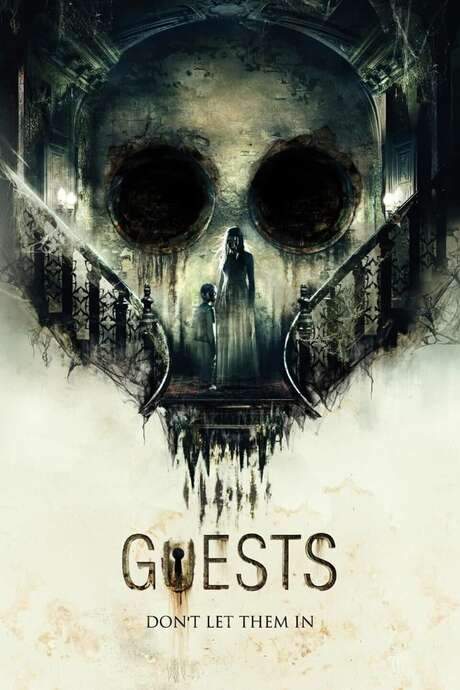
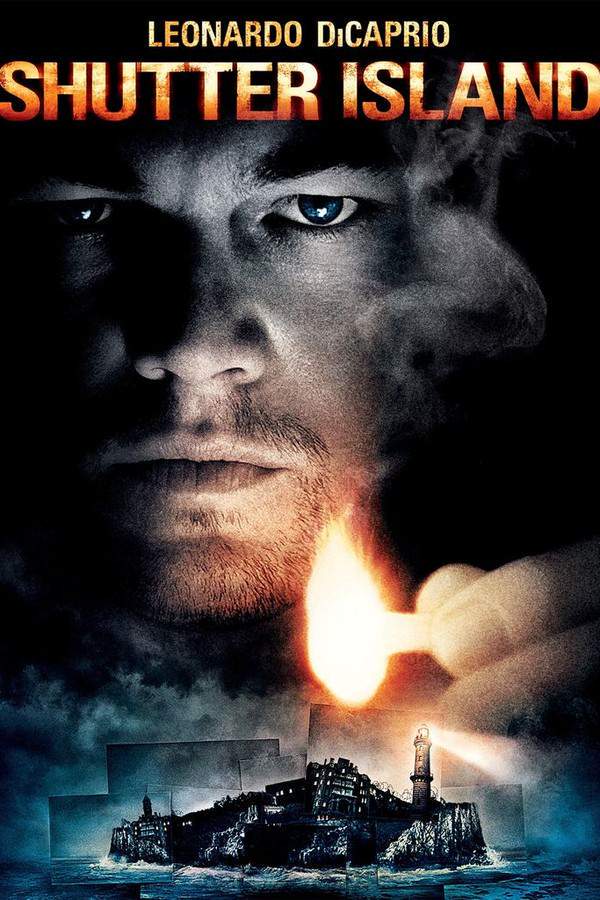



Narrative Summary
A seemingly ordinary protagonist is drawn into conversation with a charismatic but dangerous stranger in a confined public space. What begins as flirtation, provocation, or philosophical sparring escalates into psychological warfare, with the stranger peeling back the protagonist's carefully constructed self. Reality bends, hallucinations or symbolic interludes intrude, and the protagonist is forced to commit a violent or self-revealing act. The story often circles back to the protagonist's partner, leaving a reconciliation that feels both earned and permanently scarred.
Why These Movies?
They share a pressure-cooker structure: one encounter, one liminal space, one destabilizing antagonist. Tone is consistently dark and confrontational, with variable pacing that alternates between long dialogue exchanges and sudden bursts of surreal violence. Emotional weight runs heavy, and endings tend to be bittersweet rather than triumphant, reflecting damage rather than victory.
Bittersweet identity reckonings like in The Dutchman
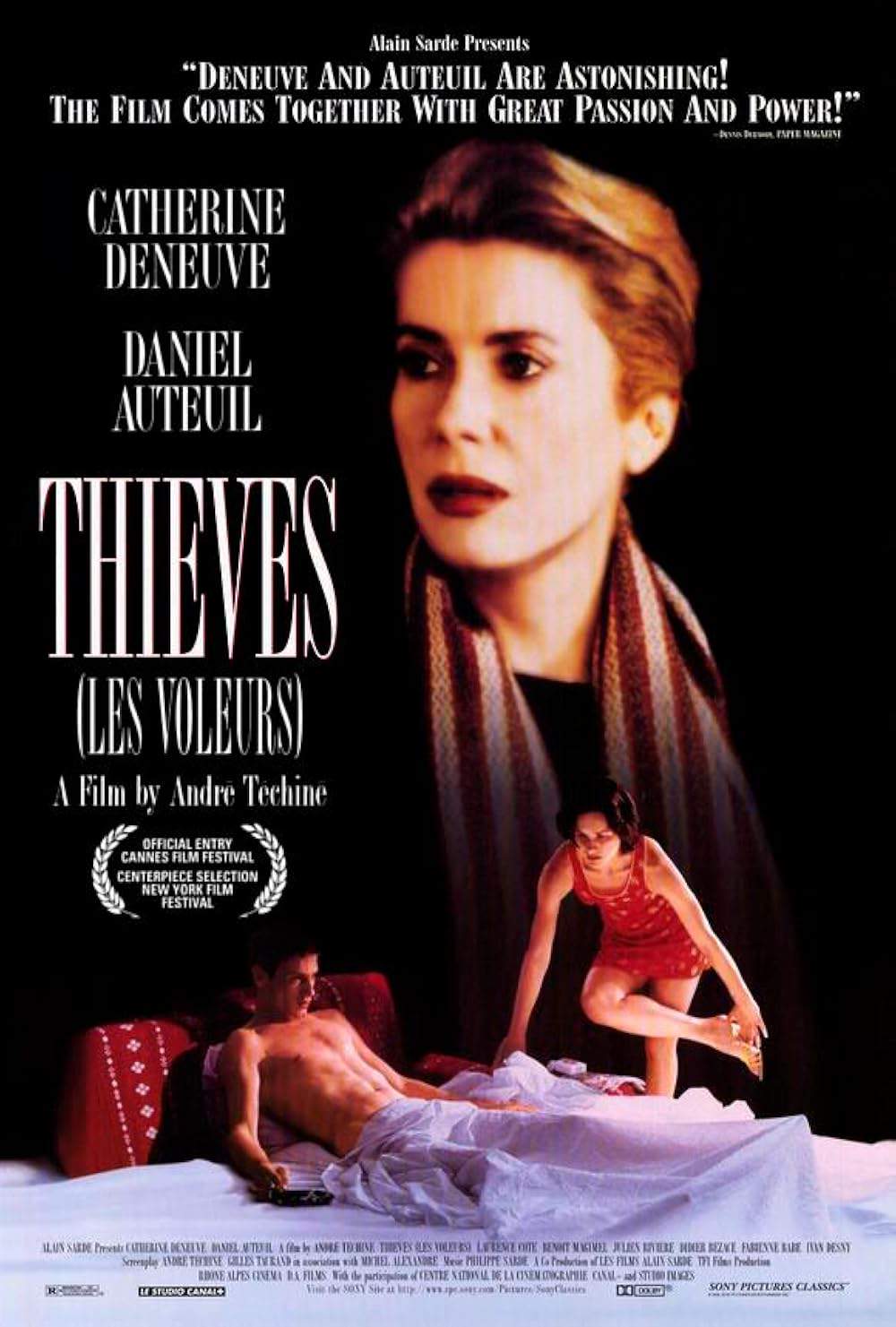
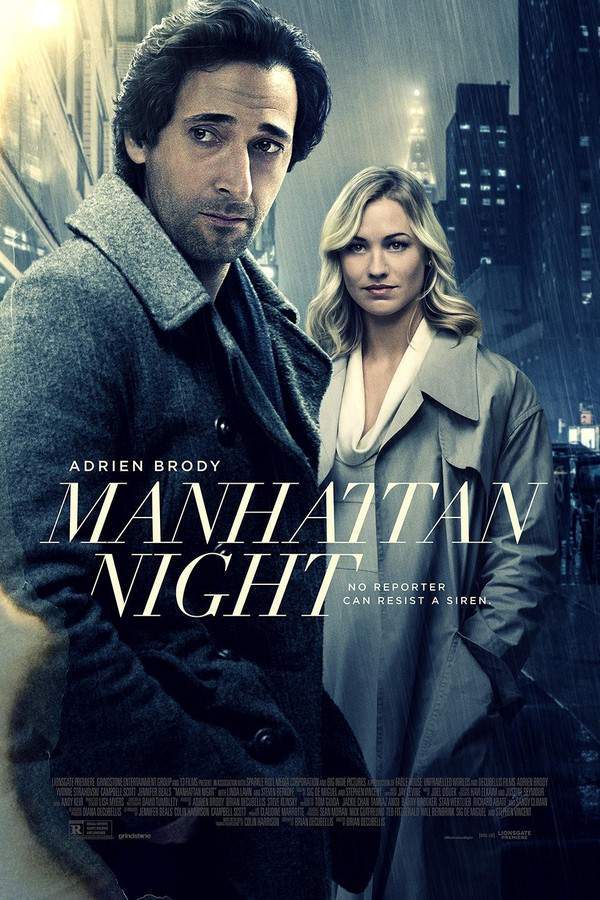
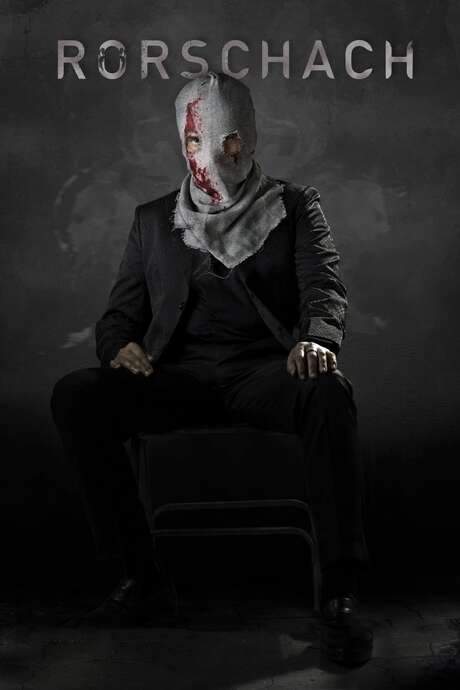
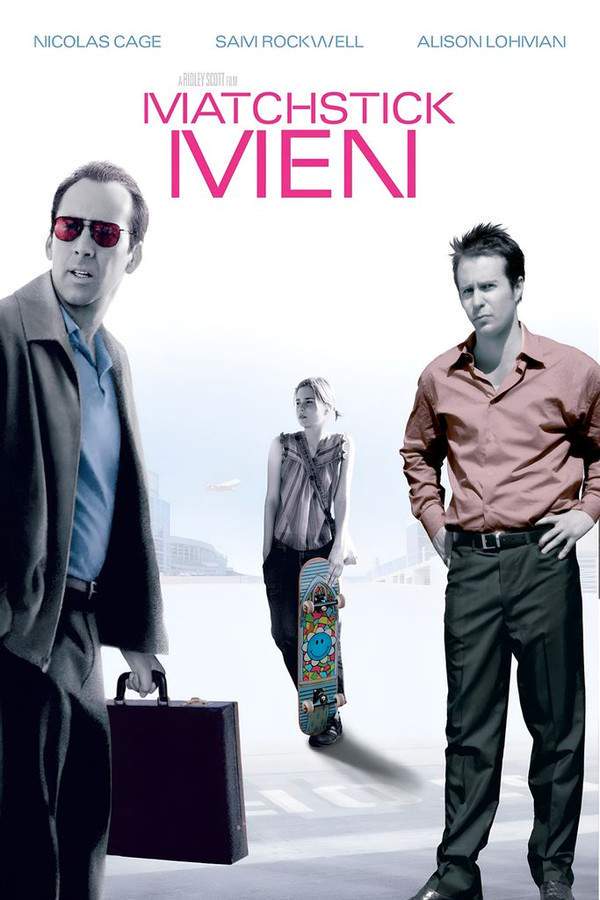
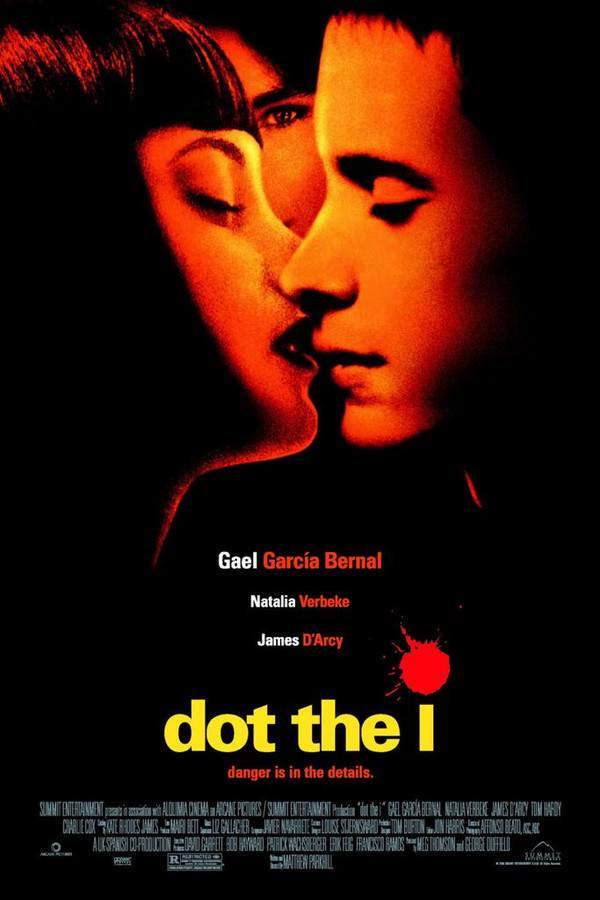
Stories where a comfortable life cracks open and forces a devastating confrontation with identity.Looking for movies like The Dutchman that dig deep into identity crisis, racial tension, and marital strain? These heavy, complex dramas follow outwardly successful protagonists whose worlds collapse under the pressure of suppressed truths, offering bittersweet endings rather than easy answers.










Narrative Summary
An outwardly settled protagonist—often a professional with a marriage under quiet strain—encounters a force that names what they have refused to name about themselves. The catalyst may be a stranger, a memory, or a systemic reality they have been able to ignore. Scenes of psychological torment, infidelity, and racial or social hostility compound until the protagonist is forced into a violent or symbolic act of self-confrontation. The final beat pairs damage with a slim, hard-won reprieve: a partner waiting in sunlight, a fragile apology, a life resumed but unmistakably scarred.
Why These Movies?
They are bound together by theme more than plot: identity in conflict with the world the protagonist has built, the cost of assimilation or denial, and the violence required to finally look inward. Tone is dark and heavy, pacing varies between confrontational dialogue and reflective stillness, and endings lean bittersweet. Many draw from literary or theatrical source material, lending them a layered, philosophical quality.
Unlock the Full Story of The Dutchman
Don't stop at just watching - explore The Dutchman in full detail. From the complete plot summary and scene-by-scene timeline to character breakdowns, thematic analysis, and a deep dive into the ending - every page helps you truly understand what The Dutchman is all about. Plus, discover what's next after the movie.
The Dutchman Summary
Read a complete plot summary of The Dutchman, including all key story points, character arcs, and turning points. This in-depth recap is ideal for understanding the narrative structure or reviewing what happened in the movie.

The Dutchman Timeline
Track the full timeline of The Dutchman with every major event arranged chronologically. Perfect for decoding non-linear storytelling, flashbacks, or parallel narratives with a clear scene-by-scene breakdown.


