
The Dutchman
A successful businessman finds his life spiraling as his marriage falters and he struggles with his sense of self. His turmoil deepens when he crosses paths with an enigmatic white woman on a New York subway, leading him into a complex and unsettling psychological game. The encounter challenges his perceptions and forces him to confront uncomfortable truths about himself and the world around him.
Warning: spoilers below!
Haven’t seen The Dutchman yet? This summary contains major spoilers. Bookmark the page, watch the movie, and come back for the full breakdown. If you're ready, scroll on and relive the story!
The Dutchman (2025) – Full Plot Summary & Ending Explained
Read the complete plot breakdown of The Dutchman (2025), including all key story events, major twists, and the ending explained in detail. Discover what really happened, and what it all means.
In New York City, the writer Dr. Amiri Baraka gives Clay a copy of his provocative play Dutchman, suggesting that understanding struggle can unlock freedom. As Warren speaks with him on the phone while Clay steps onto the subway, a magical theater model from Amiri whisks him into a realm where racism appears more overt and personal. The narrative echoes the play’s core themes, but reimagines them across fresh urban settings and encounters.
At the next station, Lula stares him down, boards the car, and starts a tense conversation. Clay remains unsure whether her statements are true, including her guess that he has a friend named Warren who looks like him. Lula invites herself to the party he’s attending, and they leave together for her apartment, where she seduces him.
After their night together, Clay notices the same theater model in Lula’s apartment that he had seen earlier at Amiri’s place. The mood shifts into bitterness as they argue; when he tries to walk away, she screams loudly enough for the neighbors to hear. She even threatens to use the condom’s contents to accuse him of rape if he doesn’t take her to the party.
Lula, the only white person at the party, insults the guests. When Clay asks one of them, Kaya, about the conversation, they rehash an argument about her infidelity.
As Lula grows more volatile, Warren urges Clay to remove her to “murder the vibe.” Instead, Clay sinks into an existential crisis, questioning what he has gained from living a life that sticks to a plan and avoids mistakes.
Clay and the party’s dynamics deepen when he introduces city councilor Warren, who plans a project to improve Harlem. When Lula threatens to interrupt the speech, Clay runs away. She follows, screams for the police, and gets him arrested. In jail, Amiri offers guidance through the next cell, and Kaya bails him out. They argue, and she leaves.
On the return journey, Clay steps into a full-scale version of the theater, shelves lined with copies of the play, and realizes Lula’s words are echoed verbatim in the text. Amiri appears and explains that Lula is Clay’s darkest thoughts made flesh. They debate whether Clay must die as the character in the play does.
Clay enters the subway to continue the story. Lula magically reappears and tries again to seduce him, but he refuses, insisting on embracing the Black man he is. When he attempts to exit the train, she attacks him with a knife. In a departure from the play’s fate, Clay stabs Lula. Two police officers board and arrest him, despite a Black eyewitness testifying to his innocence. When Lula shows a video of the attack on her phone, the officers relent. Clay walks home in the sunshine and makes amends with Kaya.
Last updated: August 28, 2026 at 07:33
The Dutchman (2025) Plot Questions Answered – Summary FAQ
Explore frequently asked questions about The Dutchman (2025) with spoiler-rich answers covering the full plot summary, major story beats, character motivations, hidden details, and ending meaning. This movie summary FAQ helps explain confusing scenes, plot twists, and narrative decisions in clear, searchable detail.
Why does Clay stab Lula instead of dying like the character in the play?
Clay stabs Lula in self-defense after she attacks him with a knife when he refuses her advances and insists on embracing his identity as a Black man. The film deliberately departs from the original play "Dutchman," where the Black protagonist is murdered, and instead has Clay reclaim agency by fighting back against the destructive force Lula represents.
Amiri's early warning that understanding struggle can unlock freedom sets up Clay's choice to resist rather than submit to the play's tragic ending.
Who or what is Lula really?
Lula is revealed to be the embodiment of Clay's darkest thoughts, made flesh. Amiri Baraka explains this to Clay in the full-scale theater, and the discovery that her exact words appear in the published text of "Dutchman" confirms she is not a real woman but an allegorical figure representing Clay's internalized self-doubt and racial anxiety.
Lula's eerily accurate guess about Warren's appearance at their first meeting hints that she has access to Clay's inner world before her true nature is exposed.
What is the significance of the magical theater model in the film?
The theater model is a recurring device that blurs the boundary between fiction and reality. It first appears in Amiri's apartment and reappears in Lula's apartment, signaling that Clay has entered an allegorical space. A full-scale version later reveals that Lula's words are drawn directly from the play, making the model a visual metaphor for how performance and lived experience collide in the story.
Amiri handing Clay the play alongside the model plants the idea that the events Clay is about to live are themselves a performance.
Why does Lula threaten to falsely accuse Clay of rape?
Lula uses the threat of a false rape accusation to force Clay to take her to the party after he tries to leave her apartment. The threat is a coercive power play designed to reassert control over him and to punish his attempt to walk away. It also reflects the play's themes of manipulation and racial hostility, where personal accusations become weapons of domination.
Lula's earlier attempt to read Clay's thoughts about Warren signals her willingness to weaponize intimate knowledge against him.
Why does Clay run away from the party instead of stopping Lula?
Clay runs because he is in the grip of an existential crisis rather than a tactical choice. Instead of following Warren's advice to remove Lula, Clay turns inward and questions whether his carefully planned, mistake-free life has been a form of self-betrayal. His flight is a response to that internal collapse, and Lula's threat to interrupt the speech is simply the trigger that exposes it.
Clay's uneasy silence on the subway and his failure to push back against Lula in her apartment already show that he is not prepared to act.
What role does Amiri Baraka play in Clay's journey?
Amiri Baraka functions as Clay's guide and philosophical anchor throughout the film. He first gives Clay a copy of "Dutchman" and explains that understanding struggle can lead to freedom. Later, he uses a magical theater model to draw Clay into an allegorical world, counsels him from the next jail cell, and ultimately reveals that Lula is a projection of Clay's own self-doubt, debating whether Clay must share the play's tragic fate.
Amiri's opening line about struggle unlocking freedom foreshadows his later role as the one who interprets the night's events for Clay.
How does Clay get out of jail the first time?
Kaya posts Clay's bail and frees him. Their reconciliation is short-lived, however, because the argument about his earlier infidelity resurfaces during the exit and she leaves him. The release solves Clay's immediate legal problem but underscores that his personal relationships remain fractured even as the larger ordeal continues.
Kaya's argument with Clay before the party foreshadows that she will not easily forgive him, even when she comes to his aid.
Why do the police let Clay go after he stabs Lula?
The officers initially arrest Clay despite a Black eyewitness vouching for his innocence, but they relent after Lula shows them a video on her phone that appears to contradict her version of events. The video reframes the attack in Clay's favor and forces the officers to reconsider, allowing him to walk free even though he has just killed someone.
Lula's earlier use of the condom to threaten a false accusation foreshadows her ability to manipulate evidence and perception in her favor.
What triggers Clay's existential crisis at the party?
Clay's crisis is triggered by the combination of Lula's escalating provocations and Warren's direct request to remove her. Instead of acting on Warren's advice, Clay turns inward and questions whether a life lived strictly by plan, without mistakes, has been authentic. The party becomes the pressure point where his suppressed doubts about race, identity, and control finally break through the surface.
Clay's silence on the subway and his inability to leave Lula's apartment already hint at a man who is not in command of his own life.
Why does Clay reconcile with Kaya at the end?
Clay reconciles with Kaya after surviving the night and choosing to fight back against the forces that sought to destroy him. Walking home in the sunshine, he returns having confronted the self-doubt Lula embodied. The reconciliation is fragile, but it represents a hard-won attempt to rebuild his personal life after the psychological and physical ordeal of the night.
Kaya coming to bail Clay out of jail, even while they are still fighting, hints that the bond between them is not yet broken.
What does it mean when Clay finds Lula's words written in the play?
When Clay discovers that Lula's exact phrases appear in the published text of "Dutchman," it confirms that she is not a real person but a scripted construct. The discovery collapses the boundary between the play's world and Clay's reality, signaling that he has been living through the play's narrative and that Lula is performing lines written about his own psychological struggle rather than speaking as an independent character.
Lula's opening lines on the subway already feel rehearsed, hinting that her words have a source beyond the moment.
Why is the subway the central setting of the film?
The subway serves as the film's primary stage because it mirrors the original play's setting and represents a confined, inescapable social space. It is where Clay first meets Lula, where she reappears to attack him, and where his transformation from passive victim to active participant unfolds. The subway's anonymity, proximity, and tension make it the ideal environment for the racial and psychological confrontations the film explores.
The phone call with Warren, in which Clay is already mid-transit, establishes the subway as a space where his ordinary life begins to slip into something stranger.

Explore Movie Threads
Discover curated groups of movies connected by mood, themes, and story style. Browse collections built around emotion, atmosphere, and narrative focus to easily find films that match what you feel like watching right now.
Psychological stranger encounters like in The Dutchman
A chance meeting on a train becomes a psychological pressure cooker that strips a man to his core.If you loved the claustrophobic subway cat-and-mouse game in The Dutchman, discover more movies like The Dutchman where a single charged encounter with a stranger spirals into a devastating psychological duel. These tense, dark thrillers use confined spaces, manipulation, and identity warfare to deliver heavy, complex storytelling with surreal edges.
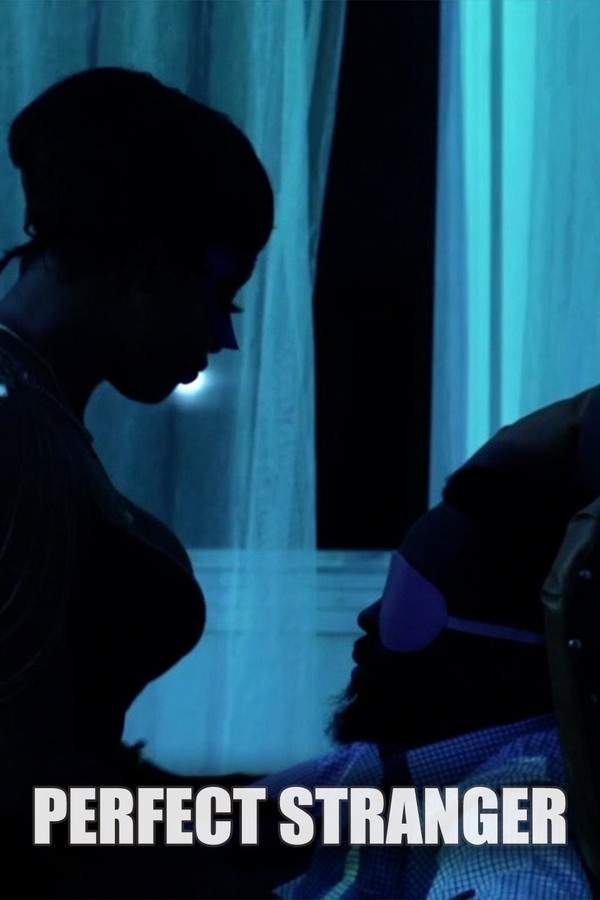










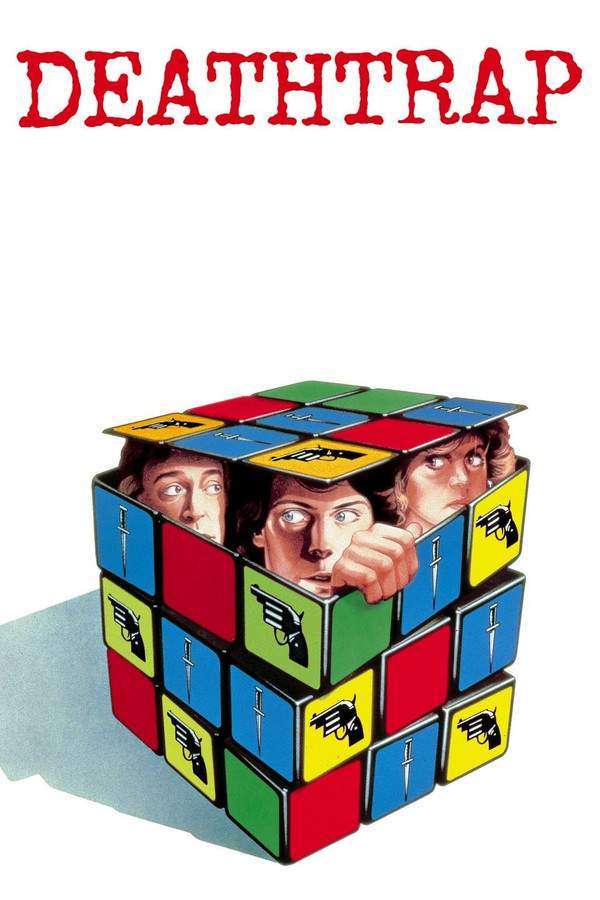


Narrative Summary
A seemingly ordinary protagonist is drawn into conversation with a charismatic but dangerous stranger in a confined public space. What begins as flirtation, provocation, or philosophical sparring escalates into psychological warfare, with the stranger peeling back the protagonist's carefully constructed self. Reality bends, hallucinations or symbolic interludes intrude, and the protagonist is forced to commit a violent or self-revealing act. The story often circles back to the protagonist's partner, leaving a reconciliation that feels both earned and permanently scarred.
Why These Movies?
They share a pressure-cooker structure: one encounter, one liminal space, one destabilizing antagonist. Tone is consistently dark and confrontational, with variable pacing that alternates between long dialogue exchanges and sudden bursts of surreal violence. Emotional weight runs heavy, and endings tend to be bittersweet rather than triumphant, reflecting damage rather than victory.
Bittersweet identity reckonings like in The Dutchman
Stories where a comfortable life cracks open and forces a devastating confrontation with identity.Looking for movies like The Dutchman that dig deep into identity crisis, racial tension, and marital strain? These heavy, complex dramas follow outwardly successful protagonists whose worlds collapse under the pressure of suppressed truths, offering bittersweet endings rather than easy answers.

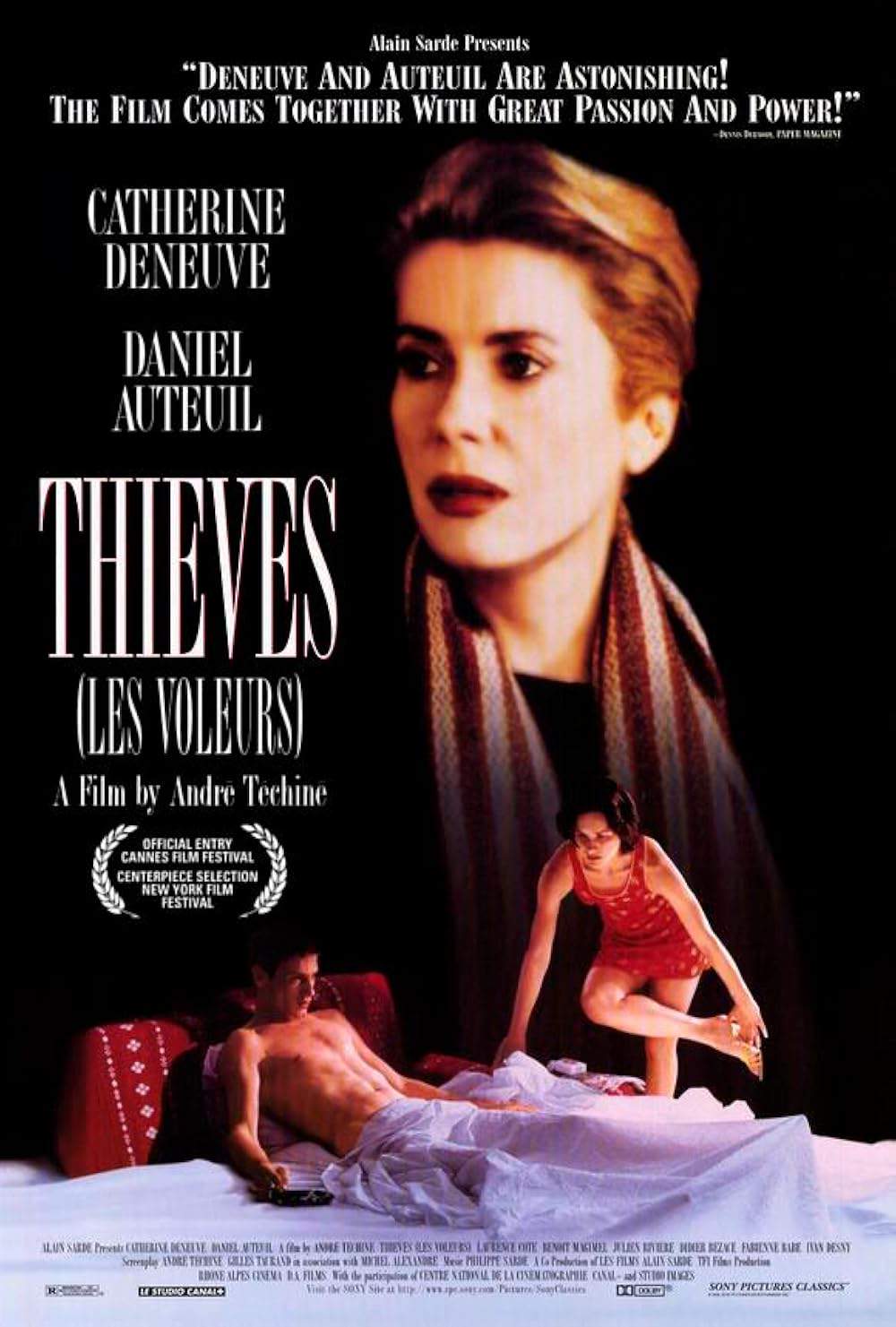












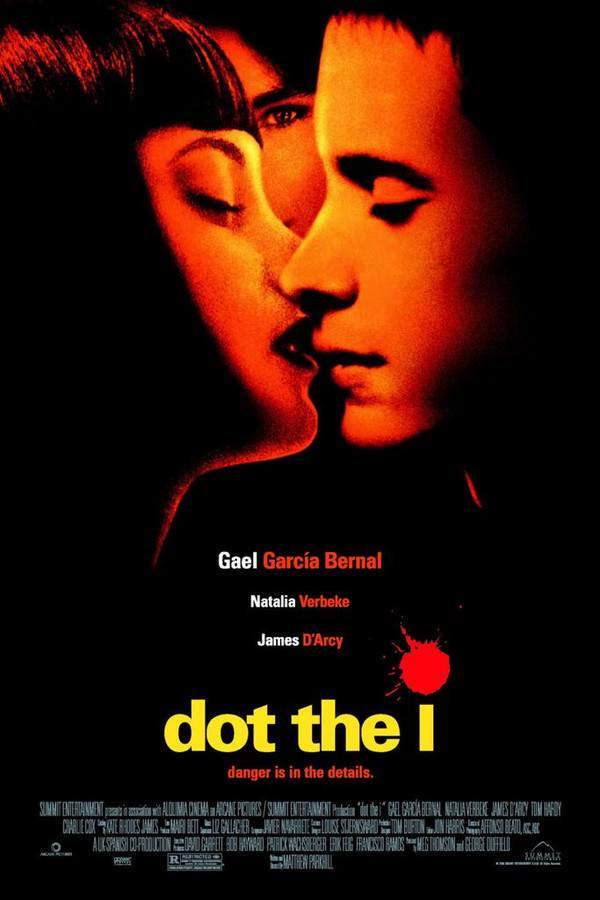
Narrative Summary
An outwardly settled protagonist—often a professional with a marriage under quiet strain—encounters a force that names what they have refused to name about themselves. The catalyst may be a stranger, a memory, or a systemic reality they have been able to ignore. Scenes of psychological torment, infidelity, and racial or social hostility compound until the protagonist is forced into a violent or symbolic act of self-confrontation. The final beat pairs damage with a slim, hard-won reprieve: a partner waiting in sunlight, a fragile apology, a life resumed but unmistakably scarred.
Why These Movies?
They are bound together by theme more than plot: identity in conflict with the world the protagonist has built, the cost of assimilation or denial, and the violence required to finally look inward. Tone is dark and heavy, pacing varies between confrontational dialogue and reflective stillness, and endings lean bittersweet. Many draw from literary or theatrical source material, lending them a layered, philosophical quality.
Unlock the Full Story of The Dutchman
Don't stop at just watching - explore The Dutchman in full detail. From the complete plot summary and scene-by-scene timeline to character breakdowns, thematic analysis, and a deep dive into the ending - every page helps you truly understand what The Dutchman is all about. Plus, discover what's next after the movie.
The Dutchman Timeline
Track the full timeline of The Dutchman with every major event arranged chronologically. Perfect for decoding non-linear storytelling, flashbacks, or parallel narratives with a clear scene-by-scene breakdown.

Characters, Settings & Themes in The Dutchman
Discover the characters, locations, and core themes that shape The Dutchman. Get insights into symbolic elements, setting significance, and deeper narrative meaning - ideal for thematic analysis and movie breakdowns.


