
The Comic
Year: 1969
Runtime: 95 mins
Language: English
A comedic look at Hollywood’s golden age, chronicling the rise and fall of silent‑film star Billy Bright. The film opens at Bright’s funeral, where his spectral voice recounts early fame, self‑destructive womanizing and drinking, and his eventual loneliness as a bitter old man. It is loosely inspired by the life of Buster Keaton.
Warning: spoilers below!
Haven’t seen The Comic yet? This summary contains major spoilers. Bookmark the page, watch the movie, and come back for the full breakdown. If you're ready, scroll on and relive the story!
Timeline – The Comic (1969)
Trace every key event in The Comic (1969) with our detailed, chronological timeline. Perfect for unpacking nonlinear stories, spotting hidden connections, and understanding how each scene builds toward the film’s climax. Whether you're revisiting or decoding for the first time, this timeline gives you the full picture.
Last Updated: October 09, 2025 at 11:28

Explore Movie Threads
Discover curated groups of movies connected by mood, themes, and story style. Browse collections built around emotion, atmosphere, and narrative focus to easily find films that match what you feel like watching right now.
Bittersweet Stories of Creative Rise and Fall like in The Comic
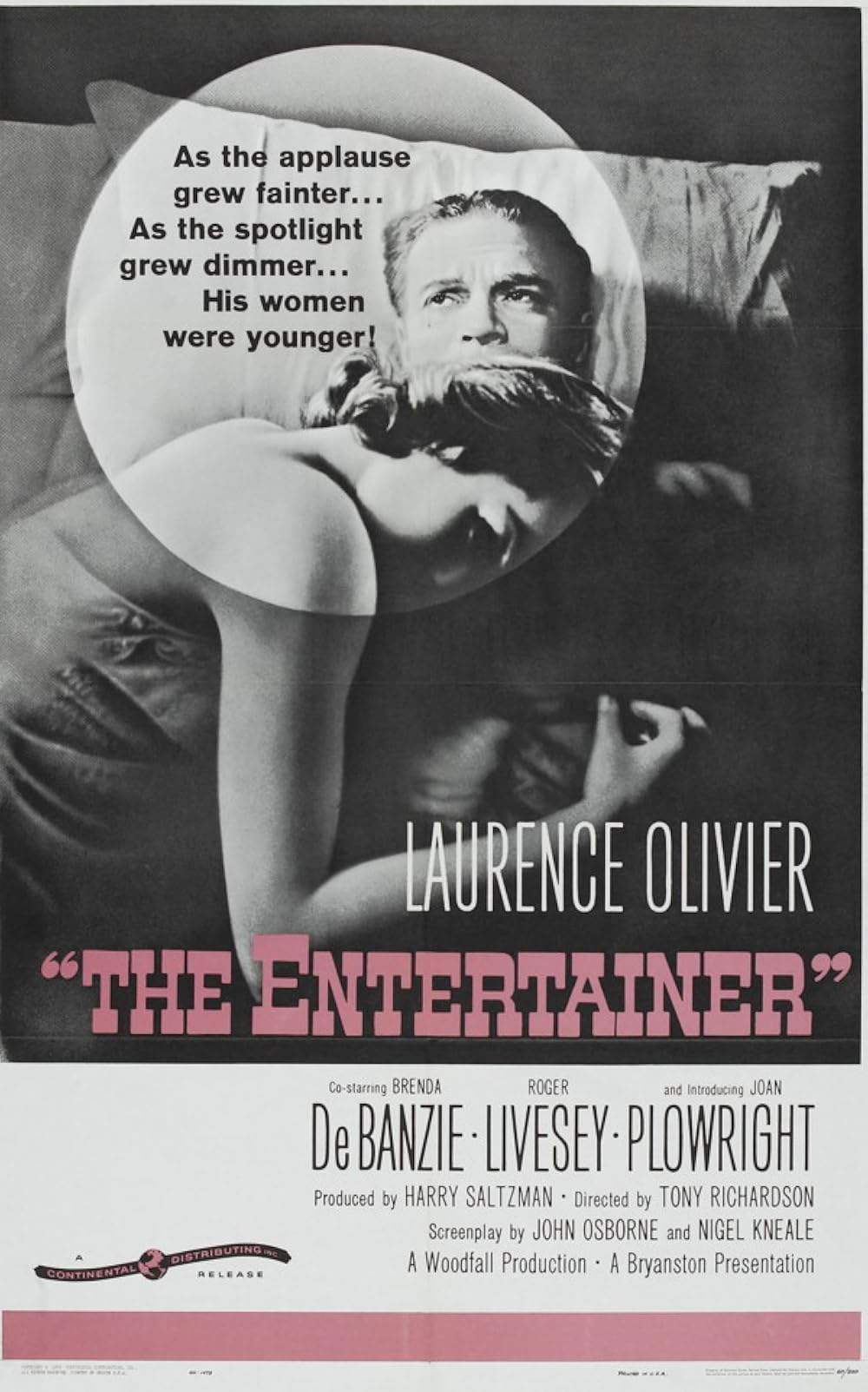
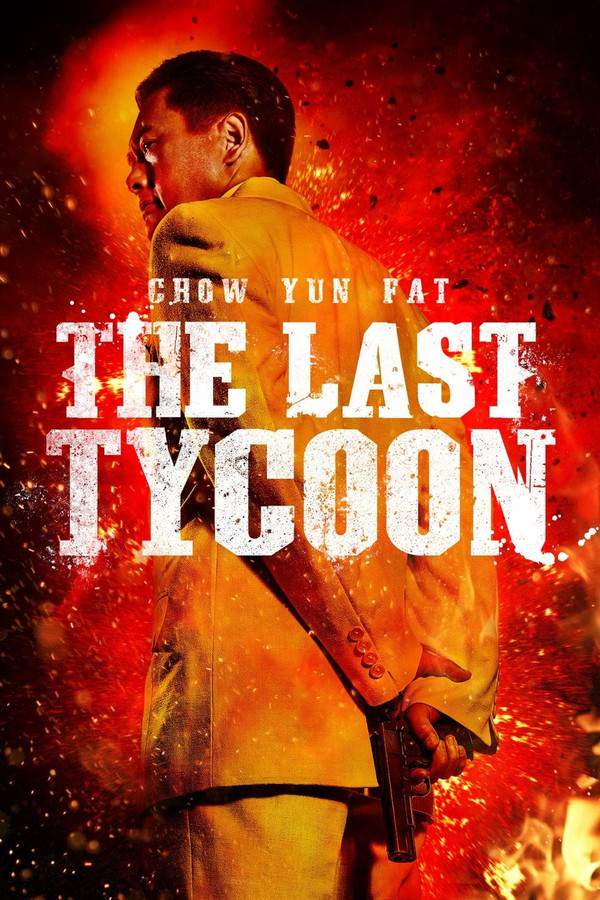
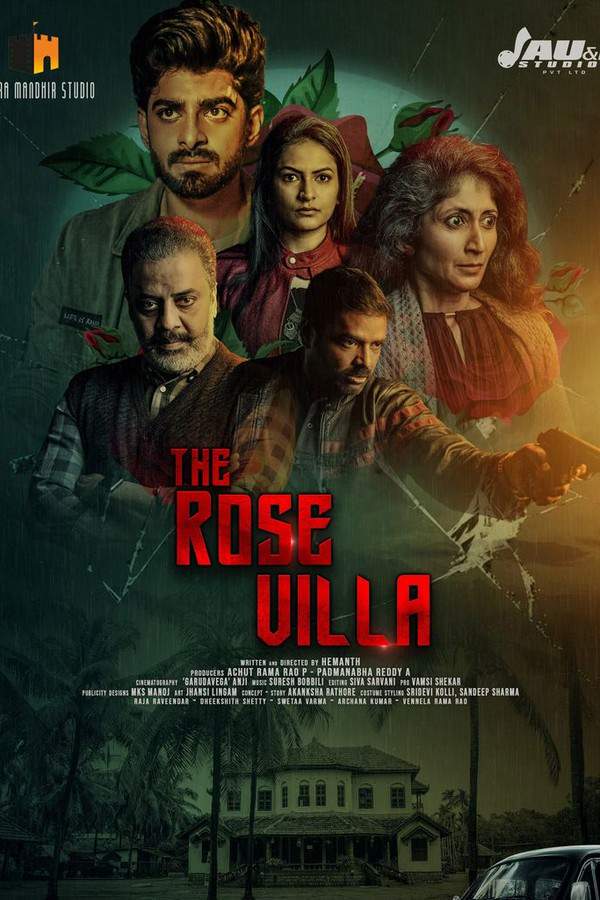
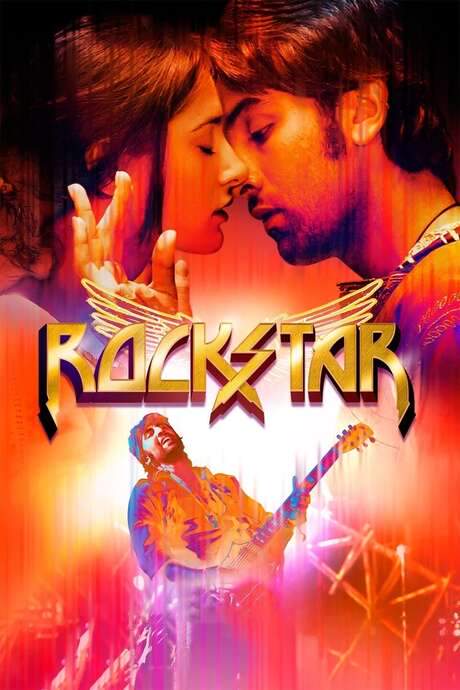
Exploring the personal cost of fame and the loneliness that follows success.If you liked The Comic, explore more movies about the rise and fall of creative figures. These similar dramas mix the charm of showbiz with melancholic reflections on fame, ego, and the personal cost of success, often ending on a bittersweet or sad note.





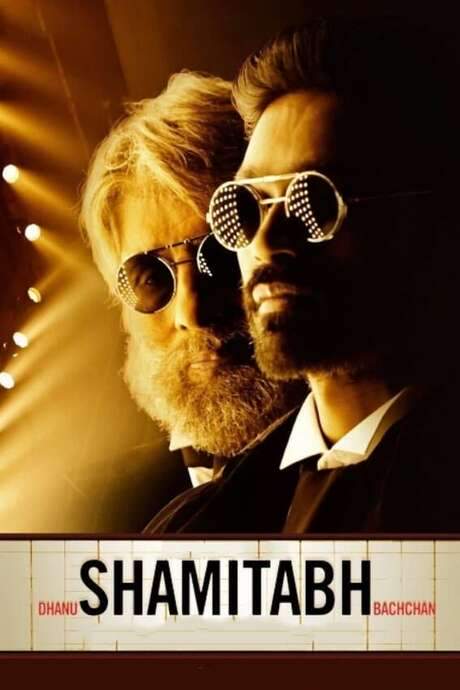


Narrative Summary
Typically, these narratives follow a clear arc: ambition leads to great success, which is then undermined by personal flaws like arrogance, addiction, or troubled relationships. The journey is often framed reflectively, sometimes looking back from a point of regret, emphasizing the fleeting nature of fame and the enduring pain of loss.
Why These Movies?
Movies are grouped here for their shared focus on the archetypal 'rise and fall' story within creative or entertainment fields. They combine a nostalgic look at a specific industry with a rueful, character-driven drama, creating a mix of admiration for talent and sadness for its waste.
Movies with Reflective Nostalgia for Bygone Eras like The Comic
Movies that look back wistfully at a specific time and place with a mix of fondness and sadness.Find more movies like The Comic that evoke a strong sense of nostalgic reflection. These films transport you to a specific time, like Old Hollywood, but use that setting to explore deeper themes of change, memory, and loss, creating a bittersweet and autumnal mood.
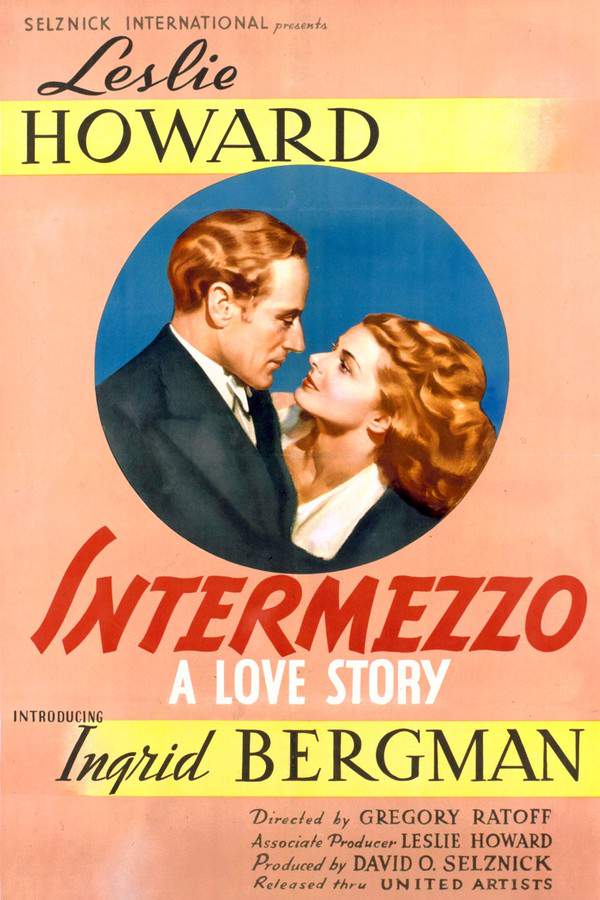
Intermezzo: A Love Story
1939
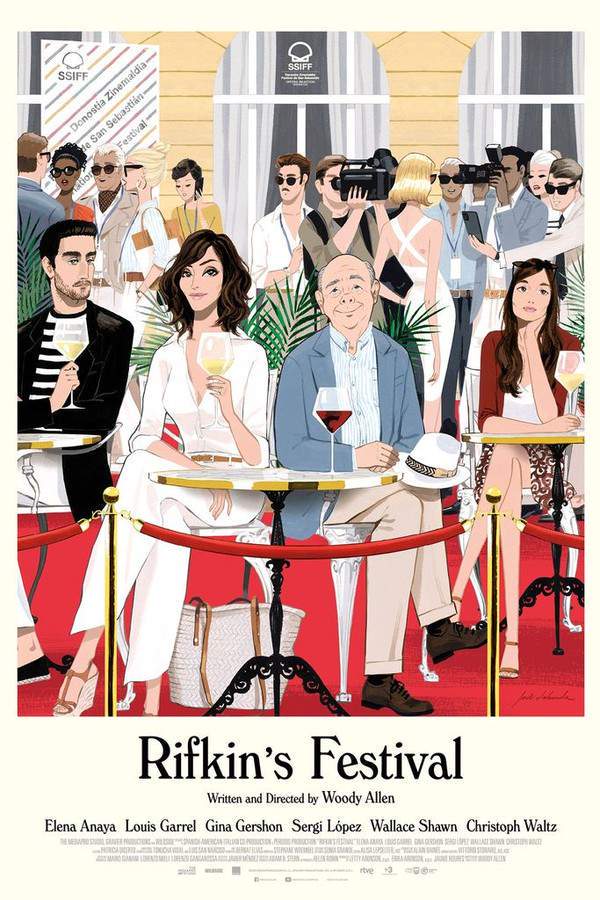
Rifkin's Festival
2022
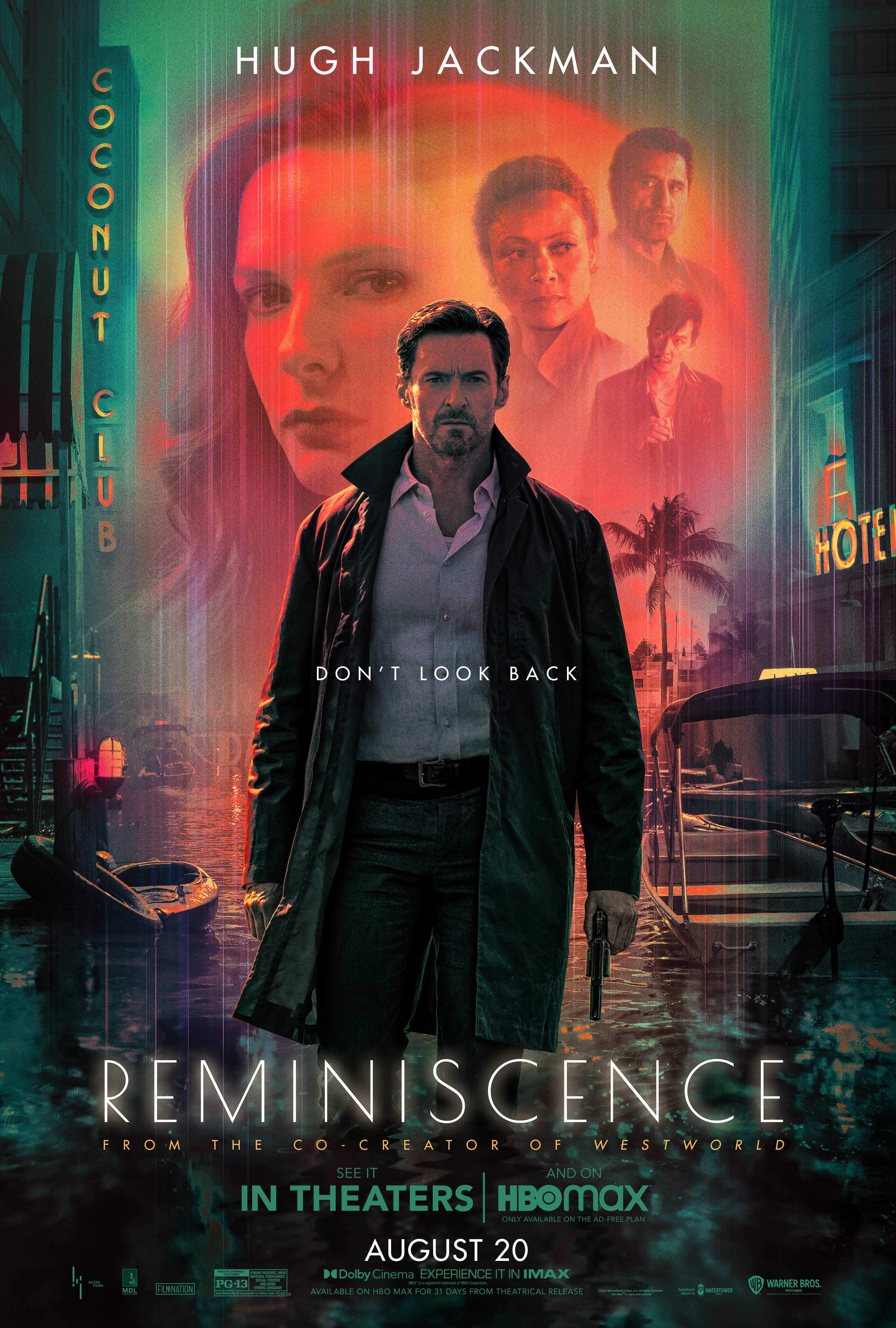
Reminiscence
2021
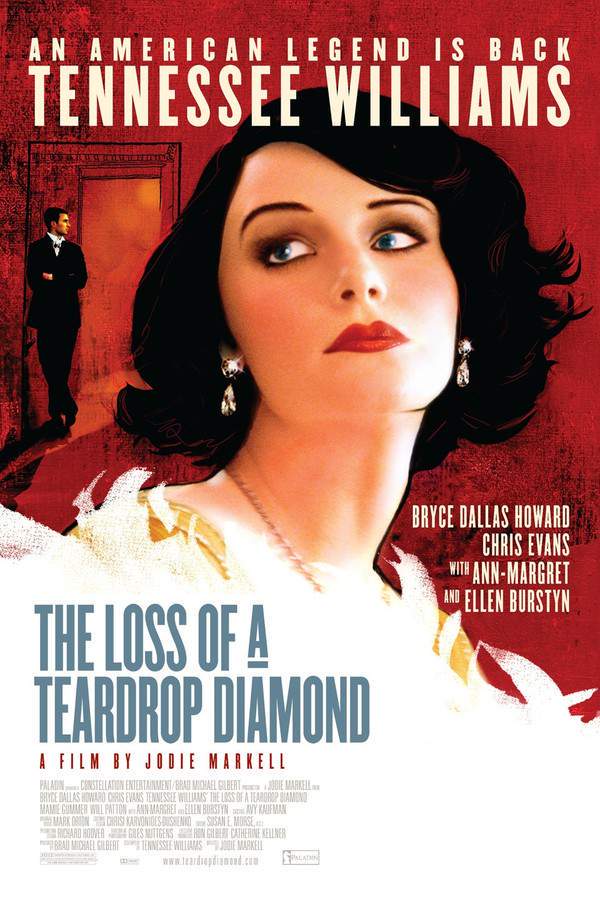
The Loss of a Teardrop Diamond
2009

The Greatest Hits
2024
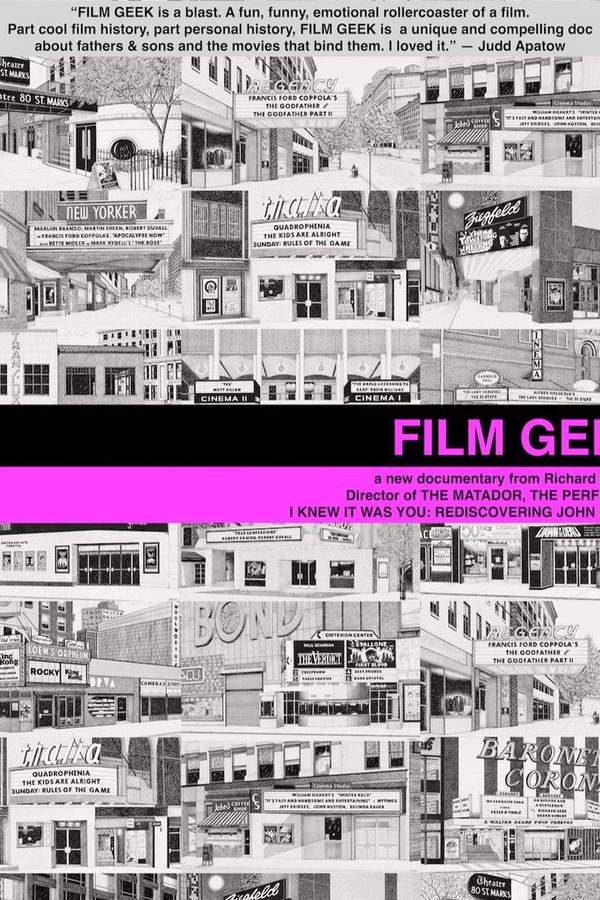
Film Geek
2024

The Three Stooges
2000
The Comic
1969

Love Stories
1997

Ten North Frederick
1958

My Foolish Heart
1949

An Awfully Big Adventure
1995

Comrades, Almost a Love Story
1996

The Last Time I Saw Paris
1954

So Well Remembered
1947
Narrative Summary
Stories in this thread often use memory or flashback structures to revisit a vibrant past, contrasting it with a more somber present. The narrative is less about fast-paced plot and more about capturing the essence and atmosphere of the era, using it as a backdrop for personal stories of regret, change, or the passage of time.
Why These Movies?
These films are grouped by their dominant nostalgic mood and their specific, evocative setting in a past era. They share a reflective, often rueful tone, using the lens of history to explore universal themes of memory and mortality, making the past feel both beautiful and painfully distant.
Unlock the Full Story of The Comic
Don't stop at just watching — explore The Comic in full detail. From the complete plot summary and scene-by-scene timeline to character breakdowns, thematic analysis, and a deep dive into the ending — every page helps you truly understand what The Comic is all about. Plus, discover what's next after the movie.
The Comic Summary
Read a complete plot summary of The Comic, including all key story points, character arcs, and turning points. This in-depth recap is ideal for understanding the narrative structure or reviewing what happened in the movie.

Characters, Settings & Themes in The Comic
Discover the characters, locations, and core themes that shape The Comic. Get insights into symbolic elements, setting significance, and deeper narrative meaning — ideal for thematic analysis and movie breakdowns.


Similar Movies to The Comic
Discover movies like The Comic that share similar genres, themes, and storytelling elements. Whether you’re drawn to the atmosphere, character arcs, or plot structure, these curated recommendations will help you explore more films you’ll love.

The Comic Strip
1981

The Funny Farm
1983

The Comic
1985

Hollywood or Bust
1956

The Silent Partner
1955

The Comedy Man
1964

The Movies
1925

The Comedian
1957

Movie Movie
1978

The Comedy of Terrors
1963

It Happened in Hollywood
1937

The Buster Keaton Story
1957

When Comedy Was King
1960

Enter Laughing
1967

The Golden Age of Comedy
1957
Explore More About Movie The Comic
The Comic (1969) Plot Summary & Movie Recap
The Comic (1969) Scene-by-Scene Movie Timeline
The Comic (1969) Spoiler-Free Summary & Key Flow
Movies Like The Comic – Similar Titles You’ll Enjoy
The Comic Strip (1981) Full Movie Breakdown
The Funny Farm (1983) Movie Recap & Themes
The Comic (1985) Story Summary & Characters
Hollywood or Bust (1956) Detailed Story Recap
The Silent Partner (1955) Spoiler-Packed Plot Recap
The Comedy Man (1964) Full Movie Breakdown
The Movies (1925) Spoiler-Packed Plot Recap
The Comedian (1957) Full Movie Breakdown
Movie Movie (1978) Spoiler-Packed Plot Recap
The Comedy of Terrors (1963) Complete Plot Breakdown
It Happened in Hollywood (1937) Spoiler-Packed Plot Recap
The Buster Keaton Story (1957) Complete Plot Breakdown
When Comedy Was King (1960) Complete Plot Breakdown
Enter Laughing (1967) Spoiler-Packed Plot Recap
The Golden Age of Comedy (1957) Story Summary & Characters