Plot Explained Spoilers guaranteed!
Plot Explained

Browse by genre

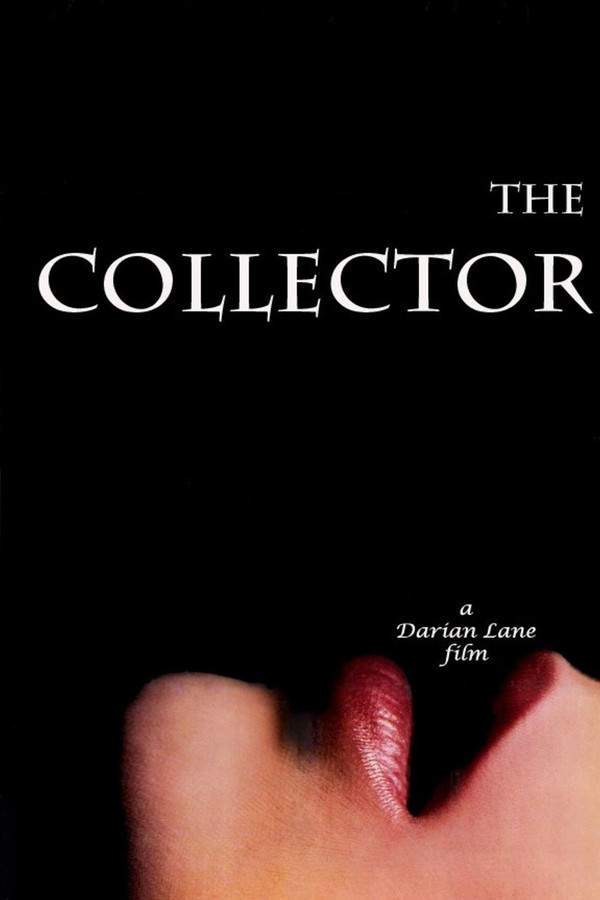
The Collector (1965) movie poster

Characters & Themes

The Collector (1965) Characters, Setting & Themes Explained

Release, runtime and language
1965 · 119 mins · English
Directed by
William Wyler
Starring
Terence Stamp, Samantha Eggar, Mona Washbourne, Kenneth More, Allyson Ames, Edina Ronay

Freddie, a clumsy bank clerk with no prospects, finds solace in collecting butterflies, which gives him a sense of control. After unexpectedly inheriting a fortune, he buys a secluded country house. Still socially awkward, he decides to “collect” a girlfriend, converting the cellar into a trap and stalking his target for days.

On this page (7)
  1. 1 Characters explained (2)
  2. 2 Where & when it takes place
  3. 3 Themes & meaning (3)
  4. 4 Character & meaning questions
  5. 5 Movie threads
  6. 6 Movies like The Collector
  7. 7 Every angle

2 main characters · contains spoilers

The Collector Characters Explained: Who Is Who

The main characters of The Collector (1965), heroes and villains: what drives them, how they change over the course of the story and what each of them reveals about the film's bigger ideas.

  • Freddie Clegg (Terence Stamp)

    A lonely, socially awkward man who buys a 17th-century Kent farmhouse with lottery winnings to create a private fortress. An amateur entomologist, he channels fixation into calculated routines and uses wealth and seclusion to control Miranda Grey. He rationalizes his actions as love, masking coercion as care while escalating his cruelty. His detached, methodical nature makes him a dangerous manipulator.

    • 🔒 Obsession
    • 🧠 Delusion
    • 🏠 Control
  • Miranda Grey (Samantha Eggar)

    A bourgeois London art student who becomes Freddie’s captive after being stalked. She remains resourceful, attempting to escape through tactics such as faking illness, writing to her mother, and seeking moments to flee. Her interactions reveal a struggle between independence and vulnerability, and she challenges Freddie’s elitist worldview. Ultimately her resistance is met with a tragic end.

    • 💎 Art student
    • 🗝️ Entrapment
    • ⚖️ Resistance

Last updated: October 04, 2025 at 15:30

Was this helpful?

Setting

Where and When Does The Collector Take Place?

The setting of The Collector (1965): the year and time period, the places and locations, and how they shape the characters, the mood and the tension of the story.

Time period

1960s

The story unfolds in 1960s Britain, a period of urban modernity alongside traditional class codes. The social climate of middle‑class London frames the power imbalance and Miranda’s struggle for autonomy. The era’s quiet proprieties heighten the sense of menace behind Freddie’s deliberate, methodical control.

Location

Kent farmhouse, Hampstead (London), Reading

The action centers on a windowless stone cellar inside a 17th‑century Kent farmhouse that Freddie purchases with lottery winnings. The rural Kent location provides stark isolation that amplifies his controlling fantasy. Scenes also move to Hampstead in London, where Miranda is abducted, and flash back to Reading, tying their shared past to the present captivity.

  • 🏡 Rural setting
  • 🕰️ Historical architecture
  • 🌳 Countryside isolation

Last updated: October 04, 2025 at 15:30

Was this helpful?

3 major themes

The Collector Meaning: Themes & Message Explained

What is The Collector (1965) really about? The emotional, social and philosophical themes the film keeps returning to, its symbolism and the message beneath the surface.

  • Obsession

    Freddie’s fixation on Miranda drives the entire plot, turning admiration into captivity. He uses wealth, seclusion, and routine to trap her, gradually escalating his demands. Miranda’s resistance exposes the dangers of unchecked longing and the fantasy of owning another person.

  • Power & Control

    The relationship is defined by a stark asymmetry: Freddie dictates the environment, timing, and access to light, while Miranda is reduced to compliance. He rationalizes coercion as care, blurring lines between affection and domination. The film relentlessly demonstrates how control corrodes both parties, ending in tragedy rather than justice.

  • Love vs. Possession

    Freddie proclaims love while imprisoning Miranda, revealing a dangerous misreading of intimacy. Miranda’s attempts to escape and assert autonomy challenge Freddie’s illusion of closeness. The narrative probes how desire can masquerade as devotion and ultimately destroy freedom.

Last updated: October 04, 2025 at 15:30

Was this helpful?

Character & theme questions

The Collector Characters & Meaning: Your Questions Answered

The questions people ask about The Collector (1965): who the characters really are, their relationships, what the symbols mean, where it takes place and what the movie is really about. Each answer contains spoilers.

Q1

Where is The Collector set?

The film is set primarily in a remote 17th-century Kent farmhouse that Freddie purchases with his lottery winnings. The stone cellar, windowless and isolated, serves as the central location for the captivity. Key scenes also take place in Hampstead, London, where Miranda is abducted, and in Reading, which ties their shared past to the present.

  • kent farmhouse
  • hampstead
  • london
  • reading
  • rural setting
  • cellar
Q2

What time period does The Collector take place in?

The story unfolds in 1960s Britain, an era defined by urban modernity existing alongside traditional class codes. The period's quiet proprieties and social conventions heighten the sense of menace behind Freddie's methodical control, creating a stark contrast between the outwardly respectable society and the disturbing events unfolding in the countryside.

  • 1960s
  • britain
  • era
  • period
  • 1960s britain
  • class codes
Q3

What are the main themes of The Collector?

The Collector explores three interconnected themes: obsession (Freddie's fixation on Miranda transforms from admiration to captivity), power and control (the stark asymmetry between Freddie as captor and Miranda as prisoner), and love versus possession (Freddie rationalizes coercion as care, revealing a dangerous misreading of intimacy).

  • obsession
  • power
  • control
  • love
  • possession
  • themes
Q4

Who is Freddie Clegg in The Collector?

Freddie Clegg is a lonely, socially awkward bank clerk who inherits a fortune and uses it to create a private fortress in the Kent countryside. An amateur entomologist who previously collected butterflies, he channels his fixation into calculated routines. He purchases the farmhouse specifically to isolate and control Miranda, rationalizing his actions as love while masking coercion as care. His detached, methodical nature makes him a dangerous manipulator.

  • freddie clegg
  • main character
  • bank clerk
  • lottery winner
  • entomologist
Q5

Who is Miranda Grey in The Collector?

Miranda Grey is a bourgeois London art student who becomes Freddie's captive after being stalked and abducted. She is portrayed as resourceful, attempting to escape through tactics like faking illness, writing to her mother, and seeking opportunities to flee. Her character represents a struggle between independence and vulnerability, challenging Freddie's elitist worldview while facing a tragic fate.

  • miranda grey
  • art student
  • captive
  • victim
  • london
Q6

What role does the Kent farmhouse play in The Collector?

The isolated Kent farmhouse serves as Freddie's private fortress, purchased with lottery winnings. The 17th-century stone structure and its windowless cellar create a claustrophobic space that amplifies his controlling fantasy. The rural countryside location provides the stark isolation necessary for his plan, removing Miranda from any possibility of external help.

  • kent farmhouse
  • cellar
  • isolation
  • countryside
  • 17th century
Q7

How does The Collector explore power dynamics?

The film presents a stark power imbalance: Freddie controls the environment, timing, and access to light while Miranda is reduced to compliance. He dictates every aspect of her captivity while rationalizing his coercion as care, deliberately blurring the lines between affection and domination. The narrative demonstrates how control corrodes both parties, ultimately ending in tragedy rather than justice.

  • power dynamics
  • control
  • captivity
  • domination
  • coercion
Q8

Why is The Collector considered a psychological thriller?

The Collector's psychological intensity stems from its unflinching focus on the terror of captivity and the extreme power imbalance, rather than overt physical violence. The slow, deliberate pacing emphasizes Freddie's meticulous, methodical nature and the agonizing passage of time for Miranda, amplifying the claustrophobia. The dark tone emerges from the disturbing theme of distorted obsession masquerading as affection.

  • psychological thriller
  • psychological terror
  • captivity
  • slow pacing
  • dark tone
Q9

How does The Collector portray love versus possession?

Freddie proclaims love while actively imprisoning Miranda, revealing a dangerous misreading of intimacy. He uses wealth, seclusion, and routine to trap her, gradually escalating his demands under the guise of devotion. Miranda's attempts to escape and assert autonomy challenge Freddie's illusion of closeness. The narrative probes how desire can masquerade as devotion and ultimately destroy freedom.

  • love
  • possession
  • obsession
  • devotion
  • coercion
  • imprisonment
Q10

How does 1960s British class society factor into The Collector?

The social climate of middle-class 1960s London frames the power imbalance between Freddie and Miranda. Freddie's newly acquired wealth allows him to transcend his lower social standing as a bank clerk, while Miranda's bourgeois background as an art student represents the elite world he covets. The era's class codes and quiet proprieties heighten the sense of menace behind Freddie's deliberate, methodical control, making his transgression more disturbing.

  • class
  • 1960s britain
  • social class
  • middle class
  • bourgeoisie
  • wealth

Movie threads

More Movies Like The Collector, by Mood & Story

Curated lists built around what makes The Collector tick: the same mood, the same kind of story or the same emotional payoff. Each list explains why these movies belong together.

Movies about dangerous observers like in The Collector

Stories about isolated individuals whose quiet observation curdles into dangerous obsession. If you were fascinated by the unsettling dynamic in The Collector, explore more movies about characters whose isolation turns into a predatory obsession. These films delve into the psychology of observers who become actors, often with chilling and bleak consequences for their unwitting targets.

  • observant
  • methodical
  • unsettling
  • cold
  • isolated
  • calculated
  • Tone: dark, unsettling, cold
  • Pacing: slow, methodical
Why these movies?

The story pattern: These narratives often follow a character, typically isolated or socially awkward, who believes they understand their subject better than anyone else. The story chronicles their meticulous planning and the escalation from watching to possessing, creating a tense and deeply unsettling power dynamic between the observer and the observed.

Why they belong together: Movies in this thread share a focus on the psychological unraveling of a solitary figure, a methodical pacing that builds dread, and a dark, often bleak, tone. They explore the terrifying transition from watching to acting, making the viewer complicit in a voyeuristic and chilling experience.

Claustrophobic captivity thrillers similar to The Collector

Intense psychological dramas focusing on the suffocating dynamic between captor and captive. For viewers who appreciated the intense, confined tension of The Collector, this list features similar movies that trap characters in psychological battles of control. These stories prioritize emotional weight and psychological terror over physical action, often set in isolated, single locations that amplify the feeling of entrapment.

  • claustrophobic
  • oppressive
  • chilling
  • unsettling
  • desperate
  • methodical
  • Tone: dark, tense, bleak
  • Pacing: slow, deliberate
Why these movies?

The story pattern: The narrative pattern revolves around a power imbalance in a confined setting. The story meticulously details the strategies of control employed by the captor and the psychological resilience—or breakdown—of the captive. The pacing is often deliberate, making the audience feel the agonizing passage of time and the suffocating lack of escape.

Why they belong together: These films are grouped by their shared high-tension, claustrophobic atmosphere, heavy emotional weight, and focus on disturbing themes of psychological control. They deliver a viewing experience defined by oppressive dread and a relentless examination of human behavior under extreme duress.

If you liked this

Movies Like The Collector

Similar movies to The Collector: the same genre, themes or kind of story. Each one comes with its own plot summary, timeline and ending explained.

Browse all movie summaries

Every angle

The Collector (1965) Explained: Plot, Timeline & Characters

Everything about The Collector in one place: what happens in the plot summary, the timeline in chronological order, the characters and meaning and a spoiler-free summary. What's After the Movie adds the cast, box office and post-credit scenes.

Coming soon on iOS and Android

The Plot Explained Movie Summary App

Plot summaries, endings explained and timelines on your phone. Catch up on any movie in minutes, save your favorites and never miss a twist again.

Be the first to know when we launch. Your email stays private, always.

Learn more about the app