Plot Explained Spoilers guaranteed!
Plot Explained

Browse by genre

The Yellow Rolls-Royce (1964) movie poster

Timeline

The Yellow Rolls-Royce (1964) Timeline Explained – Every Event in Order

Release, runtime and language
1964 · 122 mins · English
Directed by
Anthony Asquith
Starring
Jeanne Moreau, Alain Delon, Shirley MacLaine, Lance Percival, George C. Scott, Michael Hordern

A memorable ensemble tracks a single Rolls‑Royce through three owners. Lord Charles gifts the car to his wife for their anniversary. Italian mafioso Paolo Maltese buys it in Italy, leaves it with his girlfriend, then returns to Chicago. Finally, American widow Gerda inherits it and uses it while fighting the Yugoslav resistance against the Nazis.

On this page (6)
  1. 1 Where to watch
  2. 2 Events in order (12)
  3. 3 Timeline questions answered
  4. 4 Movie threads
  5. 5 Movies like The Yellow Rolls-Royce
  6. 6 Every angle

Where to watch

Where to Watch The Yellow Rolls-Royce (1964)

Where can you watch The Yellow Rolls-Royce? Stream, rent or buy it in the US, including on Amazon Video, Apple TV Store and Fandango At Home: current JustWatch availability with up-to-date prices.

Streaming availability powered by JustWatch

12 events in order · contains spoilers

The Yellow Rolls-Royce Timeline: Events in Chronological Order

Every key event of The Yellow Rolls-Royce (1964) in order, scene by scene, with when and where it takes place. Use it to untangle flashbacks, time jumps and parallel storylines, to refresh your memory before the sequel or to find the exact scene you are thinking of.

  1. Anniversary gift: the yellow Rolls-Royce

    Charles, Marquess of Frinton, buys a stunning yellow Rolls-Royce as a belated 10th wedding anniversary present for Eloise. The luxury car signals his status and cements their place in high society. Its presence foreshadows the later upheavals surrounding their marriage.

    When
    Around their 10th anniversary
    Where
    England
  2. Ascot Gold Cup triumph

    The Frintons attend the race where the horse 10th June is the favourite for the Ascot Gold Cup. The horse wins, and King George V presents the Gold Cup to Lord Frinton. The public triumph contrasts with the private tensions simmering beneath the surface.

    When
    Year of the Gold Cup win
    Where
    Ascot, England
  3. Infidelity discovered and the car’s return

    Charles discovers Eloise with her lover, John Fane, in flagrante in the back of the Rolls with its shades drawn. He refuses divorce, choosing to preserve appearances, and orders the chauffeur to return the car to Hooper. This act marks the end of the Rolls’ aristocratic chapter and the start of its traveling life.

    When
    Shortly after the Gold Cup
    Where
    England
  4. The Rolls leaves England for a new life

    With the old life behind it, the Rolls begins a long, unpredictable journey as it travels beyond England. Its next owners will take it into Europe and beyond, linking wealth and danger through a single car. The vehicle becomes a passport to a series of uneasy adventures.

    When
    After the English incident
    Where
    England to Europe
  5. Genoa sale and new owners

    In Genoa, Italy, the Rolls is shown at the Genova Auto Salon after covering many miles. It is purchased by American gangster Paolo Maltese, who brings Mae Jenkins and Joey Friedlander along as companions. The car enters a new chapter as a tool of crime and travel rather than aristocratic prestige.

    When
    Sometime after leaving England
    Where
    Genova, Italy
  6. Maltese’s Miami departure and Mae’s infatuation

    Maltese returns to Miami on a contract hit, leaving Friedlander to supervise Mae Jenkins. Mae falls for Stefano, a handsome street photographer they had met earlier in Pisa, signaling a shift in loyalties. Friedlander tolerates the evolving romance while continuing to keep an eye on Mae and Maltese.

    When
    After Genoa purchase
    Where
    Miami, USA; Pisa, Italy (past encounter)
  7. Maltese’s ambush in Italy and Mae’s choice

    The bully Maltese travels back to Italy and tries to ambush Mae as she pursues Stefano, but Friedlander covers for her. Mae, though fond of Stefano, chooses to remain with Maltese. The Rolls’ perilous journey through Europe intensifies as loyalties fracture and reunite.

    When
    During Maltese’s return to Italy
    Where
    Italy
  8. The car’s cargo-ship crossing

    After a turbulent Italian interlude, the Rolls is loaded onto a cargo ship, its next destination obscured from the viewer’s eye. The voyage marks a new phase as the car slips deeper into a global web of crime and survival. Its exact whereabouts become a mystery until later scenes reveal another chapter.

    When
    Later in the timeline
  9. Trieste, 1941: Gerda Millett buys the Rolls

    In Trieste, just before the invasion, the Rolls—still in a repair shop—is bought by Gerda Millett, a wealthy American widow bound for an audience with the Yugoslavian King. Davich, an anti-royalist who loves his country, commandeers the car to slip past the border and the two fall in love. Together they drive toward danger, with Millett rescuing villagers and delivering them to a mountain camp.

    When
    1941, just before the invasion of Yugoslavia
    Where
    Trieste, near the Yugoslav border
  10. Love, war, and rescue missions

    Millett drives through bombings and dangerous terrain to help evacuate villagers to a partisan camp. She survives a German bombing in Ljubljana and continues aiding people, convinced that she can contribute despite the danger. Davich’s plea for her return to America complicates their relationship.

    When
    1941-1942 war period
    Where
    Ljubljana, Slovenia; Partisan camp in the mountains
  11. The car’s final image on American soil

    Some years later, the Rolls is seen driving along the Henry Hudson Parkway in New York, passing beneath signs for I-95 and the George Washington Bridge. The closing credits roll, and the film leaves its intermediate life skipped, keeping the car’s future shrouded in mystery. The car’s ongoing wanderings become a symbol of mobility and secrecy.

    When
    Postwar era
    Where
    New York, USA
  12. The future remains unknown

    With the ending on the Henry Hudson Parkway, only the most recent chapter is shown, while the car’s future remains unknown. The film implies the Rolls continues to drift through unseen histories and hidden lives. Viewers are left to imagine the next owners and the stories that might have followed.

    When
    After the closing scene
    Where
    New York / unknown locations

Last updated: October 10, 2025 at 16:03

Was this helpful?

Timeline questions answered

The Yellow Rolls-Royce Timeline Explained: Your Questions Answered

When does it happen, and why in that order? The questions people ask about the chronology of The Yellow Rolls-Royce (1964): time jumps, flashbacks, cause and effect between scenes and the correct order of events, each answered with spoilers.

Q1

Why did Lord Charles return the Rolls-Royce after discovering his wife's affair?

Lord Charles discovered Eloise with her lover John Fane in the back of the Rolls-Royce with the shades drawn. Rather than pursue a divorce and create a public scandal, he chose to preserve his aristocratic reputation and maintain appearances. He ordered the chauffeur to return the car to Hooper with a single explanation: "It displeases me." This act symbolized his decision to bury his marriage rather than expose the humiliation publicly.

  • lord charles
  • eloise affair
  • john fane
  • divorce
  • scandal
  • appearances
Q2

Why was the horse named 10th June?

Lord Charles named his racehorse 10th June to mark his 10th wedding anniversary with Eloise. The horse went on to win the Ascot Gold Cup, and King George V personally presented the trophy to Charles. This public triumph moments before Charles discovered his wife's betrayal created a stark contrast between his public celebration and private humiliation.

  • 10th june
  • ascot gold cup
  • king george v
  • anniversary
  • horse racing
Q3

Why did Mae Jenkins choose to stay with Paolo Maltese instead of Stefano?

Although Mae was genuinely attracted to Stefano, the handsome street photographer she met in Pisa, she ultimately chose to remain with Maltese because she preferred the security and power that came with wealth. The text explicitly states she "preferred the security and power of wealth over a life of turmoil and abuse." This reflects her practical nature and the allure of a comfortable life over romantic passion.

  • mae jenkins
  • paolo maltese
  • stefano
  • choice
  • wealth
  • security
Q4

Why did Davich need the Rolls-Royce to cross the border?

Davich, a Yugoslav partisan fighter, needed the Rolls-Royce to slip past border controls and reach a partisan camp in the mountains. The car provided伪装 (disguise) as an aristocratic vehicle, allowing him to traverse dangerous territory during the 1941 period just before the German invasion of Yugoslavia. The Rolls represented mobility and legitimacy that could pass through checkpoints.

  • davich
  • partisan
  • yugoslav border
  • resistance
  • disguise
Q5

Why did Gerda Millett decide to help the Yugoslav partisans?

Initially, Gerda was simply driving to meet the Yugoslav king as a wealthy American socialite. However, her encounter with Davich and witnessing the German bombing of Ljubljana transformed her perspective. She began ferrying villagers to safety and delivering them to the mountain camp, driven by growing courage and moral conviction. Davich's plea for her to return to America and "tell the whole world what she's witnessed" solidified her commitment to the resistance cause.

  • gerda millett
  • davich
  • partisans
  • resistance
  • wwii
  • yugoslavia
Q6

Why does the film tell three separate stories instead of one continuous narrative?

The anthology structure uses the yellow Rolls-Royce as a connecting symbol across three eras: the 1920s British aristocracy, the 1930s American crime world, and the 1940s wartime resistance. This design allows the film to explore themes of desire, loyalty, and moral compromise across different historical contexts while showing how a single object passes through changing hands and changing times. Each segment stands alone yet contributes to the overall meditation on human nature.

  • anthology
  • structure
  • three stories
  • symbolism
  • connection
Q7

How did the Rolls-Royce end up in Trieste in 1941?

After the Italian segment, the Rolls was loaded onto a cargo ship with its next destination obscured. The film deliberately leaves this transition mysterious, skipping the intermediate years. When it reappears in Trieste in 1941, it sits in a repair shop with a "Bargain, Special Offer" sign in its windscreen before being purchased by Gerda Millett. This ellipsis reinforces the film's theme of the car drifting through unseen histories.

  • trieste
  • cargo ship
  • 1941
  • repair shop
  • journey
Q8

What does the ending imply about the Rolls-Royce's future?

The film ends with the Rolls driving along the Henry Hudson Parkway in New York, passing beneath I-95 and George Washington Bridge signs, before the credits roll. The car continues its journey while the film deliberately skips its intermediate life. This ambiguous ending suggests the Rolls will keep passing through unknown owners and unseen stories, reinforcing the film's theme of objects outliving the human dramas they witness.

  • ending
  • henry hudson parkway
  • future
  • unknown
  • new york
Q9

Why didn't Lord Charles divorce his wife after discovering the affair?

In 1920s British aristocracy, divorce carried severe social stigma, particularly for a Marquess and junior minister at the Foreign Office. A public divorce would have damaged his political career and social standing. Charles prioritized preserving appearances over confronting the betrayal directly, which was typical of the era's rigid social codes among the upper classes.

  • divorce
  • aristocracy
  • scandal
  • reputation
  • 1920s britain
Q10

Why did Paolo Maltese buy the yellow Rolls-Royce in Italy?

Paolo Maltese, an American gangster, purchased the Rolls at the Genova Auto Salon. The car represented status and wealth - a tangible symbol of criminal success. Its yellow color made it distinctive and memorable, fitting the gangster lifestyle where appearance and reputation mattered. The previous owner was described as a Maharajah who lost his money at the San Remo Casino, adding to the car's exotic pedigree.

  • paolo maltese
  • genoa
  • mafia
  • gangster
  • status
  • auto salon

Movie threads

More Movies Like The Yellow Rolls-Royce, by Mood & Story

Curated lists built around what makes The Yellow Rolls-Royce tick: the same mood, the same kind of story or the same emotional payoff. Each list explains why these movies belong together.

Movies with an object connecting stories like The Yellow Rolls-Royce

A meaningful item passes through different hands, linking separate tales of love and fate. If you liked the way The Yellow Rolls-Royce used a luxury car to weave together three distinct eras, you'll appreciate these other movies where a single item links multiple narratives. Discover similar films about fate, connection, and the stories objects carry.

  • nostalgic
  • reflective
  • melancholic
  • interconnected
  • fateful
  • elegant
  • Tone: bittersweet, reflective
  • Pacing: steady, episodic
Why these movies?

The story pattern: These films often use an anthology or episodic structure, where each segment is a self-contained story tied to a central object. The narrative explores themes of fate, legacy, and the passage of time through the object's journey, offering a unique perspective on how lives intersect indirectly.

Why they belong together: They are grouped by their unique structural device and thematic focus on inanimate witnesses to human experience. They share a reflective, often bittersweet mood, asking the audience to consider the hidden histories of everyday things.

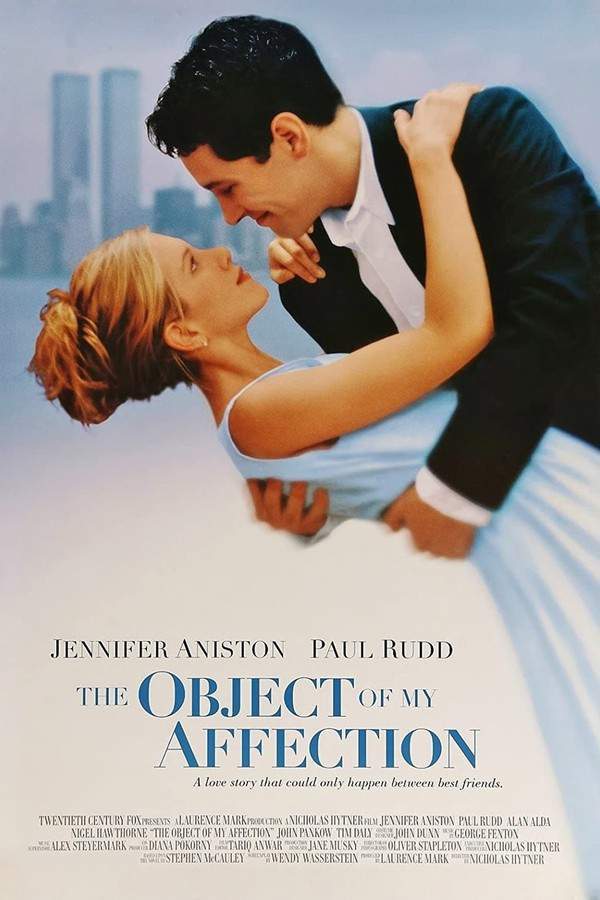
Elegant bittersweet romance movies like The Yellow Rolls-Royce

Stylish stories where romantic hope meets the melancholy of difficult choices. Seeking more films with the elegant, bittersweet feel of The Yellow Rolls-Royce? This list features stylish dramas where romance is tested by wartime sacrifices and moral compromises, offering a similarly reflective and sophisticated viewing experience.

  • bittersweet
  • elegant
  • romantic
  • melancholic
  • dramatic
  • reflective
  • Tone: bittersweet, melancholic, romantic
  • Pacing: steady, character driven
Why these movies?

The story pattern: The narratives typically follow characters making difficult choices between love, security, and duty. The journey is often one of maturation or sobering realization, set against a backdrop of historical events or high society, where personal desires clash with larger forces.

Why they belong together: They share a specific tonal blend of romantic sophistication and emotional melancholy, a steady, character-driven pace, and a focus on the complex compromises of adult relationships. The overall vibe is one of elegant yearning and reflective sadness.

If you liked this

Movies Like The Yellow Rolls-Royce

Similar movies to The Yellow Rolls-Royce: the same genre, themes or kind of story. Each one comes with its own plot summary, timeline and ending explained.

Browse all movie summaries

Every angle

The Yellow Rolls-Royce (1964) Explained: Plot, Timeline & Characters

Everything about The Yellow Rolls-Royce in one place: what happens in the plot summary, the timeline in chronological order, the characters and meaning and a spoiler-free summary. What's After the Movie adds the cast, box office and post-credit scenes.

Coming soon on iOS and Android

The Plot Explained Movie Summary App

Plot summaries, endings explained and timelines on your phone. Catch up on any movie in minutes, save your favorites and never miss a twist again.

Be the first to know when we launch. Your email stays private, always.

Learn more about the app